Ibuprofen And Famotidine Tablet
Product Images NDC 80425-0384

View Photos of Packaging, Regulatory Labels, and Product Appearance

Product Visual Gallery

This gallery contains 19 technical images submitted to the FDA as part of the official labeling for Ibuprofen And Famotidine (NDC 80425-0384). Unlike standard consumer photos, these assets often include clinical data figures, molecular chemical structures, and official manufacturer packaging layouts.

As provided by Advanced Rx Pharmacy Of Tennessee, Llc, these visuals offer a comprehensive scientific overview of the product's physical and chemical identity, aiding pharmacists and researchers in product verification and study.

FDA Label Image

5.11 (5.11)

5.11 (5.11)
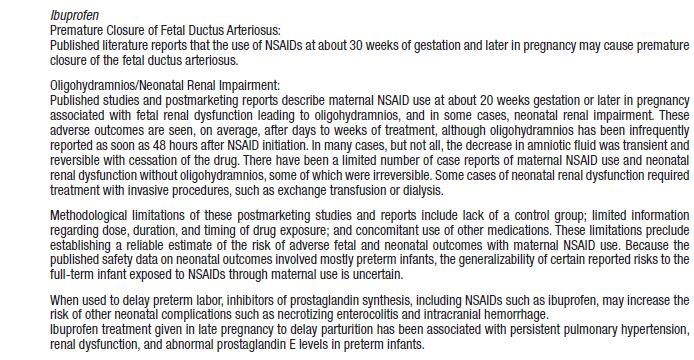
This text discusses the potential risks associated with the use of NSAIDs, such as Ibuprofen and famoidine table, during pregnancy. It mentions that using NSAIDs around 30 weeks gestation or later may increase the risk of premature closure of the fetal ductus arteriosus. Additionally, NSAID use around 20 weeks gestation or later may be linked to fetal renal dysfunction, resulting in oligohydramnios and neonatal renal impairment. It is important to be cautious when using NSAIDs during pregnancy to avoid these complications.*
FDA Label Image

5.14 (5.14)

5.14 (5.14)
This text discusses the potential risks associated with the use of Ibuprofen during pregnancy, including premature closure of the fetal ductus arteriosus, oligohydramnios, and neonatal renal impairment. The text highlights the importance of considering the dosage, duration, and timing of drug exposure, as well as the potential for adverse fetal and neonatal outcomes. It also mentions the increased risk of neonatal complications such as necrotizing enterocolitis and intracranial hemorrhage when using inhibitors of prostaglandin synthesis like Ibuprofen to delay preterm labor. Additionally, Ibuprofen treatment in late pregnancy may lead to persistent pulmonary hypertension, renal dysfunction, and abnormal prostaglandin E levels in preterm infants.*
FDA Label Image

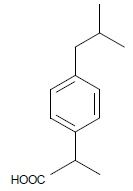
Ibu-struct.jpg (Ibu Struct)

FDA Label Image

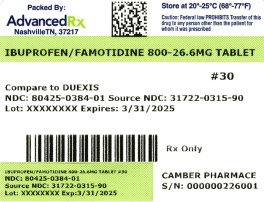
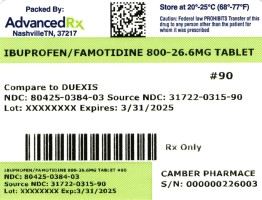
Label 1 (Ibuprofen Famotidine 800mg 26.6mg 80425 0384 01)

FDA Label Image

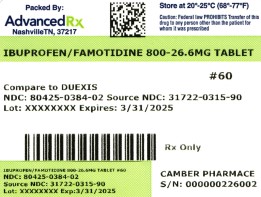
Label2 (Ibuprofen Famotidine 800mg 26.6mg 80425 0384 02)

Label2 (Ibuprofen Famotidine 800mg 26.6mg 80425 0384 02)
This text provides information about a medication: Ibuprofen/Famotidine 800-26.6mg tablet, with a quantity of 60 tablets, lot number X00000K0K, and an expiration date of 3/31/2025. It also includes a serial number: 000000226002.*
FDA Label Image

Label 3 (Ibuprofen Famotidine 800mg 26.6mg 80425 0384 03)

Label 3 (Ibuprofen Famotidine 800mg 26.6mg 80425 0384 03)
This appears to be a description of a medication called "IBUPROFEN/ FAMOTIDINE 500-26.6MG TABLET." It comes in a pack of 90 tablets. The expiry date is mentioned as "373072025". The text also includes a reference number "000000226003".*
FDA Label Image

Mg 2 (Mg2)

Mg 2 (Mg2)
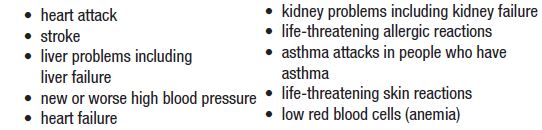
This text highlights various health issues and conditions that individuals may experience, such as heart attack, stroke, liver problems including liver failure, high blood pressure, heart failure, kidney problems including kidney failure, life-threatening allergic reactions, asthma attacks, life-threatening skin reactions, and low red blood cells (anemia). It serves as a warning or informative guide on potential health risks and complications.*
FDA Label Image

Mg 3 (Mg3)

Mg 3 (Mg3)
This text provides a list of symptoms to evaluate a possible medical condition. It mentions shortness of breath, slurred speech, chest pain, swelling of the face or throat, and weakness in one part or side of the body. These symptoms could indicate various health issues and need to be addressed promptly.*
FDA Label Image

Mg 4 (Mg4)

Mg 4 (Mg4)
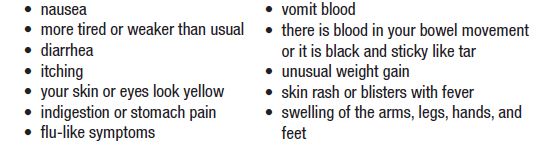
This text describes various symptoms that may indicate potential health issues. Some symptoms include nausea, fatigue, diarrhea, itching, yellowing skin or eyes, stomach pain, flu-like symptoms, vomiting blood, presence of blood in bowel movements, black and sticky stool, unusual weight gain, skin rash or blisters accompanied by fever, and swelling in the arms, legs, hands, and feet. These symptoms may indicate the need for urgent medical attention.*
FDA Label Image

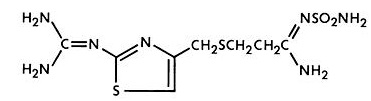
Famotidine-struct.jpg (Famotidine Struct)

FDA Label Image

Mg 1 (Mg 1if)

Mg 1 (Mg 1if)
This information discusses the increased risks associated with using medicines containing NSAIDs, such as Ibuprofen and famotidine tablet, which can lead to heart attacks, strokes, bleeding, ulcers, and tears of the digestive system. The risks are higher with increasing doses of NSAIDs and longer use. It is advised to avoid taking these medications before or after heart surgery or a recent heart attack unless instructed by a healthcare provider. Factors like past history of stomach ulcers, smoking, alcohol use, certain medications, older age, poor health, advanced liver disease, and bleeding problems can further increase the risk of complications. Regular monitoring and caution are recommended while using these medicines.*
FDA Label Image

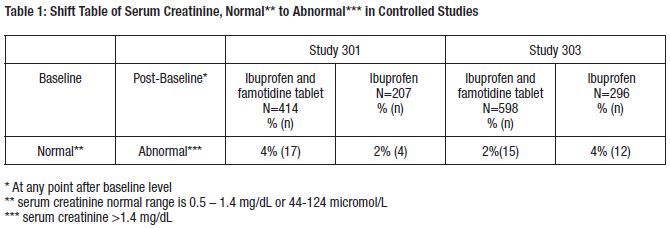
Table 1 (Table 1)

Table 1 (Table 1)
This is a table showing the Shift Table of Serum Creatinine from Normal to Abnormal in Controlled Studies. The table includes results from Study 301 and Study 303, comparing baseline and post-baseline data for participants receiving ibuprofen and famotidine tablets. The table also provides the normal and abnormal ranges for serum creatinine levels, which are important indicators of kidney function.*
FDA Label Image

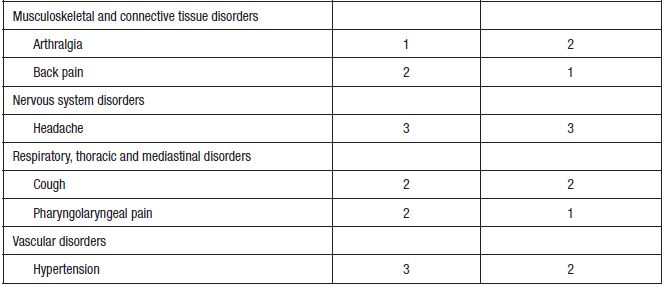
Table 2.2 (Table 2.2)

Table 2.2 (Table 2.2)
This text discusses various medical disorders including musculoskeletal and connective tissue disorders, ataxia, back pain, nervous system disorders like headache, respiratory issues such as cough and pharyngolaryngeal pain, as well as vascular disorders including hypertension. The information provided can be useful for understanding these health conditions.*
FDA Label Image

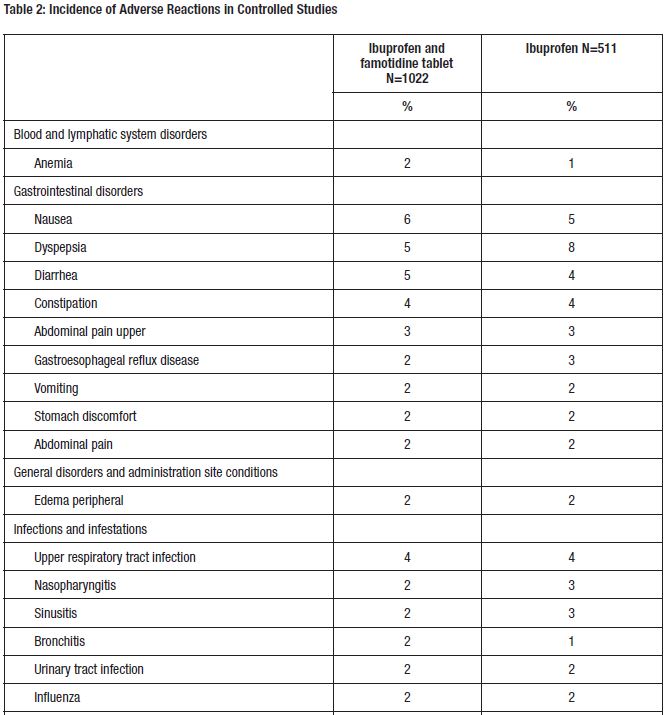
Table 2.1 (Table 2)

Table 2.1 (Table 2)
This is a table showing the incidence of adverse reactions in controlled studies involving huprofen and buprofen (N=511) compared to famotidine tablet (N=1022). Adverse reactions reported include blood and lymphatic system disorders such as anemia, gastrointestinal disorders like nausea, dyspepsia, diarrhea, constipation, and abdominal pain. Other reactions include general disorders, infections, and infestations like upper respiratory tract infection, bronchitis, and urinary tract infection.*
FDA Label Image

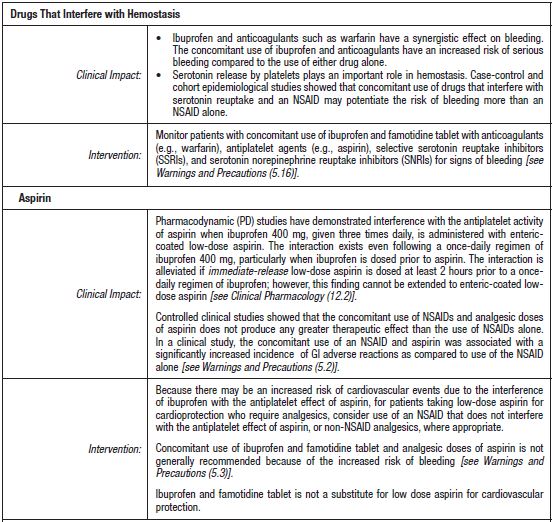
Table 3.1 (Table 3.1)

Table 3.1 (Table 3.1)
This text discusses drugs that interfere with hemostasis, particularly focusing on the clinical impact and interventions involving Ibuprofen, anticoagulants, Aspirin, and other medications. It emphasizes the synergistic effects of Ibuprofen and anticoagulants on bleeding, the importance of monitoring patients on such drug combinations, and the interference of Ibuprofen with the antiplatelet activity of Aspirin. Controlled clinical studies and recommendations for managing the concurrent use of these medications are also highlighted, including considerations for cardiovascular protection and the potential risks of bleeding associated with certain drug combinations. Detailed information is provided to guide healthcare professionals in optimizing patient care when using these drugs concomitantly.*
FDA Label Image

Table 3.2 (Table 3.2)

Table 3.2 (Table 3.2)
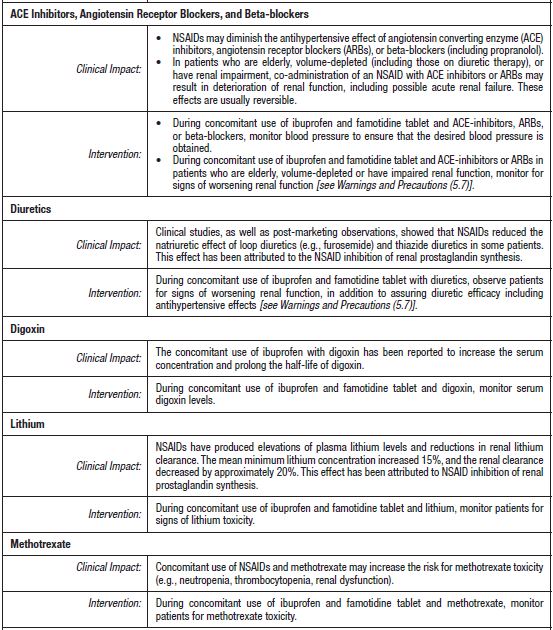
This text discusses the clinical impact and interventions related to the concomitant use of NSAIDs such as ibuprofen with various medications like ACE inhibitors, ARBs, beta-blockers, diuretics, digoxin, lithium, and methotrexate. It highlights potential interactions that may impact the efficacy or safety of these medications, especially in elderly, volume-depleted patients or those with impaired renal function. Monitoring blood pressure, renal function, drug levels, and signs of toxicity are essential when combining these medications to ensure proper management and avoid adverse effects.*
FDA Label Image

Table 3.3 (Table 3.3)

Table 3.3 (Table 3.3)
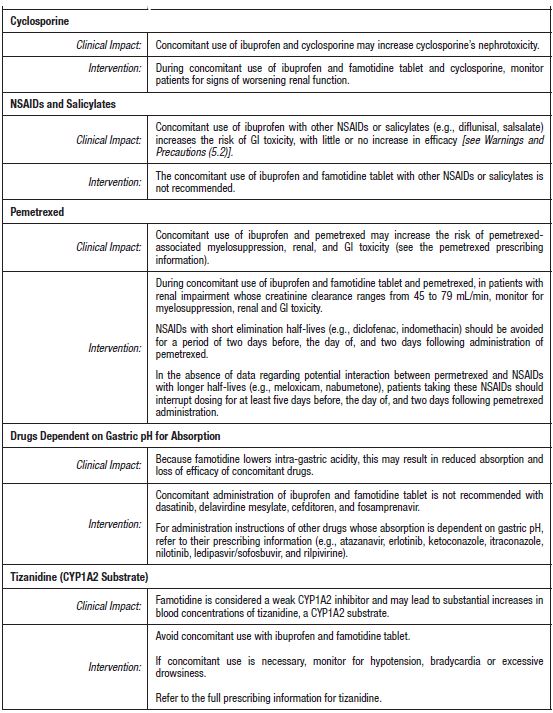
This is a description of drug interactions involving Cyclosporine, NSAIDs, Salicylates, Pemetrexed, Drugs Dependent on Gastric pH for Absorption, and Tizanidine. It provides clinical impacts, interventions, and precautions to be taken in case of concomitant use of these drugs. It focuses on monitoring renal function, avoiding certain combinations, and potential risks such as nephrotoxicity and myelosuppression. The text emphasizes the importance of monitoring patients for signs of worsening renal function, toxicity, and drug absorption issues related to gastric pH levels. It also warns about the risk of increased blood concentrations of Tizanidine when used with specific medication combinations.*
FDA Label Image

Tab4 (Table 4)

Tab4 (Table 4)
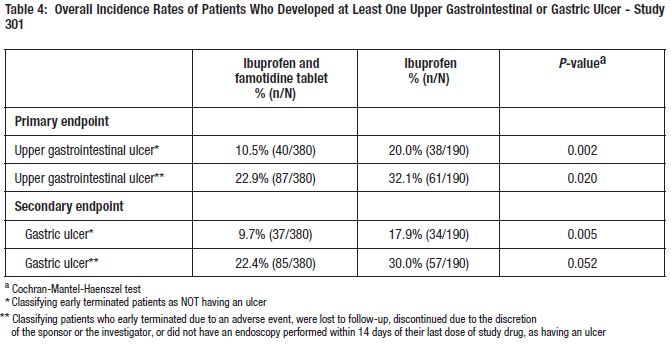
The text includes a table displaying the overall incidence rates of patients who developed at least one upper gastrointestinal or gastric ulcer from a study involving the comparison of two medications, Tbuprofen and Thuprofen, along with famotidine tablets. The data presented includes percentages of patients experiencing different types of ulcers as primary and secondary endpoints. The study uses statistical analysis with the Coohran-MantelHoensze test to compare the medications' effects. This information is valuable for understanding the potential ulcer risks associated with these medications.*
FDA Label Image

Tab5 (Table 5)

Tab5 (Table 5)
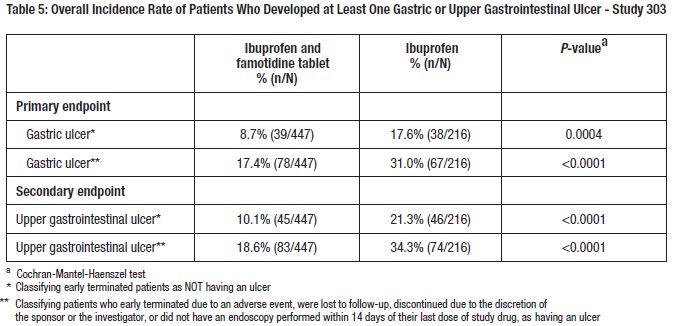
This table provides an overview of the incidence rate of patients who developed at least one gastric or upper gastrointestinal ulcer in Study 303. It includes data on the percentage of patients with ulcers for both Ibuprofen and Ibuprofen Pvalue® famotidine tablets. The primary endpoint shows the occurrence of gastric ulcers, while the secondary endpoint focuses on upper gastrointestinal ulcers. The table indicates significant differences in ulcer development between the two treatments based on P-values. The study also explains how patients were classified, including those who prematurely terminated the study or did not have an endoscopy within 14 days of their last dose of the study drug.*

* These product label images have been analyzed using experimental machine learning. Please verify findings with the primary label text.