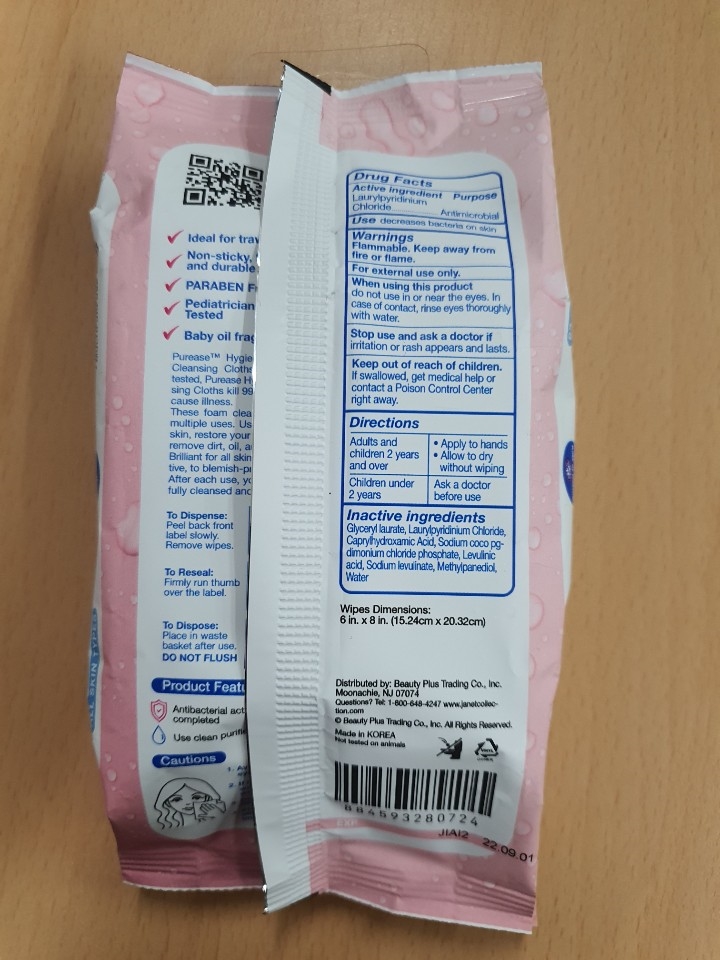
Purease Hygienic Facial Skin Cleansing Cloths
Product Images NDC 80503-201

View Photos of Packaging, Regulatory Labels, and Product Appearance

Product Visual Gallery

This gallery contains 3 technical images submitted to the FDA as part of the official labeling for Purease Hygienic Facial Skin Cleansing Cloths (NDC 80503-201). Unlike standard consumer photos, these assets often include clinical data figures, molecular chemical structures, and official manufacturer packaging layouts.

As provided by Eunhye Tissue, these visuals offer a comprehensive scientific overview of the product's physical and chemical identity, aiding pharmacists and researchers in product verification and study.

FDA Label Image

55g Ndc: 80503-201-01 Label 1 (Purease Hygienic Facial Skin Cleansing Cloths Label 1)
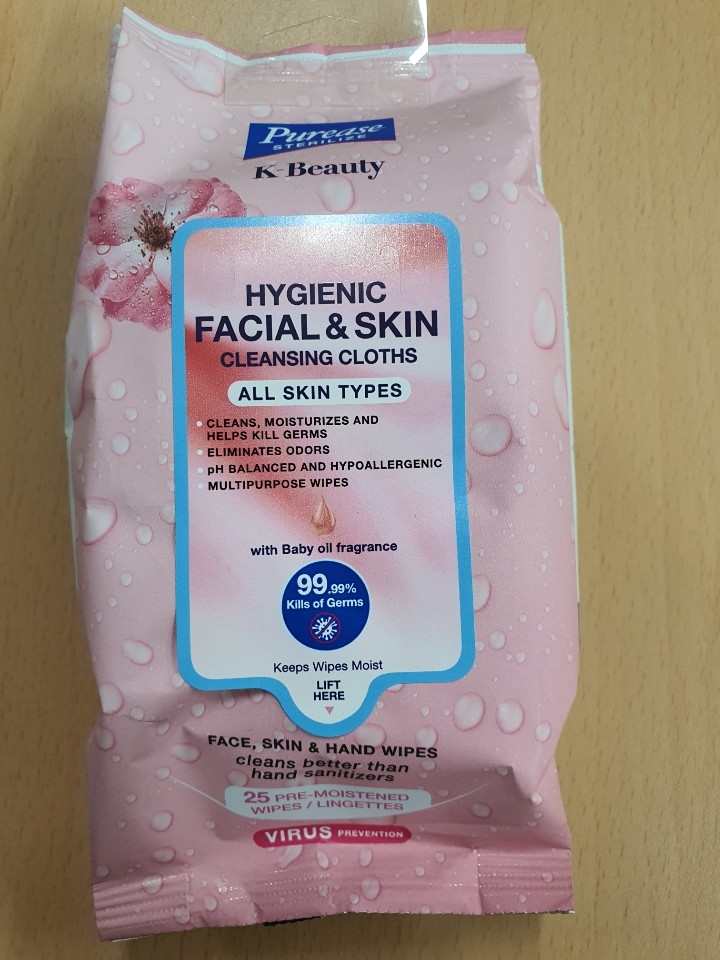
55g Ndc: 80503-201-01 Label 1 (Purease Hygienic Facial Skin Cleansing Cloths Label 1)
The text describes a product of hygienic wipes which moisturizes, eliminates germs and odors, and is pH balanced and hypoallergenic. It has a scent of baby oil and kills 99.9% of germs. The package contains 25 pre-moistened wipes.*
FDA Label Image

55g Ndc: 80503-201-01 Label 2 (Purease Hygienic Facial Skin Cleansing Cloths Label 2)

55g Ndc: 80503-201-01 Label 2 (Purease Hygienic Facial Skin Cleansing Cloths Label 2)
Description not available.*
FDA Label Image

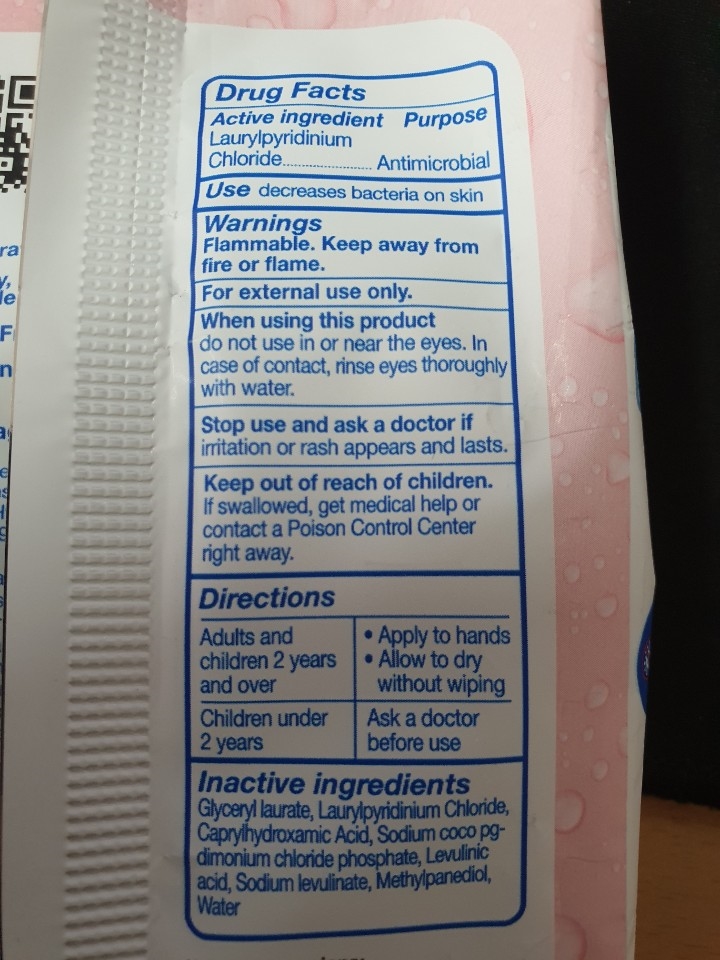
55g Ndc: 80503-201-01 Label 3 (Purease Hygienic Facial Skin Cleansing Cloths Label 3)

55g Ndc: 80503-201-01 Label 3 (Purease Hygienic Facial Skin Cleansing Cloths Label 3)
This text appears to be a drug fact label for a product containing an active ingredient called "Purp0S Laurylpyridinium Chloride" that is an antimicrobial agent. The label warns that the product is flammable and should be kept away from fire or flame. It is intended for external use only and should not be used near the eyes. If contact does occur, rinse the eyes with water. If irritation or rash occurs and persists, it is suggested to stop using the product and consult a doctor.*

* These product label images have been analyzed using experimental machine learning. Please verify findings with the primary label text.