Other
Risk of Serious Disorders
Alpha interferons, including PEGASYS (peginterferon alfa-2a), may cause or aggravate fatal or life-threatening neuropsychiatric, autoimmune, ischemic, and infectious disorders. Patients should be monitored closely with periodic clinical and laboratory evaluations. Therapy should be withdrawn in patients with persistently severe or worsening signs or symptoms of these conditions. In many, but not all cases, these disorders resolve after stopping PEGASYS therapy [see Warnings and Precautions (5.2, 5.5, 5.8, 5.11, 5.14, 5.16), Adverse Reactions (6.1) and Nonclinical Toxicology (13.1)].
Adult Patients: PEGASYS, as part of a combination regimen with other hepatitis C virus (HCV) antiviral drugs, is indicated for the treatment of adults with CHC and compensated liver disease. For information about the safe and effective use of other HCV antiviral drugs to be used in combination with PEGASYS, refer to their prescribing information. PEGASYS monotherapy is only indicated for the treatment of patients with CHC and compensated liver disease if there are contraindications or significant intolerance to other HCV antiviral drugs.
Pediatric Patients: PEGASYS in combination with ribavirin is indicated for the treatment of pediatric patients 5 years of age and older with CHC and compensated liver disease.
Limitations of Use:
- PEGASYS alone or in combination with ribavirin without additional HCV antiviral drugs is not recommended for treatment of patients with CHC who previously failed therapy with an interferon-alfa.
- PEGASYS is not recommended for treatment of patients with CHC who have had solid organ transplantation [see Use in Specific Populations (8.8)] .
- Delay or hold dosage until ANC is more than 750 cells/mm 3 then resume dosage at 135 mcg/1.73 m 2 × BSA
- Assess three times weekly to verify ANC more than 750 cells/mm 3
- Modify dosage to 135 mcg/1.73 m 2 × BSA.
- Monitor weekly, reduce dosage further if necessary, until stable or ALT level decreases.
- Modify dosage to 135 mcg/1.73 m 2 × BSA.
- Monitor weekly ALT level to ensure it is stable or decreasing
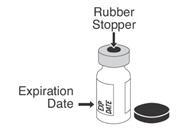
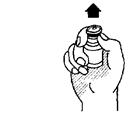
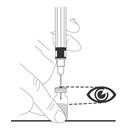
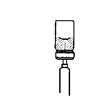
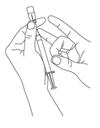
- Vial: warm the refrigerated medicine by gently rolling in the palms of the hands for about one minute.
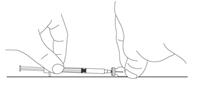
- Pre-filled syringe: lay the syringe on a flat clean surface and wait a few minutes until it reaches room temperature. If condensation water is observed on the outside of the syringe, wait another few minutes until it disappears.
Adult Patients: PEGASYS is indicated for the treatment of adults with HBeAg-positive and HBeAg-negative CHB infection who have compensated liver disease and evidence of viral replication and liver inflammation.
Pediatric Patients: PEGASYS is indicated for the treatment of HBeAg-positive CHB in non-cirrhotic pediatric patients 3 years of age and older with evidence of viral replication and elevations in serum alanine aminotransferase (ALT).
Dosage in Adults with CHC without HIV Coinfection
Table 1 displays the recommended dosage and duration of PEGASYS and other HCV antiviral drugs in adults with CHC (without HIV coinfection) based on HCV genotype.
For treatment of HCV genotype 1 with PEGASYS in combination with ribavirin or alone, discontinuation of treatment is recommended if at least a 2 log 10 reduction from baseline in HCV RNA has not been demonstrated by 12 weeks of therapy or if undetectable HCV RNA has not been achieved after 24 weeks of therapy [see Clinical Studies (14)] . Refer to the prescribing information for specific HCV antiviral drugs used in combination with PEGASYS for information on stopping therapy based on treatment response.
Immediately discontinue PEGASYS for hepatic decompensation (Child-Pugh score greater than 6 [class B and C]).
| Hepatitis C Virus Genotype | PEGASYS Dosage | PEGASYS Duration |
|---|---|---|
| Genotypes 1, 4
If PEGASYS and ribavirin are used without other HCV antiviral drugs the recommended duration of therapy is 48 weeks. | 180 mcg subcutaneous injection in thigh or abdomen once weekly | Refer to the prescribing information of HCV antiviral drugs. |
| Genotypes 2, 3
If PEGASYS and ribavirin are used without other HCV antiviral drugs the recommended duration of therapy is 24 weeks. | ||
| Genotypes 5, 6 | There are insufficient data for dosage recommendations | |
If PEGASYS monotherapy is used for treatment of CHC, the recommended PEGASYS dosage is 180 mcg via subcutaneous injection in thigh or abdomen once weekly for 48 weeks.
Dosage in Adults with CHC with HIV Coinfection
The recommended PEGASYS dosage in adults with CHC and HIV coinfection is 180 mcg subcutaneously once weekly in the thigh or abdomen. If PEGASYS is used in combination with other antiviral drugs, refer to the prescribing information of the other HCV antiviral drugs for the recommended dosage of the other HCV antiviral drugs and duration of the entire treatment regimen (including PEGASYS). If PEGASYS and ribavirin are used without other HCV antiviral drugs, the recommended duration of therapy is 48 weeks (regardless of HCV genotype).
PEGASYS Dosage Modifications Due to Adverse Reactions, Neutropenia or Thrombocytopenia in Adults
Table 2 displays the recommended PEGASYS dosage modifications due to adverse reactions, or due to neutropenia, or thrombocytopenia in adults. Following improvement of the adverse reaction, neutropenia or thrombocytopenia, consider re-escalation of the dosage back to the previous dosage [see Warnings and Precautions (5) and Adverse Reactions (6)].
| Laboratory Values | Recommended PEGASYS Dosage |
|---|---|
| ANC = absolute neutrophil count | |
| Neutropenia | |
| ANC 500 to less than 750 cells/mm 3 | Reduce to 135 mcg subcutaneously once weekly |
| ANC less than 500 cells/mm 3 | Discontinue treatment until ANC values return to more than 1000 cells/mm 3. Reinstitute at 90 mcg subcutaneously once weekly and monitor ANC. |
| Thrombocytopenia | |
| Platelet 25,000 to less than 50,000 cells/mm 3 | Reduce to 90 mcg subcutaneously once weekly |
| Platelet less than 25,000 cells/mm 3 | Discontinue treatment |
PEGASYS Dosage Modifications Due to ALT Elevation in Adults
If ALT increases are progressive despite dose reduction or accompanied by increased bilirubin or evidence of hepatic decompensation, therapy should be immediately discontinued. In CHC patients with progressive ALT increases above baseline values, the dosage of PEGASYS should be reduced to 135 mcg and more frequent monitoring of liver function should be performed. After PEGASYS dosage reduction or withholding, therapy can be resumed after ALT flares subside.
In CHB patients with elevations in ALT (greater than 5 × ULN), more frequent monitoring of liver function should be performed and consideration should be given to either reducing the dosage of PEGASYS to 135 mcg or temporarily discontinuing treatment. After PEGASYS dosage reduction or withholding, therapy can be resumed after ALT flares subside.
In adult patients with persistent, severe (ALT greater than 10 times above the upper limit of normal) hepatitis B flares, consideration should be given to discontinuation of treatment.
PEGASYS Dosage Modifications Due to Depression in Adults and in Pediatric Patients
Table 3 displays the recommended PEGASYS dosage modifications in adult and pediatric patients who develop interferon-related depression or whose underlying depression worsens. Table 3 also includes recommended frequency of psychiatric visits.
| Depression Severity | Initial Depression Management
(4-8 weeks) | Depression Management After 8 Weeks | |||
|---|---|---|---|---|---|
| Dosage Modification | Visit Schedule | Depression Severity Remains Stable | Depression Severity Improves | Depression Severity Worsens | |
| Mild | No change | Evaluate once weekly by visit and/or phone | Continue weekly visit schedule | Resume normal visit schedule | Consider psychiatric consultation. Discontinue PEGASYS or reduce dosage to 135 mcg in adults (135 mcg/1.73 m 2 × BSA for pediatric patients) or 90 mcg once weekly for adults (90 mcg/1.73 m 2 × BSA for pediatric patients) |
| Moderate | Decrease PEGASYS dosage to 135 mcg in adults (135 mcg/1.73 m 2 × BSA for pediatric patients) or 90 mcg in adults (90 mcg/1.73 m 2 × BSA for pediatric patients) once weekly | Evaluate once weekly (office visit at least every other week) | Consider psychiatric consultation. Continue reduced dosing | If symptoms improve and are stable for 4 weeks, may resume normal visit schedule. Continue reduced dosage or return to normal dosage | Obtain immediate psychiatric consultation Discontinue PEGASYS permanently. |
| Severe | Discontinue PEGASYS permanently | Obtain immediate psychiatric consultation | Psychiatric therapy necessary | ||
PEGASYS Dosage Modifications Due to Adverse Reactions or Laboratory Abnormalities in Pediatric Patients
Table 4 displays the recommended PEGASYS dosage modifications due to adverse reactions, neutropenia, thrombocytopenia, or elevated ALT in pediatric patients.
| Laboratory Abnormality | Recommended PEGASYS Dosage Modification | ||
|---|---|---|---|
| CHC | CHB | ||
| ANC = absolute neutrophil count | |||
| Neutropenia | ANC 750-999 cells/mm 3 | Week 1-2: immediate modification to 135 mcg/1.73 m
2 × BSA
Week 3-48: no modification. | No dosage modification. |
| ANC 500-749 cells/mm 3 | Week 1-2:
Week 3-48: immediate modification to 135 mcg/1.73 m 2 × BSA. | Immediate modification to 135 mcg/1.73 m 2 × BSA. | |
| ANC 250-499 cells/mm 3 | Week 1-2: Delay or hold dosage until ANC is more than 750 cells/mm
3 then resume dose at 90 mcg/1.73 m
2 × BSA;
Week 3-48: Delay or hold dosage until ANC is more than 750 cells/mm 3 then resume dosage at 135 mcg/1.73 m 2 × BSA. | Interrupt dosing until ANC is more than or equal to 1000 cells/mm 3, then resume dose with 90 mcg/1.73 m 2 × BSA and monitor. | |
| ANC less than 250 cells/mm 3 (or febrile neutropenia): | Discontinue treatment. | Discontinue treatment. | |
| Thrombocytopenia | Platelet 25,000 to less than 50,000 cells/mm 3 | Reduce dosage to 90 mcg/1.73 m 2 × BSA. | Reduce dosage to 90 mcg/1.73 m 2 × BSA. |
| Platelet less than 25,000 cells/mm 3 | Discontinue treatment. | Discontinue treatment. | |
| Increased alanine transaminase (ALT) | For persistent or increasing elevations more than or equal to 5 but less than 10 × ULN | ||
| For persistent ALT values more than or equal to 10 × ULN | Discontinue treatment. | Discontinue treatment. | |
PEGASYS Dosage Modifications for Adults with Renal Impairment
Prior to administering PEGASYS, evaluate renal function. Table 5 displays the recommended dosage modifications for adults with creatinine clearance less than 30 mL/minute, including patients with end-stage renal disease requiring hemodialysis [see Use in Specific Populations (8.7) and Clinical Pharmacology (12.3)]. Refer to the respective prescribing information of other HCV antiviral drugs regarding use in patients with renal impairment.
| Creatinine Clearance | Recommended PEGASYS Dosage |
|---|---|
| 30 to 50 mL/minute | 180 mcg once weekly |
| Less than 30 mL/minute including patients on hemodialysis | 135 mcg once weekly |
| Less than 30 mL/minute including patients on hemodialysis
If severe adverse reactions or laboratory abnormalities develop, PEGASYS dose can be reduced to 90 mcg once weekly until adverse reactions abate. If intolerance persists after dosage adjustment, PEGASYS should be discontinued. | 135 mcg once weekly |
PEGASYS Dosage Modifications for Pediatric Patients with Renal Impairment:
Dosage recommendations for pediatric patients with renal impairment are not available.
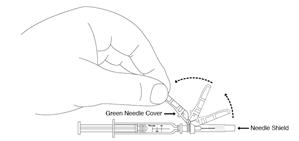
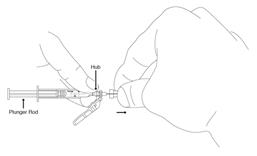
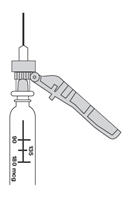
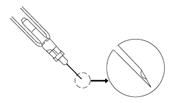
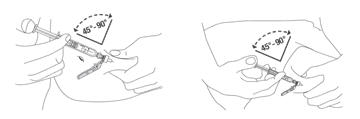
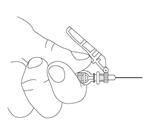
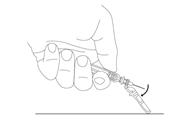
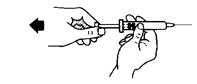
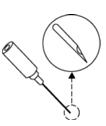
Preparation and administration in adults: After proper training in subcutaneous injection, a patient may subcutaneously self-inject with PEGASYS if a healthcare provider determines that it is appropriate [see Instructions for Use] . Visually inspect PEGASYS for particulate matter and discoloration before administration (do not use if particulate matter is visible or product is discolored). Use a sterile needle and syringe to withdraw and administer PEGASYS.
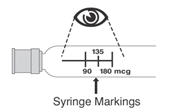
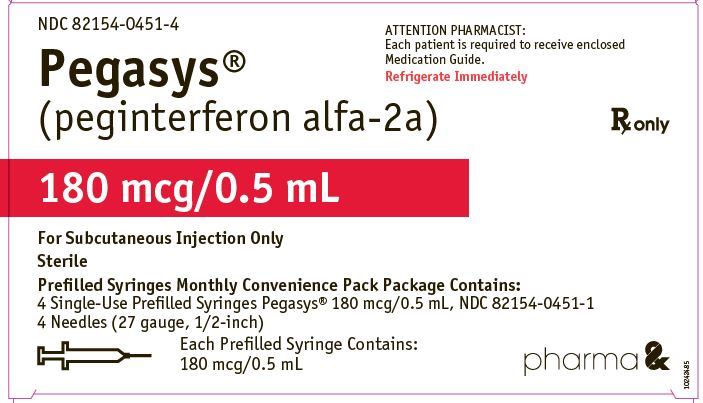
Table 6 displays the recommended volume of PEGASYS to be administered for the single-dose vial and prefilled syringe presentations for the different dosages recommendations (i.e., 180, 135, or 90 mcg once weekly). Discard the unused portion of PEGASYS in single-use vials or prefilled syringes in excess of the labeled volume.
| Recommended PEGASYS Dosage | PEGASYS Dosage Forms | |
|---|---|---|
| 180 mcg/mL in a vial | 180 mcg/0.5 mL in a prefilled syringe
Syringe marked at 90 mcg, 135 mcg, and 180 mcg graduations | |
| 180 mcg | Use entire 1 mL | Use entire 0.5 mL |
| 135 mcg | Use 0.75 mL | Use 0.375 mL |
| 90 mcg | Use 0.5 mL | Use 0.25 mL |
Preparation and administration in pediatric patients: Use the 180 mcg/ml vial to prepare pediatric dose. Use a sterile needle and syringe to withdraw and administer PEGASYS. The recommended volume of PEGASYS for pediatric dosing is based on the dosage (180 mcg/1.73 m 2 × BSA). It should be drawn from the 180 mcg/mL vial using a 1 mL tuberculin syringe.
Chronic Hepatitis C
Adult Subjects
In all hepatitis C studies, one or more serious adverse reactions occurred in 10% of CHC monoinfected subjects and in 19% of CHC/HIV subjects receiving PEGASYS alone or in combination with COPEGUS. The most common serious adverse reactions (3% in CHC and 5% in CHC/HIV) was bacterial infection (e.g., sepsis, osteomyelitis, endocarditis, pyelonephritis, pneumonia). Other SAEs occurred at a frequency of less than 1% and included: suicide, suicidal ideation, aggression, anxiety, drug abuse and drug overdose, angina, hepatic dysfunction, fatty liver, cholangitis, arrhythmia, diabetes mellitus, autoimmune phenomena (e.g., hyperthyroidism, hypothyroidism, sarcoidosis, systemic lupus erythematosus, rheumatoid arthritis), peripheral neuropathy, aplastic anemia, peptic ulcer, gastrointestinal bleeding, pancreatitis, colitis, corneal ulcer, pulmonary embolism, coma, myositis, cerebral hemorrhage, thrombotic thrombocytopenic purpura, psychotic disorder, and hallucination.
In clinical trials, 98 to 99 percent of subjects experienced one or more adverse reactions. For hepatitis C subjects, the most commonly reported adverse reactions were psychiatric reactions, including depression, insomnia, irritability, anxiety, and flu-like symptoms such as fatigue, pyrexia, myalgia, headache, and rigors. Other common reactions were anorexia, nausea and vomiting, diarrhea, arthralgias, injection site reactions, alopecia, and pruritus. Table 7 displays pooled rates of adverse reactions occurring in greater than 5% of subjects in the PEGASYS monotherapy and PEGASYS/COPEGUS combination therapy clinical trials.
Overall 11% of CHC monoinfected subjects receiving 48 weeks of therapy with PEGASYS either alone or in combination with COPEGUS discontinued therapy; 16% of CHC/HIV coinfected subjects discontinued therapy. The most common reasons for discontinuation of therapy were psychiatric, flu-like syndrome (e.g., lethargy, fatigue, headache), dermatologic and gastrointestinal disorders, and laboratory abnormalities (thrombocytopenia, neutropenia, and anemia).
Overall 39% of subjects with CHC or CHC/HIV required modification of PEGASYS and/or COPEGUS therapy. The most common reasons for dose modification of PEGASYS in CHC and CHC/HIV subjects was for neutropenia (20% and 27%, respectively) and thrombocytopenia (4% and 6%, respectively). The most common reason for dose modification of COPEGUS in CHC and CHC/HIV subjects was anemia (22% and 16%, respectively). PEGASYS dose was reduced in 12% of subjects receiving 1000 mg to 1200 mg COPEGUS for 48 weeks and in 7% of subjects receiving 800 mg COPEGUS for 24 weeks. COPEGUS dose was reduced in 21% of subjects receiving 1000 mg to 1200 mg COPEGUS for 48 weeks and in 12% of subjects receiving 800 mg COPEGUS for 24 weeks.
Chronic hepatitis C monoinfected subjects treated for 24 weeks with PEGASYS and 800 mg COPEGUS were observed to have lower incidence of serious adverse reactions (3% vs. 10%), Hgb less than 10 g/dL (3% vs. 15%), dose modification of PEGASYS (30% vs. 36%) and COPEGUS (19% vs. 38%) and of withdrawal from treatment (5% vs. 15%) compared to subjects treated for 48 weeks with PEGASYS and 1000 mg or 1200 mg COPEGUS. The overall incidence of adverse reactions appeared to be similar in the two treatment groups.
| CHC Monotherapy
(Pooled Studies 1-3) | CHC Combination Therapy
(Study 4) | |||
|---|---|---|---|---|
| Body System | PEGASYS
180 mcg 48 week Pooled studies 1, 2, and 3 | ROFERON-A Either 3 MIU
An induction dose of 6 million international units (MIU) three times a week for the first 12 weeks followed by 3 million international units three times a week for 36 weeks given subcutaneously. or 6/3 MIU48 week | PEGASYS 180 mcg + 1000 mg or 1200 mg COPEGUS
48 week Study 4 | Intron
® A + 1000 mg or 1200 mg Rebetol
® 48 week |
| N=559 | N=554 | N=451 | N=443 | |
| % | % | % | % | |
| Application Site Disorders | ||||
| Injection site reaction | 22 | 18 | 23 | 16 |
| Endocrine Disorders | ||||
| Hypothyroidism | 3 | 2 | 4 | 5 |
| Flu-like Symptoms and Signs | ||||
| Fatigue/Asthenia | 56 | 57 | 65 | 68 |
| Pyrexia | 37 | 41 | 41 | 55 |
| Rigors | 35 | 44 | 25 | 37 |
| Pain | 11 | 12 | 10 | 9 |
| Gastrointestinal | ||||
| Nausea/Vomiting | 24 | 33 | 25 | 29 |
| Diarrhea | 16 | 16 | 11 | 10 |
| Abdominal pain | 15 | 15 | 8 | 9 |
| Dry mouth | 6 | 3 | 4 | 7 |
| Dyspepsia | <1 | 1 | 6 | 5 |
| Hematologic Severe hematologic abnormalities (lymphocyte less than 500 cells/mm 3; hemoglobin less than 10 g/dL; neutrophil less than 750 cells/mm 3; platelet less than 50,000 cells/mm 3). | ||||
| Lymphopenia | 3 | 5 | 14 | 12 |
| Anemia | 2 | 1 | 11 | 11 |
| Neutropenia | 21 | 8 | 27 | 8 |
| Thrombocytopenia | 5 | 2 | 5 | <1 |
| Metabolic and Nutritional | ||||
| Anorexia | 17 | 17 | 24 | 26 |
| Weight decrease | 4 | 3 | 10 | 10 |
| Musculoskeletal, Connective Tissue and Bone | ||||
| Myalgia | 37 | 38 | 40 | 49 |
| Arthralgia | 28 | 29 | 22 | 23 |
| Back pain | 9 | 10 | 5 | 5 |
| Neurological | ||||
| Headache | 54 | 58 | 43 | 49 |
| Dizziness (excluding vertigo) | 16 | 12 | 14 | 14 |
| Memory impairment | 5 | 4 | 6 | 5 |
Resistance Mechanism Disorders | ||||
| Overall | 10 | 6 | 12 | 10 |
| Psychiatric | ||||
| Irritability/Anxiety/Nervousness | 19 | 22 | 33 | 38 |
| Insomnia | 19 | 23 | 30 | 37 |
| Depression | 18 | 19 | 20 | 28 |
| Concentration impairment | 8 | 10 | 10 | 13 |
| Mood alteration | 3 | 2 | 5 | 6 |
| Respiratory, Thoracic and Mediastinal | ||||
| Dyspnea | 4 | 2 | 13 | 14 |
| Cough | 4 | 3 | 10 | 7 |
| Dyspnea exertional | <1 | <1 | 4 | 7 |
| Skin and Subcutaneous Tissue | ||||
| Alopecia | 23 | 30 | 28 | 33 |
| Pruritus | 12 | 8 | 19 | 18 |
| Dermatitis | 8 | 3 | 16 | 13 |
| Dry skin | 4 | 3 | 10 | 13 |
| Rash | 5 | 4 | 8 | 5 |
| Sweating increased | 6 | 7 | 6 | 5 |
| Eczema | 1 | 1 | 5 | 4 |
| Visual Disorders | ||||
| Vision blurred | 4 | 2 | 5 | 2 |
Pediatric Subjects
In a clinical trial with 114 pediatric subjects (5 to 17 years of age) treated with PEGASYS alone or in combination with COPEGUS, dose modifications were required in approximately one-third of subjects, most commonly for neutropenia and anemia. In general, the safety profile observed in pediatric subjects was similar to that seen in adults. In the pediatric study, the most prevalent adverse events in subjects treated with combination therapy for up to 48 weeks with PEGASYS and COPEGUS were influenza-like illness (91%), upper respiratory tract infection (60%), headache (64%), gastrointestinal disorder (56%), skin disorder (47%), and injection-site reaction (45%). Seven subjects receiving combination PEGASYS and COPEGUS treatment for 48 weeks discontinued therapy for safety reasons (depression, psychiatric evaluation abnormal, transient blindness, retinal exudates, hyperglycemia, type 1 diabetes mellitus, and anemia). Most of the adverse events reported in the study were mild or moderate in severity. Severe adverse events were reported in 2 subjects in the PEGASYS plus COPEGUS combination therapy group (hyperglycemia and cholecystectomy).
| Study NV17424 | ||
|---|---|---|
| System Organ Class | PEGASYS 180 mcg/1.73 m
2 × BSA + COPEGUS 15 mg/kg
(N=55) | PEGASYS 180 mcg/1.73 m
2 × BSA + Placebo
Subjects in the PEGASYS plus placebo arm who did not achieve undetectable viral load at week 24 switched to combination treatment thereafter. Therefore, only the first 24 weeks are presented for the comparison of combination therapy with monotherapy. (N=59) |
| % | % | |
| General disorders and administration site conditions | ||
| Influenza like illness | 91 | 81 |
| Injection site reaction | 44 | 42 |
| Fatigue | 25 | 20 |
| Irritability | 24 | 14 |
| Gastrointestinal disorders | ||
| Gastrointestinal disorder | 49 | 44 |
| Nervous system disorders | ||
| Headache | 51 | 39 |
| Skin and subcutaneous tissue disorders | ||
| Rash | 15 | 10 |
| Pruritus | 11 | 12 |
| Musculoskeletal, connective tissue and bone disorders | ||
| Musculoskeletal pain | 35 | 29 |
| Psychiatric disorders | ||
| Insomnia | 9 | 12 |
| Metabolism and nutrition disorders | ||
| Decreased appetite | 11 | 14 |
In pediatric subjects randomized to combination therapy, the incidence of most adverse reactions were similar for the entire treatment period (up to 48 weeks plus 24 weeks follow-up) in comparison to the first 24 weeks, and increased only slightly for headache, gastrointestinal disorder, irritability and rash. The majority of adverse reactions occurred in the first 24 weeks of treatment.
Growth inhibition in CHC pediatric subjects [see Warnings and Precautions (5.15)] .
Pediatric subjects treated with PEGASYS plus ribavirin combination therapy showed a delay in weight and height increases up to 48 weeks of therapy compared with baseline. Both weight and height for age z-scores as well as the percentiles of the normative population for subject weight and height decreased during treatment. At the end of 2 years follow-up after treatment, most subjects had returned to baseline normative curve percentiles for weight (64 th mean percentile at baseline, 60 th mean percentile at 2 years post-treatment) and height (54 th mean percentile at baseline, 56 th mean percentile at 2 years post-treatment). At the end of treatment, 43% (23 of 53) of subjects experienced a weight percentile decrease of more than 15 percentiles, and 25% (13 of 53) experienced a height percentile decrease of more than 15 percentiles on the normative growth curves. At 2 years post-treatment, 16% (6 of 38) of subjects were more than 15 percentiles below their baseline weight curve and 11% (4 of 38) were more than 15 percentiles below their baseline height curve.
Thirty-eight of the 114 subjects enrolled in the long-term follow-up study extending up to 6 years post-treatment. For most subjects, post-treatment recovery in growth at 2 years post-treatment was maintained to 6 years post-treatment.
CHC with HIV Coinfection (Adults)
The adverse reaction profile of coinfected subjects treated with PEGASYS/COPEGUS in Study 7 was generally similar to that shown for monoinfected subjects in Study 4 ( Table 7). Events occurring more frequently in coinfected subjects were neutropenia (40%), anemia (14%), thrombocytopenia (8%), weight decrease (16%), and mood alteration (9%).
Chronic Hepatitis B
Adult Subjects
In clinical trials of 48 week treatment duration, the adverse reaction profile of PEGASYS in CHB was similar to that seen in CHC PEGASYS monotherapy use, except for exacerbations of hepatitis [see Warnings and Precautions (5.9)] . Six percent of PEGASYS-treated subjects in the hepatitis B studies experienced one or more serious adverse reactions.
The most common or important serious adverse reactions, all of which occurred at a frequency of less than or equal to 1%, in the hepatitis B studies were infections (sepsis, appendicitis, tuberculosis, influenza), hepatitis B flares, and thrombotic thrombocytopenic purpura.
One serious adverse reaction of anaphylactic shock occurred in a dose ranging study of 191 subjects in a subject taking a higher than the approved dose of PEGASYS.
The most commonly observed adverse reactions in the PEGASYS and lamivudine groups, respectively, were pyrexia (54% vs. 4%), headache (27% vs. 9%), fatigue (24% vs. 10%), myalgia (26% vs. 4%), alopecia (18% vs. 2%), and anorexia (16% vs. 3%).
Overall 5% of hepatitis B subjects discontinued PEGASYS therapy and 40% of subjects required modification of PEGASYS dose. The most common reason for dose modification in subjects receiving PEGASYS therapy was for laboratory abnormalities including neutropenia (20%), thrombocytopenia (13%), and ALT elevation (11%).
Pediatric Subjects
In a clinical trial with 111 subjects 3 to 17 years of age treated with PEGASYS for 48 weeks, the safety profile was consistent with that seen in adults with CHB and in pediatric subjects with CHC. The most commonly observed adverse reactions in PEGASYS-treated patients were pyrexia (51%), headache (21%), abdominal pain (17%), cough (15%), vomiting (15%), influenza-like illness (14%), alanine aminotransferase increased (10%), aspartate aminotransferase increased (10%), rash (10%), asthenia (9.0%), epistaxis (9.0%), nausea (9.0%), fatigue (8%), upper respiratory tract infection (8%), alopecia (6%), decreased appetite (6%), dizziness (6%), and nasopharyngitis (6%).
Growth inhibition in CHB pediatric subjects [see Warnings and Precautions (5.15)] .
The mean changes from baseline in z-scores for height and weight for age were -0.07 and -0.21 for PEGASYS-treated subjects at Week 48. Comparable findings were observed in untreated patients at Week 48 (changes in z-scores for height and weight for age were -0.01 and -0.08, respectively). At Week 48 of PEGASYS treatment, a height or weight decrease of more than 15 percentiles on the normative growth curves was observed in 6% of subjects for height and 11% of subjects for weight. At 24 weeks after the end of PEGASYS treatment the percentage of subjects with decrease of more than 15 percentiles from baseline were 12% for height and 12% for weight. No data are available on longer term follow-up post-treatment in these subjects.
Laboratory Values
Adult Subjects
The laboratory test values observed in the hepatitis B trials (except where noted below) were similar to those seen in the PEGASYS monotherapy CHC trials.
Neutrophils
In the hepatitis C studies, decreases in neutrophil count below normal were observed in 95% of all subjects treated with PEGASYS either alone or in combination with COPEGUS. Severe potentially life-threatening neutropenia (ANC less than 500 cells/mm 3) occurred in 5% of CHC subjects and 12% of CHC/HIV subjects receiving PEGASYS either alone or in combination with COPEGUS. Modification of PEGASYS dose for neutropenia occurred in 17% of subjects receiving PEGASYS monotherapy and 22% of subjects receiving PEGASYS/COPEGUS combination therapy. In the CHC/HIV subjects 27% required modification of interferon dosage for neutropenia. Two percent of subjects with CHC and 10% of subjects with CHC/HIV required permanent reductions of PEGASYS dosage and less than 1% required permanent discontinuation. Median neutrophil counts return to pre-treatment levels 4 weeks after cessation of therapy [see Dosage and Administration (2.6)].
Lymphocytes
Decreases in lymphocyte count are induced by interferon alpha therapy. PEGASYS plus COPEGUS combination therapy induced decreases in median total lymphocyte counts (56% in CHC and 40% in CHC/HIV, with median decrease of 1170 cells/mm 3 in CHC and 800 cells/mm 3 in CHC/HIV). In the hepatitis C studies, lymphopenia was observed during both monotherapy (81%) and combination therapy with PEGASYS and COPEGUS (91%). Severe lymphopenia (less than 500 cells/mm 3) occurred in approximately 5% of all monotherapy subjects and 14% of all combination PEGASYS and COPEGUS therapy recipients. Dose adjustments were not required by protocol. The clinical significance of the lymphopenia is not known.
In CHC with HIV coinfection, CD4 counts decreased by 29% from baseline (median decrease of 137 cells/mm 3) and CD8 counts decreased by 44% from baseline (median decrease of 389 cells/mm 3) in the PEGASYS plus COPEGUS combination therapy arm. Median lymphocyte CD4 and CD8 counts return to pre-treatment levels after 4 to 12 weeks of the cessation of therapy. CD4% did not decrease during treatment.
Platelets
In the hepatitis C studies, platelet counts decreased in 52% of CHC subjects and 51% of CHC/HIV subjects treated with PEGASYS alone (respectively median decrease of 41% and 35% from baseline), and in 33% of CHC subjects and 47% of CHC/HIV subjects receiving combination therapy with COPEGUS (median decrease of 30% from baseline). Moderate to severe thrombocytopenia (less than 50,000 cells/mm 3) was observed in 4% of CHC and 8% of CHC/HIV subjects. Median platelet counts return to pre-treatment levels 4 weeks after the cessation of therapy.
Hemoglobin
In the hepatitis C studies, the hemoglobin concentration decreased below 12 g/dL in 17% (median Hgb reduction of 2.2 g/dL) of monotherapy and 52% (median Hgb reduction of 3.7 g/dL) of combination therapy subjects. Severe anemia (Hgb less than 10 g/dL) was encountered in 13% of all subjects receiving combination therapy and in 2% of CHC subjects and 8% of CHC/HIV subjects receiving PEGASYS monotherapy. Dose modification for anemia in COPEGUS recipients treated for 48 weeks occurred in 22% of CHC subjects and 16% of CHC/HIV subjects [see Dosage and Administration (2.6)].
Triglycerides
Triglyceride levels are elevated in subjects receiving alfa interferon therapy and were elevated in the majority of subjects participating in clinical studies receiving either PEGASYS alone or in combination with COPEGUS. Random levels greater than or equal to 400 mg/dL were observed in about 20% of CHC subjects. Severe elevations of triglycerides (greater than 1000 mg/dL) occurred in 2% of CHC monoinfected subjects.
In HCV/HIV coinfected subjects, fasting levels greater than or equal to 400 mg/dL were observed in up to 36% of subjects receiving either PEGASYS alone or in combination with COPEGUS. Severe elevations of triglycerides (greater than 1000 mg/dL) occurred in 7% of coinfected subjects.
ALT Elevations
Chronic Hepatitis C
One percent of subjects in the hepatitis C trials experienced marked elevations (5- to 10-fold above the upper limit of normal) in ALT levels during treatment and follow-up. These transaminase elevations were on occasion associated with hyperbilirubinemia and were managed by dose reduction or discontinuation of study treatment. Liver function test abnormalities were generally transient. One case was attributed to autoimmune hepatitis, which persisted beyond study medication discontinuation [see Dosage and Administration (2.6)].
Chronic Hepatitis B
Transient ALT elevations are common during hepatitis B therapy with PEGASYS. Twenty-five percent and 27% of subjects experienced elevations of 5 to 10 × ULN and 12% and 18% had elevations of greater than 10 × ULN during treatment of HBeAg negative and HBeAg positive disease, respectively. Flares have been accompanied by elevations of total bilirubin and alkaline phosphatase and less commonly with prolongation of PT and reduced albumin levels. Eleven percent of subjects had dose modifications due to ALT flares and less than 1% of subjects were withdrawn from treatment [see Warnings and Precautions (5.9) and Dosage and Administration (2.6)].
ALT flares of 5 to 10 × ULN occurred in 13% and 16% of subjects, while ALT flares of greater than 10 × ULN occurred in 7% and 12% of subjects in HBeAg-negative and HBeAg-positive disease, respectively, after discontinuation of PEGASYS therapy.
Thyroid Function
PEGASYS alone or in combination with COPEGUS was associated with the development of abnormalities in thyroid laboratory values, some with associated clinical manifestations. In the hepatitis C studies, hypothyroidism or hyperthyroidism requiring treatment, dose modification or discontinuation occurred in 4% and 1% of PEGASYS treated subjects and 4% and 2% of PEGASYS and COPEGUS treated subjects, respectively. Approximately half of the subjects, who developed thyroid abnormalities during PEGASYS treatment, still had abnormalities during the follow-up period [see Warnings and Precautions (5.6)] .
Pediatric Subjects
Decreases in hemoglobin, neutrophils and platelets may require dose reduction or permanent discontinuation from treatment in pediatric subjects [see Dosage and Administration (2.3, 2.5, 2.6)] . Most laboratory abnormalities noted during the CHC clinical trial ( Table 9) returned to baseline levels shortly after completion of treatment.
| Laboratory Parameter | PEGASYS 180 mcg/1.73 m
2 × BSA + COPEGUS 15 mg/kg
(N=55) | PEGASYS 180 mcg/1.73 m
2 × BSA + Placebo
Subjects in the PEGASYS plus placebo arm who did not achieve undetectable viral load at week 24 switched to combination treatment thereafter. Therefore, only the first 24 weeks are presented for the comparison of combination therapy with monotherapy. (N=59) |
|---|---|---|
| Neutrophils (cells/mm 3) | ||
| 1,000 - <1,500 | 31% | 39% |
| 750 - <1,000 | 27% | 17% |
| 500 - <750 | 25% | 15% |
| <500 | 7% | 5% |
| Platelets (cells/mm 3) | ||
| 75,000 - <100,000 | 4% | 2% |
| 50,000 - <75,000 | 0% | 2% |
| < 50,000 | 0% | 0% |
| Hemoglobin (g/dL) | ||
| 8.5-<10 | 7% | 3% |
| <8.5 | 0% | 0% |
In patients randomized to combination therapy, the incidence of abnormalities during the entire treatment phase (up to 48 weeks plus 24 weeks follow-up) in comparison to the first 24 weeks increased slightly for neutrophils between 500 and 1,000 cells/mm 3 and hemoglobin values between 8.5 and 10 g/dL. The majority of hematologic abnormalities occurred in the first 24 weeks of treatment.
The hematologic laboratory abnormalities observed in the CHB pediatric trial were similar to those observed in the CHC pediatric trial.
Chronic Hepatitis C
Nine percent (71/834) of subjects treated with PEGASYS with or without COPEGUS developed binding antibodies to interferon alfa-2a, as assessed by an ELISA assay. Three percent of subjects (25/835) receiving PEGASYS with or without COPEGUS, developed low-titer neutralizing antibodies (using an assay with a sensitivity of 100 INU/mL).
Chronic Hepatitis B
Twenty-nine percent (42/143) of hepatitis B subjects treated with PEGASYS for 24 weeks developed binding antibodies to interferon alfa-2a, as assessed by an ELISA assay. Thirteen percent of subjects (19/143) receiving PEGASYS developed low-titer neutralizing antibodies (using an assay with a sensitivity of 100 INU/mL).
The clinical and pathological significance of the appearance of serum neutralizing antibodies is unknown. No apparent correlation of antibody development to clinical response or adverse events was observed. The percentage of subjects whose test results were considered positive for antibodies is highly dependent on the sensitivity and specificity of the assays.
NRTIs
In Study 7 among the CHC/HIV coinfected cirrhotic subjects receiving NRTIs cases of hepatic decompensation (some fatal) were observed [see Warnings and Precautions (5.9)] .
Patients receiving PEGASYS/ribavirin in combination with other HCV antiviral drugs and NRTIs should be closely monitored for treatment associated toxicities. Physicians should refer to prescribing information for other HCV antiviral drugs and the respective NRTIs for guidance regarding toxicity management. In addition, dose reduction or discontinuation of PEGASYS, ribavirin or both, should also be considered if worsening toxicities are observed [see Warnings and Precautions (5.3, 5.9) and Dosage and Administration (2.6)] .
Zidovudine
In Study 7, subjects who were administered zidovudine in combination with PEGASYS/COPEGUS developed severe neutropenia (ANC less than 500 cells/mm 3) and severe anemia (hemoglobin less than 8 g/dL) more frequently than similar subjects not receiving zidovudine (neutropenia 15% vs. 9%) (anemia 5% vs. 1%). Discontinuation of zidovudine should be considered as medically appropriate. Dose reduction or discontinuation of PEGASYS, ribavirin or both should also be considered if worsening clinical toxicities are observed, including hepatic decompensation (e.g., Child-Pugh greater than 6).
Refer to the prescribing information for specific HCV antiviral drugs used in combination with PEGASYS for information on drug interaction potential.
Pregnancy Exposure Registry – Use with Ribavirin
A Ribavirin Pregnancy Registry has been established to monitor maternal and fetal outcomes of pregnancies of female patients and female partners of male patients exposed to ribavirin during pregnancy or who become pregnant within 6 months following cessation of treatment with ribavirin. Healthcare providers and patients are encouraged to report such cases by calling 1-800-593-2214.
Risk Summary
There are no adequate and well-controlled studies of PEGASYS in pregnant women to inform a drug-associated risk. Based on animal reproduction studies, PEGASYS can cause fetal harm and should be assumed to have abortifacient potential. Non-pegylated interferon alfa-2a treatment caused abortion when given to pregnant rhesus monkeys (see Data). The background risk of major birth defects and miscarriage in the indicated population is 3% and 4-22%, respectively. In the U.S. general population, the estimated background risk for major birth defects and miscarriage in the clinically recognized pregnancies is 2-4% and 15-20%, respectively.
PEGASYS combination treatment with ribavirin is contraindicated in women who are pregnant and in the male partners of women who are pregnant [see Contraindications (4), Warnings and Precautions (5.1), and ribavirin labeling] . Significant teratogenic and/or embryocidal effects have been demonstrated in all animal species exposed to ribavirin [see ribavirin labeling].
Data
Animal Data – Groups of 8 or 9 pregnant rhesus monkeys were given non-pegylated interferon alfa-2a by daily intramuscular injection over days 22 to 70 of gestation at doses of 1, 5 and 25 million IU/day. Two, 3 and 6 monkeys aborted in the low, mid and high dose groups compared with 1 in the control group. Maternal toxicity, characterized by transient body weight loss, was seen at all dose levels. There were too few remaining pregnancies to assess teratogenic potential but no developmental abnormalities were observed in surviving fetuses.
Pregnancy Testing
Females of reproductive potential must undergo pregnancy testing before initiation of treatment with PEGASYS or with PEGASYS in combination with ribavirin or with other HCV drugs [see Warnings and Precautions (5.17)] .
Females of reproductive potential receiving PEGASYS in combination with ribavirin must have a routine pregnancy test performed monthly during treatment and for at least 6 months following treatment. Female partners of male patients receiving PEGASYS in combination with ribavirin must have a routine pregnancy test performed monthly during treatment and for at least 6 months posttherapy [see Warnings and Precautions (5.17), ribavirin prescribing information] .
Contraception
Females
Because of the abortifacient potential of PEGASYS, females of reproductive potential should be advised to use effective contraception during therapy [see Warnings and Precautions (5.17)] . However, when receiving PEGASYS in combination with ribavirin, women of reproductive potential and their partners must use effective contraception during treatment and for at least 6 months after the last dose [see ribavirin prescribing information].
Infertility
Females
Based on its mechanism of action and studies in female monkeys, PEGASYS can cause disruption of the menstrual cycle [see Nonclinical Toxicology (13.1)] . No female fertility study has been performed.
Specific Populations
Gender and Age
PEGASYS administration yielded similar pharmacokinetics in male and female healthy subjects. The AUC was increased from 1295 to 1663 ng∙h/mL in subjects older than 62 years taking 180 mcg PEGASYS, but peak concentrations were similar (9 vs. 10 ng/mL) in those older and younger than 62 years.
Pediatric Patients
In a population pharmacokinetics study, 14 children 2 to 8 years of age with CHC received PEGASYS based on their body surface area (BSA of the child × 180 mcg/1.73 m 2). The clearance of PEGASYS in children was nearly 4-fold lower compared to the clearance reported in adults.
Steady-state trough levels in children with the BSA-adjusted dosing were similar to trough levels observed in adults with 180 mcg fixed dosing. Time to reach the steady state in children is approximately 12 weeks, whereas in adults, steady state is reached within 5 to 8 weeks. In these children receiving the BSA adjusted dose, the mean exposure (AUC) during the dosing interval is predicted to be 25% to 70% higher than that observed in adults receiving 180 mcg fixed dosing.
Based on the population pharmacokinetic model including data from 30 pediatric CHB patients who received the BSA based dosing regimen [see Dosage and Administration (2.5)] , AUC values in pediatric CHB patients were comparable with that observed in adults receiving 180 mcg dosing.
Renal Impairment
A clinical trial evaluated 50 CHC subjects with either moderate (creatinine clearance 30 to 50 mL/min) or severe (creatinine clearance less than 30 mL/min) renal impairment or end stage renal disease (ESRD) requiring chronic hemodialysis (HD). Subjects with moderate renal impairment receiving PEGASYS 180 mcg once weekly dose exhibited similar peginterferon alfa-2a plasma exposures compared to subjects with normal renal function (creatinine clearance greater than 80 mL/min) receiving the standard dose of PEGASYS. No PEGASYS dose adjustment is required for patients with mild or moderate renal impairment [see Dosage and Administration (2.6) and Use in Specific Populations (8.7)] .
For subjects with severe renal impairment, peginterferon alfa-2a apparent clearance was 43% lower as compared to subjects with normal renal function. A reduced dose of 135 mcg once weekly PEGASYS is recommended in patients with severe renal impairment. This dose may result in 30% higher peginterferon alfa-2a exposure compared to that of the recommended dose for patients with normal renal function. Signs and symptoms of interferon toxicity should be closely monitored in patients with severe renal impairment and the dose reduced to 90 mcg once weekly as appropriate [see Dosage and Administration (2.6) and Use in Specific Populations (8.7)] .
In 18 subjects with ESRD receiving chronic HD, PEGASYS was administered at a dose of 135 mcg once weekly. The apparent clearance of peginterferon alfa-2a was similar between subjects with ESRD and subjects with normal renal function. Despite a lower exposure to peginterferon alfa-2a with the 135 mcg dose, subjects with ESRD had a high rate of adverse events and discontinuations of PEGASYS in the trial. Therefore, a dose of 135 mcg once weekly should be used for patients with ESRD on HD. However, the potential for reduced efficacy and increased interferon toxicity in patients with ESRD receiving chronic HD should be closely monitored. The dose may be reduced to 90 mcg once weekly as appropriate [see Dosage and Administration (2.6) and Use in Specific Populations (8.7)] .
Mechanism of Action
The biological activity of PEGASYS is derived from its recombinant human interferon α-2a moiety. Peginterferon α-2a binds to the human type 1 interferon receptor leading to receptor dimerization. Receptor dimerization activates multiple intracellular signal transduction pathways initially mediated by the JAK/STAT pathway. Given the diversity of cell types that respond to interferon α-2a, and the multiplicity of potential intracellular responses to interferon receptor activation, peginterferon α-2a is expected to have pleiotropic biological effects in the body.
Activity against HCV
Antiviral Activity in Cell Culture
In the stable HCV cell culture model system (HCV replicon), peginterferon α-2a inhibited HCV RNA replication, with an EC 50 value of 0.1-3 ng/mL. The combination of peginterferon α-2a and ribavirin was more effective at inhibiting HCV RNA replication than either agent alone.
Resistance
Different HCV genotypes display considerable clinical variability in their response to peginterferon-α and ribavirin therapy. Viral genetic determinants associated with the variable response have not been definitively identified.
Cross-resistance
Cross-resistance between interferon-α and ribavirin has not been observed.
Host Factors Affecting Response
Polymorphisms in the IL28B gene have been shown to impact the response to peginterferon α-2a. Determining the IL28B genotype should be considered.
Activity against HBV
Antiviral Activity in Cell Culture and Animal Model
The antiviral activity of interferon α-2a (standard and pegylated) has been demonstrated using an HBV cell culture system and a mouse model. In human hepatoma cells (HepG2 and Huh7) transiently transfected with HBV, interferon α-2a (parent compound of PEGASYS) at a 1,000 IU/mL dose was active against all 4 major HBV genotypes (A, B, C and D) with a more pronounced effect on genotypes A and B isolates versus genotypes C and D isolates (after 3 days post-transfection, approximately 2 log 10 copies/mL versus approximately 1 log 10 copies/mL reduction in HBV DNA levels). In mice with HBV infection established by hydrodynamic injection of HBV DNA, peginterferon α-2a at a 3 µg/kg dose was active against all 4 major HBV genotypes with a more pronounced effect on genotypes A and B isolates versus genotypes C and D isolates (approximately 2 log 10 copies/mL versus approximately 1 log 10 copies/mL reduction in HBV DNA levels after 3 and 7 days post-infection).
Resistance
Differences in the clinical response to interferon-based therapy have been observed depending on HBV genotype. Although efficacy was demonstrated in all HBV genotypes, genotypes A and B were associated with greater efficacy responses than genotypes C and D (the lowest response being observed with genotype D). In addition, HBV gene mutations may affect interferon therapy response such as viral mutations in the precore (PC) and basal core promoter (BCP) regions.
Cross-resistance
Cross-resistance between interferon α and direct-acting HBV antiviral drugs is unlikely.
Carcinogenesis
PEGASYS has not been tested for its carcinogenic potential.
Use with other HCV antiviral drugs: Refer to the prescribing information for specific antiviral drugs used in combination with PEGASYS for additional warnings
Mutagenesis
PEGASYS did not cause DNA damage when tested in the Ames bacterial mutagenicity assay and in the in vitro chromosomal aberration assay in human lymphocytes, either in the presence or absence of metabolic activation.
Use with other HCV antiviral drugs: Refer to the prescribing information for specific HCV antiviral drugs used in combination with PEGASYS for additional warnings.
Impairment of Fertility
PEGASYS may impair fertility in women. Prolonged menstrual cycles and/or amenorrhea were observed in female cynomolgus monkeys given subcutaneous injections of 600 mcg/kg/dose (7200 mcg/m 2/dose) of PEGASYS every other day for one month, at approximately 180 times the recommended weekly human dose for a 60 kg person (based on body surface area). Menstrual cycle irregularities were accompanied by both a decrease and delay in the peak 17β-estradiol and progesterone levels following administration of PEGASYS to female monkeys. A return to normal menstrual rhythm followed cessation of treatment. Every other day dosing with 100 mcg/kg (1200 mcg/m 2) PEGASYS (equivalent to approximately 30 times the recommended human dose) had no effects on cycle duration or reproductive hormone status.
The effects of PEGASYS on male fertility have not been studied. However, no adverse effects on fertility were observed in male Rhesus monkeys treated with non-pegylated interferon alfa-2a for 5 months at doses up to 25 × 10 6 IU/kg/day.
Use with other HCV antiviral drugs: Refer to the prescribing information for specific HCV antiviral drugs used in combination with PEGASYS for additional warnings.
Adult Patients
The safety and effectiveness of PEGASYS in combination with COPEGUS for the treatment of hepatitis C virus infection were assessed in two randomized controlled clinical trials. All subjects were adults, had compensated liver disease, detectable hepatitis C virus, liver biopsy diagnosis of chronic hepatitis, and were previously untreated with interferon. Approximately 20% of subjects in both studies had compensated cirrhosis (Child-Pugh class A). Subjects coinfected with HIV were excluded from these studies.
In Study 1, subjects were randomized to receive either PEGASYS 180 mcg subcutaneous once weekly with an oral placebo, PEGASYS 180 mcg once weekly with COPEGUS 1000 mg by mouth (body weight less than 75 kg) or 1200 mg by mouth (body weight greater than or equal to 75 kg) or Rebetron ® (interferon alfa-2b 3 MIU subcutaneous three times a week plus ribavirin 1000 mg or 1200 mg by mouth). All subjects received 48 weeks of therapy followed by 24 weeks of treatment-free follow-up. COPEGUS or placebo treatment assignment was blinded. Sustained virological response was defined as undetectable (less than 50 IU/mL) HCV RNA on or after study week 68. PEGASYS in combination with COPEGUS resulted in a higher SVR compared to PEGASYS alone or interferon alfa-2b and ribavirin ( Table 10). In all treatment arms, subjects with viral genotype 1, regardless of viral load, had a lower response rate.
| Interferon alfa-2b + Ribavirin 1000 mg or 1200 mg | PEGASYS + Placebo | PEGASYS + COPEGUS 1000 mg or 1200 mg | |
|---|---|---|---|
| All subjects | 197/444 (44%)
Difference in overall treatment response (PEGASYS/COPEGUS – Interferon alfa-2b/ribavirin) was 9% (95% CI 2.3, 15.3). | 65/224 (29%) | 241/453 (53%)
|
| Genotype 1 | 103/285 (36%) | 29/145 (20%) | 132/298 (44%) |
| Genotypes 2-6 | 94/159 (59%) | 36/79 (46%) | 109/155 (70%) |
In Study 2 (see Table 11), all subjects received PEGASYS 180 mcg subcutaneous once weekly and were randomized to treatment for either 24 or 48 weeks and to a COPEGUS dose of either 800 mg or 1000 mg/1200 mg (for body weight less than 75 kg/greater than or equal to 75 kg). Assignment to the four treatment arms was stratified by viral genotype and baseline HCV viral titer. Subjects with genotype 1 and high viral titer (defined as greater than 2 × 10 6 HCV RNA copies/mL serum) were preferentially assigned to treatment for 48 weeks.
HCV Genotypes
HCV 1 and 4 – Irrespective of baseline viral titer, treatment for 48 weeks with PEGASYS and 1000 mg or 1200 mg of COPEGUS resulted in higher SVR (defined as undetectable HCV RNA at the end of the 24-week treatment-free follow-up period) compared to shorter treatment (24 weeks) and/or 800 mg COPEGUS.
HCV 2 and 3 – Irrespective of baseline viral titer, treatment for 24 weeks with PEGASYS and 800 mg of COPEGUS resulted in a similar SVR compared to longer treatment (48 weeks) and/or 1000 mg or 1200 mg of COPEGUS (see Table 11).
The numbers of subjects with genotype 5 and 6 were too few to allow meaningful assessment.
| 24 Weeks Treatment | 48 Weeks Treatment | |||
|---|---|---|---|---|
| PEGASYS + COPEGUS 800 mg
(N=207) | PEGASYS + COPEGUS 1000 mg or 1200 mg
1000 mg for body weight less than 75 kg; 1200 mg for body weight greater than or equal to 75 kg. (N=280) | PEGASYS + COPEGUS 800 mg
(N=361) | PEGASYS + COPEGUS 1000 mg or 1200 mg
(N=436) | |
| Genotype 1 | 29/101 (29%) | 48/118 (41%) | 99/250 (40%) | 138/271 (51%) |
| Genotypes 2, 3 | 79/96 (82%) | 116/144 (81%) | 75/99 (76%) | 117/153 (76%) |
| Genotype 4 | 0/5 (0%) | 7/12 (58%) | 5/8 (63%) | 9/11 (82%) |
Other Treatment Response Predictors
Treatment response rates are lower in subjects with poor prognostic factors receiving pegylated interferon alpha therapy. In studies 1 and 2, treatment response rates were lower in subjects older than 40 years (50% vs. 66%), in subjects with cirrhosis (47% vs. 59%), in subjects weighing over 85 kg (49% vs. 60%), and in subjects with genotype 1 with high vs. low viral load (43% vs. 56%). African-American subjects had lower response rates compared to Caucasians.
Paired liver biopsies were performed on approximately 20% of subjects in studies 4 and 5. Modest reductions in inflammation compared to baseline were seen in all treatment groups.
In studies 1 and 2, lack of early virologic response by 12 weeks (defined as HCV RNA undetectable or greater than 2 log 10 lower than baseline) was grounds for discontinuation of treatment. Of subjects who lacked an early viral response by 12 weeks and completed a recommended course of therapy despite a protocol-defined option to discontinue therapy, 5/39 (13%) achieved an SVR. Of subjects who lacked an early viral response by 24 weeks, 19 completed a full course of therapy and none achieved an SVR.
Pediatric Patients
Previously untreated pediatric subjects 5 through 17 years of age (55% less than 12 years old) with CHC, compensated liver disease and detectable HCV RNA were treated with COPEGUS approximately 15 mg/kg/day plus PEGASYS 180 mcg/1.73 m 2 × body surface area once weekly for 48 weeks. All subjects were followed for 24 weeks post-treatment. Sustained virological response (SVR) was defined as undetectable (less than 50 IU/mL) HCV RNA on or after study week 68. A total of 114 subjects were randomized to receive either combination treatment of COPEGUS plus PEGASYS or PEGASYS monotherapy; subjects failing PEGASYS monotherapy at 24 weeks or later could receive open-label COPEGUS plus PEGASYS. The initial randomized arms were balanced for demographic factors; 55 subjects received initial combination treatment of COPEGUS plus PEGASYS and 59 received PEGASYS plus placebo; in the overall intent-to-treat population, 45% were female, 80% were Caucasian, and 81% were infected with HCV genotype 1. The SVR results are summarized in Table 12.
| PEGASYS 180 mcg/1.73 m
2 × BSA + COPEGUS 15 mg/kg (N=55)
Results indicate undetectable HCV-RNA defined as HCV RNA less than 50 IU/mL at 24 weeks post-treatment using the AMPLICOR HCV test v2. | PEGASYS 180 mcg/1.73 m
2 × BSA + Placebo
(N=59) | |
|---|---|---|
| All HCV genotypes
Scheduled treatment duration was 48 weeks regardless of the genotype | 29 (53%) | 12 (20%) |
| HCV genotype 1 | 21/45 (47%) | 8/47 (17%) |
| HCV non-genotype 1
Includes HCV genotypes 2, 3 and others | 8/10 (80%) | 4/12 (33%) |
Adult Patients
The safety and effectiveness of PEGASYS for the treatment of CHB were assessed in controlled clinical trials in HBeAg-positive (Study 8) and HBeAg-negative (Study 9) subjects with CHB.
Subjects were randomized to PEGASYS 180 mcg subcutaneous once weekly, PEGASYS 180 mcg subcutaneous once weekly combined with lamivudine 100 mg once daily by mouth or lamivudine 100 mg once daily by mouth. All subjects received 48 weeks of their assigned therapy followed by 24 weeks of treatment-free follow-up. Assignment to receipt of PEGASYS or no PEGASYS was not masked.
All subjects were adults with compensated liver disease, had chronic hepatitis B virus (HBV) infection, and evidence of HBV replication (serum HBV greater than 500,000 copies/mL for Study 8 and greater than 100,000 copies/mL for Study 9) as measured by PCR (COBAS AMPLICOR ® HBV Assay). All subjects had serum alanine aminotransferase (ALT) between 1 and 10 times the upper limit of normal (ULN) and liver biopsy findings compatible with the diagnosis of chronic hepatitis.
The results observed in the PEGASYS and lamivudine monotherapy groups are shown in Table 15.
| Study 8
HBeAg positive | Study 9
HBeAg negative | |||||
|---|---|---|---|---|---|---|
| Lamivudine
N = 272 | PEGASYS
N = 271 | Lamivudine
N = 181 | PEGASYS
N = 177 | |||
| EOT
End of Treatment (week 48) | EOF
End of follow-up – 24 weeks post-treatment (week 72) | EOF
| EOT
| EOF
| EOF
| |
| HBeAg Seroconversion (%) | 20 | 19 | 32 | NA | NA | NA |
| HBV DNA Response (%)
Less than 100,000 copies/mL for HBeAg positive and less than 20,000 copies/mL for HBeAg negative subjects | 62 | 22 | 32 | 85 | 29 | 43 |
| ALT Normalization (%) | 62 | 28 | 41 | 73 | 44 | 59 |
| HBsAg Seroconversion (%) | 0 | 0 | 3 | 1 | 0 | 3 |
| N = 184 | N = 207 | N = 125 | N = 143 | |||
| Histological Improvement (%)
Greater than or equal to 2 point decrease in Ishak necro-inflammatory score from baseline with no worsening of the Ishak fibrosis score. Not all subjects provided both initial and end of follow-up biopsies (missing biopsy rates: 19% to 24% in the PEGASYS and 31% to 32% in the lamivudine arms) | ND | 40 | 41 | ND | 41 | 48 |
| Changes in Ishak fibrosis score compared to baseline (%): | ||||||
| - Improved
Change of 1 point or more in Ishak fibrosis score | ND | 32 | 25 | ND | 31 | 32 |
| - Unchanged | 20 | 25 | 23 | 30 | ||
| - Worsened
| 16 | 26 | 15 | 19 | ||
PEGASYS co-administered with lamivudine did not result in any additional sustained response when compared to PEGASYS monotherapy.
Conclusions regarding comparative efficacy of PEGASYS and lamivudine treatment based upon the end of follow-up results are limited by the different mechanisms of action of the two compounds. Most treatment effects of lamivudine are unlikely to persist 24 weeks after therapy is withdrawn.
Pediatric Patients
Study 10 was conducted in previously untreated pediatric subjects aged 3 to less than 18 years (51% < 12 years old) with HBeAg-positive CHB in the immune-active phase. Subjects with cirrhosis were not enrolled in this study. A total of 151 subjects without advanced fibrosis were randomized 2:1 to PEGASYS (group A, n=101) or untreated control (group B, n=50), respectively. Subjects with advanced fibrosis were assigned to PEGASYS treatment (group C, n=10). Subjects in groups A and C (n=111) were treated with PEGASYS once weekly for 48 weeks according to dosing regimen based on body surface area, whereas subjects in group B were observed for a period of 48 weeks (principal observation period). Subjects in group B had the choice to switch to treatment with PEGASYS after Week 48 of the principal observation period. All subjects were followed up for 24 weeks post-treatment (groups A and C), or post-principal observation period (group B). Response rates in groups A and B at the end of 24 weeks follow-up are presented in Table 16. Efficacy response in group C to PEGASYS treatment was similar to that seen in group A.
| Endpoints
Endpoints measured after 48 weeks treatment with PEGASYS or observation and 24 weeks follow-up. | Group A (PEGASYS treatment)
(N=101) | Group B (Untreated)
Subjects switched to PEGASYS treatment post-principal observation period and before Week 24 follow-up were counted as non-responders . (N=50) |
|---|---|---|
| HBeAg Seroconversion | 26%
Odds Ratio (95% CI) Group A vs Group B = 5.43 (1.54 - 19.20); | 6.0% |
| HBV DNA < 20,000 IU/mL
Similar to endpoint of HBV DNA < 10 5 copies/mL. COBAS AMPLICOR HBV MONITOR: HBV-DNA (IU/mL) = HBV-DNA (copies/mL) / 5.26) | 34% | 4.0% |
| HBV DNA < 2,000 IU/mL | 29% | 2.0% |
| ALT Normalization | 52% | 12.0% |
| HBsAg Seroconversion | 8% | 0.0% |
| Loss of HBsAg | 9% | 0.0% |
Disposal Instructions
If home use is prescribed, a puncture-resistant container for the disposal of used needles and syringes should be supplied to the patients. Patients should be thoroughly instructed in the importance of proper disposal and cautioned against any reuse of any needles and syringes. The full container should be disposed of according to the directions provided by the physician [see FDA-Approved Medication Guide] .
Pregnancy
Patients must be informed that ribavirin must not be used by women who are pregnant or by men whose female partners are pregnant. Ribavirin therapy should not be initiated until a report of a negative pregnancy test has been obtained immediately before starting therapy. Female patients of childbearing potential and male patients with female partners of childbearing potential must be advised of the teratogenic/embryocidal risks and must be instructed to practice effective contraception during ribavirin therapy and for 6 months post-therapy. Patients should be advised to notify the healthcare provider immediately in the event of a pregnancy [see Contraindications (4) and Warnings and Precautions (5.1)] .
Women of childbearing potential and men must use two forms of effective contraception during treatment and during the 6 months after treatment has been stopped; routine monthly pregnancy tests must be performed during this time [see Contraindications (4), Warnings and Precautions (5.1), Use in Specific Populations (8.1), and ribavirin prescribing information] .
To monitor maternal and fetal outcomes of pregnant women exposed to ribavirin, the Ribavirin Pregnancy Registry has been established. Patients should be encouraged to register by calling 1-800-593-2214.
Flu-like symptoms
Inform patients that flu-like symptoms are very common in patients taking PEGASYS. Symptoms may include tiredness, weakness, fever, chills, muscle aches, joint pain, and headaches. Inform patients that some of these symptoms may be decreased by injecting PEGASYS in the evening. Also inform patients which over-the-counter medicines can be taken to help prevent or decrease some of the symptoms.
Laboratory Evaluations and Hydration
Patients should be advised that laboratory evaluations are required before starting therapy and periodically thereafter [see Warnings and Precautions (5.17)] . Patients should be instructed to remain well hydrated, especially during the initial stages of treatment.
General Information
Patients should be questioned about prior history of drug abuse before initiating PEGASYS; as relapse of drug addiction and drug overdoses have been reported in patients treated with interferons.
Patients should be informed that it is not known if therapy with PEGASYS will prevent transmission of HBV infection to others or prevent cirrhosis, liver failure or liver cancer that might result from HBV infection.
Patients should be informed that the effect of treatment of hepatitis C infection on transmission is not known, and that appropriate precautions to prevent transmission of the hepatitis C virus during treatment or in the event of treatment failure should be taken.
Patients who develop dizziness, confusion, somnolence, and fatigue should be cautioned to avoid driving or operating machinery.
Patients should be advised to avoid drinking alcohol to reduce the chance of further injury to the liver.
Patients should not switch to another brand of interferon without consulting their healthcare provider.
Dosing Instructions
Patients should be advised to take their prescribed dose of PEGASYS on the same day and approximately same time each week. Patients should also be advised that if they miss a dose, but remember within 2 days, to take their missed dose as soon as they remember and then to take their next dose on the day they normally do. If they remember when more than 2 days have passed, patients should be advised to consult their healthcare provider. Patients should also be advised to consult their healthcare provider if the full dose is not received (e.g., leakage around the injection site).
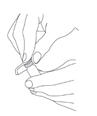
Patients must be instructed on the use of aseptic techniques when administering PEGASYS. Appropriate training for preparation using the vial and prefilled syringe must be given by a healthcare provider, including a careful review of the PEGASYS Medication Guide and Instructions for Use for the vial and prefilled syringe.
Patients should be instructed to allow the vial and prefilled syringe to come to room temperature and for condensation on the outside of the prefilled syringe to disappear before use. The following instructions should be given:
Patients should be advised not to shake the vial and prefilled syringe as foaming may occur.
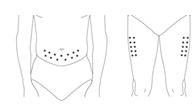
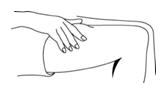
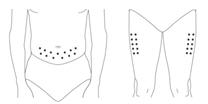
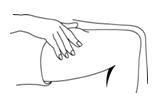
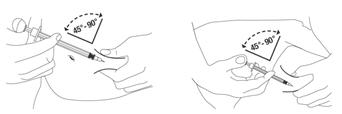
Patients should be advised to choose a different place on either the thigh or abdomen each time an injection is made.
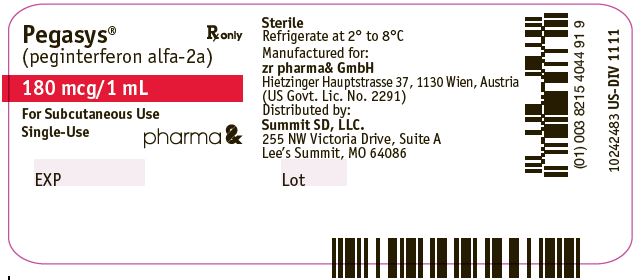
PEGASYS ® is a registered trademark of zr pharma& GmbH
Manufactured for:
zr pharma& GmbH
Hietzinger Hauptstrasse 37
1130 Wien
Austria
U.S. License No. 2291
Distributed by:
Summit SD, Inc.
255 Northwest Victoria Drive, Suite A
Lee's Summit, MO 64086
© 2022 zr pharma& GmbH, All rights reserved.