Adjuvant Treatment of Colon Cancer
Single Agent
The recommended dosage of capecitabine tablets is 1,250 mg/m
2orally twice daily for the first 14 days of each 21-day cycle for a maximum of 8 cycles.
In Combination with Oxaliplatin-Containing Regimens
The recommended dosage of capecitabine tablets is 1,000 mg/m
2orally twice daily for the first 14 days of each 21-day cycle for a maximum of 8 cycles in combination with oxaliplatin 130 mg/m
2administered intravenously on day 1 of each cycle.
Refer to the oxaliplatin prescribing information for additional dosing information as appropriate.
Perioperative Treatment of Rectal Cancer
The recommended dosage of capecitabine tablets are 825 mg/m
2orally twice daily when administered with concomitant radiation therapy and 1,250 mg/m
2orally twice daily when administered without radiation therapy as part of a peri-operative combination regimen.
Unresectable or Metastatic Colorectal Cancer
Single Agent
The recommended dosage of capecitabine tablets is 1,250 mg/m
2orally twice daily for the first 14 days of a 21-day cycle until disease progression or unacceptable toxicity.
In Combination with Oxaliplatin
The recommended dosage of capecitabine tablets is 1,000 mg/m
2orally twice daily for the first 14 days of each 21-day cycle until disease progression or unacceptable toxicity in combination with oxaliplatin 130 mg/m
2administered intravenously on day 1 of each cycle.
Refer to the Prescribing Information for oxaliplatin for additional dosing information as appropriate.
Advanced or Metastatic Breast Cancer
Single Agent
The recommended dosage of capecitabine tablets is 1,000 mg/m
2or 1,250 mg/m
2orally twice daily for the first 14 days of a 21-day cycle until disease progression or unacceptable toxicity. Individualize the dose and dosing schedule of capecitabine tablets based on patient risk factors and adverse reactions.
In Combination with Docetaxel
The recommended dosage of capecitabine tablets is 1,000 mg/m
2or 1,250 mg/m
2orally twice daily for the first 14 days of a 21-day cycle until disease progression or unacceptable toxicity in combination with docetaxel 75 mg/m
2administered intravenously on day 1 of each cycle.
Refer to the Prescribing Information for docetaxel for additional dosing information as appropriate.
Hyperbilirubinemia
Patients with Grade 3-4 hyperbilirubinemia may resume treatment once the event is Grade 2 or less (less than three times the upper limit of normal), using the percent of current dose as shown in column 3 of
Table 1[see
Warnings and Precautions (5.10)].
Adjuvant Treatment of Colon Cancer
Single Agent
The safety of Capecitabine as a single agent was evaluated in patients with Stage III colon cancer in X-ACT
[see
Clinical Studies (14.1)]
. Patients received Capecitabine 1,250 mg/m
2orally twice daily for the first 14 days of a 21-day cycle (N=995) or leucovorin 20 mg/m
2intravenously followed by fluorouracil 425 mg/m
2as an intravenous bolus on days 1 to 5 of each 28-day cycle (N=974). Among patients who received Capecitabine, the median duration of treatment was 5.4 months.
Deaths due to all causes occurred in 0.8% of patients who received Capecitabine on study or within 28 days of receiving study drug. Permanent discontinuation due to an adverse reaction occurred in 11% of patients who received Capecitabine.
Most common adverse reactions (>30%) were palmar-plantar erythrodysesthesia syndrome, diarrhea, and nausea.
Tables 2and
3summarize the adverse reactions and laboratory abnormalities in X-ACT.
Table 2 Adverse Reactions (≥10%) in Patients Who Received Capecitabine for Adjuvant Treatment of Colon Cancer in X-ACT| Adverse Reaction | Capecitabine
(N=995)
| Fluorouracil + Leucovorin
(N=974)
|
|---|
| All Grades
(%)
| Grade 3 or
4
(%)
| All Grades
(%)
| Grade 3 or
4
(%)
|
|---|
Skin and Subcutaneous
Tissue
|
Palmar-plantar
erythrodysesthesia syndrome
| 60 | 17 | 9 | <1 |
| Gastrointestinal |
| Diarrhea | 47 | 12 | 65 | 14 |
| Nausea | 34 | 2 | 47 | 2 |
| Stomatitis | 22 | 2 | 60 | 14 |
| Vomiting | 15 | 2 | 21 | 2 |
| Abdominal pain | 14 | 3 | 16 | 2 |
| General |
| Fatigue | 16 | <1 | 16 | 1 |
| Asthenia | 10 | <1 | 10 | 1 |
| Lethargy | 10 | <1 | 9 | <1 |
Clinically relevant adverse reactions in <10% of patients are presented below:
Eye:conjunctivitis
Gastrointestinal:constipation, upper abdominal pain, dyspepsia
General:pyrexia
Metabolism and Nutrition:anorexia
Nervous System:dizziness, dysgeusia, headache
Skin & Subcutaneous Tissue:rash, alopecia, erythema
Table 3 Grade 3 or 4 Laboratory Abnormalities (>1%) in Patients Who Received Capecitabine as a Single Agent for Adjuvant Treatment of Colon Cancer in X-ACT| Laboratory Abnormality | Capecitabine
(N=995)
| Fluorouracil +
Leucovorin(N=974)
|
|---|
| Grade 3 or 4 | Grade 3 or 4 |
|---|
| (%) | (%) |
|---|
| Bilirubin increased | 20 | 6 |
| Lymphocytes decreased | 13 | 13 |
| Neutrophils/granulocytes decreased | 2.4 | 26 |
| Calcium decreased | 2.3 | 2.2 |
| Neutrophils decreased | 2.2 | 26 |
| ALT increased | 1.6 | 0.6 |
| Calcium increased | 1.1 | 0.7 |
| Hemoglobin decreased | 1 | 1.2 |
| Platelets decreased | 1 | 0.7 |
In Combination with Oxaliplatin-Containing Regimens
The safety of Capecitabine for the perioperative treatment of adults with Stage III colon cancer as a component of a combination chemotherapy regimen was derived from published literature
[see
Clinical Studies (14.1)].
The safety of Capecitabine for the adjuvant treatment of patients with Stage III colon cancer as a component of a combination chemotherapy regimen was similar to those in patients treated with Capecitabine as a single agent, with the exception of an increased incidence of neurosensory toxicity.
Perioperative Treatment of Rectal Cancer
The safety of Capecitabine for the perioperative treatment of adults with locally advanced rectal cancer as a component of chemoradiotherapy was derived from published literature
[see
Clinical Studies (14.1)]
. The safety of Capecitabine for the perioperative treatment of adults with locally advanced rectal cancer as a component of chemoradiotherapy was similar to those in patients treated with Capecitabine as a single agent, with the exception of an increased incidence of diarrhea.
Metastatic Colorectal Cancer
Single Agent
The safety of Capecitabine as a single agent was evaluated in a pooled metastatic colorectal cancer population (Study SO14695 and Study SO14796)
[see
Clinical Studies (14.1)]
. Patients received Capecitabine 1,250 mg/m
2orally twice a day for the first 14 days of a 21-day cycle (N=596) or leucovorin 20 mg/m
2intravenously followed by fluorouracil 425 mg/m
2as an intravenous bolus on days 1 to 5 of each 28-day cycle (N=593). Among the patients who received Capecitabine, the median duration of treatment was 4.6 months.
Deaths due to all causes occurred in 8% of patients who received Capecitabine on study or within 28 days of receiving study drug. Permanent discontinuation due to an adverse reaction or intercurrent illness occurred in 13% of patients who received Capecitabine.
Most common adverse reactions (>30%) were anemia, diarrhea, palmar-plantar erythrodysesthesia syndrome, hyperbilirubinemia, nausea, fatigue, and abdominal pain.
Table 4shows the adverse reactions occurring in this pooled colorectal cancer population.
Table 4 Adverse Reactions (≥10%) in Patients Who Received Capecitabine in Pooled Metastatic Colorectal Cancer Population (Study SO14695 and Study SO14796)| Adverse Reaction | Capecitabine | Fluorouracil + Leucovorin |
|---|
| (N=596) | (N=593) |
|---|
All Grades
(%)
| Grade 3
(%)
| Grade 4
(%)
| All Grades
(%)
| Grade 3
(%)
| Grade 4
(%)
|
|---|
| Blood and Lymphatic System |
| Anemia | 80 | 2 | <1 | 79 | 1 | <1 |
| Neutropenia | 13 | 1 | 2 | 46 | 8 | 13 |
| Gastrointestinal |
| Diarrhea | 55 | 13 | 2 | 61 | 10 | 2 |
| Nausea | 43 | 4 | – | 51 | 3 | <1 |
| Abdominal pain | 35 | 9 | <1 | 31 | 5 | – |
| Vomiting | 27 | 4 | <1 | 30 | 4 | <1 |
| Stomatitis | 25 | 2 | <1 | 62 | 14 | 1 |
| Constipation | 14 | 1 | <1 | 17 | 1 | – |
| Gastrointestinal motility disorder | 10 | <1 | – | 7 | <1 | – |
| Oral discomfort | 10 | – | – | 10 | – | – |
| Skin and Subcutaneous Tissue |
| Palmar-plantar erythrodysesthesia syndrome | 54 | 17 | NA | 6 | 1 | NA |
| Dermatitis | 27 | 1 | – | 26 | 1 | – |
| Hepatobiliary |
| Hyperbilirubinemia | 48 | 18 | 5 | 17 | 3 | 3 |
| General |
| Fatigue
* | 42 | 4 | – | 46 | 4 | – |
| Pyrexia | 18 | 1 | – | 21 | 2 | – |
| Edema | 15 | 1 | – | 9 | 1 | – |
| Pain | 12 | 1 | – | 10 | 1 | – |
| Metabolism and Nutrition |
| Decreased appetite | 26 | 3 | <1 | 31 | 2 | <1 |
| Respiratory Thoracic and Mediastinal |
| Dyspnea | 14 | 1 | – | 10 | <1 | 1 |
| Eye |
| Eye irritation | 13 | – | – | 10 | <1 | – |
| Nervous System |
| Peripheral sensory neuropathy | 10 | – | – | 4 | – | – |
| Headache | 10 | 1 | – | 7 | – | – |
| Musculoskeletal |
| Back pain | 10 | 2 | – | 9 | <1 | – |
– Not observed
*Includes weakness
NA = Not Applicable
Clinically relevant adverse reactions in <10% of patients are presented below:
Eye:abnormal vision
Gastrointestinal:upper gastrointestinal tract inflammatory disorders, gastrointestinal hemorrhage, ileus
General:chest pain
Infections:viral
Metabolism and Nutrition:dehydration
Musculoskeletal:arthralgia
Nervous System:dizziness (excluding vertigo), insomnia, taste disturbance
Psychiatric:mood alteration, depression
Respiratory, Thoracic, and Mediastinal:cough, pharyngeal disorder
Skin and Subcutaneous Tissue:skin discoloration, alopecia
Vascular:venous thrombosis
In Combination with Oxaliplatin
The safety of Capecitabine for the treatment of patients with unresectable or metastatic colorectal cancer as a component of a combination chemotherapy regimen was derived from published literature
[see
Clinical Studies (14.1)].
The safety of Capecitabine for the treatment of patients with unresectable or metastatic colorectal cancer as a component of a combination chemotherapy regimen was similar to those in patients treated with Capecitabine as a single agent, with the exception of an increased incidence of peripheral neuropathy.
Metastatic Breast Cancer
In Combination with Docetaxel
The safety of Capecitabine in combination with docetaxel was evaluated in patients with metastatic breast cancer in Study SO14999
[see
Clinical Studies (14.2)].
Patients received Capecitabine 1,250 mg/m
2orally twice daily for the first 14 days of a 21-day cycle with docetaxel 75 mg/m
2as 1-hour intravenous infusion on day 1 of each 21-day cycle for at least 6 weeks or docetaxel 100 mg/m
2as a 1-hour intravenous infusion on day 1 of each 21-day cycle for at least 6 weeks. Among patients who received Capecitabine, the mean duration of treatment was 4.2 months.
Permanent discontinuation due to an adverse reaction occurred in 26% of patients who received Capecitabine. Dosage interruptions due to an adverse reaction occurred in 79% of patients who received Capecitabine and dosage reductions due to an adverse reaction occurred in 65%.
Most common adverse reactions (>30%) were diarrhea, stomatitis, palmar-plantar erythrodysesthesia syndrome, nausea, alopecia, vomiting, edema, and abdominal pain.
Table 5summarizes the adverse reactions in Study SO14999.
Table 5 Adverse Reactions (≥10%) in Patients Who Received Capecitabine with Docetaxel for Metastatic Breast Cancer in Study SO14999| Adverse Reaction | Capecitabine with Docetaxel | Docetaxel |
|---|
| (N=251) | (N=255) |
|---|
All Grades
(%)
| Grade 3
(%)
| Grade 4
(%)
| All Grades
(%)
| Grade 3
(%)
| Grade 4
(%)
|
|---|
– Not observed
NA = Not Applicable
|
| Gastrointestinal |
| Diarrhea | 67 | 14 | <1 | 48 | 5 | <1 |
| Stomatitis | 67 | 17 | <1 | 43 | 5 | – |
| Nausea | 45 | 7 | – | 36 | 2 | – |
| Vomiting | 35 | 4 | 1 | 24 | 2 | – |
| Abdominal pain | 30 | 3 | <1 | 24 | 2 | – |
| Constipation | 20 | 2 | – | 18 | – | – |
| Dyspepsia | 14 | – | – | 8 | 1 | – |
| Skin and Subcutaneous Tissue |
| Palmar-plantar erythrodysesthesia syndrome | 63 | 24 | NA | 8 | 1 | NA |
| Alopecia | 41 | 6 | – | 42 | 7 | – |
| Nail disorder | 14 | 2 | – | 15 | – | – |
| Cardiac |
| Edema | 33 | <2 | – | 34 | <3 | 1 |
| General |
| Pyrexia | 28 | 2 | – | 34 | 2 | – |
| Asthenia | 26 | 4 | <1 | 25 | 6 | – |
| Fatigue | 22 | 4 | – | 27 | 6 | – |
| Weakness | 16 | 2 | – | 11 | 2 | – |
| Pain in Limb | 13 | <1 | – | 13 | 2 | – |
| Blood and Lymphatic System |
| Neutropenic fever | 16 | 3 | 13 | 21 | 5 | 16 |
| Nervous System |
| Taste disturbance | 16 | <1 | – | 14 | <1 | – |
| Headache | 15 | 3 | – | 15 | 2 | – |
| Paresthesia | 12 | <1 | – | 16 | 1 | – |
| Dizziness | 12 | – | – | 8 | <1 | – |
| Musculoskeletal and Connective Tissue |
| Arthralgia | 15 | 2 | – | 24 | 3 | – |
| Myalgia | 15 | 2 | – | 25 | 2 | – |
| Back Pain | 12 | <1 | – | 11 | 3 | – |
| Respiratory, Thoracic and Mediastinal |
| Dyspnea | 14 | 2 | <1 | 16 | 2 | – |
| Cough | 13 | 1 | – | 22 | <1 | – |
| Sore Throat | 12 | 2 | – | 11 | <1 | – |
| Metabolism and Nutrition |
| Anorexia | 13 | <1 | – | 11 | <1 | – |
| Appetite decreased | 10 | – | – | 5 | – | – |
| Dehydration | 10 | 2 | – | 7 | <1 | <1 |
| Eye |
| Lacrimation increased | 12 | – | – | 7 | <1 | – |
Clinically relevant adverse reactions in <10% of patients are presented below:
Blood and Lymphatic System: agranulocytosis, prothrombin decreased
Cardiac: supraventricular tachycardia
Eye: conjunctivitis, eye irritation
Gastrointestinal: ileus, necrotizing enterocolitis, esophageal ulcer, hemorrhagic diarrhea, dry mouth
General: chest pain (non-cardiac), lethargy, pain, influenza-like illness
Hepatobiliary: jaundice, abnormal liver function tests, hepatic failure, hepatic coma, hepatotoxicity
Immune System: hypersensitivity
Infection: hypoesthesia, neutropenic sepsis, sepsis, bronchopneumonia, oral candidiasis, urinary tract infection
Metabolism and Nutrition: weight decreased
Musculoskeletal and Connective Tissue:bone pain
Nervous System: insomnia, peripheral neuropathy, ataxia, syncope, taste loss, polyneuropathy, migraine
Psychiatric: depression
Renal and Urinary: renal failure
Respiratory, Thoracic and Mediastinal: upper respiratory tract infection, pleural effusion, epistaxis, rhinorrhea
Skin and Subcutaneous Tissue: pruritis, rash erythematous, dermatitis, nail discoloration, onycholysis
Vascular: lymphedema, hypotension, venous phlebitis and thrombophlebitis, postural hypotension, flushing
Table 6summarizes the laboratory abnormalities in this trial.
Table 6 Laboratory Abnormalities (≥20%) in Patients Who Received Capecitabine with Docetaxel for Metastatic Breast Cancer in Study SO14999| Laboratory Abnormality | Capecitabine with Docetaxel | Docetaxel |
|---|
| (N=251) | (N=255) |
|---|
All Grades
(%)
| Grade 3
(%)
| Grade 4
(%)
| All Grades
(%)
| Grade 3
(%)
| Grade 4
(%)
|
|---|
| Hematologic |
| Lymphocytopenia | 99 | 48 | 41 | 98 | 44 | 40 |
| Leukopenia | 91 | 37 | 24 | 88 | 42 | 33 |
| Neutropenia | 86 | 20 | 49 | 87 | 10 | 66 |
| Anemia | 80 | 7 | 3 | 83 | 5 | <1 |
| Thrombocytopenia | 41 | 2 | 1 | 23 | 1 | 2 |
| Hepatobiliary |
| Hyperbilirubinemia | 20 | 7 | 2 | 6 | 2 | 2 |
Single Agent
The safety of Capecitabine as a single agent was evaluated in patients with metastatic breast cancer in Study SO14697
[see
Clinical Studies (14.2)]
. Patients received Capecitabine 1,250 mg/m
2orally twice daily for the first 14 days of a 21-day cycle. The mean duration of treatment was 3.7 months.
Permanent discontinuation due to an adverse reaction or intercurrent illness occurred in 8% of patients.
Most common adverse reactions (>30%) were lymphopenia, anemia, diarrhea, hand-and-foot syndrome, nausea, fatigue, vomiting, and dermatitis.
Table 7summarizes the adverse reactions in Study SO14697.
Table 7 Adverse Reactions (≥10%) in Patients Who Received Capecitabine for Metastatic Breast Cancer in Study SO14697| Adverse Reaction | Capecitabine
(n=162)
|
|---|
All Grades
(%)
| Grade 3
(%)
| Grade 4
(%)
|
|---|
– = Not observed
NA = Not Applicable
|
| Blood and Lymphatic System |
| Lymphopenia | 94 | 44 | 15 |
| Anemia | 72 | 3 | 1 |
| Neutropenia | 26 | 2 | 2 |
| Thrombocytopenia | 24 | 3 | 1 |
| Gastrointestinal |
| Diarrhea | 57 | 12 | 3 |
| Nausea | 53 | 4 | – |
| Vomiting | 37 | 4 | – |
| Stomatitis | 24 | 7 | – |
| Abdominal pain | 20 | 4 | – |
| Constipation | 15 | 1 | – |
| Skin and Subcutaneous Tissue |
| Hand-and-foot syndrome | 57 | 11 | NA |
| Dermatitis | 37 | 1 | – |
| General |
| Fatigue | 41 | 8 | – |
| Pyrexia | 12 | 1 | – |
| Metabolism and Nutrition |
| Anorexia | 23 | 3 | – |
| Hepatobiliary |
| Hyperbilirubinemia | 22 | 9 | 2 |
| Nervous System |
| Paresthesia | 21 | 1 | – |
| Eye |
| Eye irritation | 15 | – | – |
Pooled Safety Population
Clinically relevant adverse reactions in <10% of patients who received Capecitabine as a single agent are presented below.
Blood & Lymphatic System:leukopenia, coagulation disorder, bone marrow depression, pancytopenia
Cardiac:tachycardia, bradycardia, atrial fibrillation, myocarditis, edema
Ear:vertigo
Eye:conjunctivitis
Gastrointestinal:abdominal distension, dysphagia, proctalgia, gastric ulcer, ileus, gastroenteritis, dyspepsia
General:chest pain, influenza-like illness, hot flushes, pain, thirst, fibrosis, hemorrhage, edema, pain in limb
Hepatobiliary:hepatic fibrosis, hepatitis, cholestatic hepatitis, abnormal liver function tests
Immune System:drug hypersensitivity
Infections:bronchitis, pneumonia, keratoconjunctivitis, sepsis, fungal infections
Metabolism and Nutrition:cachexia, hypertriglyceridemia, hypokalemia, hypomagnesemia, dehydration
Musculoskeletal and Connective Tissue:myalgia, arthritis, muscle weakness
Nervous System:insomnia, ataxia, tremor, dysphasia, encephalopathy, dysarthria, impaired balance, headache, dizziness
Psychiatric:depression, confusion
Renal and Urinary:renal impairment
Respiratory, Mediastinal and Thoracic:cough, epistaxis, respiratory distress, dyspnea
Skin and Subcutaneous Tissue:nail disorder, sweating increased, photosensitivity reaction, skin ulceration, pruritus, radiation recall syndrome
Vascular:hypotension, hypertension, lymphedema, pulmonary embolism
Unresectable or Metastatic Gastric, Esophageal, or Gastroesophageal Junction Cancer
The safety of Capecitabine for the treatment of adults with unresectable or metastatic gastric, esophageal, or gastroesophageal junction cancer as a component of a combination chemotherapy regimen was derived from published literature
[see
Clinical Studies (14.3)].
The safety of Capecitabine for the treatment of adults with unresectable or metastatic gastric, esophageal, or gastroesophageal junction cancer as a component of a combination chemotherapy regimen was consistent with the known safety profile of Capecitabine.
The safety of Capecitabine for the treatment of patients with HER2-overexpressing metastatic gastric or gastroesophageal junction adenocarcinoma who have not received prior treatment for metastatic disease as a component of a combination regimen was derived from the published literature
[see
Clinical Studies (14.3)].
The safety of Capecitabine for the treatment of patients with HER2-overexpressing metastatic gastric or gastroesophageal junction adenocarcinoma was consistent with the known safety profile of Capecitabine.
Pancreatic Cancer
The safety of Capecitabine for the adjuvant treatment of adults with pancreatic adenocarcinoma as a component of a combination chemotherapy regimen was derived from the published literature
[see
Clinical Studies (14.4)].
The safety of Capecitabine for the adjuvant treatment of adults with pancreatic adenocarcinoma as a component of a combination chemotherapy regimen was consistent with the known safety profile of Capecitabine.
Allopurinol
Concomitant use with allopurinol may decrease concentration of capecitabine's active metabolites
[see
Clinical Pharmacology (12.3)]
, which may decrease efficacy. Avoid concomitant use of allopurinol with Capecitabine.
Leucovorin
The concentration of fluorouracil is increased and its toxicity may be enhanced by leucovorin, folic acid, or folate analog products. Deaths from severe enterocolitis, diarrhea, and dehydration have been reported in elderly patients receiving weekly leucovorin and fluorouracil.
Instruct patients not to take products containing folic acid or folate analog products unless directed to do so by their healthcare provider.
CYP2C9 Substrates
Capecitabine increased exposure of CYP2C9 substrates
[see
Clinical Pharmacology (12.3)]
, which may increase the risk of adverse reactions related to these substrates. Closely monitor for adverse reactions of CYP2C9 substrates where minimal concentration changes may lead to serious adverse reactions when used concomitantly with Capecitabine (e.g., anticoagulants, antidiabetic drugs).
Vitamin K Antagonists
Capecitabine increases exposure of vitamin K antagonist
[see
Clinical Pharmacology (12.3)],
which may alter coagulation parameters and/or bleeding and could result in death
[see
Warning and Precautions (5.1)]
. These events may occur within days of treatment initiation and up to 1 month after discontinuation of Capecitabine.
Monitor INR more frequently and refer to the prescribing information of oral vitamin K antagonist for dosage adjustment, as appropriate, when Capecitabine is used concomitantly with vitamin K antagonist.
Phenytoin
Capecitabine may increases exposure of phenytoin, which may increase the risk of adverse reactions related to phenytoin. Closely monitor phenytoin levels and refer to the prescribing information of phenytoin for dosage adjustment, as appropriate, when Capecitabine is used concomitantly with phenytoin.
Risk Summary
Based on findings in animal reproduction studies and its mechanism of action
[see
Clinical Pharmacology (12.1)]
, Capecitabine can cause fetal harm when administered to a pregnant woman. Available human data with Capecitabine use in pregnant women is not sufficient to inform the drug-associated risk. In animal reproduction studies, administration of capecitabine to pregnant animals during the period of organogenesis caused embryolethality and teratogenicity in mice and embryolethality in monkeys at 0.2 and 0.6 times the exposure (AUC) in patients receiving the recommended dose of 1,250 mg/m
2twice daily, respectively
(see
Data)
. Advise pregnant women of the potential risk to a fetus.
The estimated background risk of major birth defects and miscarriage for the indicated population is unknown. All pregnancies have a background risk of birth defect, loss, or other adverse outcomes. In the U.S. general population, the estimated background risk of major birth defects and miscarriage in clinically recognized pregnancies is 2% to 4% and 15% to 20%, respectively.
Data
Animal Data
Oral administration of capecitabine to pregnant mice during the period of organogenesis at a dose of 198 mg/kg/day caused malformations and embryo lethality. In separate pharmacokinetic studies, this dose in mice produced 5'-DFUR AUC values that were approximately 0.2 times the AUC values in patients administered the recommended daily dose. Malformations in mice included cleft palate, anophthalmia, microphthalmia, oligodactyly, polydactyly, syndactyly, kinky tail and dilation of cerebral ventricles. Oral administration of capecitabine to pregnant monkeys during the period of organogenesis at a dose of 90 mg/kg/day, caused fetal lethality. This dose produced 5'-DFUR AUC values that were approximately 0.6 times the AUC values in patients administered the recommended daily dose.
Risk Summary
There is no information regarding the presence of capecitabine or its metabolites in human milk, or on its effects on milk production or the breastfed child. Capecitabine metabolites were present in the milk of lactating mice
(see
Data)
. Because of the potential for serious adverse reactions in a breastfed child, advise women not to breastfeed during treatment with Capecitabine and for 1 week after the last dose.
Data
Lactating mice given a single oral dose of capecitabine excreted significant amounts of capecitabine metabolites into the milk.
Pregnancy Testing
Verify pregnancy status in females of reproductive potential prior to initiating Capecitabine.
Contraception
Females
Advise females of reproductive potential to use effective contraception during treatment with Capecitabine and for 6 months after the last dose.
Males
Based on genotoxicity findings, advise males with female partners of reproductive potential to use effective contraception during treatment with Capecitabine and for 3 months after the last dose
[see
Nonclinical Toxicology (13.1)].
Infertility
Based on animal studies, Capecitabine may impair fertility in females and males of reproductive potential
[see
Nonclinical Toxicology (13.1)]
.
Absorption
Following oral administration of Capecitabine 1,255 mg/m
2orally twice daily (the recommended dosage when used as single agent), the median T
maxof capecitabine and its metabolite fluorouracil was approximately 1.5 hours and 2 hours, respectively.
Effect of Food
Following administration of a meal (breakfast medium-rich in fat and carbohydrates), the mean C
maxand AUC
0-INFof capecitabine was decreased by 60% and 34%, respectively. The mean C
maxand AUC
0-INFof fluorouracil were also decreased by 37 % and 12%, respectively. The T
maxof both capecitabine and fluorouracil was delayed by 1.5 hours.
Distribution
Plasma protein binding of capecitabine and its metabolites is less than 60% and is not concentration-dependent. Capecitabine was primarily bound to human albumin (approximately 35%).
Following oral administration of Capecitabine 7 days before surgery in patients with colorectal cancer, the median ratio of concentration for the active metabolite fluorouracil in colorectal tumors to adjacent tissues was 2.9 (range: 0.9 to 8.0).
Elimination
The elimination half-lives of capecitabine and fluorouracil were approximately 0.75 hour.
Metabolism
Capecitabine undergoes metabolism by carboxylesterase and is hydrolyzed to 5'-DFCR. 5'-DFCR is subsequently converted to 5'-DFUR by cytidine deaminase. 5'-DFUR is then hydrolized by thymidine phosphorylase (dThdPase) enzymes to the active metabolite fluorouracil.
Fluorouracil is subsequently metabolized by dihydropyrimidine dehydrogenase to 5-fluoro-5, 6-dihydro-fluorouracil (FUH
2). The pyrimidine ring of FUH
2is cleaved by dihydropyrimidinase to yield 5-fluoro-ureido-propionic acid (FUPA). Finally, FUPA is cleaved by β-ureido-propionase to α-fluoro-β-alanine (FBAL).
Excretion
Following administration of radiolabeled capecitabine, 96% of the administered capecitabine dose was recovered in urine (3% unchanged and 57% as metabolite FBAL) and 2.6% in feces.
Specific Populations
Following therapeutic doses of Capecitabine, no clinically meaningful difference in the pharmacokinetics of 5'-DFUR, fluorouracil or FBAL were observed based on sex (202 females and 303 males) and race (455 White, 22 Black, and 28 Other). No clinically meaningful difference on the pharmacokinetics of 5'-DFUR and fluorouracil were observed based on age (range: 27 to 86 years); however, the AUC of FBAL increased by 15% following a 20% increase in age.
Racial or Ethnic Groups
Following administration of Capecitabine 825 mg/m
2orally twice daily for 14 days (0.66 times the recommended dosage), the C
maxand AUC of capecitabine decreased by 36% and 24%, respectively in Japanese patients (n=18) compared to White patients (n=22). The C
maxand AUC of FBAL decreased by approximately 25% and 34%, respectively in Japanese patients compared to White patients; however, the clinical significance of these differences is unknown. No clinically significant differences in the pharmacokinetics of 5'-DFCR, 5'-DFUR or fluorouracil were observed.
Patients with Renal Impairment
Table 8 Effect of Renal Impairment on the Pharmacokinetics of Capecitabine, 5'-DFUR, and FBAL| Renal Impairment
a | Changes in AUC
b |
|---|
| Capecitabine | 5'-DFUR
c | FBAL
c | 5-FU |
|---|
| CLcr 30 to 50 mL/min | Increased by 25% | Increased by 42% | Increased by 85% | No relevant change |
| CLcr <30 mL/min | Increased by 25% | Increased by 71% | Increased by 258% | Increased by 24% |
a Compared to patients with CLcr >80 mL/min
b Following administration of Capecitabine 1,250 mg/m2 orally twice daily; day 1 observations
c Capecitabine metabolite
CL
cr= Creatine Clearance, AUC= Area under the plasma concentration-time curve
|
Patients with Hepatic Impairment
AUC
0-INFand C
maxof capecitabine's active principle, fluorouracil, were not affected in patients with mild or moderate hepatic impairment compared to patients with normal hepatic function. The AUC
0-INFand C
maxof capecitabine increased by 60%. The effect of severe hepatic impairment on the pharmacokinetics of capecitabine and its metabolites are unknown.
Drug Interaction Studies
Clinical Studies
Effect of Capecitabine on Warfarin:In four patients with cancer, chronic administration of Capecitabine 1,250 mg/m
2twice daily with a single dose of warfarin 20 mg increased the mean AUC of S-warfarin by 57% and decreased its clearance by 37%. Baseline corrected AUC of INR in these 4 patients increased by 2.8-fold, and the maximum observed mean INR value was increased by 91%.
Effect of Capecitabine on Celecoxib:Concomitant administration of multiple doses of capecitabine (Capecitabine 1,000 mg/m
2twice daily for 14 days) increased celecoxib (sensitive CYP2C9 substrate) AUC by 28%, C
maxby 24% and C
troughby 30%.
Effect of Antacids on Capecitabine:When an aluminum hydroxide- and magnesium hydroxide-containing antacid was administered immediately after a Capecitabine dose of 1,250 mg/m
2in patients with cancer, AUC and C
maxincreased by 16% and 35%, respectively, for capecitabine and by 18% and 22%, respectively, for 5'-DFCR. No effect was observed on the other three major metabolites (5'-DFUR, fluorouracil, FBAL) of Capecitabine.
Effect of Allopurinol on Capecitabine:Concomitant use with allopurinol may decrease conversion of capecitabine to the active metabolites, FdUMP and FUTP.
Effect of Capecitabine on Docetaxel and Effect of Docetaxel on Capecitabine:Capecitabine had no effect on the pharmacokinetics of docetaxel (C
maxand AUC) and docetaxel has no effect on the pharmacokinetics of capecitabine and the fluorouracil precursor 5'-DFUR.
In Vitro Studies
Cytochrome P450 (CYP) Enzymes: Capecitabine and its metabolites (5'-DFUR, 5'-DFCR, fluorouracil, and FBAL) did not inhibit CYP1A2, CYP2A6, CYP3A4, CYP2C19, CYP2D6, or CYP2E1 in vitro.
Adjuvant Treatment of Colon Cancer
Single Agent
The efficacy of Capecitabine was evaluated in X-ACT (NCT00009737), a multicenter, randomized, controlled clinical trial. Eligible patients were between 18 and 75 years of age with histologically-confirmed Dukes' Stage C colon cancer with at least one positive lymph node and to have undergone (within 8 weeks prior to randomization) complete resection of the primary tumor without macroscopic or microscopic evidence of remaining tumor. Patients were also required to have no prior cytotoxic chemotherapy or immunotherapy (except steroids) and have an ECOG performance status of 0 or 1 (KPS ≥70%), ANC≥1.5×10
9/L, platelets ≥100×10
9/L, serum creatinine ≤1.5 ULN, total bilirubin ≤1.5 ULN, AST/ALT ≤2.5 ULN and CEA within normal limits at time of randomization.
Patients (n=1987) were randomized to Capecitabine 1,250 mg/m
2orally twice daily for the first 14 days of a 21-day cycle for a total of 8 cycles or fluorouracil 425 mg/m
2and leucovorin 20 mg/m
2intravenously on days 1 to 5 of each 28-day cycle for a total of 6 cycles. The Capecitabine dose was reduced in patients with baseline CLcr of 30 to 50 mL/min. The major efficacy outcome measure was disease-free survival (DFS).
The baseline demographics are shown in
Table 9. The baseline characteristics were well-balanced between arms.
Table 9 Baseline Demographics in X-ACT | Capecitabine (N=1004) | Fluorouracil + Leucovorin
(N=983)
|
|---|
| Age (median, years) | 62 | 63 |
| Range | (25-80) | (22-82) |
| Sex |
| Male, % | 54 | 54 |
| Female, % | 46 | 46 |
| ECOG Performance Status |
| 0, % | 85 | 85 |
| 1, % | 15 | 15 |
| Staging – Primary Tumor |
| PT1, % | 1 | 0.6 |
| PT2, % | 9 | 9 |
| PT3, % | 76 | 76 |
| PT4, % | 14 | 0 |
| Other, % | 0.1 | 14 |
| Staging – Lymph Node |
| pN1, % | 69 | 71 |
| pN2, % | 30 | 29 |
| Other, % | 0.4 | 0.1 |
Efficacy results are summarized in
Table 10and
Figures 1and
2. The median follow-up at the time of the analysis was 6.9 years. Because the upper 2-sided 95% confidence limit of hazard ratio for DFS was less than 1.20, Capecitabine was non-inferior to fluorouracil + leucovorin. The choice of the non-inferiority margin of 1.20 corresponds to the retention of approximately 75% of the fluorouracil + leucovorin effect on DFS. The hazard ratio for Capecitabine compared to fluorouracil + leucovorin with respect to overall survival was 0.86 (95% CI 0.74, 1.01). The 5-year overall survival rates were 71% for Capecitabine and 68% for fluorouracil + leucovorin.
Table 10 Efficacy Results in X-ACT
a(All Randomized Population)
| Efficacy Parameters | Capecitabine
(N=1004)
| Fluorouracil +
Leucovorin
(N=983)
|
|---|
| 5-year Disease-free Survival Rate
b | 59% | 55% |
| Hazard Ratio | 0.88 |
| (95% CI) | (0.77, 1.01) |
| p-value
c | p = 0.068 |
aApproximately 93.4% had 5-year DFS information
bBased on Kaplan-Meier estimates
cWald chi-square test
Figure 1 Kaplan-Meier Estimates of Disease-Free Survival in X-ACT (All Randomized Population)
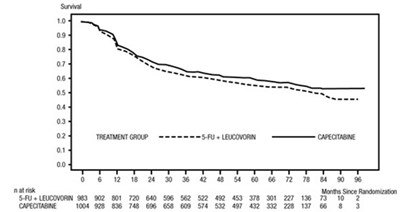
Figure 1 (Capecitabine Tablets Usp Figure 1)
Figure 2 Kaplan-Meier Estimates of Overall Survival in X-ACT (All Randomized Population)
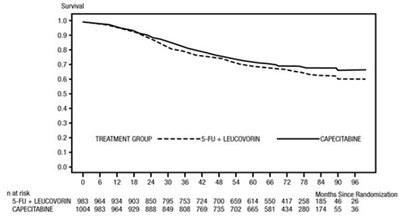
Figure 2 (Capecitabine Tablets Usp Figure 2)
In Combination with Oxaliplatin-Containing Regimens
The efficacy of Capecitabine in combination with oxaliplatin for the adjuvant treatment of patients with Stage III colon cancer as a component of a combination chemotherapy regimen was derived from studies in the published literature, including NO16968 [NCT00069121], a multicenter, open-label, randomized trial, where the major efficacy outcome measure was disease free survival.
Perioperative Treatment of Rectal Cancer
The efficacy of Capecitabine for the perioperative treatment of adults with locally advanced rectal cancer as a component of chemoradiotherapy was derived from studies in the published literature, including Rektum-III [NCT01500993], a randomized, open-label, multicenter, non-inferiority trial, where the major efficacy outcome measure was overall survival.
Metastatic Colorectal Cancer
The efficacy of Capecitabine as a single agent was evaluated in two open-label, multicenter, randomized, controlled clinical trials (Study SO14695 and Study SO14796). Eligible patients received first-line treatment for metastatic colorectal cancer. Patients were randomized to Capecitabine 1,250 mg/m
2twice daily for first 14 days of a 21-day cycle or leucovorin 20 mg/m
2intravenously followed by fluorouracil 425 mg/m
2as an intravenous bolus on days 1 to 5 of each 28-day cycle.
The efficacy outcome measures were overall survival, time to progression and response rate (complete plus partial responses). Responses were defined by the World Health Organization criteria and submitted to a blinded independent review committee (IRC). Differences in assessments between the investigator and IRC were reconciled by the sponsor, blinded to treatment arm, according to a specified algorithm. Survival was assessed based on a non-inferiority analysis.
The baseline demographics are shown in
Table 11.
Table 11 Baseline Demographics for Study SO14695 and Study SO14796 | Study SO14695 | Study SO14796 |
|---|
Capecitabine
(N=302)
| Fluorouracil + Leucovorin
(N=303)
| Capecitabine
(N=301)
| Fluorouracil + Leucovorin
(N=301)
|
|---|
| Age (median, years) | 64 | 63 | 64 | 64 |
| Range | (23-86) | (24-87) | (29-84) | (36-86) |
| Sex |
| Male, % | 60 | 65 | 57 | 57 |
| Female, % | 40 | 35 | 43 | 43 |
| Karnofsky PS (median) | 90 | 90 | 90 | 90 |
| Range | (70-100) | (70-100) | (70-100) | (70-100) |
| Colon, % | 74 | 77 | 66 | 65 |
| Rectum, % | 26 | 23 | 34 | 35 |
| Prior radiation therapy, % | 17 | 21 | 14 | 14 |
| Prior adjuvant fluorouracil, % | 28 | 36 | 19 | 14 |
Efficacy results for Study SO14695 and Study SO14796 are shown in
Table 12and
Table 13.
Table 12 Efficacy Results for First-Line Treatment of Metastatic Colorectal Cancer (Study SO14695) | Capecitabine
(N=302)
| Fluorouracil + Leucovorin
(N=303)
|
|---|
| Overall Response Rate |
| % (95% CI) | 21 (16, 26) | 11 (8, 15) |
|
p-value
| 0.0014 |
| Time to Progression |
| Median, months (95% CI) | 4.2 (3.9, 4.5) | 4.3 (3.4, 5.0) |
| Hazard Ratio | 0.99 |
| 95% CI | (0.84, 1.17) |
| Overall Survival |
| Median, months (95% CI) | 12.5 (10.5, 14.3) | 13.4 (12.0, 14.7) |
| Hazard Ratio | 1.00 |
| 95% CI | (0.84, 1.18) |
Table 13 Efficacy Results for First-Line Treatment of Metastatic Colorectal Cancer (Study SO14796) | Capecitabine
(N=301)
| Fluorouracil + Leucovorin
(N=301)
|
|---|
| Overall Response Rate |
| % (95% CI) | 21 (16, 26) | 14 (10, 18) |
| p-value | 0.027 |
| Time to Progression |
| Median, months (95% CI) | 4.5 (4.2, 5.5) | 4.3 (3.4, 5.1) |
| Hazard Ratio | 0.97 |
| 95% CI | (0.82, 1.14) |
| Overall Survival |
| Median, months (95% CI) | 13.3 (12.1, 14.8) | 12.1 (11.1,14.1) |
| Hazard Ratio | 0.92 |
| 95% CI | (0.78, 1.09) |
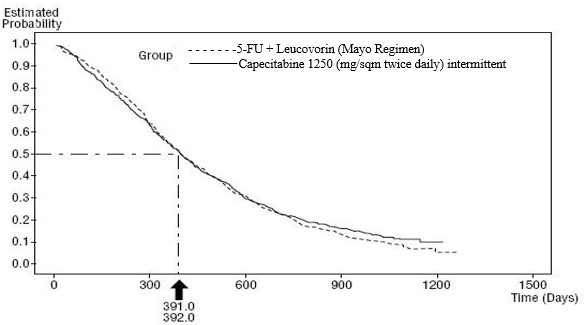
Efficacy results of the pooled population from Study SO14695 and Study SO14796 are shown in
Figure 3. Statistical analyses were performed to determine the percent of the survival effect of fluorouracil + leucovorin that was retained by Capecitabine. The estimate of the survival effect of fluorouracil + leucovorin was derived from a meta-analysis of ten randomized studies from the published literature comparing fluorouracil to regimens of fluorouracil + leucovorin that were similar to the control arms used in these Studies SO14695 and SO14796. The method for comparing the treatments was to examine the worst case (95% confidence upper bound) for the difference between fluorouracil + leucovorin and Capecitabine, and to show that loss of more than 50% of the fluorouracil + leucovorin survival effect was ruled out. It was demonstrated that the percent of the survival effect of fluorouracil + leucovorin maintained was at least 61% for Study SO14796 and 10% for Study SO14695. The pooled result is consistent with a retention of at least 50% of the effect of fluorouracil + leucovorin. It should be noted that these values for preserved effect are based on the upper bound of the fluorouracil + leucovorin vs Capecitabine difference.
Figure 3 Kaplan-Meier Curve for Overall Survival of Pooled Data (Studies SO14695 and SO14796)
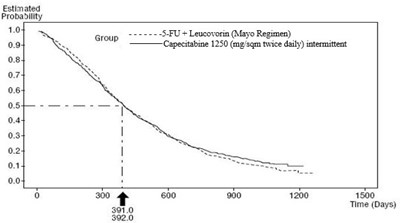
Figure 3 (Capecitabine Tablets Usp Figure 3)
In Combination with Oxaliplatin
The efficacy of Capecitabine for the treatment of patients with unresectable or metastatic colorectal cancer as a component of a combination chemotherapy regimen was derived from studies in the published literature, including NO16966 [NCT00069095], a randomized, non-inferiority, 2×2 factorial trial, where the major efficacy outcome measure was progression free survival.
In Combination With Docetaxel
The efficacy of Capecitabine in combination with docetaxel was evaluated in an open-label, multicenter, randomized trial (Study SO14999). Eligible patients had metastatic breast cancer resistant to, or recurring during or after an anthracycline-containing therapy, or relapsing during or recurring within 2 years of completing an anthracycline-containing adjuvant therapy were enrolled. Patients were randomized to Capecitabine 1,250 mg/m
2twice daily for the first 14 days of a 21-day cycle and docetaxel 75 mg/m
2as a 1-hour intravenous infusion on day 1 of day of a 21-day cycle or docetaxel 100 mg/m
2as a 1-hour intravenous infusion on day 1 of a 21-day cycle. The efficacy outcome measures were time to disease progression, overall survival, and response rate.
Patient demographics are provided in
Table 14.
Table 14 Baseline Demographics in Metastatic Breast Cancer (Study SO14999) | Capecitabine +
Docetaxel
(N=255)
| Docetaxel (N=256) |
|---|
| Age (median, years) | 52 | 51 |
| Karnofsky Performance Status (median) | 90 | 90 |
| Site of Disease |
| Lymph nodes, % | 47 | 49 |
| Liver, % | 45 | 48 |
| Bone, % | 42 | 46 |
| Lung, % | 37 | 39 |
| Skin, % | 29 | 29 |
| Prior Chemotherapy |
| Anthracycline
1, %
| 100 | 100 |
| Fluorouracil, % | 77 | 74 |
| Paclitaxel, % | 10 | 9 |
| Resistance to an Anthracycline |
| No resistance, % | 7 | 7 |
| Progression on anthracycline therapy, % | 26 | 29 |
| Stable disease after 4 cycles of anthracycline therapy, % | 16 | 16 |
| Relapsed within 2 years of completion of anthracycline- adjuvant therapy, % | 31 | 29 |
| Experienced a brief response to anthracycline therapy, with subsequent progression while on therapy or within 12 months after last dose, % | 20 | 20 |
| No. of Prior Chemotherapy Regimens for Treatment of Metastatic Disease |
| 0, % | 35 | 31 |
| 1, % | 48 | 53 |
| 2, % | 17 | 15 |
| 3, % | 0 | 1 |
1Includes 10 patients in combination and 18 patients in single agent arms treated with an anthracenedione
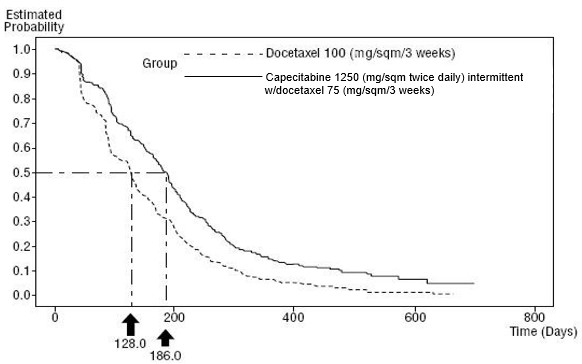
Efficacy results are shown in
Table 15,
Figure 4and
Figure 5.
Table 15 Efficacy Results in Metastatic Breast Cancer (Study SO14999)| Efficacy Parameter | Capecitabine + Docetaxel
(N=255)
| Docetaxel
(N=256)
|
|---|
| Time to Disease Progression |
| Median, months | 6.1 | 4.2 |
| 95% CI | (5.4, 6.5) | (3.5, 4.5) |
| Hazard Ratio | 0.643 |
| p-value | 0.0001 |
| Overall Survival |
| Median, months | 14.5 | 11.6 |
| 95% CI | (12.3, 16.3) | (9.8, 12.7) |
| Hazard Ratio | 0.775 |
| p-value | 0.0126 |
| Response Rate
1 | 32% | 22% |
1The response rate reported represents a reconciliation of the investigator and IRC assessments performed by the sponsor according to a predefined algorithm.
Figure 4 Kaplan-Meier Estimates for Time to Disease Progression in Metastatic Breast Cancer (Study SO14999)
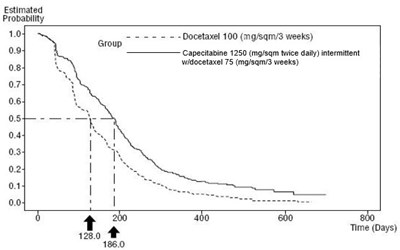
Figure 4 (Capecitabine Tablets Usp Figure 4)
Figure 5 Kaplan-Meier Estimates of Survival in Metastatic Breast Cancer (Study SO14999)
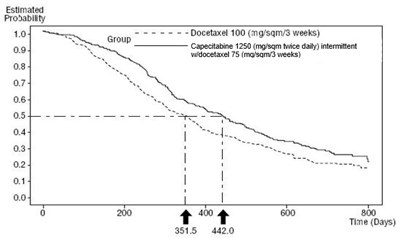
Figure 5 (Capecitabine Tablets Usp Figure 5)
Single Agent
The efficacy of Capecitabine as a single agent was evaluated in an open-label single-arm trial (Study SO14697). Eligible patients had metastatic breast cancer resistant to both paclitaxel and an anthracycline-containing chemotherapy regimen or resistant to paclitaxel and for whom further anthracycline therapy is not indicated (e.g., patients who have received cumulative doses of 400 mg/m
2of doxorubicin or doxorubicin equivalents). Resistance was defined as progressive disease while on treatment, with or without an initial response, or relapse within 6 months of completing treatment with an anthracycline-containing adjuvant chemotherapy regimen. Patients received Capecitabine 1,255 mg/m
2orally twice daily for first 14-days of a 21-day treatment cycle. The major efficacy outcome measure was tumor response rate in patients with measurable disease, with response defined as a ≥50% decrease in sum of the products of the perpendicular diameters of bidimensionally measurable disease for at least 1 month.
The baseline demographics are shown in
Table 16.
Table 16 Baseline Demographics in Metastatic Breast Cancer (Study SO14697) | Patients With
Measurable Disease
(N=135)
| All Patients
(N=162)
|
|---|
| Age (median, years) | 55 | 56 |
| Karnofsky Performance Status | 90 | 90 |
| No. Disease Sites |
| 1-2, % | 32 | 37 |
| 3-4, % | 46 | 43 |
| >5, % | 22 | 21 |
| Dominant Site of Disease |
| Visceral
1, %
| 75 | 68 |
| Soft Tissue, % | 22 | 22 |
| Bone, % | 3 | 10 |
| Prior Chemotherapy |
| Paclitaxel, % | 100 | 100 |
| Anthracycline
2, %
| 90 | 91 |
| Fluorouracil, % | 81 | 82 |
| Resistance to Paclitaxel, % | 76 | 77 |
| Resistance to an Anthracycline
2, %
| 41 | 41 |
| Resistance to both Paclitaxel and an Anthracycline
2, %
| 32 | 31 |
1Lung, pleura, liver, peritoneum
2Includes 2 patients treated with an anthracenedione
Efficacy for Study SO14697 are shown in
Table 17.
Table 17 Efficacy Results in Metastatic Breast Cancer (Study SO14697)| Efficacy Parameter | Resistance to Both Paclitaxel and an Anthracycline
(N=43)
|
|---|
| Response Rate
1 | 25.6% (13.5, |
| (95% CI) | 41.2) |
| Complete Response | 0% |
| Partial Response
1 | 11% |
| Duration of Response
1 | |
Median, month
2
(Range)
| 5.1 (2.1-7.7) |
1Includes 2 patients treated with an anthracenedione
2From date of first response
For the subgroup of 43 patients who were doubly resistant, the median time to progression was 3.4 months and the median survival was 8.4 months. The objective response rate in this population was supported by a response rate of 18.5% (1 CR, 24 PRs) in the overall population of 135 patients with measurable disease, who were less resistant to chemotherapy (see
Table 15). The median time to progression was 3.0 months and the median survival was 10.1 months.
Increased Risk of Bleeding with Concomitant Use of Vitamin K Antagonists
Advise patients on vitamin K antagonists, such as warfarin, that they are at an increased risk of severe bleeding while taking Capecitabine. Advise these patients that INR should be monitored more frequently, and dosage modifications of the vitamin K antagonist may be required, while taking and after discontinuation of Capecitabine. Advise these patients to immediately contact their healthcare provider if signs or symptoms of bleeding occur
[see
Warnings and Precautions (5.1)].
Serious Adverse Reactions from Dihydropyrimidine Dehydrogenase (DPD) Deficiency
Inform patients of the potential for serious and life-threatening adverse reactions due to DPD deficiency and discuss with your patient whether they should be tested for genetic variants of
DPYDthat are associated with an increased risk of serious adverse reactions from the use of Capecitabine. Advise patients to immediately contact their healthcare provider if symptoms of severe mucositis, diarrhea, neutropenia, and neurotoxicity occur
[see
Warnings and Precautions (5.2)and
Clinical Pharmacology (12.5)]
.
Cardiotoxicity
Advise patients of the risk of cardiotoxicity and to immediately contact their healthcare provider for new onset of chest pain, shortness of breath, dizziness, or lightheadedness
[see
Warnings and Precautions (5.3)]
.
Diarrhea
Inform patients experiencing grade 2 diarrhea (an increase of 4 to 6 stools/day or nocturnal stools) or greater or experiencing severe bloody diarrhea with severe abdominal pain and fever to stop taking Capecitabine. Advise patients on the use of antidiarrheal treatments (e.g., loperamide) to manage diarrhea
[see
Warnings and Precautions (5.4)]
.
Dehydration
Instruct patients experiencing grade 2 or higher dehydration to stop taking Capecitabine immediately and to contact their healthcare provider. Advise patients to not restart Capecitabine until rehydrated and any precipitating causes have been corrected or controlled
[see
Warnings and Precautions (5.5)]
.
Renal Toxicity
Instruct patients experiencing decreased urinary output or other signs and symptoms of renal toxicity to immediately contact their healthcare provider
[see
Warnings and Precautions (5.6)]
.
Serious Skin Toxicities
Instruct patients skin rash, blistering, or peeling to immediately contact their healthcare provider
[see
Warnings and Precautions (5.7)]
.
Palmar-Plantar Erythrodysesthesia Syndrome
Instruct patients experiencing grade 2 palmar-plantar erythrodysesthesia syndrome or greater to stop taking Capecitabine immediately and to contact their healthcare provider. Inform patients that initiation of symptomatic treatment is recommended and hand-and-foot syndrome can lead to loss of fingerprints which could impact personal identification
[see
Warnings and Precautions (5.8)]
.
Myelosuppression
Inform patients who develop a fever of 100.5°F or greater or other evidence of potential infection to immediately contact their healthcare provider
[see
Warnings and Precautions (5.9)]
.
Hyperbilirubinemia
Inform patients who develop jaundice or icterus to immediately contact their healthcare provider
[see
Warnings and Precautions (5.10)]
.
Embryo-Fetal Toxicity
Advise pregnant women and females of reproductive potential of the potential risk to a fetus. Advise females of reproductive potential to inform their healthcare provider of a known or suspected pregnancy
[see
Warnings and Precautions (5.11),
Use in Specific Populations (8.1)]
.
Advise females of reproductive potential to use effective contraception during treatment with Capecitabine and for 6 months after the last dose
[see
Use in Specific Populations (8.3)]
.
Advise males with female partners of reproductive potential to use effective contraception during treatment with Capecitabine and for 3 months after the last dose
[see
Use in Specific Populations (8.3)]
.
Lactation
Advise females not to breastfeed during treatment with Capecitabine and for 1 week after the last dose
[see
Use in Specific Populations (8.2)]
.
Infertility
Advise males and females of reproductive potential that Capecitabine may impair fertility
[see
Use in Specific Populations (8.3)]
.
Hypersensitivity and Angioedema
Advise patients that Capecitabine may cause severe hypersensitivity reactions and angioedema.
Advise patients who have known hypersensitivity to Capecitabine or 5-fluorouracil to inform their healthcare provider
[see
Contraindications (4)]
. Instruct patients who develop hypersensitivity reactions or mucocutaneous symptoms (e.g., urticaria, rash, erythema, pruritus, or swelling of the face, lips, tongue or throat which make it difficult to swallow or breathe) to stop taking Capecitabine and immediately contact their healthcare provider or to go to an emergency room.
[see
Adverse Reactions (6)]
.
Nausea and Vomiting
Instruct patients experiencing grade 2 nausea (food intake significantly decreased but able to eat intermittently) or greater to stop taking Capecitabine and to immediately contact their healthcare provider for management of nausea
[see
Adverse Reactions (6.1)]
.
Instruct patients experiencing grade 2 vomiting (2 to 5 episodes in a 24-hour period) or greater to stop taking Capecitabine immediately and to contact their healthcare provider for management of vomiting
[see
Adverse Reactions (6.1)]
.
Stomatitis
Inform patients experiencing grade 2 stomatitis (painful erythema, edema or ulcers of the mouth or tongue, but able to eat) or greater to stop taking Capecitabine immediately and to contact their healthcare provider
[see
Adverse Reactions (6.1)]
.
Important Administration Instructions
Advise patients to swallow Capecitabine tablets whole with water within 30 minutes after a meal. Advise patients and caregivers not to chew, crush, or cut Capecitabine tablets. Advise patients if they cannot swallow Capecitabine tablets whole to inform their healthcare provider
[see
Dosage and Administration (2.7),
Warnings and Precautions (5.12)]
.
Drug interactions
Instruct patients not to take products containing folic acid or folate analog products (e.g., leucovorin, levoleucovorin) unless directed to do so by their healthcare provider. Advise patients to inform their healthcare provider of all prescription or nonprescription medications, vitamins or herbal products
[see
Drug Interactions (7.1,
7.2,
7.3)].
Manufactured by:
Teyro Labs Private Limited.
Tamil Nadu 601301
Made in India