Yesintek Solution
Product Images NDC 83257-026

24 FDA label images from Biocon Biologics Inc. · Packaging, Regulatory Labels, and Product Appearance

Product Visual Gallery

This gallery contains 24 technical images submitted to the FDA as part of the official labeling for Yesintek (NDC 83257-026). Unlike standard consumer photos, these assets often include clinical data figures, molecular chemical structures, and official manufacturer packaging layouts.

As provided by Biocon Biologics Inc., these visuals offer a comprehensive scientific overview of the product's physical and chemical identity, aiding pharmacists and researchers in product verification and study.

FDA Label Image

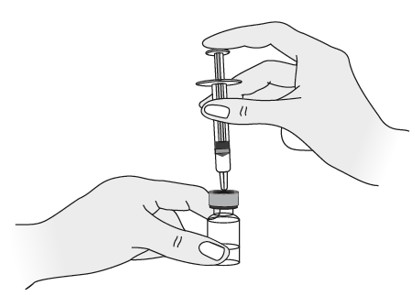
Image-33 (Image 33)

Image-33 (Image 33)
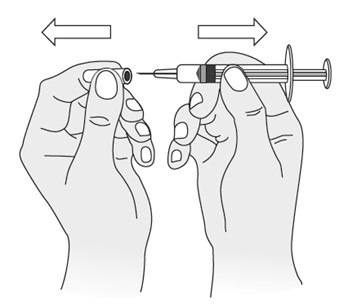
An instructional illustration showing hands preparing an injection by drawing medication from a vial into a syringe. The image appears to demonstrate the proper technique for withdrawing an injectable solution, relevant for subcutaneous administration.*
FDA Label Image

Image-32 (Image 32)

Image-32 (Image 32)
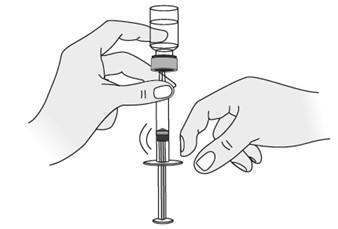
An instructional illustration showing how to withdraw medication from a vial using a syringe. One hand holds the vial upright while the other hand inserts the syringe needle into the vial's rubber stopper.*
FDA Label Image

Image-36 (Image 36)

Image-36 (Image 36)
An illustrated instructional diagram depicting supplies needed for subcutaneous injection of YESINTEK (ustekinumab) solution. It shows an adhesive bandage, antiseptic wipes, cotton balls or gauze pads, a YESINTEK prefilled syringe, and an FDA-cleared sharps disposal container.*
FDA Label Image

Image-37 (Image 37)

Image-37 (Image 37)
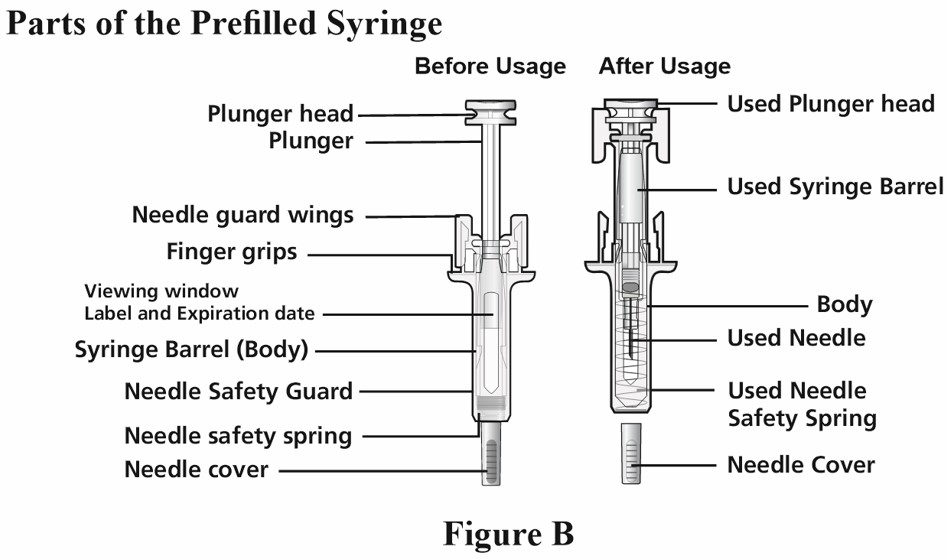
An instructional diagram showing parts of a prefilled syringe before and after usage. Components labeled before usage include plunger head, plunger, needle guard wings, finger grips, viewing window with label and expiration date, syringe barrel (body), needle safety guard, needle safety spring, and needle cover. After usage parts labeled include used plunger head, used syringe barrel, body, used needle, used needle safety spring, and needle cover.*
FDA Label Image

Image-38 (Image 38)

Image-38 (Image 38)
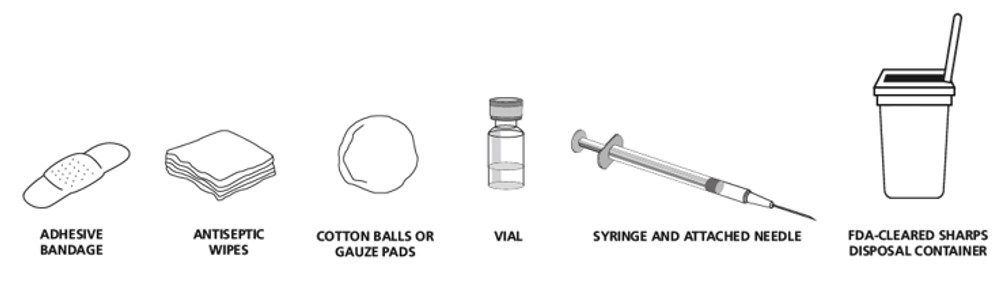
An instructional illustration showing items needed for an injection procedure: an adhesive bandage, antiseptic wipes, cotton balls or gauze pads, a vial, a syringe with an attached needle, and an FDA-cleared sharps disposal container.*
FDA Label Image

Image-43 (Image 43)

FDA Label Image

Image-44 (Image 44)

FDA Label Image

Image-45 (Image 45)

FDA Label Image

Image-46 (Image 46)

FDA Label Image

Image-47 (Image 47)

FDA Label Image

Image-48 (Image 48)

FDA Label Image

Image-49 (Image 49)

FDA Label Image

Image-50 (Image 50)

FDA Label Image

Figure 1 (Image 04)

Figure 1 (Image 04)
A line graph comparing patient percentages over 24 weeks for three groups: placebo (open circles), ustekinumab 45 mg (gray triangles), and ustekinumab 90 mg (black squares). The y-axis measures patients (%) up to 60%, and the x-axis shows time in weeks from 0 to 24. The graph shows upward trends for both ustekinumab doses and a lower trend for placebo.*
FDA Label Image

Figure D (Image 08)

Figure D (Image 08)
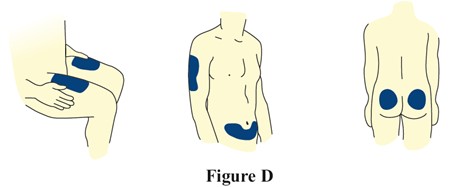
An instructional illustration showing preferred injection sites for subcutaneous administration. The image depicts a front and side view of a human torso indicating the abdomen area; a side view of the thigh; and a rear view highlighting the upper buttocks as recommended injection locations.*
FDA Label Image

Figure F (Image 10)

Figure F (Image 10)
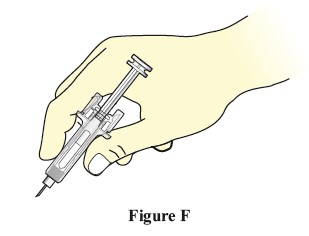
An instructional illustration labeled Figure F showing a hand holding a syringe with an attached needle, demonstrating the proper grip for administering an injection.*
FDA Label Image

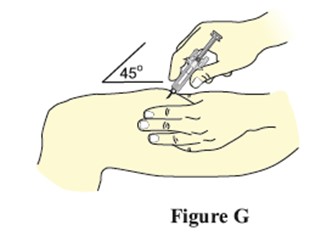
Figure G (Image 11)

Figure G (Image 11)
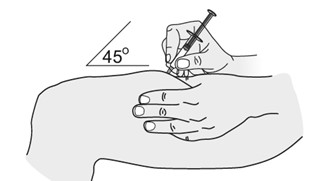
An instructional illustration showing a hand holding a syringe at a 45-degree angle, injecting a solution subcutaneously into the skin of an arm. The diagram is labeled as Figure G, depicting the proper angle for subcutaneous injection.*
FDA Label Image

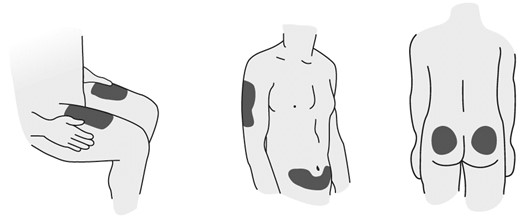
Figure B (Image 15)

Figure B (Image 15)
Illustration showing recommended injection sites for YESINTEK (ustekinumab) subcutaneous injection solution. Sites depicted include the thigh, upper arm, lower abdomen, and buttocks on a human figure outline.*
FDA Label Image

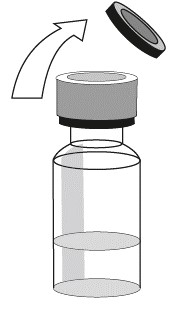
Figure C (Image 16)

Figure C (Image 16)
An instructional illustration showing a vial with a flip-off cap being removed by lifting the cap upward and away from the vial. The vial is partially filled with liquid, indicating preparation for medication use.*
FDA Label Image

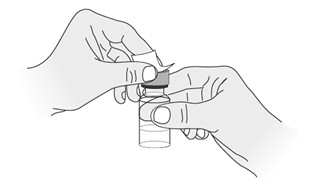
Figure D (Image 17)

Figure D (Image 17)
An instructional illustration showing hands preparing a vial by removing a flip-off cap. This likely demonstrates part of the process for administering YESINTEK (ustekinumab) injection solution subcutaneously.*
FDA Label Image

Figure E (Image 18)

Figure E (Image 18)
An instructional illustration demonstrating how to remove a needle cap from a syringe by pulling it straight off with both hands. One hand holds the syringe barrel while the other hand pulls the needle cap away to expose the needle tip.*
FDA Label Image

Figure H (Image 21)

Figure H (Image 21)
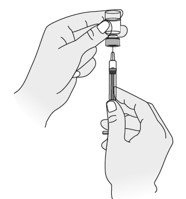
An instructional illustration showing two hands preparing an injection by drawing liquid from a vial into a syringe, likely related to the preparation of the ustekinumab solution for subcutaneous injection.*
FDA Label Image

Figure I (Image 22)

Figure I (Image 22)
An instructional illustration showing the proper technique for subcutaneous injection of YESINTEK (ustekinumab). The image depicts a hand holding a syringe at a 45-degree angle, preparing to inject into the thigh area, indicating the recommended angle for administration.*
FDA Label Image

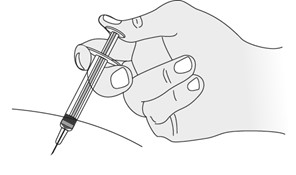
Figure J (Image 23)

Figure J (Image 23)
An instructional illustration showing a hand holding a syringe with the needle inserted into the skin, demonstrating a subcutaneous injection technique.*

* About these descriptions: Image descriptions on this page are generated by automated AI analysis of the product label images from the manufacturer's FDA label submission (SPL). They are provided for reference only and may contain errors or omissions. Always rely on the printed label itself and the official FDA labeling, and consult a pharmacist or healthcare professional with any questions about this product.