Hyrimoz Injection, Solution
Product Images NDC 83457-113

View Photos of Packaging, Regulatory Labels, and Product Appearance

Product Visual Gallery

This gallery contains 70 technical images submitted to the FDA as part of the official labeling for Hyrimoz (NDC 83457-113). Unlike standard consumer photos, these assets often include clinical data figures, molecular chemical structures, and official manufacturer packaging layouts.

As provided by Cordavis Limited, these visuals offer a comprehensive scientific overview of the product's physical and chemical identity, aiding pharmacists and researchers in product verification and study.

Product Images & Figures Index

FDA Label Image

Fig 1 (Fig1)

Fig 1 (Fig1)
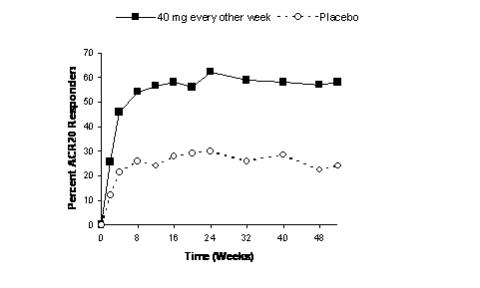
Line graph depicting the percent of ACR20 responders over 48 weeks comparing 40 mg adalimumab-adaz injection every other week versus placebo. The vertical axis shows percent responders, and the horizontal axis shows time in weeks, with the 40 mg treatment showing higher and sustained response rates than placebo.*
FDA Label Image

Fig 2 (Fig2)

Fig 2 (Fig2)
A line graph showing the percentage of ASAS 20 response over 26 weeks comparing placebo (N=107) and Adalimumab (N=208). The graph plots time in weeks on the x-axis and percentage response on the y-axis, illustrating higher response rates for Adalimumab compared to placebo throughout the study period.*
FDA Label Image

Fig 38 (Image 36)

Fig 38 (Image 36)
An instructional diagram showing the correct disposal of a syringe by placing it into a sharps container. The image includes an arrow indicating the syringe should be inserted into the container opening from above.*
FDA Label Image

Fig 50 (Image 48)

Fig 50 (Image 48)
An illustration showing a syringe positioned above a sharps container labeled "SHARPS". Three downward arrows indicate the action of disposing the syringe into the container, demonstrating proper sharps disposal technique.*
FDA Label Image

Fig 3 (Image 01)

Fig 3 (Image 01)
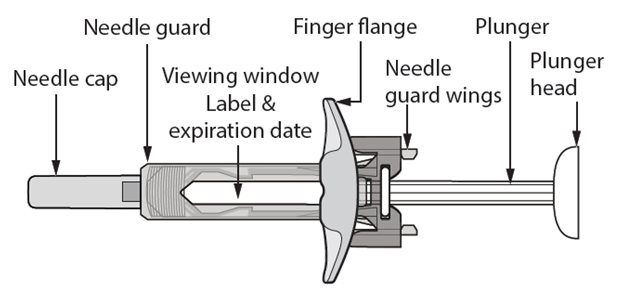
An instructional diagram of a prefilled syringe showing labeled components including Needle cap, Needle guard, Viewing window with label and expiration date, Finger flange, Needle guard wings, Plunger, and Plunger head.*
FDA Label Image

Fig 4 (Image 02)

Fig 4 (Image 02)
An instructional illustration showing four items in sequence: a wipe packet labeled 'WIPE,' a small cotton or gauze pad, a container labeled 'SHARPS' for disposal of needles, and a bandage strip. This sequence likely represents steps for cleaning, injecting, disposing of sharps, and covering the injection site.*
FDA Label Image

Fig 5 (Image 03)

Fig 5 (Image 03)
An illustration of a prefilled syringe designed for subcutaneous injection, showing the barrel, plunger, and needle cover components. This image corresponds to an injection solution dosage form.*
FDA Label Image

Fig 6 (Image 04)

Fig 6 (Image 04)
An illustration showing a prefilled syringe with a needle guard. The syringe is partially filled with solution, featuring measurement markings on the barrel and a protective cap covering the needle, designed for subcutaneous injection.*
FDA Label Image

Fig 7 (Image 05)

Fig 7 (Image 05)
Illustration showing recommended injection sites for HYRIMOZ (adalimumab-adaz) subcutaneous injection. The diagram highlights areas on the lower abdomen and the front upper thighs where injections can be administered.*
FDA Label Image

Fig 8 (Image 06)

Fig 8 (Image 06)
An instructional illustration showing a hand pinching the skin on a bent knee with arrows indicating a circular motion, likely demonstrating proper technique for subcutaneous injection site preparation or administration.*
FDA Label Image

Fig 9 (Image 07)

Fig 9 (Image 07)
An instructional illustration showing a hand holding a syringe labeled HYRIMOZ (adalimumab-adaz) injection solution. The diagram depicts the removal of a protective cap from the needle, indicating preparation steps for subcutaneous injection.*
FDA Label Image

Fig 10 (Image 08)

Fig 10 (Image 08)
An instructional diagram showing a hand administering a subcutaneous injection using a prefilled syringe to another person's finger area.*
FDA Label Image

Fig 11 (Image 09)

Fig 11 (Image 09)
An instructional illustration showing hands holding a small injection device, focusing on a component likely involved in activating or preparing the subcutaneous injection. A magnified inset highlights a detailed feature of the device being manipulated by the thumb and forefinger.*
FDA Label Image

Fig 12 (Image 10)

Fig 12 (Image 10)
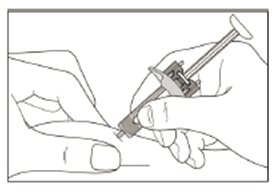
An instructional illustration showing a hand holding a prefilled syringe, with arrows indicating the injection action for a subcutaneous dose. The image demonstrates the proper technique for administering an injection using the syringe.*
FDA Label Image

Fig 13 (Image 11)

Fig 13 (Image 11)
An instructional illustration showing a hand holding a pen-like injection device, with the thumb pulling back on the top cap, indicated by an arrow pointing upwards. The image likely demonstrates the step of removing the cap from a subcutaneous injection pen.*
FDA Label Image

Fig 14 (Image 12)

Fig 14 (Image 12)
An instructional illustration depicting a hand disposing of a used injector or syringe into a container labeled 'SHARPS.' This image demonstrates proper disposal of injection needles or devices, relevant for subcutaneous injection products like HYRIMOZ adalimumab-adaz solution.*
FDA Label Image

Fig 15 (Image 13)

Fig 15 (Image 13)
An instructional diagram of a prefilled syringe showing its key components labeled: needle cap, needle guard, viewing window with label and expiration date, finger flange, needle guard wings, plunger, and plunger head. The illustration highlights the parts of the injection device used for subcutaneous administration.*
FDA Label Image

Fig 16 (Image 14)

Fig 16 (Image 14)
An instructional illustration showing items used for injection site care and disposal: a wipe, a cotton ball, a sharps disposal container labeled 'SHARPS,' and a small adhesive bandage.*
FDA Label Image

Fig 17 (Image 15)

Fig 17 (Image 15)
An illustration showing a pre-filled syringe designed for subcutaneous injection, consistent with the delivery form of the drug HYRIMOZ (adalimumab-adaz). The syringe includes a needle, plunger, and protective housing typical for single-use injection devices.*
FDA Label Image

Fig 18 (Image 16)

Fig 18 (Image 16)
An illustration showing a subcutaneous injection device, likely representing the administration method for HYRIMOZ (adalimumab-adaz) injection solution. The image depicts the injection needle and parts of the syringe device.*
FDA Label Image

Fig 19 (Image 17)

Fig 19 (Image 17)
An anatomical illustration showing recommended injection sites for a subcutaneous injection. The shaded areas include the lower abdomen below the navel and the front of both thighs, indicating appropriate locations for injecting HYRIMOZ (adalimumab-adaz) injection solution.*
FDA Label Image

Fig 20 (Image 18)

Fig 20 (Image 18)
An instructional illustration showing a hand rotating or massaging the skin on a bent knee, indicating preparation for a subcutaneous injection. Arrows around the hand suggest a circular motion on the skin surface.*
FDA Label Image

Fig 21 (Image 19)

Fig 21 (Image 19)
An instructional illustration showing a hand holding a prefilled syringe for injection. The illustration depicts the removal of the needle cap by pulling it straight off before administration.*
FDA Label Image

Fig 22 (Image 20)

Fig 22 (Image 20)
An instructional illustration showing the proper technique for subcutaneous injection using a syringe. One hand holds the syringe with the needle inserted into the skin of a finger, while the other hand stretches the skin around the injection site.*
FDA Label Image

Fig 23 (Image 21)

Fig 23 (Image 21)
An instructional illustration demonstrating the use of a pen-style subcutaneous injection device, likely for HYRIMOZ (adalimumab-adaz). It shows a hand holding the injection pen, with a close-up view highlighting finger positioning and the injection button, emphasizing correct grip and use for administering the medication.*
FDA Label Image

Fig 24 (Image 22)

Fig 24 (Image 22)
An instructional diagram showing a hand holding a subcutaneous injection pen device. Arrows indicate the pressing of the injection button and the direction of needle insertion into the skin.*
FDA Label Image

Fig 25 (Image 23)

Fig 25 (Image 23)
An instructional illustration showing a hand holding a prefilled syringe with the thumb pulling back the needle cap, indicating how to remove the cap prior to subcutaneous injection. The syringe depicted is consistent with the type used for HYRIMOZ (adalimumab-adaz) injection solution.*
FDA Label Image

Fig 26 (Image 24)

Fig 26 (Image 24)
An instructional illustration showing a hand disposing of a used syringe into a container labeled 'SHARPS.' The diagram emphasizes proper disposal of injection needles to ensure safety and proper waste management.*
FDA Label Image

Fig 27 (Image 25)

Fig 27 (Image 25)
An instructional diagram of a subcutaneous injection device showing labeled parts: needle, needle guard, cap, internal needle cover, and viewing window. The cap is shown detached from the main device body, illustrating the components of the injection pen.*
FDA Label Image

Fig 28 (Image 26)

Fig 28 (Image 26)
An instructional illustration showing a sequence of items for a medical procedure or wound care: a wipe, a cotton ball, a sharps disposal container, and an adhesive bandage, arranged with plus signs between them to indicate steps or components to use together.*
FDA Label Image

Fig 29 (Image 27)

Fig 29 (Image 27)
An instructional diagram of the HYRIMOZ prefilled syringe showing a close-up view with a labeled "Viewing window" feature and an expiration date (EXP) marking on the syringe barrel. The syringe is designed for subcutaneous injection of adalimumab-adaz.*
FDA Label Image

Fig 30 (Image 28)

Fig 30 (Image 28)
An instructional illustration showing a human figure with shaded areas on the lower abdomen and upper thighs. These highlights indicate preferred sites for subcutaneous injection of the medication HYRIMOZ (adalimumab-adaz) injection solution.*
FDA Label Image

Fig 31 (Image 29)

Fig 31 (Image 29)
An instructional illustration showing a hand applying pressure and moving fingers in a massaging motion on the skin of a bent knee, likely demonstrating a step for preparing or administering a subcutaneous injection.*
FDA Label Image

Fig 32 (Image 30)

Fig 32 (Image 30)
An instructional illustration showing the removal of the cap from a prefilled syringe or injection pen. The diagram depicts one hand holding the device and the other pulling the cap off, indicated by an arrow, suggesting preparation for subcutaneous injection.*
FDA Label Image

Fig 33 (Image 31)

Fig 33 (Image 31)
An instructional diagram showing the proper and improper way to hold the HYRIMOZ injection device for subcutaneous administration. The correct orientation is vertical with the needle pointing downward, indicated by a green check mark, while the incorrect angled position is marked with a black X.*
FDA Label Image

Fig 34 (Image 32)

Fig 34 (Image 32)
An illustration showing a hand holding a prefilled injection syringe vertically over a surface, indicating the correct way to hold the device for subcutaneous injection.*
FDA Label Image

Fig 35 (Image 33)

Fig 35 (Image 33)
An instructional illustration showing a hand holding an injection device vertically with an arrow pointing downward, indicating the action of pressing the injector firmly against the skin to administer a subcutaneous injection.*
FDA Label Image

Fig 36 (Image 34)

Fig 36 (Image 34)
An instructional illustration showing a hand holding a syringe or injection device, positioned near the skin surface for subcutaneous injection. A green dashed circle highlights the area where the injection is being administered.*
FDA Label Image

Fig 37 (Image 35)

Fig 37 (Image 35)
Illustration showing a hand holding a prefilled syringe, typically used for subcutaneous injection of HYRIMOZ (adalimumab-adaz) solution. The green substance inside the syringe represents the medication intended for injection.*
FDA Label Image

Fig 39 (Image 37)

Fig 39 (Image 37)
An instructional illustration showing parts of a subcutaneous injection pen, specifically labeled components including the needle, needle guard, cap, internal needle cover, and viewing window of the pen device.*
FDA Label Image

Fig 40 (Image 38)

Fig 40 (Image 38)
An instructional illustration showing four items in sequence: a wipe packet, a cotton ball or pad, a sharps disposal container labeled 'SHARPS,' and an adhesive bandage. The items are connected by plus signs, indicating materials needed or steps related to an injection procedure.*
FDA Label Image

Fig 41 (Image 39)

Fig 41 (Image 39)
An instructional diagram showing a prefilled syringe labeled with a viewing window and an expiration (EXP) date area. The syringe is designed for subcutaneous injection of HYRIMOZ (adalimumab-adaz) in solution form.*
FDA Label Image

Fig 42 (Image 40)

Fig 42 (Image 40)
An anatomical illustration showing injection sites on the human body for a subcutaneous injection. The marked areas include the lower abdomen below the navel and the front and outer sides of both thighs, indicating common injection sites for HYRIMOZ (adalimumab-adaz) injection, solution.*
FDA Label Image

Fig 43 (Image 41)

Fig 43 (Image 41)
An instructional diagram showing a hand pinching the skin on the thigh. The image includes arrows indicating a motion of pinching or lifting the skin, likely demonstrating a step in subcutaneous injection technique for the HYRIMOZ injection, solution.*
FDA Label Image

Fig 44 (Image 42)

Fig 44 (Image 42)
An instructional illustration showing two hands holding parts of an injection device. The left hand holds a cap being removed from a syringe held in the right hand, indicated by an arrow showing the cap being pulled off to prepare the subcutaneous injection.*
FDA Label Image

Fig 45 (Image 43)

Fig 45 (Image 43)
An instructional illustration showing the correct and incorrect orientations for handling a prefilled injection pen. The left side shows the correct upright position with a green checkmark, while the right side shows an incorrect tilted position marked with a black X. The image is related to the use of the HYRIMOZ adalimumab-adaz subcutaneous injection.*
FDA Label Image

Fig 46 (Image 44)

Fig 46 (Image 44)
Illustration of a hand holding a prefilled syringe vertically by the upper barrel, demonstrating proper gripping technique for administering an injection. The syringe appears filled with solution, consistent with the subcutaneous injection dosage form of HYRIMOZ (adalimumab-adaz).*
FDA Label Image

Fig 47 (Image 45)

Fig 47 (Image 45)
An instructional illustration showing a hand holding a prefilled syringe vertically above an injection site, with a downward arrow indicating the direction for subcutaneous injection. The syringe appears to be part of the HYRIMOZ (adalimumab-adaz) injection, solution product.*
FDA Label Image

Fig 48 (Image 46)

Fig 48 (Image 46)
An instructional illustration showing a hand holding an injection syringe vertically with the thumb pressing down on the plunger. The syringe tip is aimed downward at a flat surface, with a green dashed circle highlighting the area where the syringe meets the surface, likely indicating a step in preparing the injection.*
FDA Label Image

Fig 49 (Image 47)

Fig 49 (Image 47)
An instructional illustration showing a hand holding a prefilled injection pen, likely demonstrating how to grip or use the device for subcutaneous injection. The pen has a visible green section inside the clear barrel.*
FDA Label Image

Fig 51 (Image 49)

Fig 51 (Image 49)
An instructional illustration of the HYRIMOZ injection device showing its labelled parts: finger grip, plunger rod, and needle cap. The device is designed for subcutaneous administration of adalimumab-adaz injection solution.*
FDA Label Image

Fig 52 (Image 50)

Fig 52 (Image 50)
An instructional diagram showing items for safe injection site care: a wipe, a cotton ball, a sharps disposal container labeled 'SHARPS', and an adhesive bandage. These items are illustrated in sequence separated by plus signs.*
FDA Label Image

Fig 53 (Image 51)

Fig 53 (Image 51)
An anatomical illustration of a human torso highlighting recommended injection sites for subcutaneous administration. Shaded areas indicate the abdomen and the front of the thighs as preferred locations for injection.*
FDA Label Image

Fig 54 (Image 52)

Fig 54 (Image 52)
An instructional diagram showing a hand applying a rotational wiping motion with a cloth on the skin of the upper thigh, demonstrating proper skin preparation for a subcutaneous injection.*
FDA Label Image

Fig 55 (Image 53)

Fig 55 (Image 53)
An instructional illustration showing hands preparing a syringe and needle for use, depicting the step of removing a needle cap or cover before an injection. The image highlights the syringe held in one hand and the needle cap being pulled off with the other.*
FDA Label Image

Fig 56 (Image 54)

Fig 56 (Image 54)
An instructional illustration demonstrating a subcutaneous injection technique. It shows a hand holding a syringe at a 45-degree angle to the skin, preparing to administer an injection.*
FDA Label Image

Fig 57 (Image 55)

Fig 57 (Image 55)
An instructional diagram illustrating the proper technique for administering a subcutaneous injection using a syringe. The image shows a hand holding a syringe with close-up view of the needle insertion site and a detailed inset highlighting the injection angle or method, intended to guide patients or healthcare providers in correct injection procedures.*
FDA Label Image

Fig 58 (Image 56)

Fig 58 (Image 56)
Illustration showing a hand disposing of a syringe into a container labeled 'SHARPS'. The image depicts proper disposal of injection needles and syringes into a sharps container, emphasizing safe handling for subcutaneous injections.*
FDA Label Image

Fig 59 (Image 57)

Fig 59 (Image 57)
An illustration showing a prefilled syringe for HYRIMOZ (adalimumab-adaz) injection, solution. Key parts of the syringe are labeled: the Plunger Rod, Finger Grip, and Needle Cap. The image highlights the components before administration via subcutaneous injection.*
FDA Label Image

Fig 60 (Image 58)

Fig 60 (Image 58)
An instructional illustration showing four items arranged sequentially: a wipe packet labeled 'WIPE,' a cotton ball or pad, a container labeled 'SHARPS' for disposal, and an adhesive bandage. This likely demonstrates materials needed for an injection procedure.*
FDA Label Image

Fig 61 (Image 59)

Fig 61 (Image 59)
An anatomical illustration showing recommended subcutaneous injection sites on the front of a human torso and upper legs. Shaded areas highlight the abdomen around the navel and the front of the thighs as preferred injection areas for subcutaneous administration.*
FDA Label Image

Fig 62 (Image 60)

Fig 62 (Image 60)
An instructional illustration showing a hand rotating a folded cloth or swab on the skin of an upper thigh, indicating preparation steps for a subcutaneous injection administration site.*
FDA Label Image

Fig 63 (Image 61)

Fig 63 (Image 61)
An instructional illustration depicting the removal of a needle cap from a syringe held in a person's hand, demonstrating preparation of a subcutaneous injection.*
FDA Label Image

Fig 64 (Image 62)

Fig 64 (Image 62)
An instructional illustration showing the proper technique for subcutaneous injection using a syringe at a 45-degree angle to the skin. The image depicts one hand stabilizing the injection site on the arm while the other hand holds the syringe for administration.*
FDA Label Image

Fig 65 (Image 63)

Fig 65 (Image 63)
Black and white instructional illustration showing hands administering a subcutaneous injection using a syringe. Two close-up insets highlight specific parts of the syringe mechanism during injection, demonstrating correct finger placement and needle angle.*
FDA Label Image

Fig 66 (Image 64)

Fig 66 (Image 64)
An instructional illustration showing a hand disposing of a used syringe into a container labeled 'SHARPS'. This diagram demonstrates proper disposal of hypodermic needles or syringes in a designated sharps container to ensure safety and prevent injury.*
FDA Label Image

40-04 Pen Lbl (Image 65)

40-04 Pen Lbl (Image 65)
HYRIMOZ 40 mg/0.4 mL injection label for subcutaneous use containing adalimumab-adaz. The label indicates the product is supplied as 2 single-dose prefilled Sensoready Pens. It notes that the solution is sterile with no preservatives and specifies contents including the pens, needles, medication guide, and instructions. Manufactured for Cordavis Limited.*
FDA Label Image

40-04-pfs-ng-lbl (Image 66)

40-04-pfs-ng-lbl (Image 66)
HYRIMOZ 40 mg/0.4 mL subcutaneous injection label for adalimumab-adaz. The label indicates the product includes 2 single-dose prefilled syringes with needle guards, a medication guide, and instructs dispensing the medication guide to patients. Manufactured for Cordavis Limited. The label highlights the 40 mg/0.4 mL strength and usage directions.*
FDA Label Image

40-08 Pen Lbl (Image 67)

40-08 Pen Lbl (Image 67)
HYRIMOZ 40 mg/0.8 mL injection, a subcutaneous human prescription drug containing adalimumab-adaz. The label indicates use of 2 single-dose prefilled Sensoready pens per carton, with included patient medication guides. Manufactured for Cordavis Limited. The label highlights that the solution contains no preservatives and the syringe device does not contain natural rubber latex.*
FDA Label Image

40-08 Pfs-ng Lbl (Image 68)

40-08 Pfs-ng Lbl (Image 68)
HYRIMOZ 40 mg/0.8 mL injection label for subcutaneous use, containing adalimumab-adaz. The label includes dosage strength, instructions indicating use with a prefilled syringe with needle guard, and a note to dispense an enclosed medication guide to each patient. Manufactured for Cordavis Limited.*

* About these descriptions: Image descriptions on this page are generated by automated AI analysis of the product label images from the manufacturer's FDA label submission (SPL). They are provided for reference only and may contain errors or omissions. Always rely on the printed label itself and the official FDA labeling, and consult a pharmacist or healthcare professional with any questions about this product.