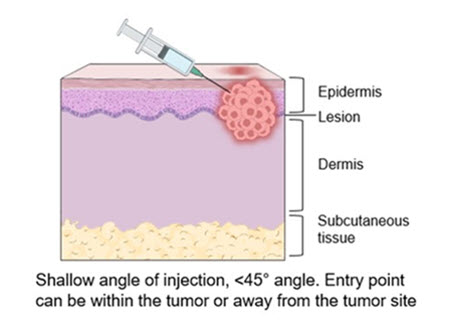
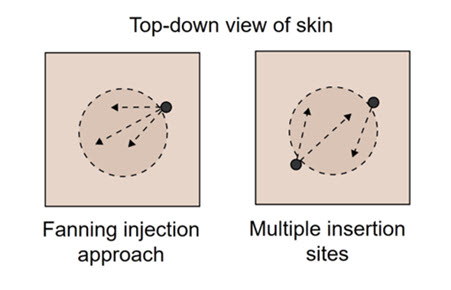
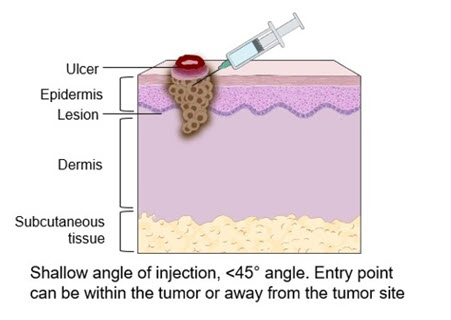
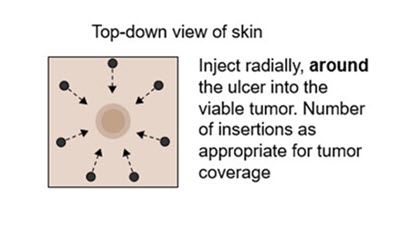
The efficacy of TUDRIQEV in combination with nivolumab was evaluated in an open-label, multiregional, single-arm study (IGNYTE; NCT03767348). The study enrolled adult patients with stage IIIB, IIIC, or IV unresectable advanced melanoma who had previously been treated with at least eight consecutive weeks of immediate prior anti-PD-1-based therapy and experienced disease progression while being on the anti-PD-1-based therapy and subsequently confirmed by imaging, biopsy or clinical observation.
The study excluded patients who had received prior oncolytic virus therapy, uncontrolled or untreated central nervous system (CNS) metastasis, an active or history of hepatitis B, hepatitis C, HIV infection, prior severe complications from HSV-1 infection, and patients requiring chronic systemic corticosteroids.
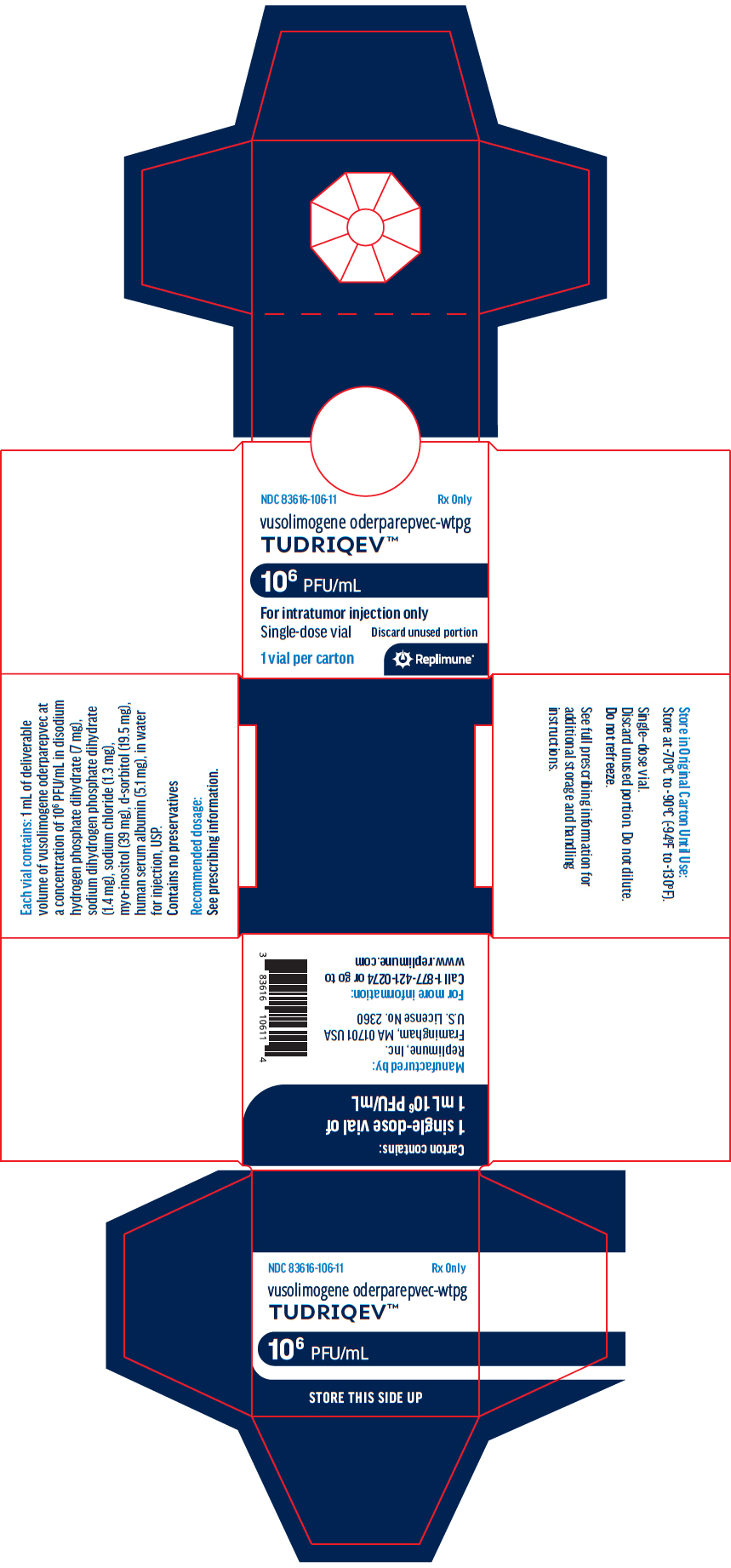
Patients received TUDRIQEV by intratumor injection every 2 weeks for 8 consecutive injections, starting at a concentration of 10
6PFU/mL at week 1 followed by TUDRIQEV at a concentration of 10
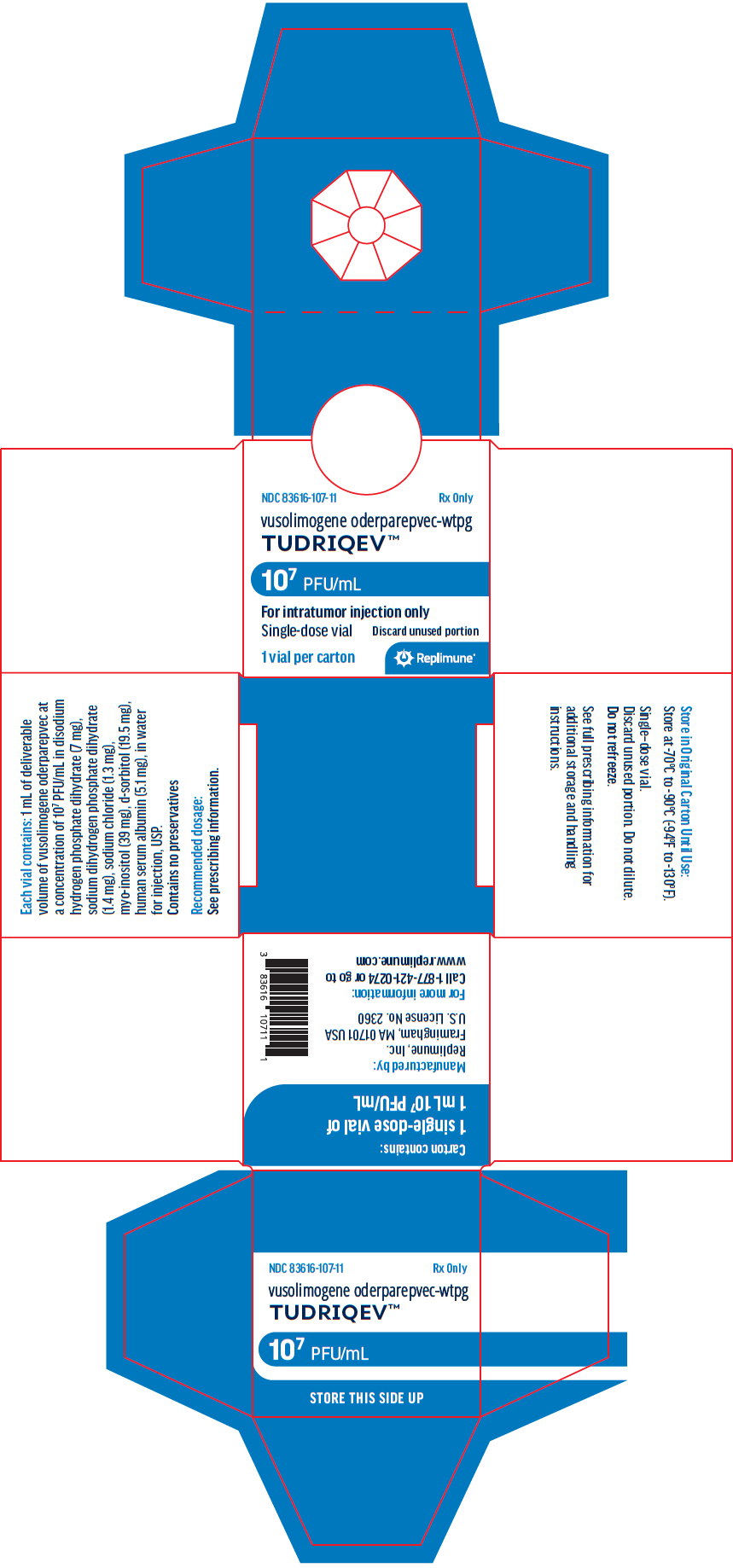
7PFU/mL for the remaining doses. Starting with the second dose of TUDRIQEV, nivolumab was administered at a dose of 240 mg by intravenous infusion every 2 weeks for 16 weeks followed by nivolumab single agent at a dose of 480 mg by intravenous infusion every 4 weeks for up to a total of 24 months.
At investigator discretion, patients could receive up to 16 additional doses of TUDRIQEV at a concentration of 10
7PFU/mL every 2 weeks either in combination with nivolumab or as monotherapy if nivolumab was previously stopped due to toxicity related to nivolumab.
Among the 140 patients, 91 patients with at least one noninjected lesion were included in the efficacy population (Table 3). Of those 91, the population characteristics were as follows: median age was 62 years (range: 23 to 91), 68% were male, 68% were White, 30% were of "unknown" race; Eastern Cooperative Oncology Group (ECOG) performance status was 0 (68%), 1 (32%); 80% had Stage IV disease. Of these 91 patients, 45%, 24%, and 7% of patients had lung, liver, and brain lesions, respectively. All patients received at least one prior anti-PD-1 based therapy. Prior anti-PD-1 therapy was given in the adjuvant treatment setting for 13% of patients. Tumor PD-L1 expression was negative (<1%) in 54% of patients.
The primary efficacy outcome was objective response rate (ORR) and the secondary outcome measure was duration of response (DOR). Tumor responses were assessed using radiographic imaging and/or caliper measurements with photography every 8 weeks.
The main efficacy results are summarized in Table 3.
Table 3: Efficacy Results for the IGNYTE Study| Endpoints | N=91 |
|---|
| Objective Response Rate |
|---|
| NR, not reached. |
| ORR % (95% CI) | 24.2 (15.8, 34.3) |
| Duration of response (DoR) |
| Median DoR in months (95% CI)
Estimated by Kaplan-Meier method. | 14.1 (10.7, NR) |
| DoR range, months | 3.9 to 34.6+ |
| % Patients with DoR ≥ 6 months
| 86.1 |
| % Patients with DoR ≥ 12 months
| 54.6 |