Tudriqev Injection, Suspension
FDA Label NDC 83616-107

Full FDA labeling including Indications, Dosage, Usage, and Precautions

Structured Product Label

The following Structured Product Label (SPL) was submitted to the FDA by Replimune, Inc. for the product Tudriqev (NDC 83616-107). This document serves as the official prescribing information, containing essential scientific data and clinical materials required for healthcare providers and patients.

This specific version of the label includes detailed information regarding 1 indications and usage, 2.1 recommended dosage, 2.2 preparation and handling, 2.3 administration, 3 dosage forms and strengths, 4 contraindications, 5.1 accidental exposure, 5.2 herpetic infection or reactivation, and other regulatory disclosures. Use the navigation below to review specific sections of the FDA submission.

1 Indications And Usage

TUDRIQEV™ is indicated in combination with nivolumab for the treatment of adult patients with unresectable advanced cutaneous melanoma who experienced disease progression with a programmed death receptor-1 (PD-1)-blocking antibody-based regimen.

This indication is approved under accelerated approval based on objective response rate (ORR) and duration of response [ see Clinical Studies (14)]. Continued approval for this indication may be contingent upon verification of clinical benefit in a confirmatory trial(s).

For intratumor injection only. DO NOT administer intravenously.

  • The recommended dosage of TUDRIQEV is 1 mL/cm of the largest dimension of the tumor for a maximum of 10 mL across all lesions treated with each dose.
  • Administer intratumor injections of TUDRIQEV every two weeks for 8 consecutive doses starting at a concentration of 10 6plaque-forming units (PFU) per mL at Week 1 followed by 10 7PFU per mL for subsequent weeks.
  • Assess the size of each injectable lesion on each treatment day to determine the required TUDRIQEV volume.
  • If multiple tumors are present, prioritize the most rapidly growing and largest new or existing lesions suitable for injection.
  • Patients with no confirmed disease progression could be retreated with TUDRIQEV at a concentration of 10 7PFU/mL every two weeks.

    Administer nivolumab as intravenous injection starting at Week 3. Refer to the nivolumab prescribing information for the dosage and administration information including dose modifications, preparation, and administration [see Clinical Studies (14)].

2.2 Preparation And Handling

  • Avoid accidental exposure to TUDRIQEV by wearing appropriate personal protective equipment (PPE). Observe standard precautions when preparing and administering TUDRIQEV [see Warnings and Precautions (5.1)].
  • Clean surfaces that may have come in contact with TUDRIQEV (including spills) with broad spectrum virucidal agent such as 70% isopropanol alcohol or 1% sodium hypochlorite.
  • Dispose of the used vials and all materials that may have come in contact with TUDRIQEV as biohazardous waste.
  • TUDRIQEV should be prepared by a healthcare professional experienced in the use of anticancer therapy.

    • Determine the volume required for injection [see Dosage and Administration (2.1)] .
    • Thaw TUDRIQEV vials inside the original carton at room temperature [15°C to 25°C (59°F to 77°F)] or during refrigeration [2°C to 8°C (36° to 46°F)]. DO NOT refreeze TUDRIQEV after thawing [see How Supplied/Storage and Handling (16.2)] .
    • Swirl gently, inspect vial. Particles may be visible [see Description (11)] . If settlement occurs, re-suspend by gently swirling. DO NOT shake.
    • Using aseptic technique, withdraw the required TUDRIQEV dosage volume from the vial(s) into the syringe(s) to be used for administration.
    • Select needles gauged between 17G and 27G based on the location and characteristics of the tumors to be injected. A higher needle gauge will allow for a smaller puncture in tissue and will reduce leakage of TUDRIQEV along the needle tract. A lower needle gauge is needed for fibrotic or deeper lesions.
    • Administer TUDRIQEV within 2 hours of syringe preparation [see How Supplied/Storage and Handling (16.2)] .

2.3 Administration

DO NOT administer TUDRIQEV into brain or spinal cord tumors or scalp tumors with moderate to extensive bone erosion. Avoid tumors that encase, invade, or occlude major blood vessels, major nerve structures, or airways. Avoid direct injection into blood vessels.

Pre-Injection

  • Clean the skin areas where the needle will be inserted with an alcohol swab and let dry.
  • Treat the injection site with a topical or local anesthetic agent, if necessary. DO NOT inject anesthetic agent directly into the lesion. Inject anesthetic agent around the periphery of the lesion.
  • Intratumor Injection into Nonulcerated Superficial Tumors

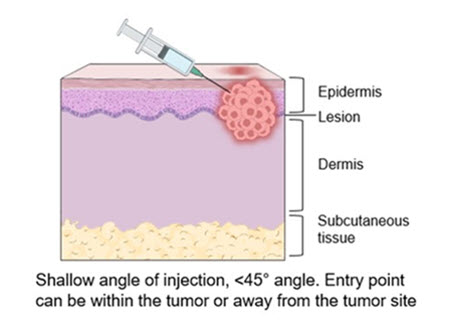
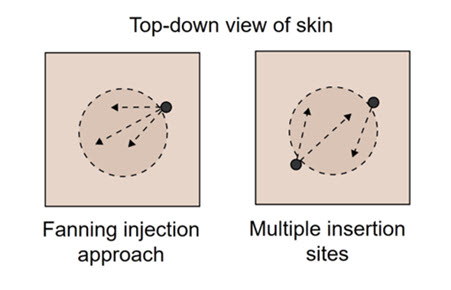
    Administer TUDRIQEV via direct intratumor injection into superficial tumors using visualization and palpation for guidance. Injection techniques are shown in Figure 1 and Figure 2.

    • Insert the needle from the periphery at a shallow angle (less than 45-degree) to the base of the tumor. Avoid areas of necrosis and target viable tumor tissue.
    • Using a single insertion point, partially inject TUDRIQEV slowly.
    • While keeping the needle inserted at a single insertion point, partially withdraw, and move the needle to different viable areas of the tumor as shown in Figure 1 and disperse TUDRIQEV as uniformly as possible throughout the tumor. Continue until the full dose is dispensed.
    • Multiple insertion sites may be needed, depending on the size of the tumor.
    • When removing the needle, withdraw from the tumor slowly to avoid leakage of TUDRIQEV at the insertion point.
    • Figure 1: Injection Administration for Nonulcerated Superficial Tumors
      Figure 1a (Tudriqev 01)

      Figure 1a (Tudriqev 01)

      Figure 1b (Tudriqev 02)

      Figure 1b (Tudriqev 02)

      Intratumor Injection into Ulcerated Superficial Tumors

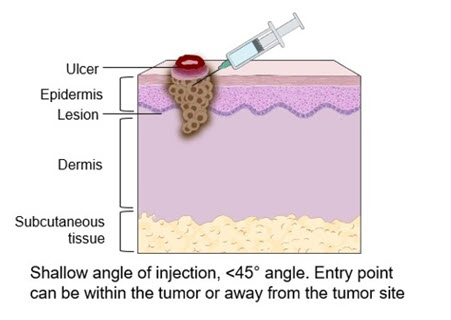
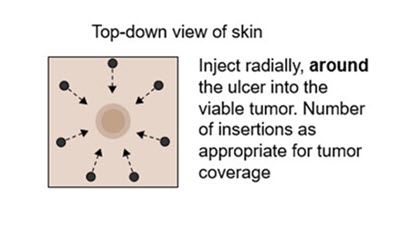
      • DO NOT inject TUDRIQEV through areas of ulceration and/or necrosis.
      • Insert the needle from the periphery at a shallow angle (less than 45-degree) to the base of the tumor.
      • Using multiple insertion points (radial insertion) as shown in Figure 2, partially inject TUDRIQEV slowly. Disperse TUDRIQEV as uniformly as possible throughout the tumor. Continue until the full volume is dispensed.
      • Withdraw from the tumor slowly to avoid leakage of TUDRIQEV at the insertion point.
      • Figure 2: Injection Administration for Ulcerated Cutaneous Tumors

        Figure 2a (Tudriqev 03)

        Figure 2a (Tudriqev 03)

        Figure 2b (Tudriqev 04)

        Figure 2b (Tudriqev 04)

        Intratumor Injection into Deep or Visceral Lesions

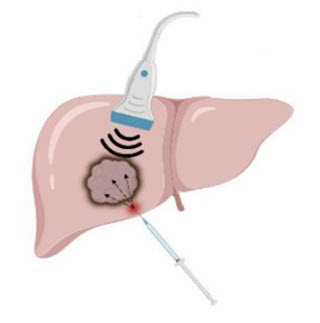
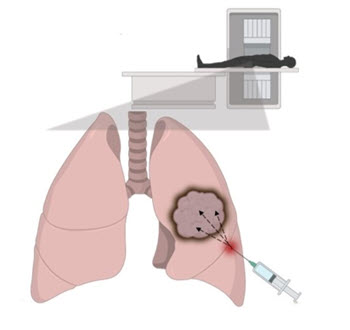
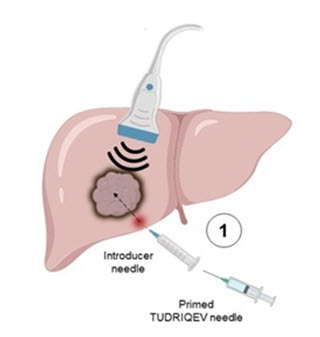
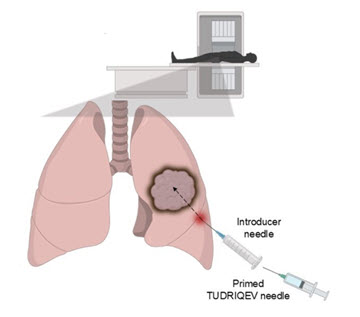
        Administer TUDRIQEV via direct intratumor injection into deep or visceral tumors guided by imaging technology. Consider the safest needle placement when selecting tumors for injection to avoid major vessels.

        • Select hepatic tumors that are at a safe distance from the main portal vein and common bile duct.
        • Select lung tumors that are at a safe distance from any lobar or segmental pulmonary arteries or veins or lobar or segmental bronchi. DO NOT inject tumors in both the right and left lung lobes on the same day.
        • Injection administration techniques in deep or visceral tumors are shown in Figure 3 (radial injection) and Figure 4 (coaxial injection).

          • Insert the needle into the tumor through a single insertion point to the distal end of the tumor. Multi-prong or multi-orifice needles may be used.
          • Partially inject TUDRIQEV slowly while withdrawing the needle from the tumor.
          • Redirect the needle as shown in Figure 3 and repeat steps until the full TUDRIQEV dose is dispensed.
          • When removing the needle, withdraw from the tumor slowly to avoid leakage of TUDRIQEV at the injection point.
          • Figure 3: Radial Injection Administration in Deep or Visceral Tumor

            Figure 3a (Tudriqev 05)

            Figure 3a (Tudriqev 05)

            Figure 3b (Tudriqev 06)

            Figure 3b (Tudriqev 06)

            Note: Visceral organs may also include the lung, kidney or other organs.

            If necessary for injection, insert an introducer needle into the visceral organ where the tumor is to be treated as shown in Figure 4.

            • Pass the primed higher gauge TUDRIQEV needle through the introducer needle into the target tumor and inject TUDRIQEV slowly.
            • Redirect the needles and repeat until the full TUDRIQEV dose is dispensed.
            • When removing the needle, withdraw from the tumor slowly to avoid leakage of TUDRIQEV at the injection point.
            • Figure 4: Coaxial Injection Administration in Visceral Tumor with Image Guidance

              Figure 4a (Tudriqev 07)

              Figure 4a (Tudriqev 07)

              Figure 4b (Tudriqev 08)

              Figure 4b (Tudriqev 08)

              Note: Visceral organs may also include the lung, kidney or other organs.

              Post-Injection

              • Swab the injection site(s) and surrounding area with alcohol.
              • Change gloves and apply a sterile occlusive dressing at each injection site. Instruct patients to keep the injection site(s) covered for at least 48 hours.
              • Clean surfaces that may have come in contact with TUDRIQEV (including spills) with broad spectrum virucidal agent such as 70% isopropanol or 1% sodium hypochlorite.
              • Dispose of all materials (e.g. syringe, gloves, cleaning materials) that may have come in contact with TUDRIQEV as biohazardous waste.
              • Monitor patients post injection for procedure related reactions and for at least 2 to 4 hours in patients undergoing injections for liver, lung, or kidney tumors.

3 Dosage Forms And Strengths

TUDRIQEV is a colorless, translucent to opaque suspension provided as a 1 mL extractable volume in a single-dose vial in the following concentrations:

  • Starting dose: 10 6(1 million) PFU per mL suspension (white cap)
  • Subsequent doses: 10 7(10 million) PFU per mL suspension (blue cap)

4 Contraindications

None.

5.1 Accidental Exposure

Accidental exposure of TUDRIQEV to close contacts may lead to transmission of herpetic infection. Healthcare providers, caregivers, close contacts, pregnant women, newborns, and patients should avoid direct contact with injected tumors, dressings, or bodily fluids of patients [see Use in Specific Populations (8.1)].

Healthcare providers and caregivers must wear protective gloves when applying or changing dressings and dispose of used dressings, gloves, and cleaning materials as biohazardous waste [see Dosage and Administration (2.2)] .

If an accidental exposure to TUDRIQEV occurs (e.g. touching or scratching the unprotected injection site or dressings), exposed individuals should clean the affected area with soap and water. If signs and symptoms of herpetic infection develop, exposed individuals should contact their healthcare provider for assessment and treatment as clinically warranted.

5.2 Herpetic Infection Or Reactivation

There is a potential risk for herpetic infection or reactivation after TUDRIQEV administration. Patients with suspected herpetic infections should contact their healthcare provider for assessment and antiviral treatment of the suspected herpetic infection as clinically warranted.

5.3 Injection Procedure Complications

Complications related to injection procedure have occurred, including but not limited to hemorrhage, infection, and visceral injury (for example: pneumothorax). [see Adverse Reaction (6.1)]. Monitor patients for signs and symptoms of visceral injury during and after TUDRIQEV administration and manage according to clinical practice.

5.4 Immune-Mediated Events

TUDRIQEV in combination with nivolumab may result in immune-mediated events. In clinical studies, immune-mediated events, including colitis, hepatitis, myocarditis, neuropathy, capillary leak syndrome, dermatitis, and vitiligo have been reported in patients treated with TUDRIQEV and nivolumab [see Adverse Reaction (6.1)].

6.1 Clinical Trials Experience

Because clinical trials are conducted under widely varying conditions, adverse reaction rates observed in the clinical trials of a drug cannot be directly compared to rates in the clinical trials of another drug and may not reflect the rates observed in practice.

The safety data described in this section reflect exposure of TUDRIQEV administered with nivolumab in 140 patients evaluated in the IGNYTE Study [ see Clinical Studies (14)].

Patients received a median of 8 doses (range 1 to 32) of TUDRIQEV, and 7 (range 0 to 29) doses of nivolumab during the study. The median duration of the first course of TUDRIQEV and nivolumab exposure was 3.3 months (range 0.5 to 5.1 months) and 3.2 months (range 0 to 24.4 months), respectively.

Serious adverse reactions occurring in >1% patients include pleural effusion (n=3), acute kidney injury (n=2), arthralgia (n=2), atrial fibrillation (n=2), atrial flutter (n=2), cancer pain (n=2), hypophysitis (n=2), immune-mediated enterocolitis (n=2), pyrexia (n=2), sepsis (n=2), urinary tract infection (n=2), and myocardial infarction (n=2). Serious adverse reactions leading to death include myocardial infarction (n=1) and multiple organ dysfunction (n=1). Adverse reactions leading to discontinuation of treatment occurred in 22 (16%) patients.

Table 1 summarizes the most common adverse reactions that occurred in ≥10% patients in the IGNYTE Study.

Table 1: Adverse Reactions Occurring in ≥10% of Patients in IGNYTE Study (N=140)
  Adverse Reactions

Graded per National Cancer Institute Common Terminology Criteria for Adverse Events version 5.0. None of the common adverse reactions were Grade 4 or 5

All Grades
n (%)
Grade ≥ 3
n (%)
Gastrointestinal--
Nausea40 (29)0 (0)
Diarrhea

a composite that includes multiple related terms

41 (29)3 (2)
Vomiting24 (17)0 (0)
Constipation22 (16)0 (0)
Decreased appetite18 (13)2 (1)
Abdominal pain 14 (10)3 (2)
General disorders and administration site conditions--
Fatigue 82 (59)4 (3)
Pyrexia 54 (39)0 (0)
Chills45 (32)0 (0)
Injection site reaction 37 (26)0 (0)
Influenza like illness 25 (18)0 (0)
Edema 14 (10)4 (3)
Infections and Infestations--
Infections 47 (34)8 (6)
Musculoskeletal and connective tissue disorders--
Musculoskeletal pain 45 (32)4 (3)
Arthralgia 23 (16)2 (1)
Nervous system disorders--
Headache26 (19)0 (0)
Dizziness 21 (15)1 (1)
Respiratory, thoracic and mediastinal disorders--
Cough 25 (18)0 (0.0)
Dyspnea 16 (11)1 (1)
Skin and subcutaneous tissue disorders--
Rash 25 (18)2 (1)
Pruritus24 (17)0 (0.0)
Vascular disorders

Hemorrhage 15 (11)2 (1)

Other clinically significant adverse reactions occurring less than 10% include visceral injury including pneumothorax (n= 3), oral herpes (n=2), herpes simplex (n=1), and herpes simplex reactivation (n=1).

Table 2 presents the most common laboratory abnormalities that worsened from baseline in ≥10% of patients in the IGNYTE Study.

Table 2: Laboratory Values Worsening from Baseline in ≥10% in IGNYTE (N=140)
Laboratory Abnormalities

Graded per National Cancer Institute Common Terminology Criteria for Adverse Events version 5.0.

All Grades (%)Grades 3-4 (%)
  Anemia57 (41)7 (5)
  Lymphocyte count decreased40 (29)7 (5)
  Lipase increased36 (26)13 (9)
  Hyponatremia34 (24)3 (2)
  Hypophosphatemia33 (24)3 (2)
  Alkaline phosphatase (ALP) increased30 (21)1 (1)
  Hypoalbuminemia28 (20)1 (1)
  Aspartate aminotransferase (AST) increased26 (19)2 (1)
  Alanine aminotransferase (ALT) increased23 (16)3 (2)
  Hypokalemia23 (16)1(1)
  Hyperkalemia22 (16)0
  Creatinine increased21 (15)0
  Hypoglycemia17 (12)1 (1)
  Serum amylase increased16 (11)3 (2)

7.1 Effects Of Antivirals

Antiviral medications may reduce the efficacy of TUDRIQEV. Patients receiving systemic antiviral treatment for herpetic infection should delay TUDRIQEV treatment for 72 hours after completion of antiviral therapy.

8.1 Pregnancy

Risk Summary

There are no available data with TUDRIQEV in pregnant women to inform a drug-associated risk.

The estimated background risk of major birth defects and miscarriage for the indicated population is unknown. In the U.S. general population, the estimated background risk of major birth defects and miscarriage in clinically recognized pregnancies is 2% to 4% and 15% to 20%, respectively.

Clinical Considerations

If the patient becomes pregnant during treatment with TUDRIQEV, the patient should be apprised that there may be potential hazards to the fetus and neonate. Women of childbearing potential should be advised to use an effective method of contraception to prevent pregnancy during treatment with TUDRIQEV, and 90 days after the last dose of TUDRIQEV.

Animal Data

In an embryofetal development study in pregnant rats, TUDRIQEV was intravenously administered at 5x10 6(5 million) PFU per kg once every three days during fetal organogenesis (gestational days 4 through 16) and was not associated with placental transfer of TUDRIQEV, adverse maternal findings, or treatment-related effects on embryo-fetal development.

8.2 Lactation

Risk Summary

There are no data available on the presence of TUDRIQEV in human milk, the effects on the breastfed infant, or the effects on milk production.

The developmental and health benefits of breastfeeding should be considered along with the mother's clinical need for TUDRIQEV and any potential adverse effects on the breastfed child from TUDRIQEV or from the underlying maternal condition.

8.3 Females And Males Of Reproductive Potential

Pregnancy Testing

Verify the pregnancy status of females of reproductive potential prior to initiating TUDRIQEV [see Use in Specific Populations (8.1)] .

Contraception

Females

Advise females of reproductive potential to use effective contraception during treatment with TUDRIQEV and for 90 days after the last dose [see Use in Specific Populations (8.1)] .

Males

Advise males with a female partner of reproductive potential to use effective contraception, and to refrain from donating sperm during treatment with TUDRIQEV and for 90 days after the last dose [see Use in Specific Populations (8.1)] .

Infertility

Females and Males

No nonclinical or clinical studies were performed to evaluate the effect of TUDRIQEV on fertility.

8.4 Pediatric Use

Safety and efficacy of TUDRIQEV have not been established in pediatric patients.

8.5 Geriatric Use

In the IGNYTE Study, 57 out of 140 patients (41%) were 65 years of age or older, and 20 (14%) were 75 years of age and older. No overall difference in safety or effectiveness was observed in patients over 65 years of age, including patients over 75 years of age, when compared with younger adult patients.

11 Description

TUDRIQEV (vusolimogene oderparepvec-wtpg) is a genetically modified herpes simplex virus, type 1 (HSV-1) oncolytic viral therapy that encodes a fusogenic glycoprotein derived from gibbon ape leukemia virus with the R sequence deleted (GALV-GP-R ) and human granulocyte-macrophage colony-stimulating factor (GM-CSF). The genes encoding the HSV-1 neurovirulence factor ICP34.5 and the transporter associated with antigen presentation inhibitor ICP47 are deleted from TUDRIQEV.

TUDRIQEV is a sterile frozen, preservative free, suspension for intratumor injection provided in single-dose glass vials. Each vial contains an extractable volume of 1 mL of TUDRIQEV at a concentration of either 10 6PFU/mL or 10 7PFU/mL formulated in disodium hydrogen phosphate dihydrate (7 mg), sodium dihydrogen phosphate dihydrate (1.4 mg), sodium chloride (1.3 mg), myo-inositol (39 mg), d-sorbitol (19.5 mg), recombinant human serum albumin (5.1 mg) with water for injection.

After thawing, TUDRIQEV is a colorless, translucent to opaque suspension and may contain visible, white to off-white, or colorless particles or fibers that may appear globular or amorphous. These particulates are inherent to the formulation.

12.1 Mechanism Of Action

TUDRIQEV is an oncolytic viral therapy which preferentially replicates within the tumor leading to tumor lysis, release of tumor and viral antigens, proinflammatory molecules, and infiltration of T cells. The GALV-GP-R expressed by TUDRIQEV increases direct tumor killing and the GM-CSF expressed by TUDRIQEV is intended to activate and mature dendritic cells and monocytes. In the anti-PD-1 resistant setting, TUDRIQEV and nivolumab in combination may promote an anti-tumor immune response.

12.2 Pharmacodynamics

No studies have been performed to evaluate the pharmacodynamics of TUDRIQEV.

12.3 Pharmacokinetics

Biodistribution and Viral Shedding

In the IGNYTE Study, TUDRIQEV biodistribution and viral shedding were assessed using a quantitative polymerase chain reaction (qPCR) assay. Blood, urine, and swab samples were collected from injection site(s), injection-site(s) dressings, and oral mucosa of 278 patients receiving TUDRIQEV. Samples were collected before dosing, during treatment, at 30 and 60 days following the last TUDRIQEV injection, and up to 100 days after the last dose of study treatment (either TUDRIQEV or nivolumab). Patients were asked to report any appearance of herpetic-like lesions in caregivers or close contacts. As the presence of DNA does not equate to live/infectious TUDRIQEV, DNA-positive swab samples were further assessed in a validated 50% tissue culture infectious dose (TCID50) assay, which detects live TUDRIQEV.

TUDRIQEV DNA was detected in blood samples from 53 out of 274 (19%) patients within 6 hours of injection with decreasing levels thereafter. TUDRIQEV DNA was detected in 3 out of 1976 (0.2%) urine samples. TUDRIQEV is cleared from both blood and urine after 30 days, with all samples from follow-up visits testing negative for TUDRIQEV DNA. No sample had detectable TUDRIQEV DNA 30-days after the end of treatment in blood, urine, swab samples collected from injection site(s), injection-site(s) dressing, or oral mucosa. TUDRIQEV DNA was detected on the surface of injected lesions in 112 of 266 (42%) patients, and 358 of 1947 (18%) tested samples. Consistent with the kinetics of TUDRIQEV replication in tumors, TUDRIQEV DNA was present at the injection site up to 15 days post injection in approximately 20% of patients. The incidence of detection of TUDRIQEV DNA in the exterior of injection site dressings was lower than at the injection site with samples from 43 of 207 (21%) patients' exterior of injection-site dressing samples testing positive for TUDRIQEV DNA. Positive samples were further assessed for live TUDRIQEV. Out of 314 samples, 4 tested positive by TCID50. The reported incidence of TUDRIQEV transmission to close contacts was 0%.

No differences in the incidence of detectable TUDRIQEV DNA were observed between patients who were HSV-1 seronegative or seropositive at baseline.

13.1 Carcinogenesis, Mutagenesis, Impairment Of Fertility

Carcinogenesis, Mutagenesis, Impairment of Fertility

No studies have been conducted with TUDRIQEV to assess its mutagenic or carcinogenic potential or effects on male fertility [see Use in Specific Populations (8.1)] .

14 Clinical Studies

The efficacy of TUDRIQEV in combination with nivolumab was evaluated in an open-label, multiregional, single-arm study (IGNYTE; NCT03767348). The study enrolled adult patients with stage IIIB, IIIC, or IV unresectable advanced melanoma who had previously been treated with at least eight consecutive weeks of immediate prior anti-PD-1-based therapy and experienced disease progression while being on the anti-PD-1-based therapy and subsequently confirmed by imaging, biopsy or clinical observation.

The study excluded patients who had received prior oncolytic virus therapy, uncontrolled or untreated central nervous system (CNS) metastasis, an active or history of hepatitis B, hepatitis C, HIV infection, prior severe complications from HSV-1 infection, and patients requiring chronic systemic corticosteroids.

Patients received TUDRIQEV by intratumor injection every 2 weeks for 8 consecutive injections, starting at a concentration of 10 6PFU/mL at week 1 followed by TUDRIQEV at a concentration of 10 7PFU/mL for the remaining doses. Starting with the second dose of TUDRIQEV, nivolumab was administered at a dose of 240 mg by intravenous infusion every 2 weeks for 16 weeks followed by nivolumab single agent at a dose of 480 mg by intravenous infusion every 4 weeks for up to a total of 24 months.

At investigator discretion, patients could receive up to 16 additional doses of TUDRIQEV at a concentration of 10 7PFU/mL every 2 weeks either in combination with nivolumab or as monotherapy if nivolumab was previously stopped due to toxicity related to nivolumab.

Among the 140 patients, 91 patients with at least one noninjected lesion were included in the efficacy population (Table 3). Of those 91, the population characteristics were as follows: median age was 62 years (range: 23 to 91), 68% were male, 68% were White, 30% were of "unknown" race; Eastern Cooperative Oncology Group (ECOG) performance status was 0 (68%), 1 (32%); 80% had Stage IV disease. Of these 91 patients, 45%, 24%, and 7% of patients had lung, liver, and brain lesions, respectively. All patients received at least one prior anti-PD-1 based therapy. Prior anti-PD-1 therapy was given in the adjuvant treatment setting for 13% of patients. Tumor PD-L1 expression was negative (<1%) in 54% of patients.

The primary efficacy outcome was objective response rate (ORR) and the secondary outcome measure was duration of response (DOR). Tumor responses were assessed using radiographic imaging and/or caliper measurements with photography every 8 weeks.

The main efficacy results are summarized in Table 3.

Table 3: Efficacy Results for the IGNYTE Study
EndpointsN=91
Objective Response Rate
NR, not reached.
  ORR % (95% CI)24.2 (15.8, 34.3)
Duration of response (DoR)
  Median DoR in months (95% CI)

Estimated by Kaplan-Meier method.

14.1 (10.7, NR)
  DoR range, months3.9 to 34.6+
    % Patients with DoR ≥ 6 months 86.1
    % Patients with DoR ≥ 12 months 54.6

16.1 How Supplied

TUDRIQEV is supplied as a sterile frozen liquid in a single-dose borosilicate glass vial with a bromobutyl stopper, aluminum seal, and a flip-off plastic cap. TUDRIQEV is a suspension that is not under pressure and is not aerosolized.

Each vial contains an extractable volume of 1 mL for injection.

The vial polypropylene cap is color coded:

  • 10 6PFU per mL is white [NDC: 83616-106-01 (vial); NDC: 83616-106-11 (carton)]
  • 10 7PFU per mL is blue [NDC: 83616-107-01 (vial); NDC: 83616-107-11 (carton)]

16.2 Storage And Handling

  • Protect TUDRIQEV from light. Store in the original carton until use.
  • Store TUDRIQEV at -70°C to -90°C (-94°F to -130°F). If a freezer is not available, refer to Table 4 for refrigeration guidelines.
  • Thaw TUDRIQEV immediately prior to administration [see Dosage and Administration (2.2)]. DO NOT refreeze.
  • Table 4: Storage of Thawed TUDRIQEV in Vial and Syringe
    Storage ConditionThawed VialPrepared Syringe
    Refrigeration:
    2°C to 8°C (36°F to 46°F)
    10 6PFU/mL vial
    up to 2 days
    10 7PFU/mL vial
    up to 10 days
    Use within 2 hours of preparation
    Room temperature:
    15°C to 25°C (59°F to 77°F)
    Up to 24 hoursUse within 2 hours of preparation

17 Patient Counseling Information

Discuss following with patients and/or caregivers.

  • Accidental exposure to TUDRIQEV:Inform patients and/or caregivers that accidental exposure of TUDRIQEV to close contacts and caregivers may lead to transmission of herpetic infection. To prevent the risk of accidental exposure and viral transmission, instruct patients, caregiver, and close contacts on following.
    • Avoid unprotected direct contact with injection sites, dressing, and bodily fluid of patients.
    • Avoid touching or scratching the injection sites.
    • Wash hands thoroughly in case of direct contact and prior to and after changing the dressing.
    • Keep the injection site(s) covered with the dressing for at least 48 hours. Replace the dressing if it falls off. Wear gloves when removing and replacing the dressing.
    • Place used dressing, gloves, and cleaning materials in sealed plastic bags prior to disposal in household waste.
    • If an accidental exposure to TUDRIQEV occurs (e.g. touching or scratching the unprotected injection site or dressings), exposed individuals should clean the affected area with soap and water. If signs and symptoms of herpetic infection develop, exposed individuals should contact their healthcare provider for assessment and treatment as clinically warranted [see Dosage and Administration (2.2), Warnings and Precautions (5.1), and Use in Specific Populations (8.1, 8.3)].

      • Herpetic infection or reactivation:Inform patients and or caregivers that there is potential risk of herpetic infection or reactivation after TUDRIQEV administration. Instruct patients to immediately report to their healthcare provider suspected herpetic lesions (e.g., small bumps that turn into blisters or sores) [see Warnings and Precautions (5.2)].
      • Injection procedure complications:Inform patients and/or caregivers that there is potential for hemorrhage, infection, and if administered into visceral sites, visceral injury (for example, pneumothorax), with TUDRIQEV administration. Seek immediate medical care if sign and symptoms of hemorrhage, infection, or visceral injury occur [see Warnings and Precautions (5.3)].
      • Patients receiving anti-viral therapy:Advise patients that TUDRIQEV treatment may be delayed due to the administration of anti-viral therapy or certain vaccines [see Drug Interactions (7.1).
      • Pregnancy:
        • Advise pregnant female patients of the risks.
        • Advise females of reproductive potential and males with a female partner of reproductive potential to use effective contraception during treatment with TUDRIQEV and for 90 days after the final dose of TUDRIQEV.
        • Advise male patients to refrain from donating sperm during treatment with TUDRIQEV and for 90 days after the final dose of TUDRIQEV.
        • Lactation: Advise women not to breastfeed during treatment with TUDRIQEV and for 90 days after the final dose of TUDRIQEV [see Use in Specific Populations (8.2)].

Other

Manufactured by:

Replimune, Inc.
33 New York Ave Ste 100, Framingham, MA 01701.
US License No. 2360

Marketed by:

Replimune, Inc.
500 Unicorn Park Drive
Woburn, MA 01801

For more information, call 1-877-375-0095 or go to www.TUDRIQEV.com

TUDRIQEV™ is a trademark of Replimune, Inc.

©2026 Replimune, Inc. All rights reserved.

Spl Patient Package Insert

PATIENT PACKAGE INSERT
TUDRIQEV™ (TOO-drih-kev) (vusolimogene oderparepvec-wtpg) suspension for intratumor injection
The content of this Patient Medication Information has been approved by the U.S. Food and Drug AdministrationRevised: 08/2026    
TUDRIQEV Is:
  • Used with nivolumab to treat adults with advanced melanoma who have previously received an anti-PD-1-based regimen.
Important Safety Information
Warnings:
  • Avoid touching or scratching the injection sites and dressing to prevent the transfer of TUDRIQEV. You or your caregiver should always wear gloves when replacing or changing your injection site dressings.
  • TUDRIQEV may cause a new or a reactivation of the common cold sore (herpes simplex virus, type 1). If you develop a cold sore after treatment with TUDRIQEV, contact your doctor to provide a swab for testing. You may also call TUDRIQEV Medical Information for guidance at 1-877-375-0095.
  • Injections of TUDRIQEV into tumors in your liver, lung or other organs may cause injury that requires further monitoring or treatment.
  • Serious side effects:
    TUDRIQEV may cause serious side effects. Call your healthcare provider right away if you develop any of the following signs and symptoms:
    • Joint pain
    • Headache, vision changes, dizziness or tiredness, which may be signs of inflammation of the pituitary gland
    • Abdominal pain, cramping, diarrhea, nausea
    • Fever
    • Drug Interactions
      Tell your doctor if you have received antiviral medicine such as acyclovir. TUDRIQEV might not be effective if given within 72 hours of these medicines.
      Special Population
      Both men and women should use effective birth control during treatment and for 90 days after the last TUDRIQEV injection. Talk to your healthcare provider for more information.
      Tell your health care provider:
      • If you are breastfeeding or plan to breastfeed. You should not breastfeed during your treatment and for 90 days after your last injection of TUDRIQEV.
      • If you are pregnant or plan to become pregnant. For women, your healthcare provider should advise you to take a pregnancy test before starting your TUDRIQEV treatment.
      • If you become pregnant during your TUDRIQEV treatment.
      • About all the medications you take including prescription and over-the-counter medicines, vitamins, and herbal supplements.
Common Side Effects:
The most common side effects of TUDRIQEV with nivolumab treatment include:
 
  • Tiredness
  • Chills
  • Diarrhea
  • Infection
  • Joint or muscle pain
  • Fever
  • Nausea
  • Injection Site Reactions (redness, pain, or swelling)
  • Flu-like illness or symptoms
These are not all of the possible side effects of TUDRIQEV. Call your health care provider if you have side effects that worsen or do not go away. You may also report side effects to FDA at 1-800-FDA-1088 or www.fda.gov/medwatch.
Directions for Use
TUDRIQEV is given by your healthcare provider and is not self-administered. After injection, keep the injection site(s) covered for at least 48 hours.
Marketed by Replimune, Inc. Woburn, MA 01801

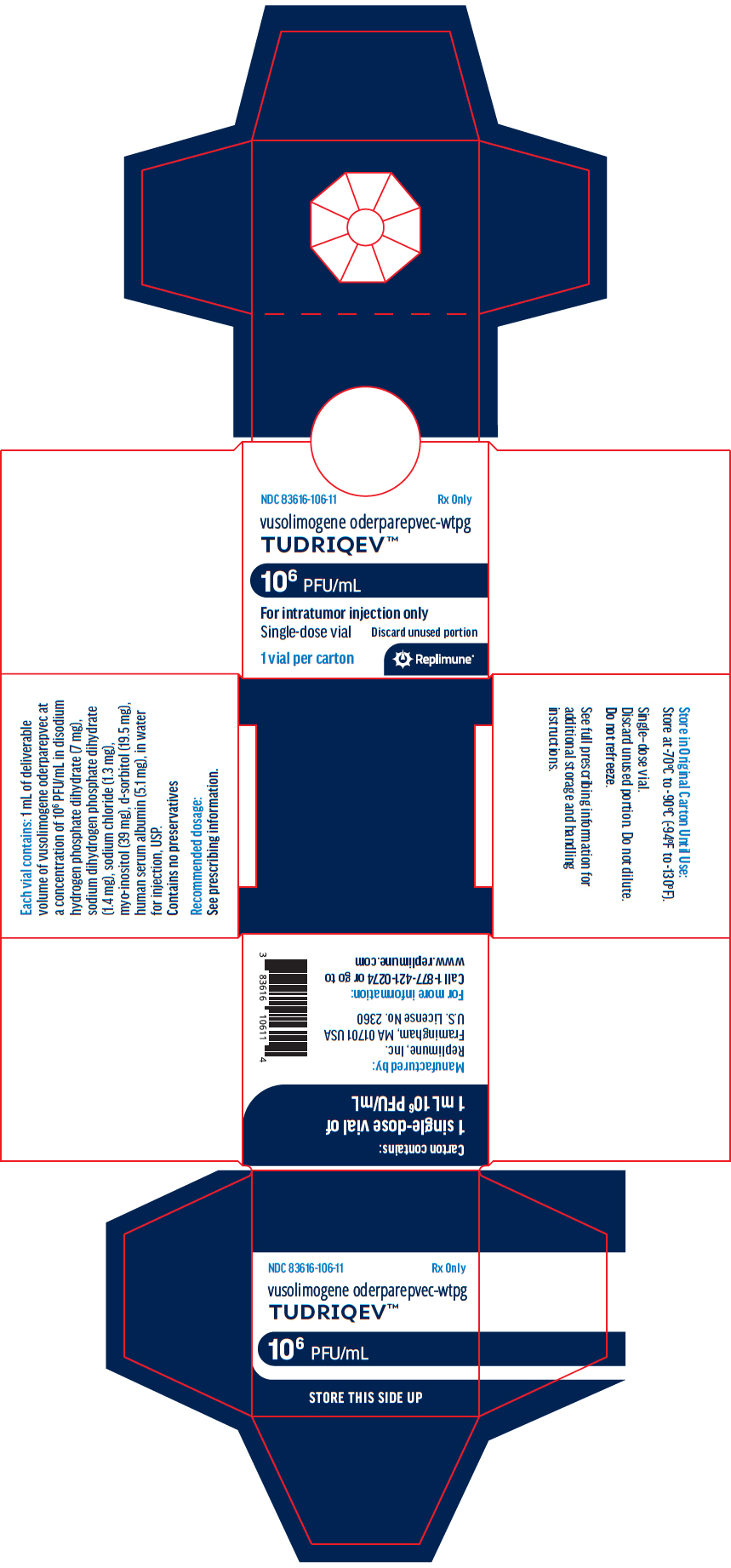
Principal Display Panel - 10 6Pfu/Ml Vial Carton

NDC 83616-106-11
Rx Only

vusolimogene oderparepvec-wtpg

TUDRIQEV™

10 6PFU/mL

For intratumor injection only

Single-dose vial

Discard unused portion

1 vial per carton

Replimune ®

Principal Display Panel (10^6 PFU/mL Vial Carton)

Principal Display Panel (10^6 PFU/mL Vial Carton)

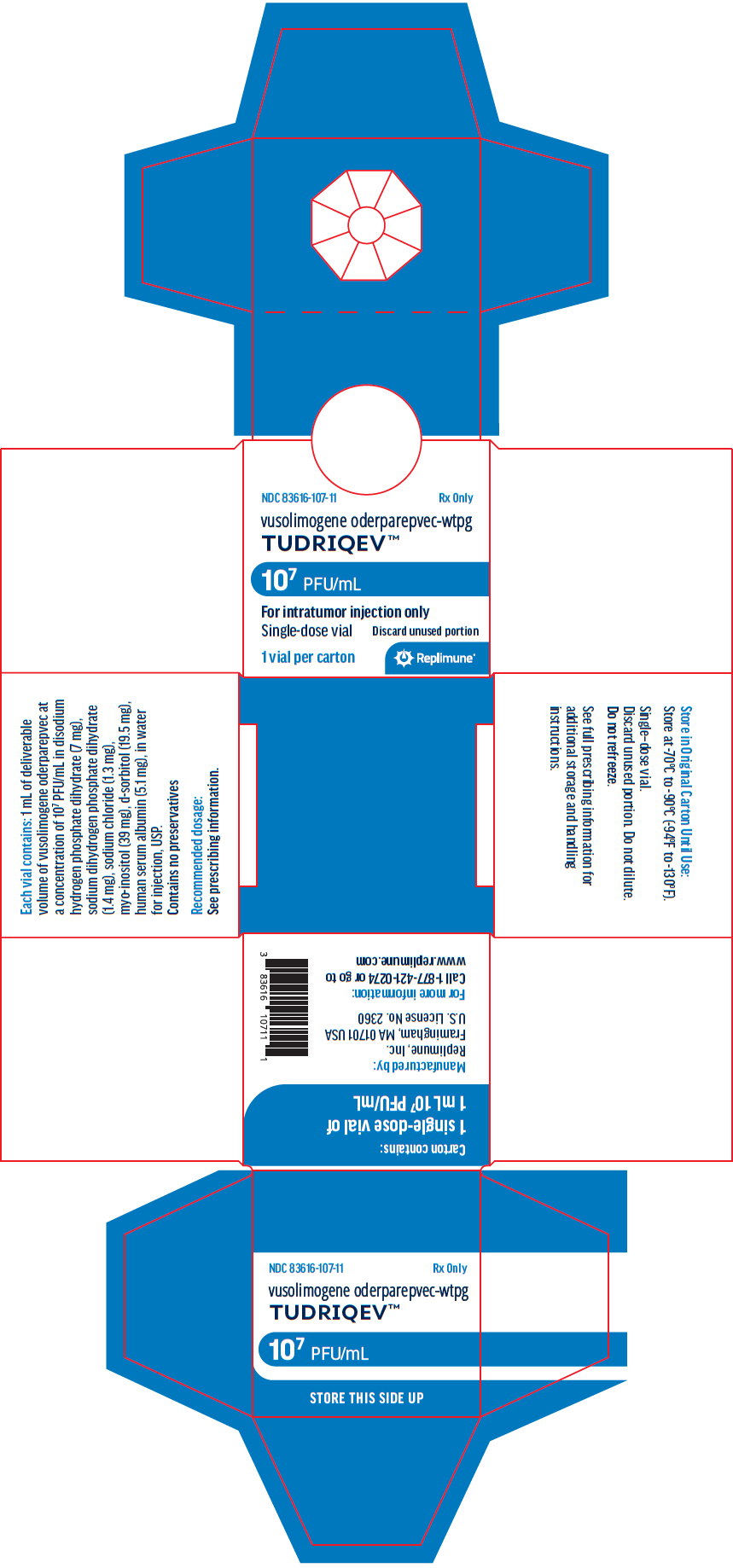
Principal Display Panel - 10 7Pfu/Ml Vial Carton

NDC 83616-107-11
Rx Only

vusolimogene oderparepvec-wtpg

TUDRIQEV™

10 7PFU/mL

For intratumor injection only

Single-dose vial

Discard unused portion

1 vial per carton

Replimune ®

Principal Display Panel (10^7 PFU/mL Vial Carton)

Principal Display Panel (10^7 PFU/mL Vial Carton)

* Please review the disclaimer below.