Onion Biotinshampoo
Product Images NDC 84025-147

View Photos of Packaging, Regulatory Labels, and Product Appearance

Product Visual Gallery

This gallery contains 2 technical images submitted to the FDA as part of the official labeling for Onion Biotinshampoo (NDC 84025-147). Unlike standard consumer photos, these assets often include clinical data figures, molecular chemical structures, and official manufacturer packaging layouts.

As provided by Guangzhou Yanxi Biotechnology Co.. Ltd, these visuals offer a comprehensive scientific overview of the product's physical and chemical identity, aiding pharmacists and researchers in product verification and study.

FDA Label Image

1fb1bda2 E72a 0230 E063 6294a90aec27
1fb1bda2 E72a 0230 E063 6294a90aec27
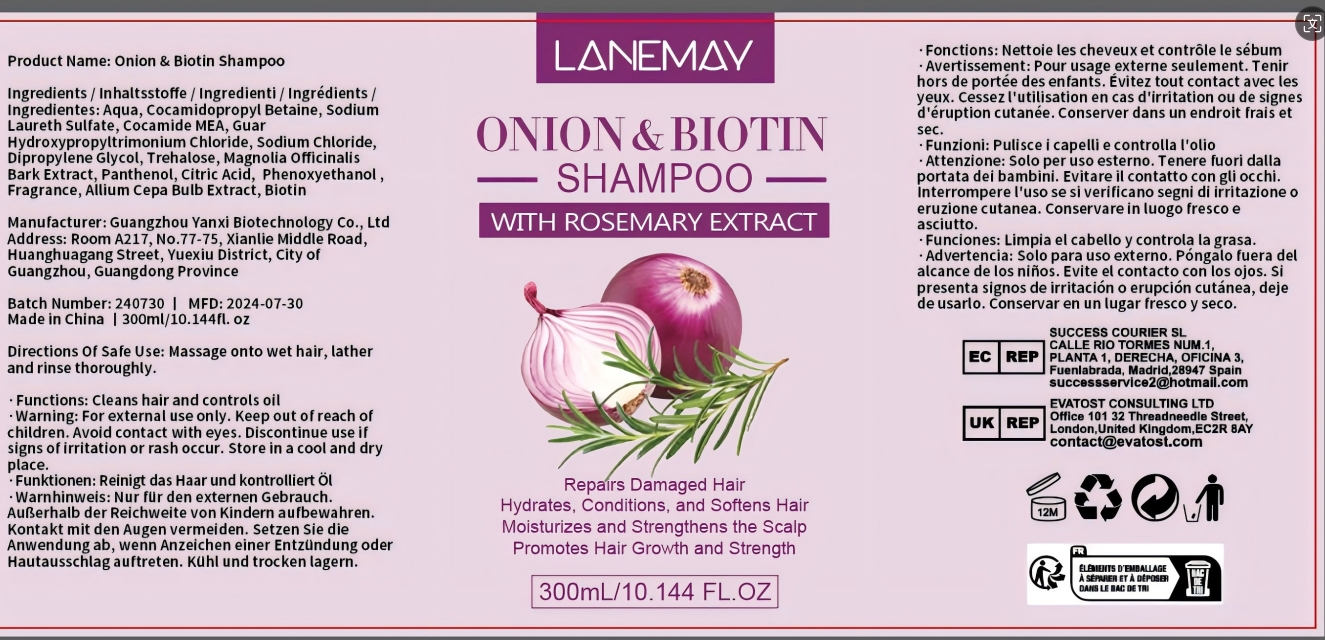
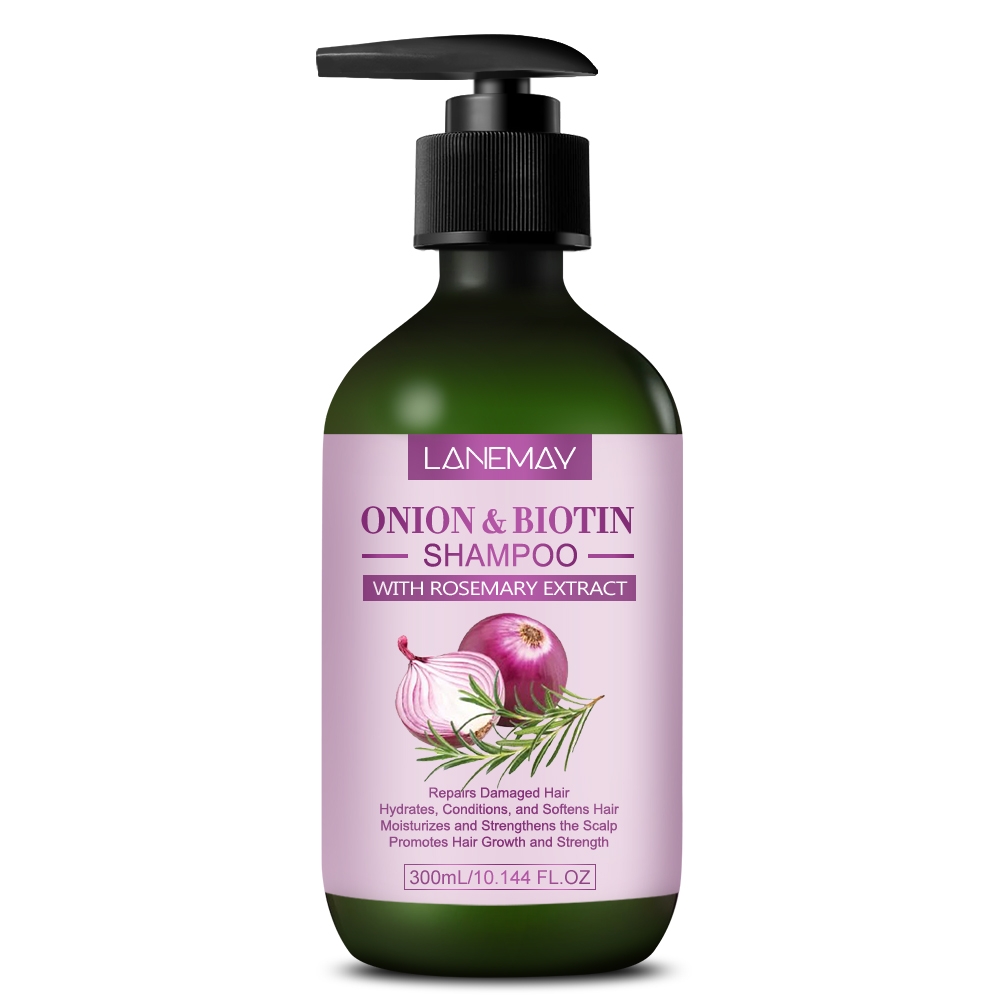
This is a shampoo containing onion and biotin that helps to repair damaged hair. It hydrates, conditions, and softens the hair while moisturizing and strengthening the scalp. Additionally, it promotes hair growth and strength. The product comes in a 300mL/10.144 FL.OZ size.*
FDA Label Image

Biaoqian (Biao1)

Biaoqian (Biao1)
Description: This product is an Onion & Biotin Shampoo designed to clean hair, control oil, and promote hair growth and strength. The shampoo contains ingredients such as Aqua, Cocamidopropyl Betaine, Sodium Laureth Sulfate, and Biotin. It comes in a 300ml/10.144 FL.OZ container and is manufactured by Guangzhou Yanxi Biotechnology Co., Ltd in China. Directions for safe use include massaging onto wet hair, lathering, and rinsing thoroughly. Additional functions include repairing damaged hair, hydrating, conditioning, and softening hair, as well as moisturizing and strengthening the scalp. The product is meant for external use only and should be kept out of reach of children. In case of irritation or rash, discontinue use and store in a cool, dry place. The manufacturer's address is Room A217, No.77-75, Xianlie Middle Road, Huanghuagang Street, Yuexiu District, City of Guangzhou, Guangdong Province.*

* These product label images have been analyzed using experimental machine learning. Please verify findings with the primary label text.