Diclofenac Sodium Gel
Product Images NDC 84386-120

View Photos of Packaging, Regulatory Labels, and Product Appearance

Product Visual Gallery

This gallery contains 15 technical images submitted to the FDA as part of the official labeling for Diclofenac Sodium (NDC 84386-120). Unlike standard consumer photos, these assets often include clinical data figures, molecular chemical structures, and official manufacturer packaging layouts.

As provided by Aurobindo Pharma Limited, these visuals offer a comprehensive scientific overview of the product's physical and chemical identity, aiding pharmacists and researchers in product verification and study.

FDA Label Image

Figure 1 (Diclofenac Fig1)
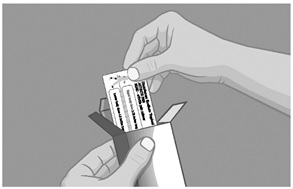
Figure 1 (Diclofenac Fig1)
An illustration showing hands removing a blister pack from a carton box. The blister pack contains tablets or capsules, indicating packaging and usage instructions for a drug product.*
FDA Label Image

Figure (Diclofenac Fig10)

Figure (Diclofenac Fig10)
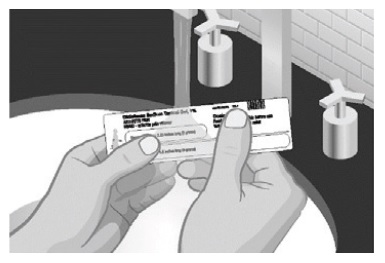
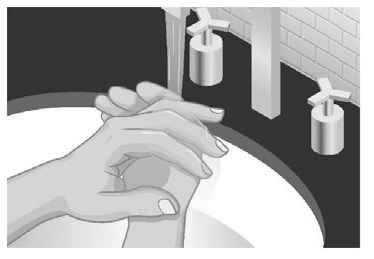
An illustration showing a close-up of hands being washed under running water from a faucet, with two soap dispensers visible on either side. The image depicts hand hygiene practice but does not contain product-specific information.*
FDA Label Image

Figure (Diclofenac Fig11)

Figure (Diclofenac Fig11)
An illustration showing two hands holding a tube of medication under a faucet in a sink. The image appears to demonstrate how to hold or prepare a topical gel product for use, with the emphasis on the medication tube being read or handled carefully.*
FDA Label Image

Figure (Diclofenac Fig12)

Figure (Diclofenac Fig12)
An instructional illustration showing a clock face with the text "10 minutes" at its center, likely indicating a recommended waiting period or duration related to the product use instructions.*
FDA Label Image

Figure (Diclofenac Fig13)

Figure (Diclofenac Fig13)
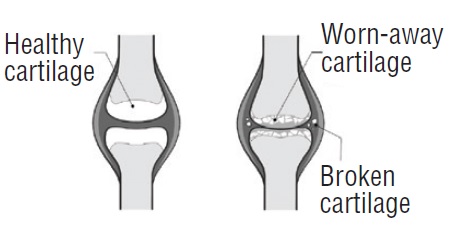
An anatomical illustration showing a comparison between healthy cartilage and worn-away cartilage. The healthy cartilage image depicts normal joint spacing, while the worn-away cartilage image shows reduced joint space with broken cartilage, indicating joint damage or degradation.*
FDA Label Image

Figure (Diclofenac Fig14)

Figure (Diclofenac Fig14)
An instructional illustration showing four grayscale icons indicating topical application areas for a gel. The first shows a hand and elbow labeled as 'Upper body: Hand and elbow.' The second depicts a knee and ankle labeled as 'Lower body: Knee and ankle.' The third shows both wrist and ankle labeled as 'Upper/Lower body: Wrist and ankle.' The fourth shows two knees, labeled as 'Lower body: (L) Knee and (R) Knee.'*
FDA Label Image

Package Label-principal Display Panel (1% w/w Tube Carton Label (100 g tube))

Package Label-principal Display Panel (1% w/w Tube Carton Label (100 g tube))
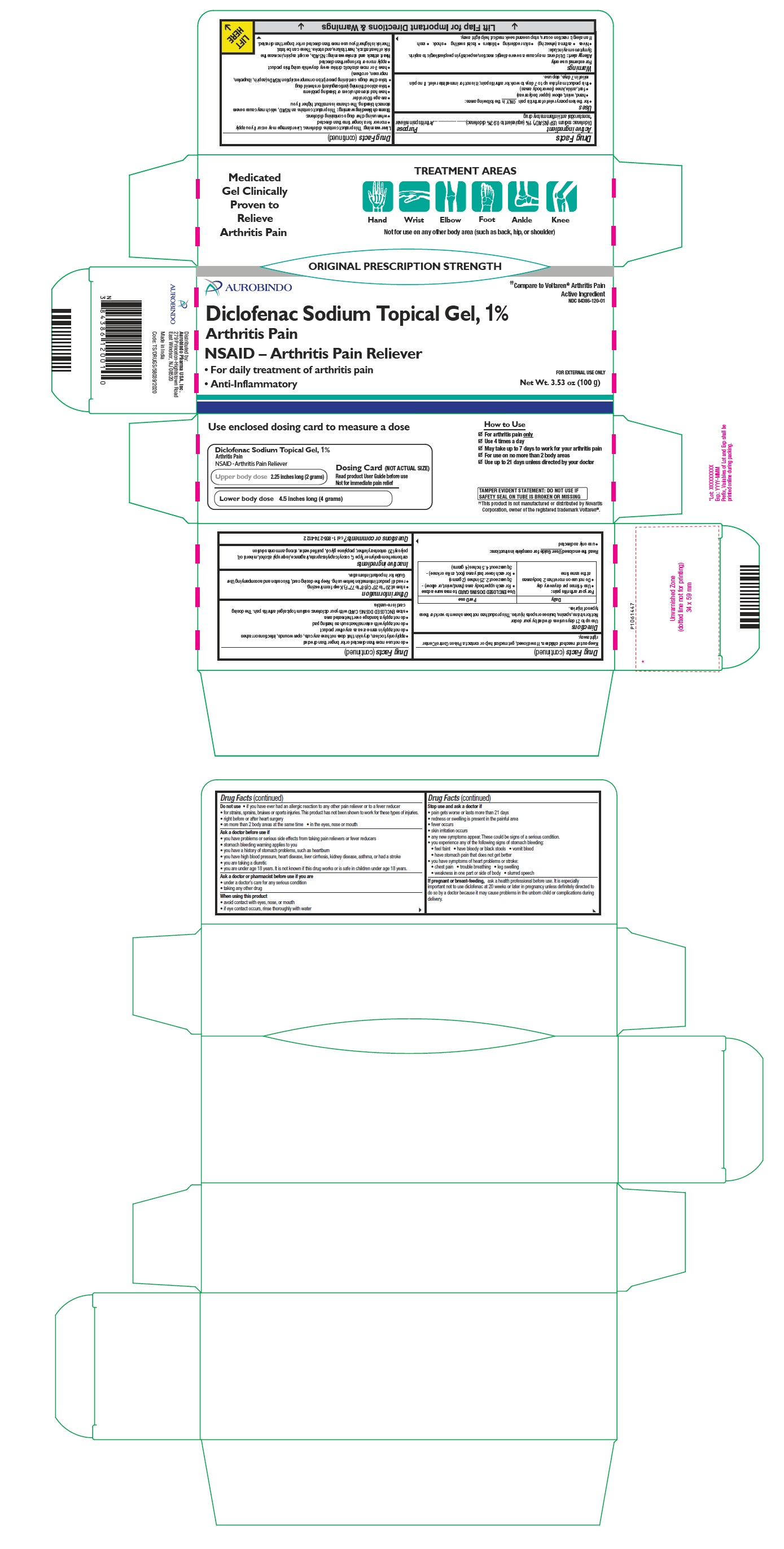
Packaging label for Diclofenac Sodium Topical Gel, 1%, an arthritis pain reliever and NSAID topical gel by Aurobindo Pharma Limited. It highlights the gel's use for arthritis pain relief and anti-inflammatory effects. The label includes instructions for use, dosing card details, treatment areas (hand, wrist, elbow, foot, ankle, knee), and Drug Facts panel. Net weight is 3.53 oz (100 g).*
FDA Label Image

Figure (Diclofenac Fig2)

Figure (Diclofenac Fig2)
An instructional illustration showing how to open a topical gel tube by twisting the cap. Two steps depict hands holding the tube and turning the cap counterclockwise to remove it.*
FDA Label Image

Figure (Diclofenac Fig3)

Figure (Diclofenac Fig3)
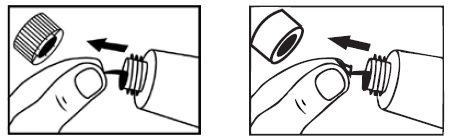
Black and white instructional illustrations showing a hand removing the cap from a tube, indicating the opening process of a topical gel tube, such as Diclofenac Sodium topical gel.*
FDA Label Image

Figure (Diclofenac Fig4)

Figure (Diclofenac Fig4)
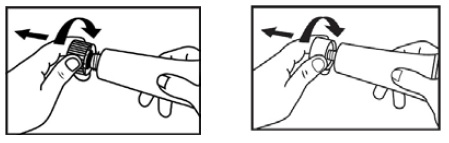
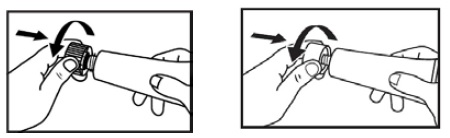
Two instructional illustrations showing how to open and close a tube cap for topical gel. The first image shows twisting the cap to open, and the second image shows twisting the cap to close on a squeeze tube, which is consistent with gel packaging such as Diclofenac Sodium 10 mg/g topical gel.*
FDA Label Image

Figure (Diclofenac Fig5)

Figure (Diclofenac Fig5)
An instructional illustration showing four phases of the day: start of the day with a rising sun, middle of the day with the sun high, late afternoon with the sun setting near the horizon, and end of the day with a crescent moon and clouds. Each phase is labeled accordingly, likely indicating timing guidance for product use.*
FDA Label Image

Figure (Diclofenac Fig6)

Figure (Diclofenac Fig6)
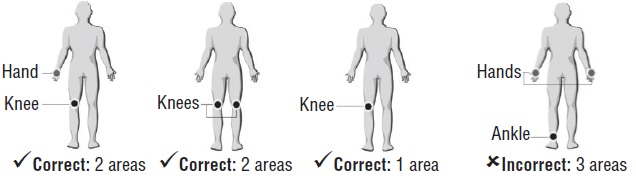
Instructional illustration showing correct and incorrect topical application areas of gel on the human body. It depicts silhouettes with marks on hands, knees, ankle, and single or multiple knee or hand areas, indicating that applying gel to up to two areas is correct, while applying to three areas is incorrect.*
FDA Label Image

Figure (Diclofenac Fig7)

Figure (Diclofenac Fig7)
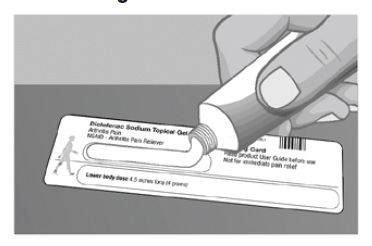
An instructional illustration showing a hand applying Diclofenac Sodium topical gel from a tube onto the lower body area. The image emphasizes the application of a 4-5 inches long strip of the gel for topical use, likely as part of user guidance for dosage or administration.*
FDA Label Image

Figure (Diclofenac Fig8)

Figure (Diclofenac Fig8)
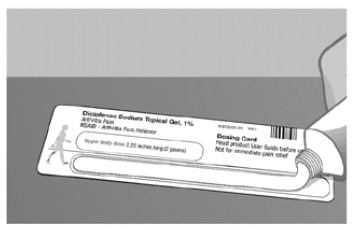
Diclofenac Sodium Topical Gel 1% 10 mg/g tube partially squeezed onto a white dosing card. The label includes instructions for dosing, indicating use for arthritis pain relief, and directs to read the product user guide before use. The labeler is Aurobindo Pharma Limited. The image emphasizes the tube and dosing card on a neutral background.*
FDA Label Image

Figure (Diclofenac Fig9)

Figure (Diclofenac Fig9)
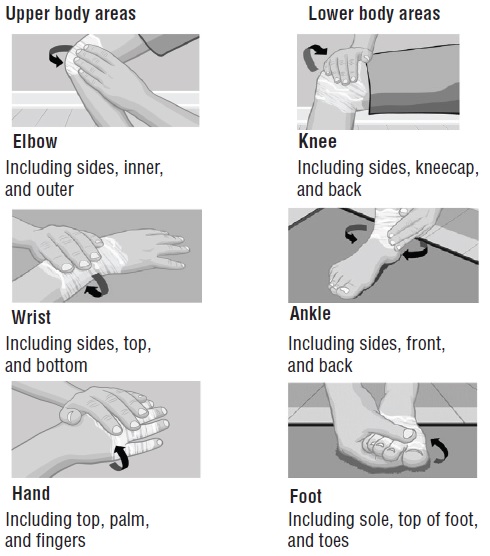
An instructional illustration showing application areas for a topical gel on upper and lower body parts. The upper body areas include elbow (sides, inner, outer), wrist (sides, top, bottom), and hand (top, palm, fingers). The lower body areas include knee (sides, kneecap, back), ankle (sides, front, back), and foot (sole, top, toes). Each area is depicted with a hand applying the product.*

* About these descriptions: Image descriptions on this page are generated by automated AI analysis of the product label images from the manufacturer's FDA label submission (SPL). They are provided for reference only and may contain errors or omissions. Always rely on the printed label itself and the official FDA labeling, and consult a pharmacist or healthcare professional with any questions about this product.