Mando Aerosol, Spray
Product Images NDC 84520-021

View Photos of Packaging, Regulatory Labels, and Product Appearance

Product Visual Gallery

This gallery contains 7 technical images submitted to the FDA as part of the official labeling for Mando (NDC 84520-021). Unlike standard consumer photos, these assets often include clinical data figures, molecular chemical structures, and official manufacturer packaging layouts.

As provided by Lume Deodorant, Llc., these visuals offer a comprehensive scientific overview of the product's physical and chemical identity, aiding pharmacists and researchers in product verification and study.

FDA Label Image

017 Label (017 Label)
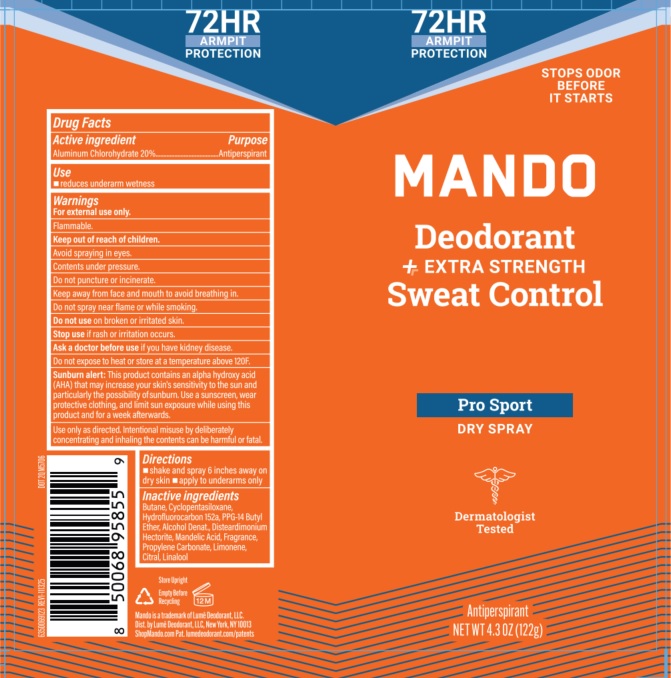
017 Label (017 Label)
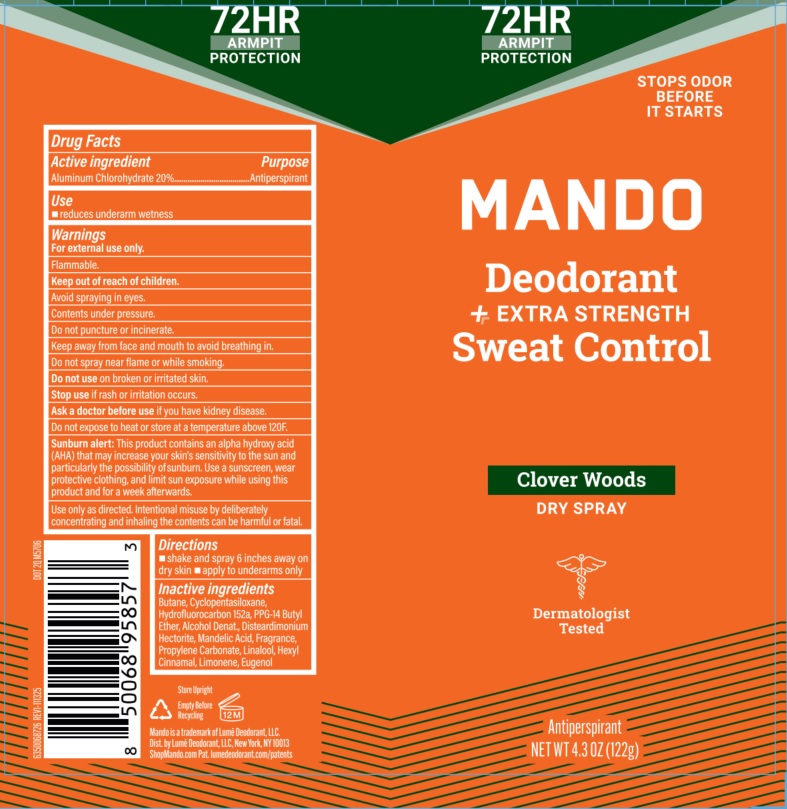
This text describes a deodorant product with 72 hours of armpit protection. It is an extra strength antiperspirant with sweat control and a dry spray formula. The product is dermatologist tested and comes in a net weight of 4.3 ounces (122 grams).*
FDA Label Image

018 Label (018 Label)

FDA Label Image

019 Label (019 Label)

019 Label (019 Label)
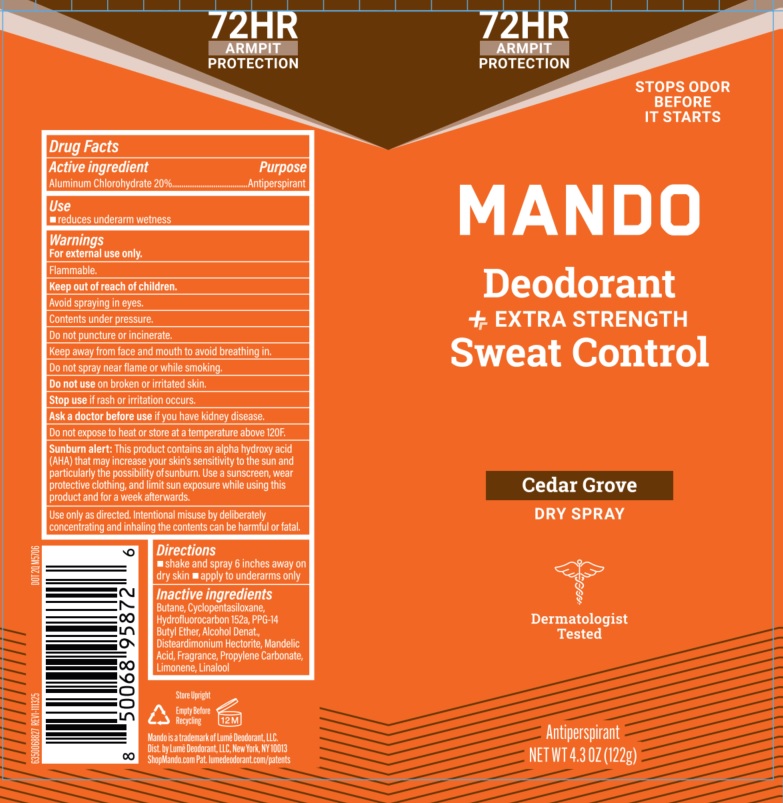
This product is a 72-hour armpit protection deodorant in a dry spray form. It contains ingredients like Butane, Cyclotetrasiloxane, Hydrofluorocarbon 152a, and more. The deodorant is designed to provide extra strength sweat control and stop odor before it starts. It is dermatologist tested and comes in a 4.3 oz (122g) package. Remember to shake and spray 6 inches away on your skin, applying only to the underarms. Be cautious of sun exposure due to the presence of Alpha Hydroxy Acid (AHA) in the product, as it may increase skin sensitivity.*
FDA Label Image

021 Label (021 Label)

021 Label (021 Label)
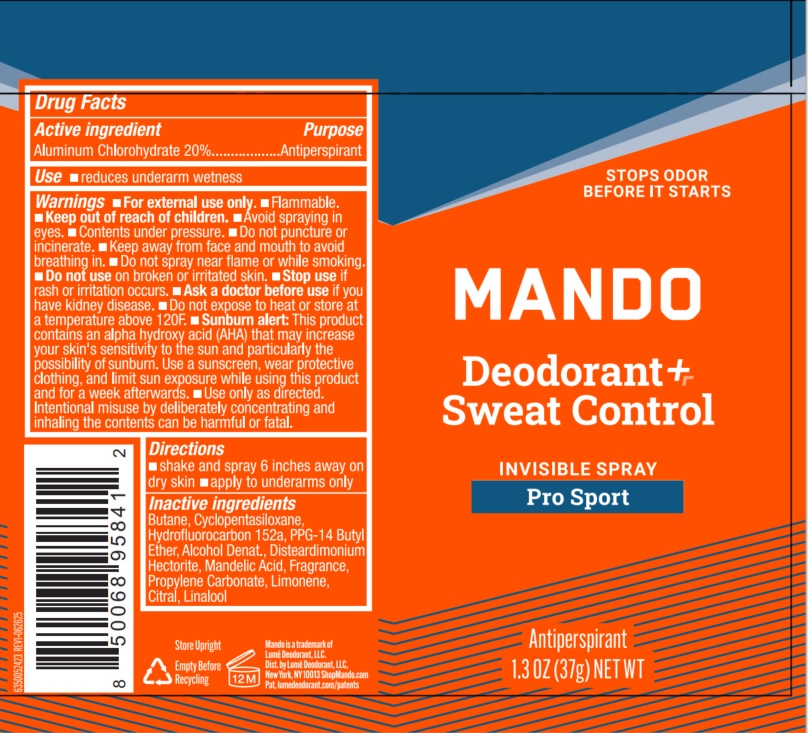
This text provides information on a spray antiperspirant containing Aluminum Chlorohydrate as the active ingredient. It includes warnings about flammability and precautions such as avoiding spraying in eyes, not using on broken skin, and consulting a doctor before use if you have kidney disease. The directions instruct to shake and spray on dry skin, specifically underarms. The product also contains various inactive ingredients like Butane, Cyclopentasiloane, and Fragrance. It emphasizes the need to protect the skin from the sun due to the presence of alpha hydroxy acid, which may increase skin sensitivity to sunlight.*
FDA Label Image

022 Label (022 Label)

022 Label (022 Label)
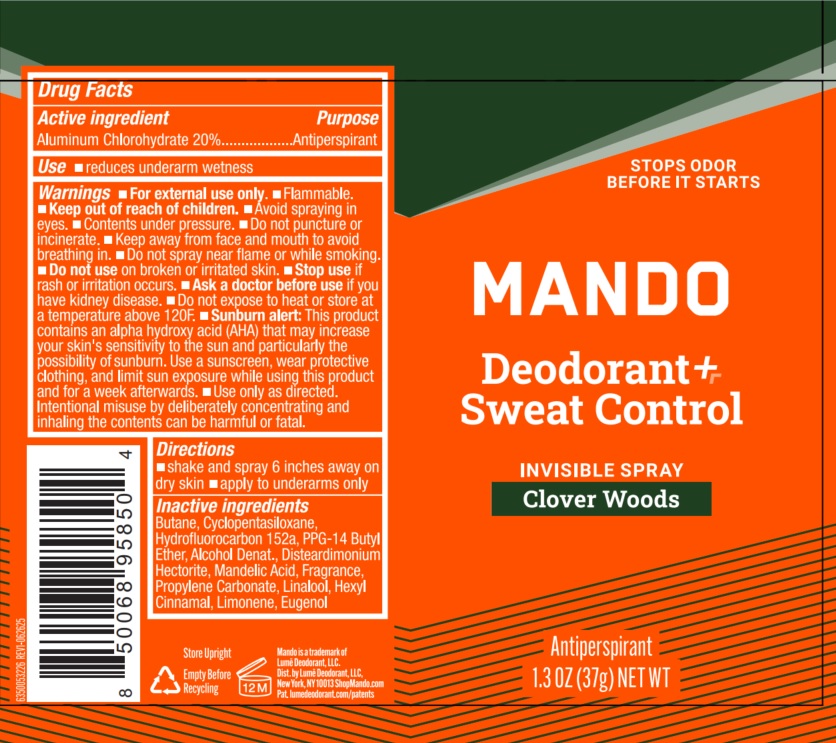
This is a description of an antiperspirant spray containing 20% Aluminum Chlorohydrate designed to reduce underarm wetness and control sweat. The product comes in a spray form and should be used on dry skin, specifically underarms. It is advised to avoid contact with eyes, broken skin, or inhalation, and to keep it away from children. The formula contains active ingredients like Mandelic Acid and is supported by inactive ingredients like Butane, Cyclopentasiloxane, and Fragrance. The product also includes a warning about potential sunburn risk due to alpha hydroxy acid content. It is recommended to use as directed and not expose to heat above 120°F.*
FDA Label Image

025 Label (025 Label)

025 Label (025 Label)
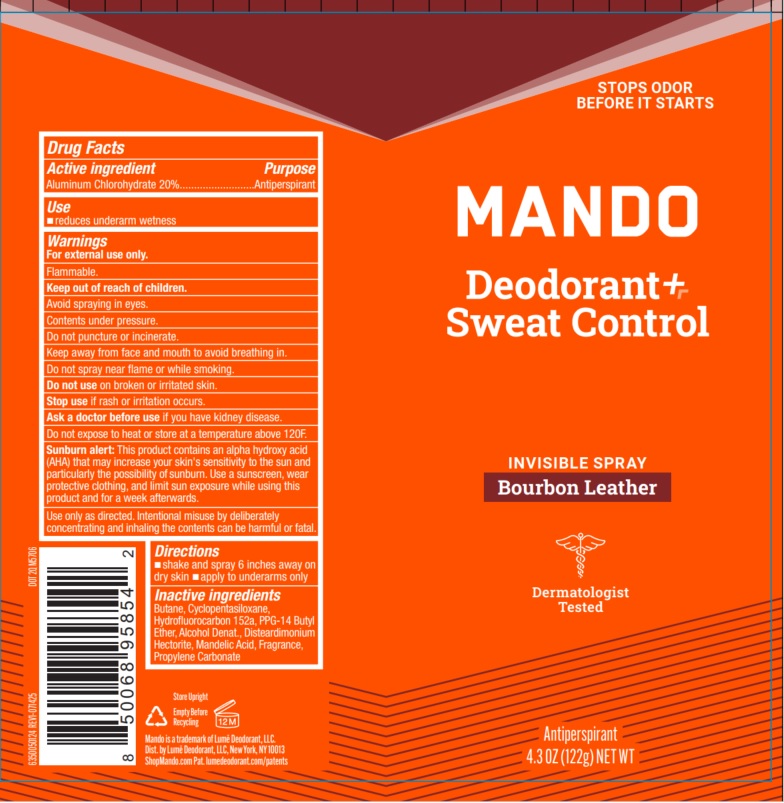
This description provides information about a deodorant spray containing aluminum chloride as the active ingredient. It also warns about increased sun sensitivity due to the presence of an alpha hydroxy acid, advising sunscreen use. The product is intended for underarm use only and comes in an invisible spray form with a Bourbon Leather scent. It is dermatologist-tested for odor and sweat control. The text also includes directions for application and lists some inactive ingredients.*
FDA Label Image

028 Label (028 Label)

028 Label (028 Label)
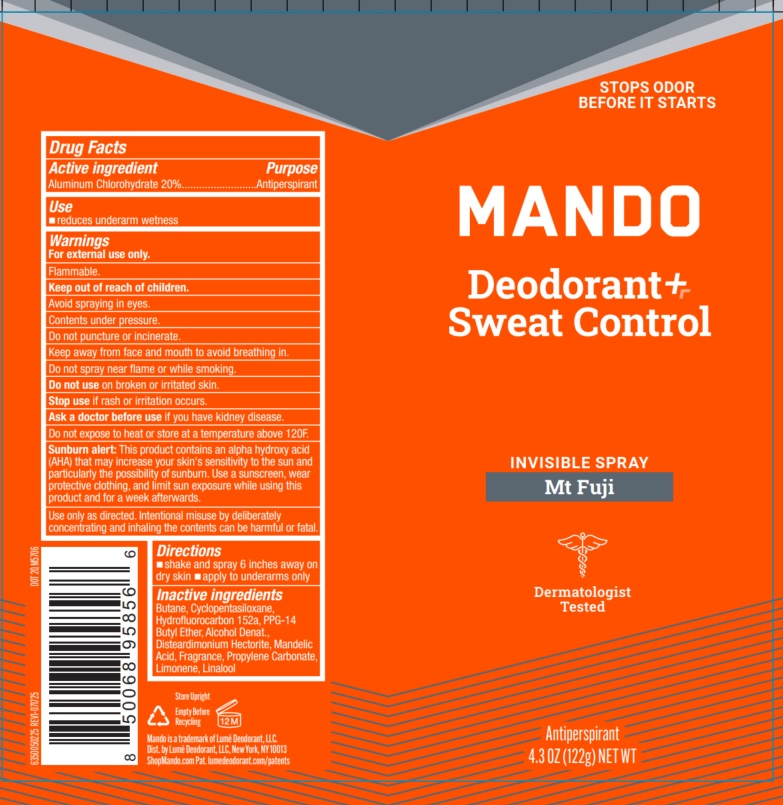
This text is a description about an antiperspirant deodorant spray product which contains 20% Aluminum Chlorohydrate as the active ingredient. It warns users about flammability and sensitivity to the sun due to the presence of alpha hydroxy acid. The product promises to stop odor before it starts, provide sweat control, and comes in an invisible spray formula with a Mt. Fuji scent. It is dermatologist tested and contains 4.3 oz (122g) of product.*

* These product label images have been analyzed using experimental machine learning. Please verify findings with the primary label text.