Dosage Modifications in Patients with Essential Fatty Acid Deficiency
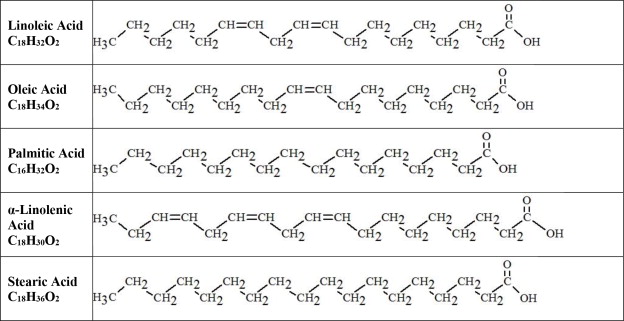
When Intralipid is administered to correct essential fatty acid deficiency (EFAD), supply 8% to 10% of caloric input from Intralipid in order to provide adequate amounts of linoleic and linolenic acids.
Risk of Parenteral Nutrition-Associated Liver Disease
Parenteral nutrition-associated liver disease (PNALD), also referred to as intestinal failure- associated liver disease (IFALD), can present as cholestasis or hepatic steatosis, and may progress to steatohepatitis with fibrosis and cirrhosis (possibly leading to chronic hepatic failure). The etiology of PNALD is multifactorial; however, intravenously administered phytosterols (plant sterols) contained in plant-derived lipid emulsions, including Intralipid, have been associated with development of PNALD.
In a randomized study of neonates and infants expected to be treated with PN for at least 28 days, parenteral nutrition-associated cholestasis (PNAC), a precursor to PNALD, developed more frequently in Intralipid-treated patients than patients treated with a 4-oil mixed lipid emulsion.
[see Adverse Reactions (
6.1), Use in Specific Populations (
8.4)]
.
Monitor liver tests in patients treated with Intralipid and consider discontinuation or dosage reduction if abnormalities occur.
Other Hepatobiliary Disorders
Hepatobiliary disorders including cholecystitis and cholelithiasis have developed in some PN-treated patients without preexisting liver disease.
Monitor liver tests when administering Intralipid. Patients developing signs of hepatobiliary disorders should be assessed early to determine whether these conditions are related to Intralipid use.
Risk Summary
Administration of the recommended dose of Intralipid is not expected to cause major birth defects, miscarriage, or other adverse maternal or fetal outcomes. No animal reproduction studies have been conducted with Intralipid. There are risks to the fetus associated with severe malnutrition during pregnancy
(see
Clinical Considerations)
.
The background risk of major birth defects and miscarriage for the indicated population(s) is unknown. All pregnancies have a background risk of birth defect, loss, or other adverse outcomes. In the U.S. general population, the estimated background risk of major birth defects and miscarriage in clinically recognized pregnancies is 2% to 4% and 15% to 20%, respectively.
Clinical Considerations
Disease-Associated Maternal and/or Embryo-Fetal Risk
Severe malnutrition in pregnant women is associated with preterm delivery, low birth weight, intrauterine growth restriction, congenital malformations, and perinatal mortality. Parenteral nutrition should be considered if the pregnant woman's nutritional requirements cannot be fulfilled by oral or enteral intake.
Risk Summary
Administration of the recommended dose of Intralipid is not expected to cause harm to a breastfed infant. There are no data on the presence of Intralipid in human or animal milk or its effects on milk production. Available published literature includes fewer than five reported cases of breastfed infants exposed to various lipid emulsions via lactation, and these cases did not report adverse events. The developmental and health benefits of breastfeeding should be considered along with the mother's clinical need for Intralipid and any potential adverse effects of Intralipid on the breastfed infant, or from the underlying maternal condition.
Intralipid 250 mL single-dose Flexible Containers
After removing the overpouch, infuse immediately. If not used immediately, the product should be stored at 2°C to 8°C (36°F to 46°F) for no longer than 24 hours. After removal from storage, infuse within 12 hours when using a Y-connector or within 24 hours if used as part of an admixture
[see Dosage and Administration (
2.2)].
Admixtures
Infuse admixtures containing Intralipid immediately. If not used immediately, admixtures should be stored at 2°C to 8°C (36°F to 46°F) for no longer than 24 hours. After removal from storage, infuse within 24 hours
[see Dosage and Administration (
2.2)]
.
Protect the admixed PN solution from light
[see Dosage and Administration (
2.2)].
Clinical Decompensation with Rapid Infusion of Intravenous Lipid Emulsion in Neonates and Infants
Inform caregivers that acute respiratory distress and death may occur in neonates and infants after rapid infusion of intravenous lipid emulsions. If Intralipid is infused at home, instruct caregivers not to exceed the maximum infusion rate
[see Warnings and Precautions (
5.1)].
Parenteral Nutrition-Associated Liver Disease and Other Hepatobiliary Disorders
Inform patients and caregivers that use of parenteral nutrition may result in parenteral nutrition- associated liver disease and/or other hepatobiliary disorders
[see Warnings and Precautions (
5.2)].
Hypersensitivity Reactions
Inform patients and caregivers that Intralipid may cause hypersensitivity reactions, including anaphylaxis. If Intralipid is infused at home, instruct patients or caregivers to stop the infusion of Intralipid immediately and seek medical attention if they experience signs or symptoms of a hypersensitivity reaction, such as rapid or weak heartbeat, feeling faint, difficulty in breathing or swallowing, vomiting, nausea, headache, sweating, dizziness, hives, rash, itching, flushing, dizziness, fever, or chills
[see Warnings and Precautions (
5.3)].
Infections
Inform patients and caregivers that patients who receive Intralipid are at risk of infection. If Intralipid is infused at home, instruct patients or caregivers to ensure aseptic techniques are used for the preparation and administration of Intralipid and to monitor for signs and symptoms of infection
[see Warnings and Precautions (
5.4)]
.
Fat Overload Syndrome
Inform patients and caregivers that fat overload syndrome has been reported with the use of intravenous lipid emulsions. If Intralipid is infused at home, instruct patients or caregivers to stop the infusion of Intralipid if signs or symptoms of fat overload syndrome occur
[see Warnings and Precautions (
5.5)]
.
Refeeding Syndrome
If the patient is severely malnourished, inform patients and caregivers that administering parenteral nutrition including Intralipid may result in refeeding syndrome
[see Warnings and Precautions (
5.6)]
.
Hypertriglyceridemia
Inform patients and their caregivers about the risks of hypertriglyceridemia with Intralipid use
[see Warnings and Precautions (
5.7)]
.
Aluminum Toxicity
Inform patients and their caregivers that prolonged PN administration in patients with renal impairment, including preterm neonates, may result in aluminum reaching toxic levels associated with central nervous system and bone toxicity
[see Warnings and Precautions (
5.8)]
.
Preparation and Administration Instructions
If it is acceptable for a patient or caregiver to administer Intralipid at home, then provide recommendations on how to inspect and prepare, add compatible additives (when appropriate), administer, and store Intralipid
[see Dosage and Administration (
2.1,
2.2)]
. Inform patients or caregivers not to deviate from the administration instructions given by the healthcare provider.
Manufactured by:

Intra-img-07.jpg (Intra Img 07)
Uppsala, Sweden
Intralipid
®is a registered trademark of Fresenius Kabi AB.
www.fresenius-kabi.com/us
451713C