Trutakna Injection, Solution
FDA Label NDC 85052-101

Full FDA labeling including Indications, Dosage, Usage, and Precautions

Structured Product Label

The following Structured Product Label (SPL) was submitted to the FDA by Vera Therapeutics, Inc for the product Trutakna (NDC 85052-101). This document serves as the official prescribing information, containing essential scientific data and clinical materials required for healthcare providers and patients.

This specific version of the label includes detailed information regarding 1 indications and usage, 2.1 recommended dosage, 2.2 preparation and administration instructions, 3 dosage forms and strengths, 4 contraindications, 5.1 immunosuppression and increased risk of infections, 5.2 immunosuppression and immunization risks, 6 adverse reactions, and other regulatory disclosures. Use the navigation below to review specific sections of the FDA submission.

1 Indications And Usage

TRUTAKNA is indicated to reduce proteinuria in adults with primary immunoglobulin A nephropathy (IgAN) at risk for disease progression.

This indication is approved under accelerated approval based on reduction of proteinuria. It has not been established whether TRUTAKNA slows kidney function decline over the long-term in patients with IgAN. Continued approval for this indication may be contingent upon verification and description of clinical benefit in a confirmatory clinical trial.

The recommended dosage of TRUTAKNA is 150 mg injected subcutaneously (SC) once weekly.

Missed Doses

If a dose is missed, administer the missed dose as soon as possible and then resume once weekly dosing thereafter, one week from administration of the missed dose.

2.2 Preparation And Administration Instructions

  • TRUTAKNA autoinjector is intended for SC administration by patients/caregivers at home. The TRUTAKNA “Instructions for Use” contains more detailed instructions on the preparation and administration of TRUTAKNA [see Instructions for Use].
  • Remove TRUTAKNA autoinjector from the refrigerator and allow it to sit for 15 to 30 minutes at room temperature between 15°C to 25°C (60°F to 77°F) prior to injecting.
  • Do not use an external heat source to heat TRUTAKNA, because heat may damage the product.
  • If needed, TRUTAKNA autoinjector may be stored at room temperature up to 25°C (77°F), for a single period of 3 days (72 hours). Once TRUTAKNA has been stored at room temperature, it should not be placed back into the refrigerator. Discard the autoinjector if not used within this 72‑hour period.
  • Parenteral drug products should be inspected visually for particulate matter and discoloration prior to administration, whenever solution and container permit. TRUTAKNA should appear as a clear to slightly opalescent, brownish-yellow solution. Do not use if the liquid contains particles or is cloudy.
  • Administer each injection at a different location than the previous injection. Sites for injections include the abdomen and thigh.

3 Dosage Forms And Strengths

TRUTAKNA is a clear to slightly opalescent, brownish-yellow solution, free of visible particles, available as follows:

  • Injection: 150 mg/mL in a single-dose pre-filled autoinjector

4 Contraindications

TRUTAKNA is contraindicated in patients with serious hypersensitivity to atacicept-vymj or any excipients of TRUTAKNA.

5.1 Immunosuppression And Increased Risk Of Infections

TRUTAKNA suppresses the immune system by reducing antibody production, which may increase the risk of infections. Patients with a chronic infection or recurring infections may have an increased risk of serious infection. In clinical trials, infections were reported in 32% of patients in the TRUTAKNA group compared with 28% of participants in the placebo group [see Adverse Reactions (6.1)].

Before initiating TRUTAKNA, assess patients for active infections. Delay TRUTAKNA administration in patients with active infection until the infection resolves or is adequately treated. During treatment, monitor patients for signs and symptoms of infection. If a serious infection develops, consider interrupting TRUTAKNA until the infection is controlled.

The concomitant use of TRUTAKNA and other immune-modulating therapies has not been evaluated. Concomitant use of TRUTAKNA with drugs that affect the immune system, including systemic corticosteroids, may increase the risk of infection.

5.2 Immunosuppression And Immunization Risks

TRUTAKNA may interfere with the immune responses to vaccines and increase the risk of infection from live vaccines. Prior to initiating treatment with TRUTAKNA, complete all age appropriate immunizations according to current immunization guidelines. Live vaccines are not recommended within 30 days prior to initiation of TRUTAKNA or during treatment with TRUTAKNA as safety of coadministration has not been established.

6 Adverse Reactions

The following clinically significant adverse reactions are described elsewhere in the labeling:

  • Immunosuppression and Increased Risk of Infections [see Warnings and Precautions (5.1)]
  • Immunosuppression and Immunization Risks [see Warnings and Precautions (5.2)]

6.1 Clinical Trials Experience

Because clinical trials are conducted under widely varying conditions, adverse reaction rates observed in the clinical trials of a drug cannot be directly compared to rates in the clinical trials of another drug and may not reflect the rates observed in practice.

The safety of TRUTAKNA was evaluated in a randomized, double-blind, placebo-controlled clinical study in 428 adults with IgAN (Origin 3). The median duration of exposure was 34 weeks in the 214 patients treated with TRUTAKNA and 31 weeks in the 214 patients administered placebo [see Clinical Studies (14)].

The most common adverse reactions (reported in ≥5% of patients treated with TRUTAKNA and at a higher incidence than placebo) in patients treated with TRUTAKNA and placebo, respectively, were infections (32% vs. 28%) and local administration reactions (30% vs. 5%). The most common infection was upper respiratory tract infection (12% vs. 9%), and the most common local administration reactions were injection site reaction (19% vs. 2%) and injection site erythema (6% vs. 1%). Most adverse reactions observed in the TRUTAKNA group were mild or moderate in severity and resolved without treatment interruption or discontinuation.

8.1 Pregnancy

Risk Summary

Available data on TRUTAKNA use in pregnant women exposed during clinical trials are insufficient to evaluate for a drug-associated risk of major birth defects, miscarriage, or other adverse maternal or fetal outcomes. Based on mechanism of action, TRUTAKNA may cause immunosuppression in the in utero-exposed infant [see Warnings and Precautions (5.1 and 5.2), Clinical Pharmacology (12.1) and Clinical Considerations]. There are risks to the mother and infant with untreated IgAN nephropathy in pregnancy (see Clinical Considerations).

In animal reproduction studies, no treatment-related malformations were observed in mice and rabbits at atacicept-vymj exposures approximately up to 12 times and 4 times, respectively, the clinical exposure at the recommended human dose (RHD) (see Data).

The background risk of major birth defects and miscarriage for the indicated population is unknown. All pregnancies have a background risk of major birth defects, loss, or other adverse outcomes. In the U.S. general population, the estimated background risk of major birth defects and miscarriages in clinically recognized pregnancies is 2% to 4% and 15% to 20%, respectively.

Pregnant women exposed to TRUTAKNA, or their healthcare providers, should report TRUTAKNA exposure by calling 1-833-633-8372.

Clinical Considerations

Disease-Associated Maternal and/or Embryo/Fetal Risk

IgAN in pregnancy is associated with adverse maternal outcomes, including increased rates of cesarean section, pregnancy-induced hypertension, pre-eclampsia and preterm delivery, and adverse fetal/neonatal outcomes, including stillbirth and low birth weight.

Fetal/Neonatal Adverse Reactions

Based on mechanism of action, TRUTAKNA may cause immunosuppression in the in utero exposed infant. The potential clinical impact of TRUTAKNA exposure in infants exposed in utero should be considered.

Data

Animal Data

In pregnant mice, SC administration of atacicept-vymj once every two days (0, 5, 20, and 80 mg/kg) throughout organogenesis from gestation day (GD) 6 to 15 did not result in any adverse effects on embryofetal development at up to 80 mg/kg, approximately 12 times the clinical exposure at the RHD based on area under the concentration curve (AUC).

In pregnant rabbits, SC administration of atacicept-vymj once every two days (0, 5, 20, and 80 mg/kg) throughout organogenesis from GD 6 to 18 resulted in early and late resorptions, reduced number of live fetuses, and decreased mean fetal weight at ≥20 mg/kg, doses that resulted in maternal toxicity (reduced body weight gain). Exposures at these doses were ≥4 times the clinical exposure at the RHD, based on AUC. Embryofetal malformations (enlarged bregmatic fontanella, severe reduction of ossification of parietal or frontal bones, and unossified interparietal bones) were observed at 80 mg/kg (maternally toxic dose), approximately 11 times the clinical exposure at the RHD, based on AUC. No treatment-related malformations were observed at up to 20 mg/kg, approximately 4 times the clinical exposure at the RHD, based on AUC.

In a pre- and post-natal development study in mice, SC administration of atacicept-vymj once every two days (0, 5, 20, or 80 mg/kg) throughout pregnancy and lactation (GD 6 to lactation day 21) did not result in adverse effects on maternal function or development of offspring at up to 80 mg/kg, approximately 12 times the clinical exposure at the RHD based on AUC.
8.2 Lactation

Risk Summary

There are no data regarding the presence of atacicept-vymj in human milk, the effects of the drug on the breastfed infant, or the effects of the drug on milk production/excretion.

The developmental and health benefits of breastfeeding should be considered along with the mother’s clinical need for TRUTAKNA and any potential adverse effects on the breastfed child from TRUTAKNA or from the underlying maternal condition.

8.4 Pediatric Use

The safety and effectiveness of TRUTAKNA in pediatric patients have not been established.

8.5 Geriatric Use

Clinical studies of TRUTAKNA did not include sufficient numbers of patients aged 65 and over to determine whether they respond differently from younger adult patients.

No clinically meaningful differences in the pharmacokinetics of TRUTAKNA were observed in patients aged 65 and over compared to younger adult patients.

11 Description

Atacicept-vymj, a B-lymphocyte stimulator (Blys)-specific inhibitor and A Proliferation Inducing Ligand (APRIL) blocker, is a soluble recombinant fusion glycoprotein consisting of two parts: the extracellular ligand binding portion of the human transmembrane activator, calcium modulator, and cyclophilin ligand interactor (TACI) receptor and the Fc portion of human IgG1 (TACI Fc), which has been modified to reduce Fc receptor-mediated effector functions. Atacicept-vymj is produced by recombinant DNA technology in Chinese hamster ovary (CHO) cells. The molecular weight of atacicept-vymj is 73.5 kDa (kilodaltons) based on the homodimeric form of the protein, which is composed of two identical monomers.

TRUTAKNA (atacicept-vymj) injection is supplied as a sterile, preservative-free, clear to slightly opalescent, brownish yellow solution for subcutaneous injection. It is supplied in a 1 mL single-dose pre-filled autoinjector with a 27-gauge needle with a needle guard. Each 1 mL contains 150 mg of atacicept-vymj, 0.82 mg sodium acetate, 79.98 mg trehalose, and Water for Injection. Sodium hydroxide and acetic acid are included to adjust the pH to 5.0.

12.1 Mechanism Of Action

Atacicept-vymj, a BLyS-specific inhibitor and APRIL blocker, is a TACI-Fc fusion glycoprotein that binds B cell activating factor (BAFF) and APRIL with dissociation constants (Kd) of 106 pM and 33 pM, respectively, and reduces BAFF- and APRIL-mediated signaling. BAFF is also known as BlyS.

Reduction in BAFF- and APRIL-mediated signaling decreases production of serum galactose deficient IgA1 (Gd-IgA1), which is implicated in the pathophysiology of IgAN.

12.2 Pharmacodynamics

Immunoglobulins

In IgAN patients treated with TRUTAKNA once weekly in the Origin 3 study, serum Gd-IgA1, Immunoglobulin A (IgA), Immunoglobulin G (IgG), and Immunoglobulin M (IgM) levels decreased within 4 weeks and these reductions were sustained through Week 36. By Week 36, mean serum levels were reduced from baseline by 68% for Gd-IgA1, 64% for IgA, 36% for IgG, and 75% for IgM.

12.3 Pharmacokinetics

Absorption

Following once weekly SC administration of TRUTAKNA 150 mg in IgAN patients, atacicept-vymj pharmacokinetics increased proportionally over a dose range of 75 to 150 mg. Steady state was achieved after approximately 24 weeks. Following the first SC dose, the maximum atacicept-vymj concentrations were reached approximately 36 hours after atacicept-vymj administration.

Distribution

Central and peripheral volume of distribution were 44 L and 61 L, respectively, in patients with IgAN.

Metabolism/Elimination

No drug metabolism studies have been conducted. Atacicept-vymj is a therapeutic protein that is expected to be catabolized into small peptides and amino acids by general catabolic degradation processes in multiple tissues.

The estimated clearance of atacicept-vymj is 3.2 L/day, and the elimination half-life is approximately 40 days in IgAN patients.

Specific Populations

No clinically significant differences in the pharmacokinetics of atacicept-vymj were observed based on sex, age (18 to 74 years), weight (38.4 to 138 kg), race, and mild to severe renal impairment (eGFR: 22 to 89 mL/min).

12.6 Immunogenicity

The observed incidence of anti-drug antibodies (ADA) is highly dependent on the sensitivity and specificity of the assay. Differences in assay methods preclude meaningful comparisons of the incidence of ADA in the studies described below with the incidence of ADA in other studies, including those of TRUTAKNA.

In a pooled analysis of phase 2 and phase 3 clinical data through Week 36 in patients with primary IgAN, 43.2% (60 of 139) of study subjects who were treated with TRUTAKNA once weekly developed ADA. There were no clinically significant effects of ADA on the pharmacokinetics, pharmacodynamics, safety or effectiveness of TRUTAKNA over the treatment duration of 36 weeks in these studies.

13.1 Carcinogenesis, Mutagenesis, Impairment Of Fertility

Carcinogenesis

No carcinogenicity studies have been conducted with atacicept-vymj.

Mutagenesis

Atacicept-vymj was not mutagenic or clastogenic in in vitro Ames, in vitro chromosomal aberration, and in vivo micronucleus assays.

Impairment of Fertility

No effects on male fertility were observed in mice dosed once every two days for 4 weeks prior to mating and throughout the mating period with SC atacicept-vymj up to 80 mg/kg, at exposures approximately 20 times the clinical exposure at the RHD, based on AUC.

Increased pre- and post-implantation losses and reduced number of live fetuses were observed in female mice dosed with SC atacicept-vymj once every two days from 14 days prior to mating to GD 7 at ≥20 mg/kg, at exposures approximately 4 times the clinical exposure at the RHD, based on AUC.

14 Clinical Studies

The effect of TRUTAKNA on proteinuria was evaluated in a randomized, double-blind, placebo controlled study (Origin 3, NCT04716231) in adults with biopsy-proven IgAN, estimated glomerular filtration rate (eGFR) ≥30 mL/min/1.73 m2, proteinuria (defined as either a urine protein-to-creatinine ratio [UPCR] based on a 24-hour urine sample ≥1 g/g or total urine protein excretion ≥1.0 g per 24 hours), on a stable dose of maximally-tolerated renin-angiotensin system (RAS) inhibitor therapy with or without a stable dose of a sodium-glucose cotransporter 2 inhibitor (SGLT2i) and/or a mineralocorticoid receptor antagonist (MRA). Patients with other glomerulopathies or those who had been treated with systemic immunosuppressants in the 12 weeks prior to screening were excluded. Patients were randomized (1:1) to receive either TRUTAKNA 150 mg or placebo once a week via SC injection. Rescue immunosuppressive treatment could be initiated per investigator discretion during the trial.

The efficacy analysis included the first 203 patients who reached the Week 36 visit. At baseline, the mean age was 40 years (range: 18 to 72 years), 57% were male, 43% were White, 55% were Asian, <1% were Black, and 15% were from the United States. At baseline, the geometric mean UPCR was 1.5 g/g, mean eGFR was 65 mL/min/1.73 m2, and 60% had hematuria based on urine dipstick. Approximately 62% of patients had a history of hypertension and 8% had a history of type 2 diabetes mellitus. At baseline, nearly all patients were treated with an angiotensin converting enzyme (ACE) inhibitor and/or an angiotensin II receptor blocker (ARB), and 53% of patients were on an SGLT2i. No patients received rescue immunosuppressive therapy during the 36-week study period.

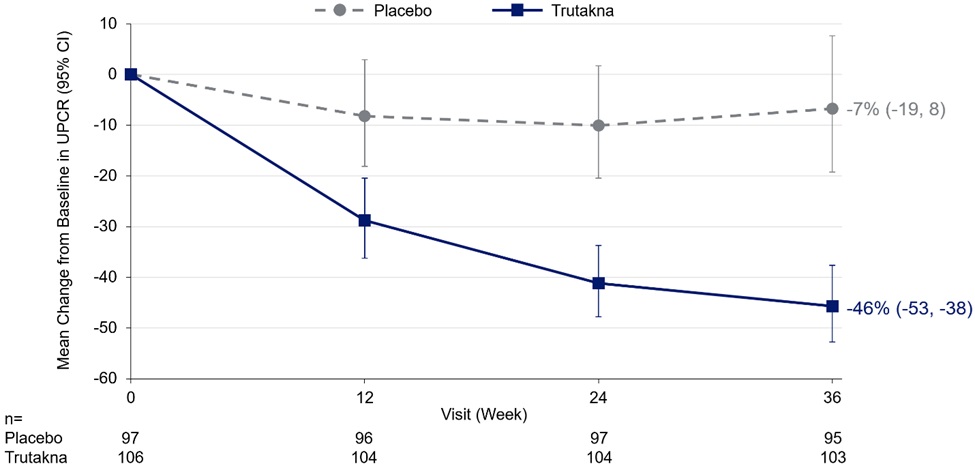
The primary efficacy endpoint was the percent reduction in UPCR based on a 24-hour urine sample at Week 36 relative to baseline (Table 1). The mean percent change from baseline in UPCR over time is shown in Figure 1.

Table 1: Percent Reduction in UPCR at Week 36 in Origin 3

a Percent reduction in UPCR was obtained from the geometric mean ratios, where the natural log–transformed ratio to baseline in UPCR (based on 24-hour urine collection) was analyzed using an MMRM adjusted by stable SGLT2i use at baseline, region, baseline eGFR category, and baseline natural log–transformed UPCR. MMRM analysis included double-blind period data up to Week 36, regardless of treatment discontinuation or initiation of rescue immunosuppressive treatment for IgAN or prohibited therapy; missing values were imputed with jump to reference approach.

bThe 99% CI for the treatment effect vs. placebo is (24, 55), corresponding to the two-sided significance level of 0.01 for the primary endpoint at the interim analysis.

Abbreviations: g/g, gram per gram; CI, confidence interval; N, number of randomized subjects in each group; UPCR, urine protein-to-creatinine ratio; MMRM, Mixed Model for Repeated Measures; eGFR, estimated glomerular filtration rate; IgAN, immunoglobulin A nephropathy.
TRUTAKNA
(N=106)
Placebo
(N=97)
Percent reduction in UPCR at Week 36 relative to baseline (95% CI)a467
(38, 53)(-8, 19)
TRUTAKNA versus placebo: Percent reduction in UPCR at Week 36 relative to baseline (95% CI)b42
(29, 52)
p value<0.0001

Figure 1: Geometric Mean (95% CI) Percent Change from Baseline in UPCR by Visit in Origin 3

Figure 1 (Trutakna 01)

Figure 1 (Trutakna 01)


Adjusted percent change relative to baseline in UPCR (sampled from a 24-hour urine collection) with 95% CI reported in the figure were estimated based on the MMRM analysis in Table 1.

“n” represents the number of subjects with observed data for each visit and treatment group.

Abbreviations: CI, confidence interval; MMRM, mixed model repeated measures; UPCR, urine protein-to-creatinine ratio.

The treatment effect on UPCR at Week 36 was generally consistent across subgroups including age, sex, race, and baseline disease characteristics (such as baseline eGFR and proteinuria levels). The treatment effect on UPCR at Week 36 was also similar in patients regardless of concomitant use with an SGLT2i.

16.1 How Supplied

TRUTAKNA (atacicept-vymj) injection is a sterile, preservative-free, clear to slightly opalescent, brownish-yellow solution, free of visible particles for subcutaneous administration supplied as a single-dose autoinjector. The autoinjector is not made with natural rubber latex.

TRUTAKNA is supplied as follows:

Pre-filled autoinjector:

Carton contains four 150 mg/mL single-dose autoinjectors: NDC 85052-101-04

16.2 Storage And Handling

Store refrigerated at 2°C to 8°C (36°F to 46°F) in the original carton to protect from light.

If needed, TRUTAKNA autoinjector may be stored at room temperature up to 25°C (77°F), for a single period of 3 days (72 hours). Once TRUTAKNA has been stored at room temperature, it should not be placed back into the refrigerator. Discard the autoinjector if not used within this 72‑hour period. Do not freeze. Do not shake. Do not expose to heat.

17 Patient Counseling Information

Advise the patient to read the FDA-approved patient labeling (Patient Information and Instructions for Use).

Infections

Inform patients that TRUTAKNA may decrease the ability of their immune system to fight infections. Advise patients to contact their healthcare provider if they develop signs or symptoms of infection [see Warnings and Precautions (5.1)]

Hypersensitivity and other Administration Reactions

Advise patients to immediately seek medical attention for any signs and symptoms of hypersensitivity or systemic administration-related reactions. Inform patients that local injection-site reactions may occur and to report any severe reactions [see Contraindications (4) and Adverse Reactions (6.1)].

Immunization

Recommend that patients complete any required vaccinations prior to initiating treatment with TRUTAKNA. [see Warnings and Precautions (5.2)].

Pregnancy

Advise patients who are exposed to TRUTAKNA during pregnancy to contact 1-833-633-8372 [see Use in Specific Populations (8.1)].

Disposal of Autoinjectors

Advise patients to follow disposal procedures in the Instructions for Use. A puncture-resistant container for disposal of needles and syringes should be used. Instruct patients that they will need to follow their community guidelines for the correct way to dispose of their sharps disposal container. Instruct patients not to recycle their used sharps disposal container.


Manufactured by:
Vera Therapeutics, Inc.
Brisbane, CA 94005
U.S. License No. 2386


TRUTAKNA™ is a trademark of Vera Therapeutics, Inc
© 2026 Vera Therapeutics, Inc.


Spl Patient Package Insert

This Patient Information has been approved by the U.S. Food and Drug Administration.Issued: 07/2026

PATIENT INFORMATION

TRUTAKNA (tru-TAK-nuh)
(atacicept-vymj)
injection, for subcutaneous use

What is TRUTAKNA?

TRUTAKNA is a prescription medicine used to reduce protein in the urine (proteinuria) in adults with a kidney disease called primary immunoglobulin A nephropathy (IgAN), who are at risk of their disease getting worse.

It is not known if TRUTAKNA is safe and effective in children.

Do not use TRUTAKNA if you:

  • are allergic to atacicept-vymj or any of the ingredients in TRUTAKNA. See the end of this Patient Information for a complete list of ingredients in TRUTAKNA. Get emergency help if you develop signs and symptoms of an allergic reaction including:
    • breathing problems
    • itching
    • swelling of the face, eyes, lips, tongue, or throat
    • hives
    • dizziness or lightheadedness
    • skin rash

Before using TRUTAKNA, tell your healthcare provider about all of your medical conditions, including if you:

  • have or think you have an infection or have infections that keep coming back.
  • have recently received or are scheduled to receive an immunization (vaccine). TRUTAKNA may affect your immune system response to vaccines and increase your risk of an infection from live vaccines.
    • You should be brought up to date with all vaccines before starting treatment with TRUTAKNA.
    • You should not receive live vaccines within 30 days before starting treatment with TRUTAKNA or during treatment with TRUTAKNA.
    • are pregnant or plan to become pregnant. It is not known if TRUTAKNA will harm your unborn baby. Tell your healthcare provider if you become pregnant during treatment with TRUTAKNA. If you become pregnant during treatment with TRUTAKNA, you or your healthcare provider should call 1-833-633-8372.
    • are breastfeeding or plan to breastfeed. It is not known if TRUTAKNA passes into your breastmilk. Talk to your healthcare provider about the best way to feed your baby if you take TRUTAKNA.
    • Tell your healthcare provider about all the medicines you take, including prescription and over the counter medicines, vitamins, and herbal supplements. Using TRUTAKNA with certain medicines may increase your risk of infections.

How should I take TRUTAKNA?

See the detailed Instructions for Use that comes with TRUTAKNA for information about how to prepare and inject a dose of TRUTAKNA and how to properly store and throw away (dispose of) used TRUTAKNA autoinjectors.

  • Use TRUTAKNA exactly as your healthcare provider tells you to.
  • Use TRUTAKNA 1 time each week.
  • TRUTAKNA is given as an injection under the skin (subcutaneous injection).
  • Inject TRUTAKNA under the skin in the stomach area (abdomen) at least 2 inches away from the belly button (navel), or the front of the thigh. Choose a different site each time you inject TRUTAKNA.
  • If you miss a dose of TRUTAKNA, inject the missed dose as soon as possible then continue TRUTAKNA 1 time each week, starting 1 week after you injected the missed dose

What are the possible side effects of TRUTAKNA?

TRUTAKNA can cause serious side effects, including:

  • Immunosuppression and increased risk of infections. TRUTAKNA weakens your immune system, which may increase your risk of infections. Your healthcare provider will check you for signs and symptoms of infections before you start and during treatment with TRUTAKNA. Tell your healthcare provider right away if you develop any signs and symptoms of infection during treatment with TRUTAKNA including:
    • fever
    • flu-like symptoms
    • chills
    • aches and pains
    • feeling tired
    • warm, red, or painful skin
    • cough
    • The most common side effects of TRUTAKNA include:
      upper respiratory tract infection and injection site reactions, such as redness, swelling, itching or skin irritation at the injection site.

      Your healthcare provider may interrupt treatment with TRUTAKNA if you have serious side effects.

      These are not all the possible side effects of TRUTAKNA.

      Call your doctor for medical advice about side effects. You may report side effects to FDA at 1-800-FDA-1088.

How should I store TRUTAKNA?

  • Store TRUTAKNA in the refrigerator at 36°F to 46°F (2°C to 8°C).
  • Store TRUTAKNA in the original carton until time of use to protect it from light.
  • If needed, TRUTAKNA may be stored at room temperature up to 77°F (25°C) for a single period of 3 days (72 hours). After TRUTAKNA has been stored at room temperature, it should not be placed back into the refrigerator. Throw away (discard) TRUTAKNA autoinjector if not used within these 3 days (72 hours).
  • Do not freeze TRUTAKNA.
  • Do not shake TRUTAKNA.
  • Keep TRUTAKNA away from heat.
  • Safely throw away TRUTAKNA that has expired or is no longer needed.
  • Keep TRUTAKNA and all medicines out of the reach of children.

General information about the safe and effective use of TRUTAKNA.

Medicines are sometimes prescribed for purposes other than those listed in a Patient Information leaflet. Do not use TRUTAKNA for a condition for which it was not prescribed. Do not give TRUTAKNA to other people, even if they have the same symptoms that you have. It may harm them.

You can ask your pharmacist or healthcare provider for information about TRUTAKNA that is written for health professionals.

What are the ingredients in TRUTAKNA?

Active ingredients: atacicept-vymj
Inactive ingredients: acetic acid, sodium acetate, sodium hydroxide, trehalose, and Water for Injection.
TRUTAKNA autoinjector is not made with natural rubber latex.


Manufactured by: Vera Therapeutics, Inc., Brisbane, CA 94005, U.S. License No.: 2386
For more information, go to www.TRUTAKNA.com or call 1-833-633-8372.


Instructions For Use

These Instructions for Use have been approved by the U.S. Food and Drug Administration.

LBL-0038, V1.0
Approved: 07/2026

INSTRUCTIONS FOR USE
TRUTAKNA
™ (tru-TAK-nuh)
(atacicept-vymj)
injection, for subcutaneous use
150 mg/mL
Single-dose Pre-filled Autoinjector

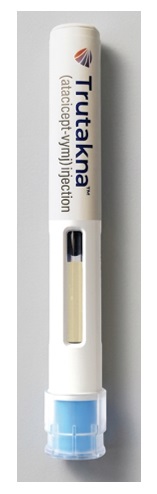
Figure (Trutakna 02)

Figure (Trutakna 02)

This Instructions for Use contains information on how to inject TRUTAKNA. Read this Instructions for Use before you use the TRUTAKNA autoinjector and each time you get a refill. There may be new information.

Important Information You Need to Know Before Injecting TRUTAKNA

  • For subcutaneous use only (inject under the skin).
  • Inject TRUTAKNA into the stomach area (abdomen) or thigh only.
  • Each TRUTAKNA autoinjector is for 1-time use only.
  • Do not pull the cap off the TRUTAKNA autoinjector until you are ready to inject.
  • Do not use the TRUTAKNA autoinjector if it has been dropped or damaged.
  • Do not use the TRUTAKNA autoinjector if the tamper seal on the original packaging is torn or damaged.
  • If the TRUTAKNA autoinjector was accidentally activated, throw away the activated TRUTAKNA autoinjector. See Step 9: Throwing away (disposal).
  • Throw away (dispose of) the TRUTAKNA autoinjector right after your injection. See Step 9: Throwing away (disposal).
  • The TRUTAKNA autoinjector is not made with natural rubber latex.
  • If you have any questions about injecting TRUTAKNA, call Vera Therapeutics at 1-833-633-8372 or call your healthcare provider.

Supplies Needed

  • TRUTAKNA autoinjector
  • Alcohol wipes (not included)
  • Cotton balls or gauze (not included)
  • Adhesive bandage (not included)
  • FDA-cleared sharps disposal container (not included)

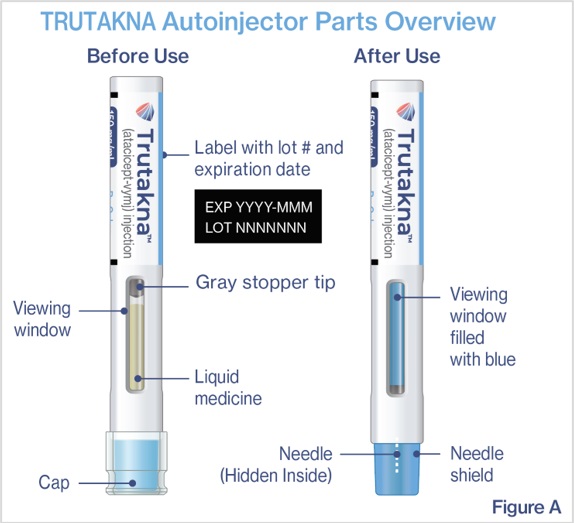
Figure A (Trutakna 03)

Figure A (Trutakna 03)

Storing TRUTAKNA

  • Store TRUTAKNA in the refrigerator between 36°F and 46°F (2°C and 8°C).
  • Store TRUTAKNA in the original carton until time of use to protect it from light.
  • If needed, TRUTAKNA may be stored at room temperature up to 77°F (25°C) for a single period of 3 days (72 hours). After TRUTAKNA has been stored at room temperature, it should not be placed back into the refrigerator. Throw away (discard) TRUTAKNA autoinjector if not used within these 3 days (72 hours).
  • Do not freeze TRUTAKNA.
  • Do not shake TRUTAKNA.
  • Keep TRUTAKNA away from heat.
  • Safely throw away TRUTAKNA that has expired or is no longer needed.
  • Keep the TRUTAKNA autoinjector and all medicines out of the reach of children.

Getting Started

1. Bring the TRUTAKNA autoinjector to room temperature

Remove one TRUTAKNA autoinjector from the refrigerator and allow it to sit for 15 to 30 minutes at room temperature between 60°F to 77°F (15°C to 25°C) before injecting. Allowing the TRUTAKNA autoinjector to warm may make the injection more comfortable.
Do not microwave or heat up the TRUTAKNA autoinjector.

2. Check the TRUTAKNA autoinjector

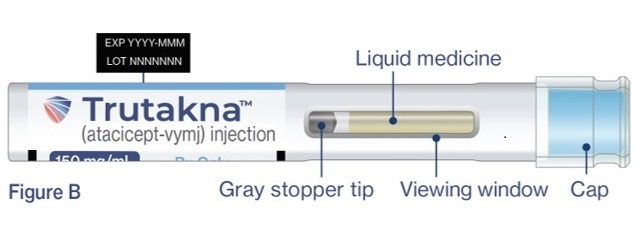
Figure B (Trutakna 04)

Figure B (Trutakna 04)

  • Without removing the cap, check the cap for any visible damage.
  • Check the TRUTAKNA autoinjector for any damage, such as cracks, dents, and leaks.
  • Make sure the name TRUTAKNA is on the label.
  • Check the expiration date.
  • Check the viewing window. You should see the gray stopper tip on one end of the viewing window. If the viewing window is filled with blue, the TRUTAKNA autoinjector will not work. Use a new TRUTAKNA autoinjector if the viewing window is blue.
  • Look at the liquid medicine in the viewing window. It should be clear, brownish-yellow and free of particles or cloudiness. A small bubble inside the liquid medicine is okay. Do not try to remove the bubble.

Do not use the TRUTAKNA autoinjector if:

  • There is any damage to the cap or to the autoinjector body.
  • The expiration date has passed.
  • The liquid medicine is cloudy or has particles.

Selecting the Injection Site

3. Choose the injection site

  • Wash your hands with soap and water.
  • Find a quiet area with a well-lit, clean, and flat work surface.
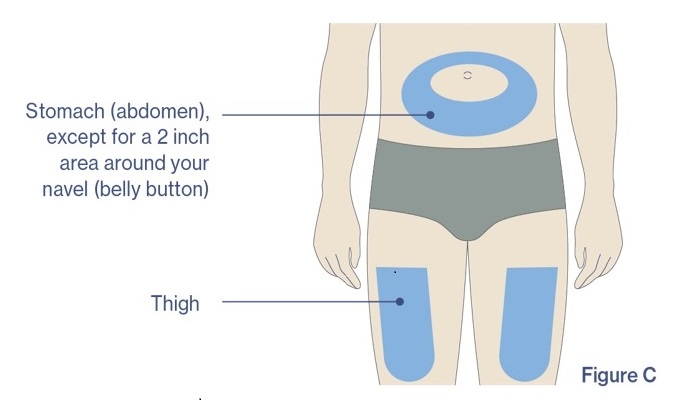
  • Choose an injection site on the stomach area (abdomen) at least 2-inches away from the belly button (navel), or front of the thigh (See Figure C).

Figure C (Trutakna 05)

Figure C (Trutakna 05)

Choose a different injection site each time you inject TRUTAKNA. Rotating injection sites may help prevent injection site irritation or scarring.

Do not inject into:

  • the same site you used for your last injection.
  • skin that is irritated, bruised, red, sore, hard, or scarred.
  • your belly button or skin with scars, moles, tattoos, cuts or scratches.
  • your clothes.

Preparing to Inject TRUTAKNA

4. Clean the chosen injection site with an alcohol wipe

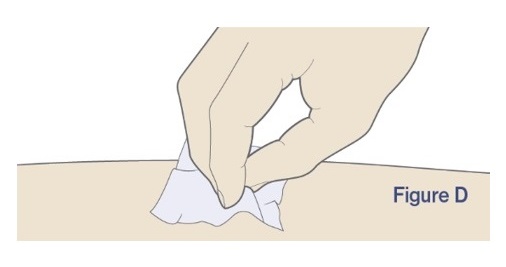
  • Clean the chosen injection site with an alcohol wipe (see Figure D).
  • Let your skin dry.

Figure D (Trutakna 06)

Figure D (Trutakna 06)

Do not fan or blow on the cleaned area.

Do not touch the injection site again after cleaning it.

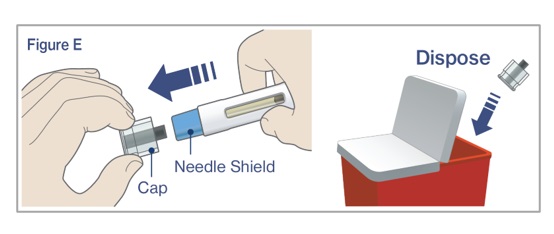
5. Remove the cap

  • Pull the cap straight off the TRUTAKNA autoinjector and throw away (dispose of) the cap (see Figure E) in an FDA-cleared sharps disposal container.

Figure E (Trutakna 07)

Figure E (Trutakna 07)

Do not:

  • Twist the cap off.
  • Push the blue needle shield against the hand or finger because this may activate the TRUTAKNA autoinjector and cause a needle stick injury.
  • Put the cap back onto the TRUTAKNA autoinjector because you may damage the needle.

Injecting TRUTAKNA

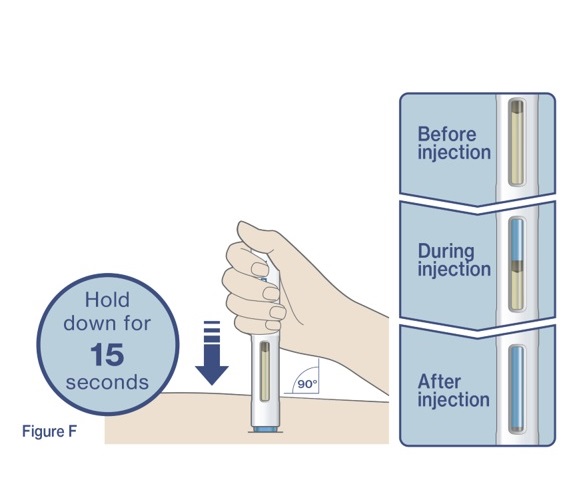
6. Place the TRUTAKNA autoinjector and begin the injection

  • Place the blue needle shield flat against the skin (90-degree angle) so you can clearly see the viewing window.
  • Push down firmly against the skin. Continue holding the TRUTAKNA autoinjector down while counting slowly to 15 (see Figure F).
  • You may hear clicks during the injection. Keep holding down the TRUTAKNA autoinjector against the skin.
  • Check that the viewing window is filled with blue before lifting the TRUTAKNA autoinjector from the skin.

Figure F (Trutakna 08)

Figure F (Trutakna 08)

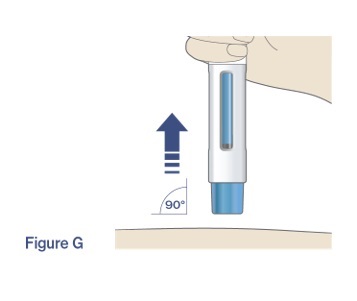
7. Remove

  • If the viewing window is not completely filled with blue, contact your healthcare provider right away. You may not have received your full dose.
  • Lift the TRUTAKNA autoinjector straight up (see Figure G). The injection is now complete. The blue needle shield will slide down and lock over the needle.

Figure G (Trutakna 09)

Figure G (Trutakna 09)

Do not:

  • Tilt the TRUTAKNA autoinjector when removing it from the skin.
  • Touch the blue needle shield.
  • Massage or rub the injection site.

After Injecting TRUTAKNA

8. Check injection site

  • Check the injection site for liquid medicine. If more than a few drops of TRUTAKNA are on the injection site, you may not have injected a full dose of TRUTAKNA. Contact your healthcare provider.
  • If there is a small amount of blood at the injection site, gently press a cotton ball or gauze onto the injection site for a few seconds. If necessary, apply an adhesive bandage at the injection site.

9. Throwing away (disposal)

  • Put the used TRUTAKNA autoinjector in an FDA cleared sharps disposal container right away after use.
  • The used alcohol pads, cotton balls, gauze, and packaging may be placed in your household trash.
  • Important: Do not re-cap the autoinjector before throwing it away (disposing).

  • If you do not have an FDA-cleared sharps disposal container, you may use a household container that is:
    • made of a heavy-duty plastic,
    • can be closed with a tight-fitting, puncture-resistant lid, without sharps being able to come out,
    • upright and stable during use,
    • leak-resistant, and
    • properly labeled to warn of hazardous waste inside the container.
    • When your sharps disposal container is almost full, you will need to follow your community guidelines for the right way to dispose of your sharps disposal container.
    • There may be state or local laws about how you should throw away used syringes and needles. For more information about safe sharps disposal, and for specific information about sharps disposal in the state that you live in, go to the FDA’s website at: http:/www.fda.gov/safesharpsdisposal
    • Do not dispose of your used sharps disposal container in your household trash unless your community guidelines permit this. Do not recycle your used sharps disposal container.
    • Keep the TRUTAKNA autoinjector and the disposal container out of the reach of children.

©2026 Vera Therapeutics, Inc.
Manufactured by:
Vera Therapeutics, Inc.
Brisbane, CA 94005
US License No.: 2386
1-833-633-8372

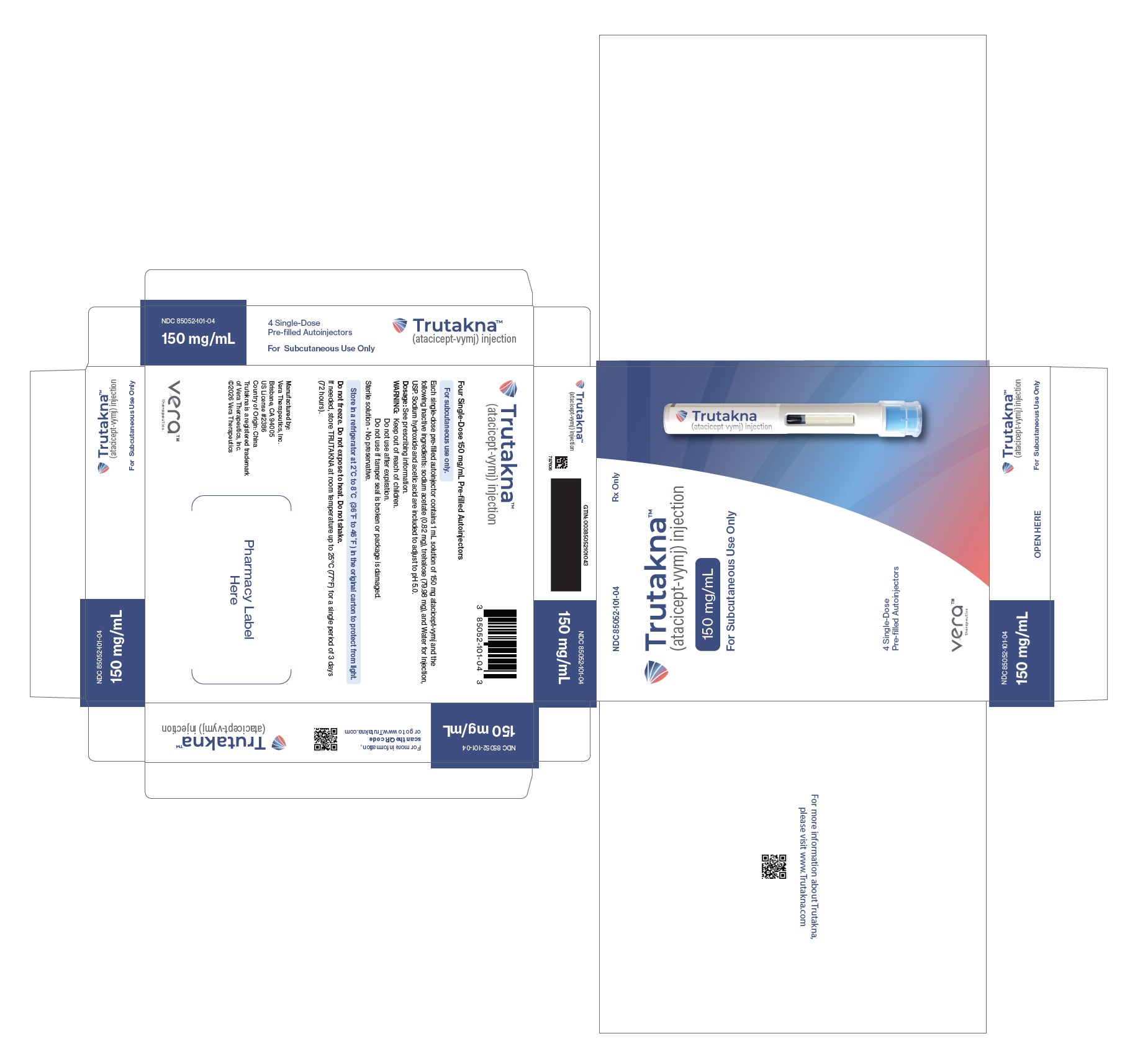
Principal Display Panel - Ndc 85052-101-04 - Carton Label

Carton Label (Trutakna 10)

Carton Label (Trutakna 10)


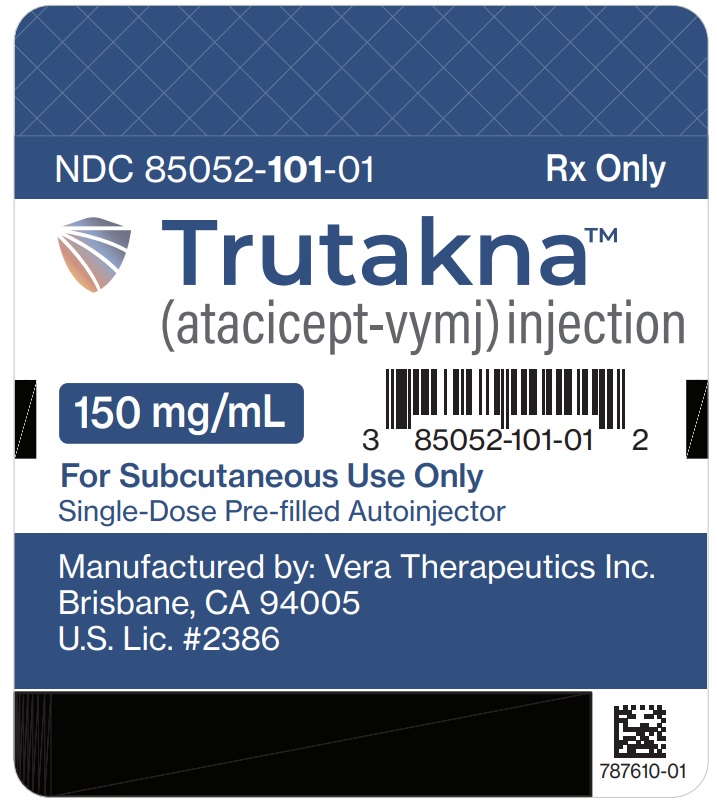
Principal Display Panel - Ndc 85052-101-01 - Autoinjector Label

Autoinjector Label (Trutakna 11)

Autoinjector Label (Trutakna 11)


* Please review the disclaimer below.