Wild Cherry Hand Sanitizing Wipes Cloth
Product Images NDC 85844-501

View Photos of Packaging, Regulatory Labels, and Product Appearance

Product Visual Gallery

This gallery contains 2 technical images submitted to the FDA as part of the official labeling for Wild Cherry Hand Sanitizing Wipes (NDC 85844-501). Unlike standard consumer photos, these assets often include clinical data figures, molecular chemical structures, and official manufacturer packaging layouts.

As provided by Zhejiang Bright Care Co., Ltd, these visuals offer a comprehensive scientific overview of the product's physical and chemical identity, aiding pharmacists and researchers in product verification and study.

FDA Label Image

54fb14d0 8e57 94bb E063 6294a90acc8b
54fb14d0 8e57 94bb E063 6294a90acc8b
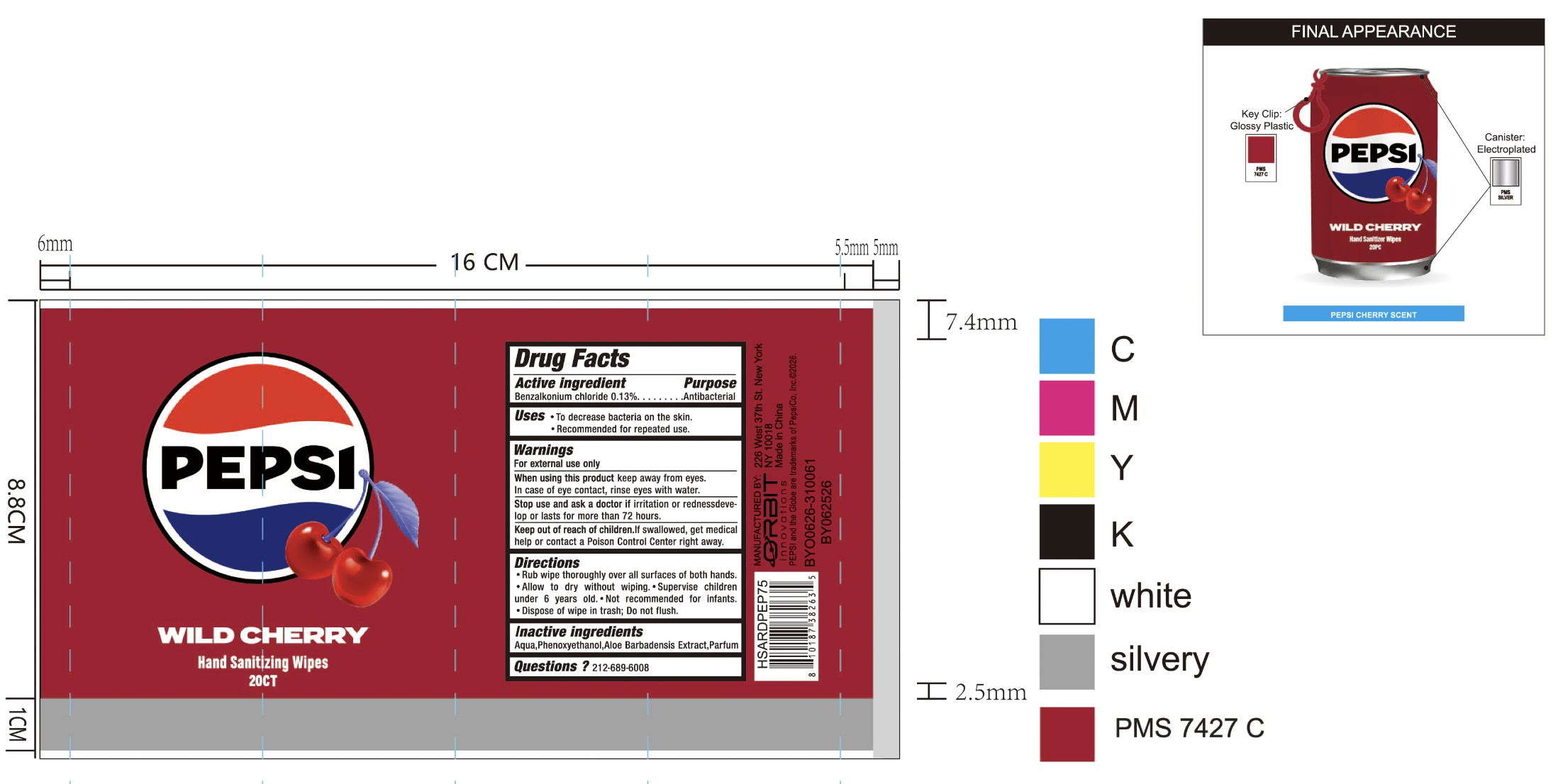
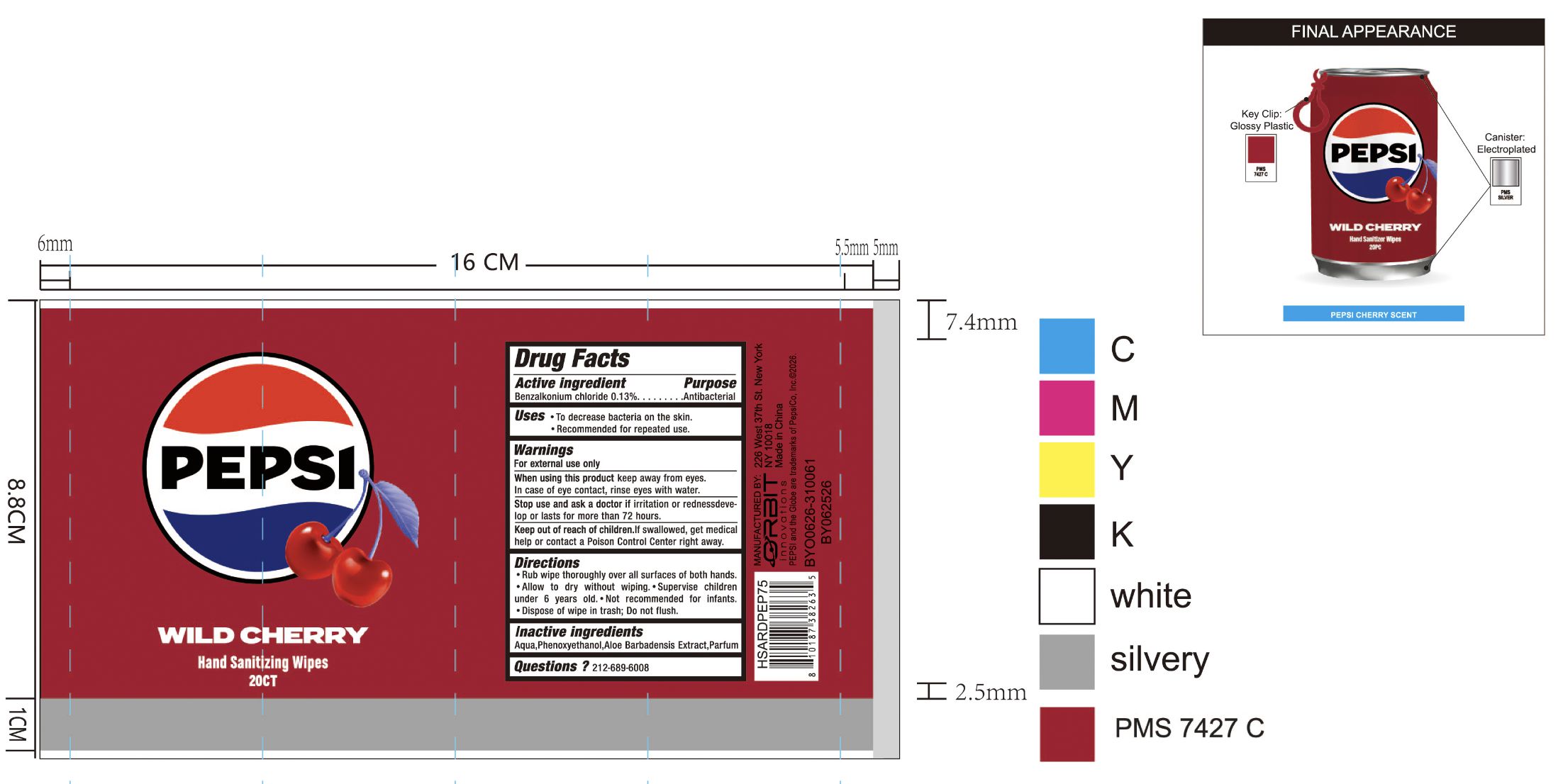
This is a description for Wild Cherry Hand Sanitizing Wipes with 20 wipes in a canister. The wipes contain 0.13% Benzalkonium chloride as an antibacterial agent. They are recommended for decreasing bacteria on the skin and are suitable for repeated use. Some warnings include keeping the wipes away from the eyes and seeking medical help if irritation persists. Directions are provided to rub the wipe over both hands and allow them to dry without wiping. The wipes are not recommended for infants and should be disposed of in the trash, not flushed.*
FDA Label Image

Label (Wipes Cherry)

Label (Wipes Cherry)
This is a drug facts label for Wild Cherry Hand Sanitizing Wipes. The active ingredient is Benzalkonium chloride 0.13%, an antibacterial agent. These wipes are used to decrease bacteria on the skin and are recommended for repeated use. They should be rubbed thoroughly over both hands and allowed to dry without wiping. It is advised to keep the wipes away from eyes and not recommended for infants. If irritation or redness develops and lasts for more than 72 hours, a doctor should be consulted. The wipes should be disposed of in the trash and not flushed. The product is hand sanitizing wipes with a Wild Cherry scent.*

* These product label images have been analyzed using experimental machine learning. Please verify findings with the primary label text.