The efficacy of TREGZI was evaluated in a multicenter, open-label, randomized, controlled study (Phase 3 Precision-T Study; NCT05316701). The study enrolled adult patients with 1) acute leukemias (acute lymphoblastic leukemia [ALL], acute myelogenous leukemia [AML], or mixed phenotype/ undifferentiated) in complete remission (CR) or CR with incomplete recovery (CRi) or 2) myelodysplastic syndrome (MDS): i) with ≤10% blast burden in the bone marrow and who were eligible for allogeneic transplant per 2017 International Expert Panel recommendations1 including high-risk IPSS-R≥5, or poor risk genetic features, or failed nontransplant therapies including erythropoietin-stimulating agents (ESAs), lenalidomide, hypomethylating agents (HMAs), or intensive chemotherapies or ii) therapy-related/secondary MDS as defined by the World Health Organization (WHO) classification of myeloid malignancies. Patients with prior history of allogeneic hematopoietic stem cell transplantation were excluded.
In total, 187 patients were randomized to receive either TREGZI (n=93) in the treatment group or an unmanipulated allograft in the control group (n=94). Of the 93 patients randomized to TREGZI, 88 patients were treated with TREGZI. The reasons for not receiving TREGZI were as follows: One patient received cryopreserved SoC alloHCT because of COVID, 2 patients withdrew consent prior to treatment, 1 patient relapsed and did not enter remission, and 1 patient received TREGZI after the data cutoff date. The median (min, max) time from randomization to transplant is 9 days (6, 26) for patients who received TREGZI (N=88) and 8 days (6, 24) for patients who received SoC (N=94). Both TREGZI and the unmanipulated allograft were derived from G-CSF-mobilized peripheral blood apheresis product from 8/8 (at alleles A, B, C, and DRB1) HLA-matched sibling donors (MSD) or unrelated donors (MUD) and were administered after a myeloablative preparative regimen such as total body irradiation (TBI)-based or chemotherapy-based options. Patients in the TREGZI group received HSPC and Treg components on Day 0, Tcon component on Day 2 or 3 (if no evidence of uncontrolled bacterial, viral, or fungal infection and Karnofsky performance score ≥30%) and tacrolimus within 12 hours after T con infusion as GVHD prophylaxis. Patients in the control group received unmanipulated allograft on Day 0 and tacrolimus starting on Day-3 and methotrexate starting on Day 1 as GVHD prophylaxis.
The population demographics and characteristics were as follows: The median age was 44 years (range: 19 to 65 years), 103 patients (55%) were male, 139 patients (74%) were white, 18 patients (10%) were Asian, 3 patients (2%) were black, 3 patients (2%) American Indian or Alaskan Native, 2 patients (1%) were Native Hawaiian or Other Pacific Islander, and 22 patients (12%) had race not reported. The primary disease diagnoses were as follows: 57 patients (31%) with ALL, 100 patients (54%) with AML, 23 patients (12%) with MDS, and 7 patients (4%) with mixed phenotype acute leukemia (MPAL). Patients received the following myeloablative preparative regimen: 58 patients (31%) received TBI-based conditioning regimens, 126 (67%) received Busulfan-Fludarabine -Thiotepa conditioning regimens, 3 patients (2%) did not receive any conditioning regimen and treatment. DRI score was high in 36 patients (19%) and intermediate in 151 patients (81%). Baseline HCT-CI score were as follows: 45 patients (24%) were with score 0, 90 patients (48%) were with score 1-2, and 52 patients (28%) were with score 3-5. Ninety-five patients (51%) received a graft from 8/8 HLA matched sibling and 92 patients (49%) received a graft from 8/8 HLA matched unrelated donor. The demographics, disease characteristics, conditioning regimens, DRI score, HCT-CI score, and graft source were balanced between TREGZI group and the control group.
The primary efficacy endpoint was cGVHD-free survival (cGFS), defined as the time from HCT to death by any cause or moderate to severe cGVHD, as graded per National Institutes of Health [NIH] consensus criteria and determined by an independent review committee. To control the Type I error rate, other efficacy endpoints were tested in the following hierarchical order: time to moderate/severe chronic GVHD (cGVHD), overall survival (OS), and GVHD-free/relapse-free survival (GRFS).
The study demonstrated a statistically significant improvement in cGFS and time to moderate/severe cGVHD in patients randomized to TREGZI compared with patients randomized to control. Table 5 and Figure 1 below summarize the efficacy results from Precision-T Study.
Table 5 Efficacy Results from Precision-T Study| Endpoint | TREGZI
(N = 93)Four subjects randomized to the TREGZI group did not receive treatment and were censored at Day 1. One subject randomized to the TREGZI group received cryopreserved SoC alloHCT and was analyzed according to the randomized treatment assignment. | SoC Control
(N = 94) | Comparison |
|---|
| Abbreviations: cGFS, cGVHD-free survival; cGVHD, chronic graft-versus-host disease; CI, confidence interval; DRI, Disease Risk Index; EAC, endpoint adjudication committee, HLA, human leukocyte antigen; MSD, matched sibling donor; MUD, matched unrelated donor; NE, not estimable. NIH, National Institutes of Health; SoC, standard of care. |
| cGFS Stratified log-rank test was used to compare cGFS per EAC between the TREGZI group and the control group |
| Number (%) of patients with events | 14 (15.1%) | 44 (46.8%) | |
| Median, months [95% CI] | NE [NE, NE] | 7.3 [6.3, 15.5] | |
| P value (log-rank) | | | <.00001 |
| Hazard Ratio Based on a stratified Cox proportional hazards model [95% CI] | | | 0.26 [0.14, 0.47] |
| Time to moderate or severe cGVHD Stratified Gray's test was used to compare time to moderate or severe cGVHD per EAC between the TREGZI group and the control group, treating death as a competing risk. An event for this time-to-event endpoint was defined as the first occurrence of moderate to severe cGVHD per NIH consensus criteria. Patients were followed for cGVHD for 2 years post transplant. |
| Number (%) of patients with events | 7 (7.5%) | 30 (31.9%) | |
| Cumulative Incidence % at 12 months [95% CI] | 12.6 [5.3, 23.1] | 44.0 [31.3, 56.1] | |
| P value (Gray's test) | | | .00002 |
| Hazard Ratio Based on a stratified subdistribution proportional hazards model
a,b,1,2 Stratified by randomization stratification factors: donor type (8/8 HLA-MSD versus 8/8 HLA-MUD) and DRI risk category (intermediate risk versus high risk) [95% CI] | | | 0.19 [0.08, 0.43] |
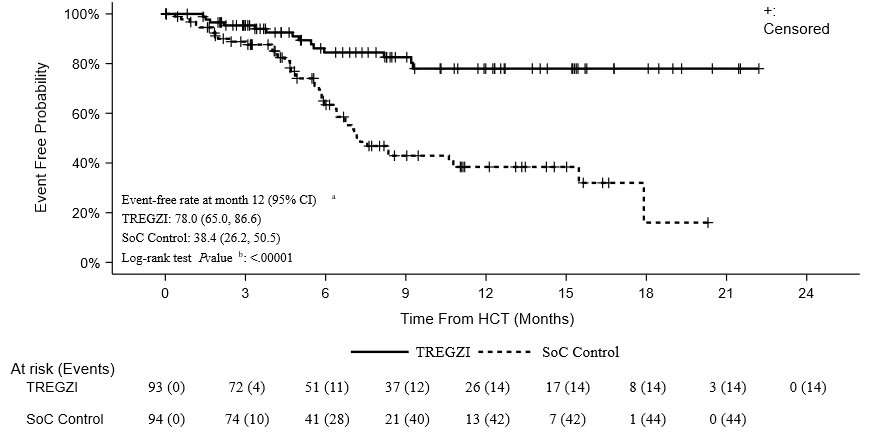
Figure 1: Kaplan-Meier Curve of cGFS in Precision-T Phase 3 (Intention-to-Treat Analysis Set)
The median duration of follow up was 8.48 (range: 0 to 22.2) months on the TREGZI arm and 9.03 (range: 0 to 20.3) months on the control arm.
At 12 months, the Kaplan-Meier estimate of cGFS was 78.0% (95% CI: 65.0%, 86.6%) for TREGZI compared with 38.4% (95% CI: 26.2%, 50.5%) for the control group.
Seven patients (7.5%) in the TREGZI group and 15 patients (16.0%) in the control group died on study with a median follow-up for survival of 11.04 (range: 0.2 to 23.9) months and 11.47 (range: 0.7 to 24.3) months, respectively.
Fifteen patients (16.1%) in the TREGZI group and 10 patients (10.6%) in the control group relapsed on study.
All 88 patients (100%) treated with TREGZI achieved a neutrophil count of 500/mm3 within 28 days of infusion. Of these, 53 patients (60.2%) had neutrophil counts greater than 500/mm3 on three consecutive days, confirming neutrophil recovery within 28 days of infusion.
Myeloid-lineage donor chimerism data were available for 68 of 88 patients treated with TREGZI. Among these 68 patients, all demonstrated myeloid-lineage donor chimerism >95% at Day +28 post-transplant.