Warning: Not For Treatment Of Obesity Or For Weight Loss
Thyroid hormones, including EMCITATE, either alone or with other therapeutic agents, should not be used for the treatment of obesity or for weight loss [see Warnings and Precautions (5.2)].
The following Structured Product Label (SPL) was submitted to the FDA by Rare Thyroid Therapeutics International Ab for the product Emcitate (NDC 87216-0100). This document serves as the official prescribing information, containing essential scientific data and clinical materials required for healthcare providers and patients.
This specific version of the label includes detailed information regarding warning: not for treatment of obesity or for weight loss, 1 indications and usage, other, 2.1 overview, 2.2 recommended dosage, 2.3 dose titration, 2.4 dosage reduction for new or worsening thyrotoxicosis, 2.5 missed dose or vomiting, and other regulatory disclosures. Use the navigation below to review specific sections of the FDA submission.
Thyroid hormones, including EMCITATE, either alone or with other therapeutic agents, should not be used for the treatment of obesity or for weight loss [see Warnings and Precautions (5.2)].
EMCITATE is indicated for the treatment of peripheral thyrotoxicosis in adults and pediatric patients with monocarboxylate transporter 8 (MCT8) deficiency (Allan-Herndon-Dudley syndrome).
Limitation of Use
EMCITATE is not recommended for the treatment of primary hypothyroidism.
Signs and symptoms of thyrotoxicosis
In Study 2, transient increases in heart rate (≥ 10 bpm) and systolic blood pressure (≥ 5 mmHg) were observed in 35% and 26% of participants, respectively, during the titration period. In addition, 30% of participants experienced at least one adverse reaction potentially related to thyrotoxicosis during the trial (diarrhea, hyperhidrosis, irritability, insomnia, nightmares), with most of these adverse reactions occurring during the titration period [see Warnings and Precautions (5.1)].
Cardiac Electrophysiology
There is insufficient information to characterize the effect of tiratricol on the QTc interval.
Absorption
The absorption of tiratricol is rapid with a median time to maximum plasma concentration (Tmax) of 0.5 hours (range 0.25 to 1 hour).
Effect of Food
Administration of EMCITATE in healthy volunteers at doses of 175 mcg and 1050 mcg with a high-fat high-calorie meal (956 kcal energy, 35 g protein, 65 g carbohydrate and 61 g fat (with 57% energy from fat)) resulted in a delayed Tmax (1 hour), reduced Cmax (67%-70%), and unchanged AUC, compared to fasted conditions. These changes are not clinically significant [see Dosage and Administration (2.8)].
Distribution
Tiratricol plasma protein binding is 99%. The apparent volume of distribution is 364 L for a 70 kg patient and 130 L for a 25 kg patient.
Elimination
The apparent clearance of tiratricol is 21 L/hr for a 70 kg patient and 10 L/hr for a 25 kg patient. The steady state half-life is approximately 12 hours for a 70 kg patient and 9.4 hours for a 25 kg patient.
Metabolism
Tiratricol is metabolized by stepwise deiodination, sulfation and glucuronidation, mainly in the liver.
Excretion
Tiratricol and its metabolites are predominantly eliminated in urine as inorganic iodine and in bile.
Specific Populations
No clinical studies have been performed in subjects with renal and hepatic impairment.
Pediatric Patients
Pediatric patients (5 to 16 years of age) with a lower body weight had a lower clearance and volume of distribution as compared to adult patients.
Drug Interaction Studies
No clinical drug-drug interaction studies have been performed with tiratricol.
In vitro studies
CYP450 Enzymes: Tiratricol is unlikely to inhibit or induce CYP1A2, CYP2B6, CYP2C8, CYP2C9, CYP2C19, CYP2D6 and CYP3A4 at clinically relevant doses.
UGT Enzymes: Tiratricol is unlikely to inhibit UGT1A1, UGT1A3, UGT1A4, UGT1A6, UGT1A9, UGT2B7, UGT2B15 and UGT2B17 at clinically relevant doses.
Transporters: Tiratricol is not a substrate for P-gp, BCRP, OAT1, OAT3, OCT1, OCT2, OATP1B1, OATP1B3, MATE1 or MATE2-K.
Tiratricol is unlikely to inhibit BCRP, OAT1, OAT3, OATP1B1 transporters at clinically relevant doses.
Carcinogenesis
Tiratricol was not carcinogenic in Tg-RasH2 mouse carcinogenicity studies up to the highest tolerable dose tested of 15 mg/kg/day.
Mutagenesis
Tiratricol was not genotoxic in a bacterial reverse mutation assay, an in vitro micronucleus assay in human lymphoblastoid cells, and in an in vivo rat bone marrow micronucleus assay.
Impairment of Fertility
Dedicated fertility studies have not been conducted with tiratricol.
Study 1
The efficacy of EMCITATE in patients with MCT8 deficiency was evaluated in an international, multicenter study (Study 1; NCT05579327) that consisted of three study periods as follows:
Screening Period:
Twenty participants with MCT8 deficiency were enrolled during the Screening Period: 10 participants in Cohort A, who were already receiving EMCITATE treatment, and 10 participants in Cohort B, who were started on EMCITATE 350 mcg daily. The EMCITATE dose was titrated by 350 mcg daily every 2 weeks based on serum total T3 to achieve the stable dose criterion. The stable dose criterion was defined as at least 4 weeks of treatment with a fixed daily dose of EMCITATE and at least 2 consecutive serum total T3 results within the target range (between 80% of the lower limit of normal and no higher than the 75th percentile of the normal range). The mean duration of treatment with EMCITATE during this period was 86 days in Cohort A and 77 days in Cohort B.
The median age of the 20 participants enrolled in the study was 11 years, ranging from 5 to 31 years. All subjects were male. There were 65% White, 15% Black or African Americans, 5% Asian, 5% American Indian or Alaska Native and 10% other races.
Randomized Treatment Period:
Fifteen participants (8 participants from Cohort A and 7 participants from Cohort B) achieved the stable dose criterion and were randomized (1:1) to receive placebo or continue EMCITATE treatment for 30 days or until the rescue criterion, defined as the serum total T3 above the upper limit of normal (ULN), was met. Serum total T3 was measured weekly during this period. If the rescue criterion was met, the subject stopped the blinded study treatment and re-initiated EMCITATE at the pre-randomization dose.
Follow-up Period:
After completion of the RTP, 14 participants entered a 6-week follow-up period and received EMCITATE at the stable maintenance dose received prior to randomization.
Efficacy Assessment and Results
The two primary efficacy endpoints were: 1) Rate of change from baseline in serum total T3 during the 30-day Randomized Treatment Period; 2) Proportion of participants who met the rescue criterion during the 30-day Randomized Treatment Period.
The results for primary efficacy endpoint 1 are presented in Table 5.
Note: Estimates from random effects model | |||
Abbreviations: CI = confidence interval; T3 = triiodothyronine | |||
| Treatment | N | T3 rate of change
[95% CI] | Ratio of T3 rate of change
Placebo/Tiratricol [95% CI] |
| Placebo | 8 | 1.6 [1.2; 2.1] | 1.5 [1.0; 2.2] (p-value=0.034) |
| Tiratricol | 7 | 1.1 [0.8; 1.3] | |
The mean (SD) change from baseline to the end of the Randomized Treatment Period in total T3 levels was 64.6 (12.7) ng/dL from a baseline of 109.1 ng/dL in the placebo arm and -0.2 (12.5) ng/dL from a baseline of 100.5 ng/dL in the tiratricol arm. The treatment difference (95% CI) in total T3 change from baseline at the end of randomized treatment period was 64.8 ng/dL (44.7, 84.8) for placebo versus tiratricol arm.
The results for primary efficacy endpoint 2 (proportion of participants meeting the rescue criterion during the Randomized Treatment Period) are provided in Table 6.
Note:* One participant who discontinued prematurely during the Randomized Treatment Period was considered to have met the rescue criterion. | ||
Abbreviations: CI, confidence interval; N, total number of subjects; FAS, Full analysis set; RW, randomized withdrawal; ULN, upper limit of normal | ||
| Tiratricol N=7 | Placebo N=8 | |
| Rescue criterion not met, n (%) | 6 (85.7) | 4 (50.0) |
| Rescue criterion met, n (%) | 1* (14.3) | 4 (50.0) |
| Difference in Proportions (Placebo-Tiratricol) | 0.36 | |
| 95% CI | -0.16, 0.77 | |
After withdrawal of EMCITATE, all 8 participants randomized to placebo had an increase in serum total T3 during the randomized treatment period (range: 31.9 to 135.4 ng/dL) that was larger than what was seen in the 7 patients randomized to continue EMCITATE (range: -15.6 to 26.0 ng/dL).
Secondary efficacy endpoints assessing mean changes in heart rate and systolic blood pressure from screening until pre-randomization and from screening until end of study showed a trend towards numerical improvements in participants in Cohort B (treatment-naïve), while heart rate and blood pressure remained stable in participants in Cohort A (previously-treated).
Study 2
The efficacy of EMCITATE was evaluated in a multicenter, single-arm, open-label study of 12 months duration that enrolled 46 male participants with MCT8 deficiency (Study 2; NCT02060474). The starting dose of EMCITATE was 350 mcg daily in participants with a body weight of ≥ 10 kg and 175 mcg daily in participants with a body weight of < 10 kg. The EMCITATE dose was titrated in 350 mcg daily (175 mcg daily for participants < 10 kg) increments every 2 weeks to achieve serum total T3 levels within the normal range for adults of 91 ng/dL to 163 ng/dL. Once the target dose was achieved, the participant was continued on that dose until Month 12 unless dose adjustments were needed. The EMCITATE dose could be down-titrated for safety reasons.
The median age of participants was 7.1 years (range: 10 months to 66.8 years). The majority (96%) of participants were White, 2% were Asian and 2% were other races. The mean maintenance dose of EMCITATE was 741 mcg.
Efficacy Assessment and Results
The primary efficacy endpoint was the change from baseline to end of study in mean serum total T3 concentration. The effect of EMCITATE treatment on serum total T3 is shown in Table 7.
Data were imputed as Last Observation Carried Forward for patients who discontinued treatment prior to Month 12 visit. | ||||
| Variable | N | Baseline Mean (SD) | Month 12 Mean (SD) | Difference Mean [95% CI] |
| T3 (ng/dL) | 45 | 323.4 (100.8) | 118.3 (44.6) | -205.2 [-235.7; -174.6] |
Secondary efficacy endpoints evaluated the effect of EMCITATE on signs that could reflect thyrotoxicosis, such as systolic blood pressure, heart rate and body weight. At Month 12, there was a mean (95% confidence interval) change of: -4.1 (-8.1, -0.1) mmHg from a baseline of 107.1 mmHg in systolic blood pressure (N = 35 participants); -8.9 (-15.6, -2.3) beats per minute (bpm) from a baseline of 112.4 bpm in heart rate (N = 34 participants), 0.22 (-0.01, 0.45) from a baseline of -2.85 in body weight-for-age Z-score (N = 45 participants) and 0.51 (0.25, 0.76) from a baseline of 0.46 in body weight-for-age Z-score in an untreated MCT8 patient population (N = 36 participants).
How Supplied
EMCITATE (tiratricol) tablets for oral suspension, 350 mcg, are white, oblong tablets (size: 10 mm long, 5 mm wide) with functional score lines on both sides of the tablet and debossed with “E” on one side of the tablet, mirrored on both halves.
They are supplied as follows:
NDC 87216-0100-1: PVC/Aluminum blisters, 60 tablets for oral suspension. Each outer carton contains 6 blister cards of 10 tablets each.
Dosing
Preparation and Administration
Drug Interactions
Inform patients and caregivers that EMCITATE may interact with many drugs [see Contraindications (4), Warnings and Precautions (5.1), Drug Interactions (7)]. Advise patients and their caregivers to report the patient's use of all prescription and nonprescription medications, including nutritional supplements and vitamins.
Signs and Symptoms of Thyrotoxicosis
Advise patients to report signs and symptoms of thyrotoxicosis (such as hyperhidrosis, irritability, insomnia, nightmares, increases in heart rate and elevations in systolic blood pressure, or diarrhea) that occur for the first time or worsen during treatment, and inform them that their dose may be adjusted until signs and symptoms resolve [see Dosage and Administration (2.4)].
Manufactured for:
Rare Thyroid Therapeutics International AB
Klara Norra Kyrkogata 26
Stockholm, Sweden 111 22
Distributed by Egetis Therapeutics US Inc., Cambridge, MA 02142, USA.
EMCITATE® is a registered trademark of Rare Thyroid Therapeutics International AB
Oral Administration:
Enteral Feeding Tube Administration:
Tablets for oral suspension: 350 mcg. White oblong tablet with functional scoring on both sides. Debossed with “E” on one side of the tablet, mirrored on both halves.
EMCITATE is contraindicated in patients with primary hyperthyroidism [see Warnings and Precautions (5.1)].
Signs and symptoms of thyrotoxicosis, such as increased heart rate, elevated blood pressure, diarrhea, hyperhidrosis, irritability, insomnia, and nightmares, have occurred in patients receiving EMCITATE [see Adverse Drug Reactions (6.1)]. These symptoms may occur if the EMCITATE dose is further increased despite T3 normalization, due to a drug-induced thyromimetic effect [see Dosage and Administration (2)]. Signs and symptoms of thyrotoxicosis may also occur during the dose titration period due to a combined thyromimetic effect from endogenous T3 levels that have not yet declined and EMCITATE.
If signs and symptoms of thyrotoxicosis occur despite T3 level normalization, decrease the EMCITATE dose according to the dose titration schedule [see Dosage and Administration (2.4)].
If signs and symptoms of thyrotoxicosis do not resolve within 2 weeks after dose down-titration, the dose should be further reduced [see Dosage and Administration (2.3, 2.4)].
EMCITATE should not be taken for weight reduction as it may cause symptoms of thyrotoxicosis that could be serious or life-threatening.
Tiratricol can cross-react with T3 immunoassays leading to unreliable T3 results. When present, such cross-reactivity causes an overestimation of T3. Cross-reactivity of tiratricol is not expected to impact measurement of T3 by LC-MS/MS. An FDA-authorized LC-MS/MS test for the measurement of total T3 is not currently available.
Because clinical trials are conducted under widely varying conditions, adverse reaction rates observed in the clinical trials of a drug cannot be directly compared to rates in the clinical trials of another drug and may not reflect the rates observed in practice.
The safety of EMCITATE in patients with MCT8 deficiency was evaluated in two studies. Study 1 (NCT05579327) was a 3-period, multicenter study with an up to 16-week, open-label, titration period followed by a 30-day randomized double-blind, placebo-controlled withdrawal period, then a 6-week open-label treatment period. Study 1 enrolled 20 male patients with MCT8 deficiency. Study 2 (NCT02060474) was an open-label, single-arm, multicenter study of 12 months duration that enrolled 46 male patients with MCT8 deficiency [see Clinical Studies (14)]. Adverse reactions reported in ≥ 5% of patients treated with EMCITATE are summarized in Table 1.
| Adverse Reactions | Study 1 EMCITATE N = 20 n (%) | Study 2 EMCITATE N = 46 n (%) |
| Diarrhea | 0 | 6 (13) |
| Vomiting | 2 (10) | 5 (11) |
| Rash | 2 (10) | 4 (9) |
| Hyperhidrosis | 1 (5) | 3 (7) |
Taking EMCITATE in combination with thyromimetic products or products used to treat thyroid conditions (e.g., levothyroxine, propylthiouracil, and carbimazole) may increase the risk of thyrotoxicosis or hypothyroidism and should be avoided.
Many drugs can exert effects on thyroid hormone pharmacokinetics and may alter the therapeutic response. No clinical drug interaction studies have been conducted with EMCITATE. Tables 2 to 4 provide a summary of expected potential clinically significant drug interactions with EMCITATE.
| Potential impact: Concurrent use may affect the efficacy of EMCITATE by binding and altering absorption. | ||
| Drug or Drug Class | Effect | Clinical Recommendation |
| Bile acid sequestrants Ion exchange resins Iron and calcium supplements | Bile acid sequestrants and ion exchange resins decrease thyroid hormone exposure by binding and delaying or preventing absorption. Concurrent use may reduce the efficacy of EMCITATE. Iron and calcium may interfere with the absorption of tiratricol. | Avoid concomitant use of bile acid sequestrants and ion exchange resins with EMCITATE. Iron and calcium supplements can reduce tiratricol exposure. If concomitant use of iron or calcium supplements is necessary, administer iron or calcium supplements consistently at the same time each day relative to EMCITATE dosing. |
| Proton pump inhibitors (PPIs) | Changes in gastric pH associated with PPI therapy may increase the absorption of tiratricol. | Serum concentrations of T3 should be monitored and dose adjustments of EMCITATE considered when initiating, modifying or discontinuing PPI treatment. |
| Potential Impact: Changes in serum plasma protein levels can alter concentrations of thyroid hormones (total T3 levels). | ||
| Drug or Drug Class | Effect | Clinical Recommendation |
| Oral estrogen containing products | These drugs may increase serum thyroxine-binding globulin (TBG) concentration and increase total T3 serum levels. | Monitor clinical symptoms and evaluate free T3 levels. |
| Anabolic steroids and glucocorticoids | These drugs may decrease serum TBG concentration and decrease total T3 serum levels. | |
| Salicylates (> 2 g/day) | Salicylates inhibit binding of T3 to TBG and transthyretin and may inhibit binding of tiratricol to transthyretin. | |
| Potential impact: Stimulation of hepatic drug-metabolizing enzyme activity may cause increased hepatic degradation of tiratricol and thyroid hormones, resulting in an increased EMCITATE dose requirement. | ||
| Drug or Drug Class | Effect | Clinical Recommendation |
| Drugs that may increase hepatic metabolism of tiratricol | Administration of drugs that increase hepatic drug-metabolizing enzyme activity may increase the hepatic degradation of thyroid hormones and tiratricol. | Serum concentrations of thyroid hormones should be monitored and dose adjustments of EMCITATE considered when initiating, titrating or discontinuing treatment with enzyme inducing agents. |
EMCITATE may increase the response to oral anticoagulant therapy, which may increase the risk of hemorrhage. Therefore, a reduction in the dose of anticoagulant may be warranted if administered concomitantly with EMCITATE. Closely monitor coagulation tests to permit appropriate and timely dosage adjustments of the anticoagulant.
Administration of psychostimulants (e.g., caffeine, norepinephrine–dopamine reuptake inhibitors (NDRIs), and amphetamines) in combination with high doses of EMCITATE may lead to increased heart rate and blood pressure. Concomitant use of psychostimulants and EMCITATE is not recommended.
An LC-MS/MS method should be used for total T3 measurement due to interference of EMCITATE with T3 immunoassays. An FDA-authorized LC-MS/MS test for the measurement of total T3 is not currently available. Currently available LC-MS/MS tests used to measure total T3 may vary in accuracy [see Warnings and Precautions (5.3)].
There are no available data on the use of tiratricol for the treatment of MCT8 deficiency during pregnancy to inform a drug-related risk of major birth defects, miscarriage, or other adverse maternal or fetal outcomes. Animal reproduction studies have not been conducted with tiratricol.
The background risk of major birth defects and miscarriage for the indicated population is unknown. All pregnancies have a background risk of birth defect, loss, or other adverse outcomes. In the U.S. general population, the estimated background risk of major birth defects and miscarriage in clinically recognized pregnancies is 2% to 4% and 15% to 20%, respectively.
There are no data regarding the presence of tiratricol in human or animal milk, the effects on the breastfed infant, or the effects on milk production. The developmental and health benefits of breastfeeding should be considered along with the mother's clinical need for EMCITATE and any potential adverse effects on the breastfed infant from EMCITATE or the underlying maternal condition.
The safety and effectiveness of EMCITATE for the treatment of peripheral thyrotoxicosis have been established in pediatric patients with MCT8 deficiency. Use of EMCITATE in pediatric patients is supported by a single-arm trial and a double-blind, placebo-controlled, randomized withdrawal trial that included pediatric patients with MCT8 deficiency ages 10 months to less than 2 years (n=5), ages 2 years to less than 12 years (n=38), and ages 12 years to less than 17 years (n=12) [see Clinical Studies (14)].
MCT8 deficiency is largely a disease of children and young adults; therefore, there are insufficient data on the use of EMCITATE in patients aged 65 years and older to determine whether they respond differently from younger patients.
EMCITATE tablets for oral suspension contain tiratricol, a thyroid hormone receptor agonist.
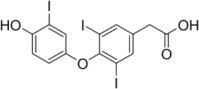
The chemical name for tiratricol is 2-[4-(4-hydroxy-3-iodophenoxy)-3,5-diiodophenyl]acetic acid.
The molecular formula of tiratricol is C14H9I3O4, its molecular weight is 621.93 g/mol and its chemical structure is depicted below.
Chemical Structure (Emc00 0002 01)
Tiratricol is a white to off-white solid powder, with a pH-dependent solubility in water.
EMCITATE tablets for oral suspension are supplied as 350 mcg strength to be administered as a suspension orally or via an enteral feeding tube directly into the stomach. Each tablet contains tiratricol as the active ingredient and the following inactive ingredients: anhydrous dibasic calcium phosphate, corn starch, lactose monohydrate, and magnesium stearate.
Tiratricol is a thyroid hormone receptor (THR) agonist which, unlike triiodothyronine (T3) and thyroxine (T4), can enter cells independent of the transmembrane transporter protein MCT8. In patients with MCT8 deficiency, X-linked loss-of-function mutations in the SLC16A2 gene encoding MCT8 impair T3 entry into target tissues. This results in insufficient T3 activity in the brain concurrent with persistent peripheral thyrotoxicosis from accumulation of circulating T3. Intracellular tiratricol activity at THR-β, independent of MCT8-mediated membrane transport, can modulate hypothalamic-pituitary-thyroid axis signaling and reduce circulating T3 in patients with MCT8 deficiency.
Tiratricol reduces elevated T3 concentrations in patients with MCT8 deficiency in a concentration-dependent manner, with greater T3-lowering effect at higher tiratricol exposures; however, this effect plateaus at or above mean tiratricol concentrations of approximately 746 ng/dL in patients 5 years and older. Following discontinuation of EMCITATE, total T3 concentrations increased toward pretreatment levels within one week.
The area under the plasma concentration-time curve (AUC) and maximal plasma concentration (Cmax) of tiratricol increased dose proportionally over the dose range studied (175 mcg to 1050 mcg) after oral administration. Administration of EMCITATE via an enteral tube compared to standard oral administration did not affect tiratricol pharmacokinetics.
Beagle dogs treated orally for 13 weeks with 0, 0.15, 0.5, or 5 mg/kg/day tiratricol had lens opacities and lens fiber degeneration in all animals treated at the highest dose (approximately 24-fold clinical exposures based on AUC estimates). There were no adverse ophthalmologic findings in dogs treated with ≤0.5 mg/kg/day tiratricol (approximately 3- to 7-fold higher than clinical exposures based on AUC and Cmax, respectively). The risk of ocular toxicity from tiratricol use in humans is unknown, but is considered low based on the absence of findings in dogs at clinically relevant exposures.
The efficacy of EMCITATE in patients with MCT8 deficiency was evaluated in two studies; Study 1 (NCT05579327) and Study 2 (NCT02060474).
Storage and Handling
Store refrigerated at 2°C to 8°C (36°F to 46°F), and keep protected from light.
Advise patients and caregivers to read the FDA-approved Instructions for Use.
INSTRUCTIONS FOR USE
EMCITATE® (EM-si-tayt)
(tiratricol)
tablets for oral suspension
This Instructions for Use contains information on how to give EMCITATE tablets for oral mixture (suspension).
Read this Instructions for Use before you start giving EMCITATE and each time you get a refill. There may be new information. This information does not take the place of talking to your healthcare provider about the medical condition or treatment of your child or the person for whom you are caring.
Important Information You Need to Know Before Giving EMCITATE
Supplies You Will Need
Supplies included:
| 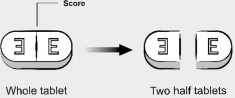 Figure (Emc00 0002 02) |
Supplies not included:
| 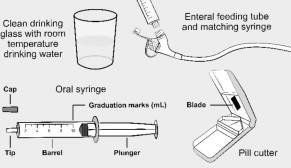 Figure (Emc00 0002 03) |
Preparing a Dose of EMCITATE Suspension
If more than 3 tablets are needed for your single dose, divide the dose into multiple separate preparations not to exceed 3 tablets per preparation and repeat Steps 1 through 5 for each preparation.
| Step 1: Wash and dry your hands. | |
| Step 2: Fill about half a clean glass with room temperature drinking water (see Figure A). Only use room temperature drinking water to prepare the dose. | Figure A Figure (Emc00 0002 04) |
Step 3: Remove the number of tablets needed for your dose from the blister pack. If your single dose is more than 3 tablets, divide it into multiple separate preparations to give right away.
| Figure B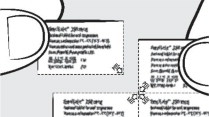 Figure (Emc00 0002 05) |
| Figure C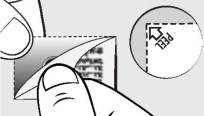 Figure (Emc00 0002 06) |
| Figure D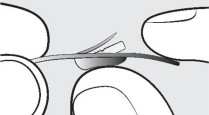 Figure (Emc00 0002 07) |
| Figure E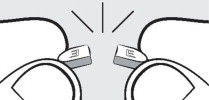 Figure (Emc00 0002 08) |
Figure F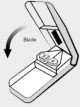 Figure (Emc00 0002 09) | |
Step 4: Load the tablets into the oral or enteral syringe.
| Figure G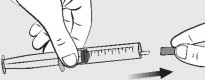 Figure (Emc00 0002 10) |
| Figure H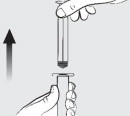 Figure (Emc00 0002 11) |
| Figure I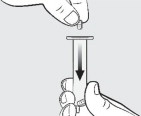 Figure (Emc00 0002 12) |
| Figure J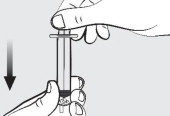 Figure (Emc00 0002 13) |
Step 5: Draw up water into the syringe.
| Figure K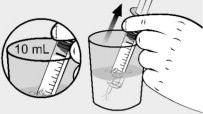 Figure (Emc00 0002 14) |
| Figure L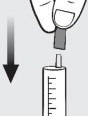 Figure (Emc00 0002 15) |
| Figure M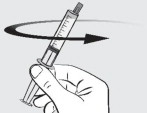 Figure (Emc00 0002 16) |
Giving EMCITATE Suspension by Mouth
If you are giving EMCITATE suspension through a feeding tube skip to Step 10 below.
| Step 6: If particles have settled in the syringe, swirl the syringe again for about 30 seconds before giving EMCITATE suspension. | |
Step 7: Give your prescribed dose.
| Figure N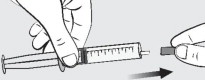 Figure (Emc00 0002 17) |
| Figure O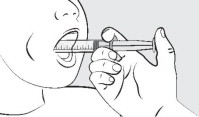 Figure (Emc00 0002 18) |
| Figure P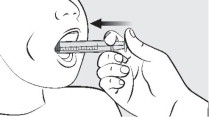 Figure (Emc00 0002 19) |
Step 8: Rinse the oral syringe and give the rinse water.
| Figure Q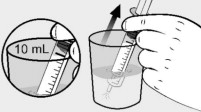 Figure (Emc00 0002 20) |
Step 9: Clean the oral syringe.
| Figure R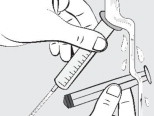 Figure (Emc00 0002 21) |
Giving EMCITATE Suspension Through a Feeding Tube
If you are giving EMCITATE suspension by mouth, refer to Steps 6 through 9.
Important Information:
Use a syringe compatible with the enteral feeding tube.
Feeding tubes smaller than 6 French must not be used.
For feeding tubes of 6-7 French a maximum of 1 tablet per dose can be used.
For feeding tubes of 8-11 French a maximum of 2.5 tablets per dose can be used.
For feeding tubes of 12 French and above a maximum of 3 tablets per dose can be used.
| Step 10: If the particles have settled in the syringe, swirl the syringe again for about 30 seconds before giving the dose. | |
Step 11: Give the dose.
| Figure S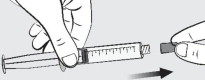 Figure (Emc00 0002 22) |
| Figure T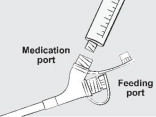 Figure (Emc00 0002 23) |
| Figure U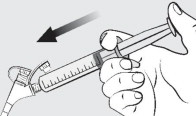 Figure (Emc00 0002 24) |
Step 12: Rinse the syringe and give the rinse water.
| Figure V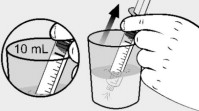 Figure (Emc00 0002 25) |
| Step 13: Flush the feeding tube (if required). Follow your healthcare provider's instructions or the directions for your feeding tube. | |
Step 14: Clean the enteral syringe.
| Figure W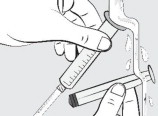 Figure (Emc00 0002 26) |
Step 15: Check the equipment.
| |
Storing EMCITATE
Disposing of EMCITATE Tablets or Oral Suspension
For further information call 1-844-4EGETIS (1-844-434-3847) or go to www.EMCITATE.com
Manufactured for Rare Thyroid Therapeutics International AB and distributed by Egetis Therapeutics US Inc., Cambridge, MA 02142, USA.
EMCITATE® is a registered trademark of Rare Thyroid Therapeutics International AB, or its affiliates.
This Instructions for Use has been approved by the U.S. Food and Drug Administration.
Issued: 09/2026
Principal Display Panel - 350 mcg Carton Label
NDC 87216-0100-1
Rx only
Emcitate®
(tiratricol) tablets for oral suspension
350 mcg per tablet
60 tablets for oral suspension
Carton contains 6 individual blister cards
of 10 tablets for oral suspension.
Tablets must be dispersed in water
Tablets must not be swallowed whole, chewed or crushed.
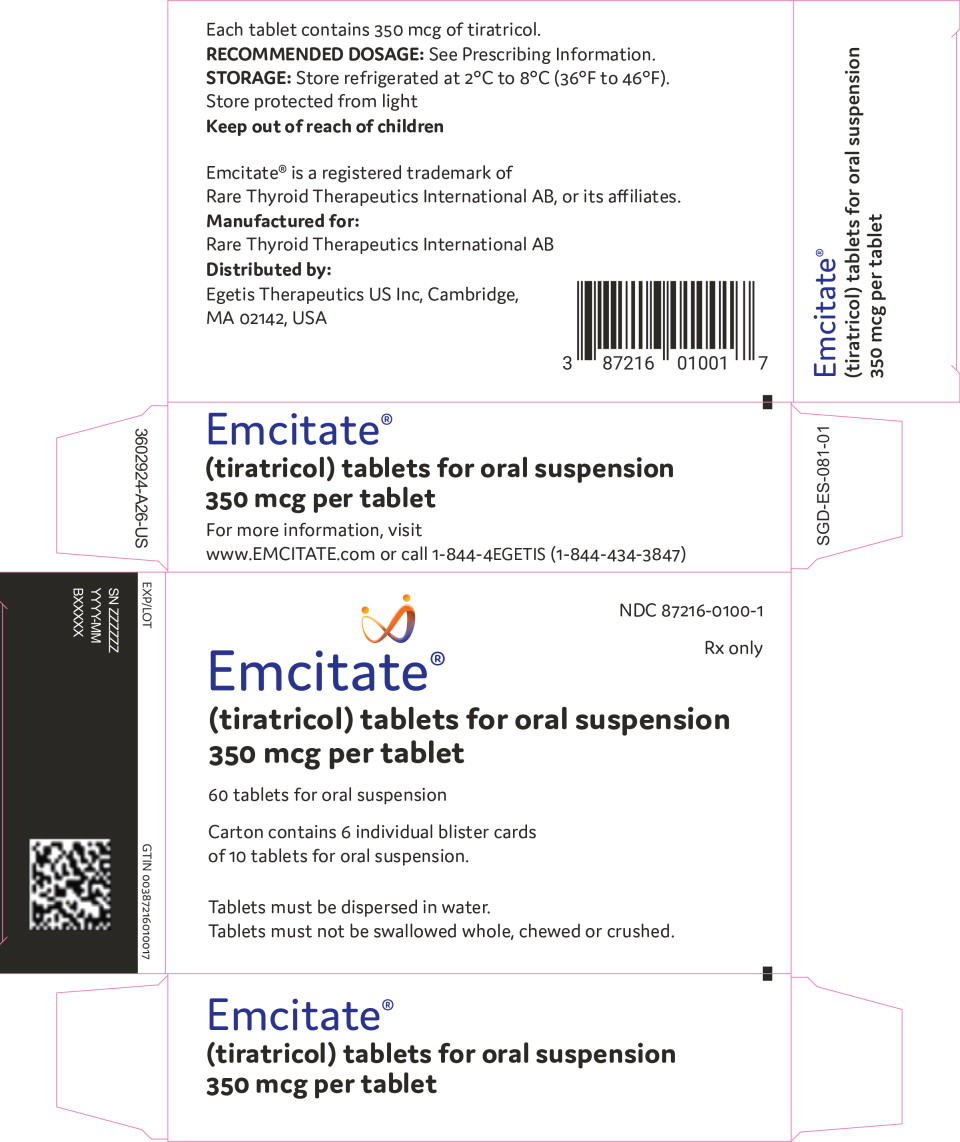
Figure (Emc00 0002 27)
Principal Display Panel - 350 mcg Blister Pack Label
Emcitate®
(tiratricol) tablets for oral suspension
350 mcg per tablet
Store refrigerated at 2°C to 8°C (36°F to 46°F)
Rare Thyroid Therapeutics
NDC 87216-0100-0
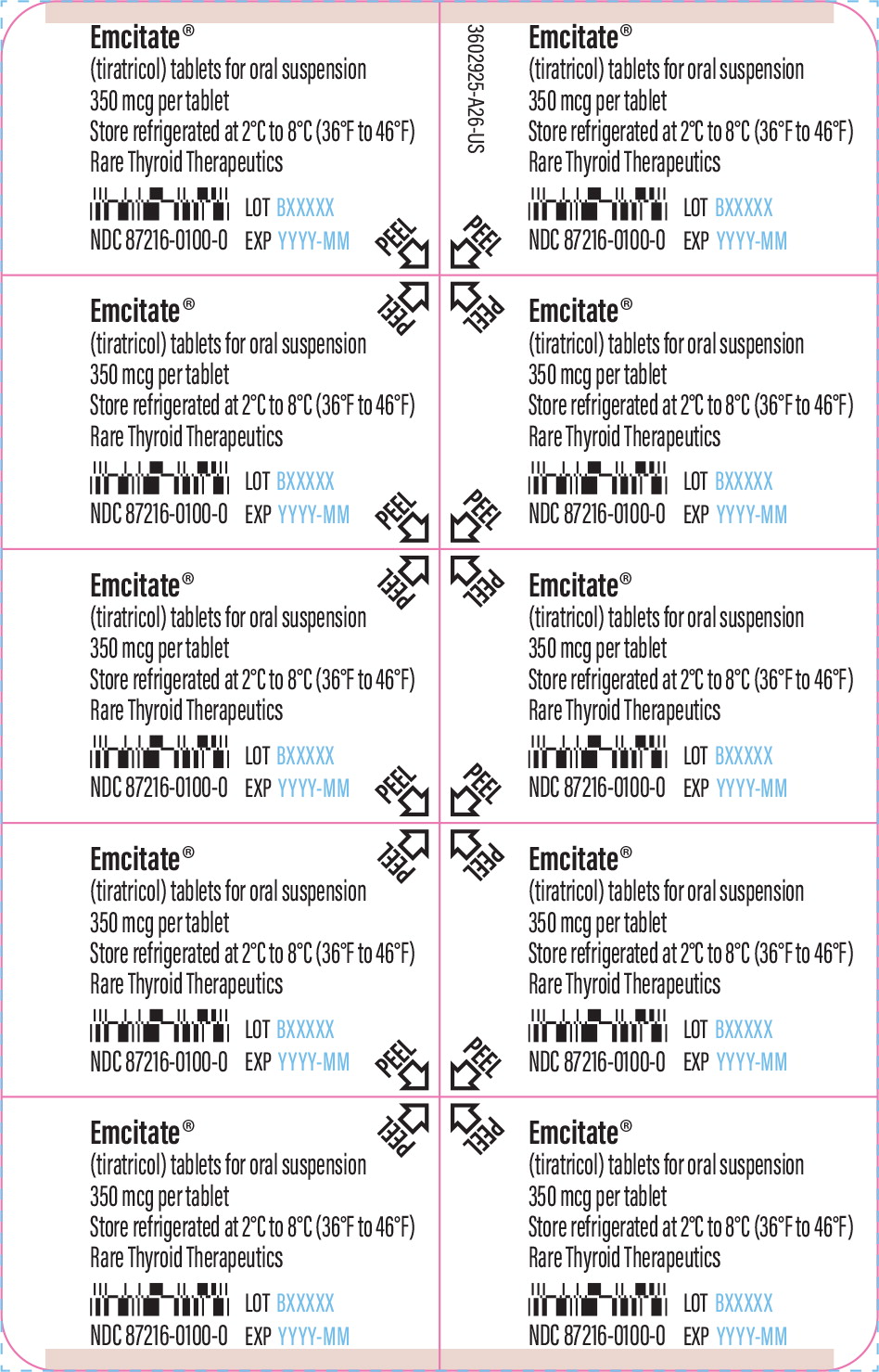
Figure (Emc00 0002 28)
* Please review the disclaimer below.
