1 Indications And Usage
LANGLARA is indicated to improve glycemic control in adult and pediatric patients with diabetes mellitus.
The following Structured Product Label (SPL) was submitted to the FDA by Lanexa Biologics, Llc for the product Langlara (NDC 87682-090). This document serves as the official prescribing information, containing essential scientific data and clinical materials required for healthcare providers and patients.
This specific version of the label includes detailed information regarding 1 indications and usage, other, 2 dosage and administration, 2.1 important administration instructions, 2.2 general dosing instructions, 2.3 initiation of langlara therapy, 2.4 switching to langlara from other insulin therapies, 3 dosage forms and strengths, and other regulatory disclosures. Use the navigation below to review specific sections of the FDA submission.
LANGLARA is indicated to improve glycemic control in adult and pediatric patients with diabetes mellitus.
Limitations of Use
LANGLARA is not recommended for the treatment of diabetic ketoacidosis.
Risk Factors for Hypoglycemia
The risk of hypoglycemia after an injection is related to the duration of action of the insulin and, in general, is highest when the glucose lowering effect of the insulin is maximal. As with all insulins, the glucose lowering effect time course of insulin glargine products may vary in different patients or at different times in the same patient and depends on many conditions, including the area of injection as well as the injection site blood supply and temperature [see Clinical Pharmacology (12.2)] . Other factors which may increase the risk of hypoglycemia include changes in meal pattern (e.g., macronutrient content or timing of meals), changes in level of physical activity, or changes to concomitant drugs [see Drug Interactions (7)] . Patients with renal or hepatic impairment may be at higher risk of hypoglycemia [see Use in Specific Populations (8.6, 8.7)] .
Risk Mitigation Strategies for Hypoglycemia
Patients and caregivers must be educated to recognize and manage hypoglycemia. Self-monitoring of blood glucose plays an essential role in the prevention and management of hypoglycemia. In patients at higher risk for hypoglycemia and patients who have reduced symptomatic awareness of hypoglycemia, increased frequency of blood glucose monitoring is recommended.
Severe Hypoglycemia
Hypoglycemia was the most commonly observed adverse reaction in patients treated with insulin glargine. Tables 5, 6, and 7 summarize the incidence of severe hypoglycemia in the insulin glargine clinical studies. Severe symptomatic hypoglycemia was defined as an event with symptoms consistent with hypoglycemia requiring the assistance of another person and associated with either a blood glucose below 50 mg/dL (≤56 mg/dL in the 5-year study and ≤36 mg/dL in the ORIGIN study) or prompt recovery after oral carbohydrate, intravenous glucose, or glucagon administration.
Percentages of insulin glargine-treated adult patients who experienced severe symptomatic hypoglycemia in the insulin glargine clinical studies [see Clinical Studies (14)] were comparable to percentages of NPH-treated patients for all treatment regimens (see Tables 5and 6). In the pediatric clinical study, pediatric patients with type 1 diabetes had a higher incidence of severe symptomatic hypoglycemia in the two treatment groups compared to the adult studies with type 1 diabetes.
Study A Type 1 Diabetes Adults 28 weeks In combination with regular insulin | Study B Type 1 Diabetes Adults 28 weeks In combination with regular insulin | Study C Type 1 Diabetes Adults 16 weeks In combination with insulin lispro | Study D Type 1 Diabetes Pediatrics 26 weeks In combination with regular insulin | |||||
Insulin Glargine N=292 | NPH N=293 | Insulin Glargine N=264 | NPH N=270 | Insulin GlargineN=310 | NPH N=309 | Insulin Glargine N=174 | NPH N=175 | |
Percent of patients | 10.6 | 15.0 | 8.7 | 10.4 | 6.5 | 5.2 | 23.0 | 28.6 |
Study E Type 2 Diabetes Adults 52 weeks In combination with oral agents | Study F Type 2 Diabetes Adults 28 weeks In combination with regular insulin | Study G Type 2 Diabetes Adults 5 years In combination with regular insulin | ||||
Insulin Glargine N=289 | NPH N=281 | Insulin Glargine N=259 | NPH N=259 | Insulin Glargine N=513 | NPH N=504 | |
Percent of patients | 1.7 | 1.1 | 0.4 | 2.3 | 7.8 | 11.9 |
Table 7 displays the proportion of patients who experienced severe symptomatic hypoglycemia in the insulin glargine and Standard Care groups in the ORIGIN study [see Clinical Studies (14)] .
ORIGIN Study Median duration of follow-up: 6.2 years | ||
Insulin Glargine N=6231 | Standard Care N=6273 | |
Percent of patients | 5.6 | 1.8 |
Peripheral Edema
Some patients taking insulin glargine products have experienced sodium retention and edema, particularly if previously poor metabolic control was improved by intensified insulin therapy.
Lipodystrophy
Administration of insulin subcutaneously, including insulin glargine products, has resulted in lipoatrophy (depression in the skin) or lipohypertrophy (enlargement or thickening of tissue) in some patients [see Dosage and Administration (2.2)] .
Insulin Initiation and Intensification of Glucose Control
Intensification or rapid improvement in glucose control has been associated with a transitory, reversible ophthalmologic refraction disorder, worsening of diabetic retinopathy, and acute painful peripheral neuropathy. However, long-term glycemic control decreases the risk of diabetic retinopathy and neuropathy.
Weight Gain
Weight gain has occurred with insulin including insulin glargine products and has been attributed to the anabolic effects of insulin and the decrease in glucosuria.
Hypersensitivity Reactions
Local Reactions
Patients taking insulin glargine experienced injection site reactions, including redness, pain, itching, urticaria, edema, and inflammation. In clinical studies in adult patients, there was a higher incidence of injection site pain in insulin glargine-treated patients (2.7%) compared to NPH insulin-treated patients (0.7%). The reports of pain at the injection site did not result in discontinuation of therapy.
Systemic Reactions
Severe, life-threatening, generalized allergy, including anaphylaxis, generalized skin reactions, angioedema, bronchospasm, hypotension, and shock have occurred with insulin, including insulin glargine products and may be life threatening.
Risk Summary
Published studies with use of insulin glargine products during pregnancy have not reported a clear association with insulin glargine products and adverse developmental outcomes (see Data) . There are risks to the mother and fetus associated with poorly controlled diabetes in pregnancy (see Clinical Considerations) .
Rats and rabbits were exposed to insulin glargine in animal reproduction studies during organogenesis, respectively 50 times and 10 times the human subcutaneous dosage of 0.2 units/kg/day. Overall, the effects of insulin glargine did not generally differ from those observed with regular human insulin (see Data) .
In the U.S. general population, the estimated background risk of major birth defects and miscarriage in clinically recognized pregnancies is 2% to 4% and 15% to 20%, respectively. The estimated background risk of major birth defects is 6% to 10% in women with pregestational diabetes with a peri-conceptional HbA1c >7 and has been reported to be as high as 20% to 25% in women with a peri-conceptional HbA1c >10. The estimated background risk of miscarriage for the indicated population is unknown.
Clinical Considerations
Disease-Associated Maternal and/or Embryo-fetal Risk
Hypoglycemia and hyperglycemia occur more frequently during pregnancy in patients with pre-gestational diabetes. Poorly controlled diabetes in pregnancy increases the maternal risk for diabetic ketoacidosis, preeclampsia, spontaneous abortions, preterm delivery, and delivery complications. Poorly controlled diabetes increases the fetal risk for major birth defects, stillbirth, and macrosomia-related morbidity.
Data
Human Data
Published data do not report a clear association with insulin glargine products and major birth defects, miscarriage, or adverse maternal or fetal outcomes when insulin glargine is used during pregnancy. However, these studies cannot definitely establish the absence of any risk because of methodological limitations including small sample size and some lacking comparator groups.
Animal Data
Subcutaneous reproduction and teratology studies have been performed with insulin glargine and regular human insulin in rats and Himalayan rabbits. Insulin glargine was given to female rats before mating, during mating, and throughout pregnancy at doses up to 0.36 mg/kg/day, which is approximately 50 times the recommended human subcutaneous starting dosage of 0.2 units/kg/day (0.007 mg/kg/day), on a mg/kg basis. In rabbits, doses of 0.072 mg/kg/day, which is approximately 10 times the recommended human subcutaneous starting dosage of 0.2 units/kg/day on a mg/kg basis, were administered during organogenesis. The effects of insulin glargine did not generally differ from those observed with regular human insulin in rats or rabbits. However, in rabbits, five fetuses from two litters of the high-dose group exhibited dilation of the cerebral ventricles. Fertility and early embryonic development appeared normal.
Absorption
After subcutaneous injection of insulin glargine in healthy subjects and in patients with diabetes, the insulin serum concentrations indicated a slower, more prolonged absorption and a relatively constant concentration/time profile over 24 hours with no pronounced peak in comparison to NPH insulin.
Elimination
Metabolism
A metabolism study in humans indicates that insulin glargine is partly metabolized at the carboxyl terminus of the B chain in the subcutaneous depot to form two active metabolites with in vitroactivity similar to that of human insulin, M1 (21 A-Gly-insulin) and M2 (21 A-Gly-des-30 B-Thr-insulin). Unchanged drug and these degradation products are also present in the circulation.
Specific Populations
Age, Race, Body Mass Index, and Gender
Effect of age, race, body mass index (BMI), and gender on the pharmacokinetics of insulin glargine products has not been evaluated. However, in controlled clinical studies in adults (n=3,890) and a controlled clinical study in pediatric patients (n=349), subgroup analyses based on age, race, BMI, and gender did not show differences in safety and efficacy between insulin glargine and NPH insulin [see Clinical Studies (14)] .
Progression of Retinopathy Evaluation in Adults with Diabetes Type 1 and Diabetes Type 2
Insulin glargine was compared to NPH insulin in a 5-year randomized clinical study that evaluated the progression of retinopathy as assessed with fundus photography using a grading protocol derived from the Early Treatment Diabetic Retinopathy Scale (ETDRS). Patients had type 2 diabetes (mean age 55 years) with no (86%) or mild (14%) retinopathy at baseline. Mean baseline HbA1c was 8.4%. The primary outcome was progression by 3 or more steps on the ETDRS scale at study endpoint. Patients with prespecified postbaseline eye procedures (pan-retinal photocoagulation for proliferative or severe nonproliferative diabetic retinopathy, local photocoagulation for new vessels, and vitrectomy for diabetic retinopathy) were also considered as 3-step progressors regardless of actual change in ETDRS score from baseline. Retinopathy graders were blinded to treatment group assignment.
The results for the primary endpoint are shown in Table 13 for both the per-protocol and intent-to-treat populations, and indicate similarity of insulin glargine to NPH in the progression of diabetic retinopathy as assessed by this outcome. In this study, the numbers of retinal adverse events reported for insulin glargine and NPH insulin treatment groups were similar for adult patients with type 1 and type 2 diabetes.
Insulin Glargine (%) | NPH (%) | Difference *,† (SE) | 95% CI for difference | |
Per-protocol | 53/374 (14.2%) | 57/363 (15.7%) | -2.0% (2.6%) | -7.0% to +3.1% |
Intent-to-Treat | 63/502 (12.5%) | 71/487 (14.6%) | -2.1% (2.1%) | -6.3% to +2.1% |
* Difference = Insulin glargine – NPH
† Using a generalized linear model (SAS GENMOD) with treatment and baseline HbA1c strata (cutoff 9.0%) as the classified independent variables, and with binomial distribution and identity link function.
The ORIGIN Study of Major Cardiovascular Outcomes in Patients with Established CV Disease or CV Risk Factors
The Outcome Reduction with Initial Glargine Intervention study (i.e., ORIGIN) was an open-label, randomized, 2-by-2, factorial design study. One intervention in ORIGIN compared the effect of insulin glargine to standard care on major adverse cardiovascular (CV) outcomes in 12,537 adults ≥ 50 years of age with:
The objective of the study was to demonstrate that insulin glargine use could significantly lower the risk of major CV outcomes compared to standard care. There were two coprimary composite CV endpoints:
Patients were randomized to either insulin glargine (N=6,264) titrated to a goal fasting plasma glucose of ≤95 mg/dL or to standard care (N=6,273). Anthropometric and disease characteristics were balanced at baseline. The mean age was 64 years and 8% of patients were 75 years of age or older. The majority of patients were male (65%). Fifty nine percent were White, 25% were Latin, 10% were Asian and 3% were Black or African American. The median baseline BMI was 29 kg/m 2. Approximately 12% of patients had abnormal glucose levels (IGT and/or IFG) at baseline and 88% had type 2 diabetes. For patients with type 2 diabetes, 59% were treated with a single oral antidiabetic drug, 23% had known diabetes but were on no antidiabetic drug and 6% were newly diagnosed during the screening procedure. The mean HbA1c (SD) at baseline was 6.5% (1.0). Fifty-nine percent of the patients had a prior CV event and 39% had documented coronary artery disease or other CV risk factors.
Vital status was available for 99.9% and 99.8% of patients randomized to insulin glargine and standard care respectively at end of study. The median duration of follow-up was 6.2 years (range: 8 days to 7.9 years). The mean HbA1c (SD) at the end of the study was 6.5% (1.1) and 6.8% (1.2) in the insulin glargine and standard care group respectively. The median dose of insulin glargine at end of study was 0.45 U/kg. Eighty-one percent of patients randomized to insulin glargine were using insulin glargine at end of the study. The mean change in body weight from baseline to the last treatment visit was 2.2 kg greater in the insulin glargine group than in the standard care group.
Overall, the incidence of major adverse CV outcomes was similar between groups (see Table 14). All-cause mortality was also similar between groups.
Insulin Glargine N=6,264 | Standard Care N=6,273 | Insulin Glargine vs Standard Care | |
n (Events per 100 PY) | n (Events per 100 PY) | Hazard Ratio (95% CI) | |
Coprimary endpoints | |||
CV death, nonfatal myocardial infarction, or nonfatal stroke | 1041 (2.9) | 1013 (2.9) | 1.02 (0.94, 1.11) |
CV death, nonfatal myocardial infarction, nonfatal stroke, hospitalization for heart failure or revascularization procedure | 1792 (5.5) | 1727 (5.3) | 1.04 (0.97, 1.11) |
Components of coprimary endpoints | |||
CV death | 580 | 576 | 1.00 (0.89, 1.13) |
Myocardial Infarction (fatal or nonfatal) | 336 | 326 | 1.03 (0.88, 1.19) |
Stroke (fatal or nonfatal) | 331 | 319 | 1.03 (0.89, 1.21) |
Revascularizations | 908 | 860 | 1.06 (0.96, 1.16) |
Hospitalization for heart failure | 310 | 343 | 0.90 (0.77, 1.05) |
In the ORIGIN study, the overall incidence of cancer (all types combined) or death from cancer (Table 15) was similar between treatment groups.
Insulin Glargine N=6,264 | Standard Care N=6,273 | Insulin Glargine vs Standard Care | |
n (Events per 100 PY) | n (Events per 100 PY) | Hazard Ratio (95% CI) | |
Cancer endpoints | |||
Any cancer event (new or recurrent) | 559 (1.56) | 561 (1.56) | 0.99 (0.88, 1.11) |
New cancer events | 524 (1.46) | 535 (1.49) | 0.96 (0.85, 1.09) |
Death due to Cancer | 189 (0.51) | 201 (0.54) | 0.94 (0.77, 1.15) |
Never Share a LANGLARA Prefilled Pen Between Patients
Advise patients that they must never share a LANGLARA prefilled pen with another person, even if the needle is changed. Sharing carries a risk for transmission of blood-borne pathogens [see Warnings and Precautions (5.1)] .
Hyperglycemia or Hypoglycemia
Inform patients that hypoglycemia is the most common adverse reaction with insulin. Inform patients of the symptoms of hypoglycemia (e.g., impaired ability to concentrate and react). This may present a risk in situations where these abilities are especially important, such as driving or operating other machinery. Advise patients who have frequent hypoglycemia or reduced or absent warning signs of hypoglycemia to use caution when driving or operating machinery [see Warnings and Precautions (5.3)].
Advise patients that changes in insulin regimen can predispose to hyperglycemia or hypoglycemia and that changes in insulin regimen should be made under close medical supervision [see Warnings and Precautions (5.2)] .
Hypoglycemia Due to Medication Errors
Instruct patients to always check the insulin label before each injection to reduce the risk of a medication error [see Warnings and Precautions (5.4)] .
Hypersensitivity Reactions
Advise patients that hypersensitivity reactions have occurred with insulin glargine products. Inform patients about the symptoms of hypersensitivity reactions [see Warnings and Precautions (5.5)].
Manufactured by:
Sunshine Lake Pharma Co., Ltd.
No. 1, Northern Industry Road, Northern Industry Park of Song Shan Lake
Dongguan, Guangdong, China
At: YiChang HEC ChangJiang Pharmaceutical Co., Ltd., Hubei, China
U.S. License No. 2343
Distributed by:
Lanexa Biologics, LLC
Trevose, PA 19053
The brands listed are the registered trademarks of their respective owners.
Recommended Starting Dosage in Patients with Type 1 Diabetes
The recommended starting dosage of LANGLARA in patients with type 1 diabetes is approximately one-third of the total daily insulin requirements. Use short-acting, premeal insulin to satisfy the remainder of the daily insulin requirements.
Recommended Starting Dosage in Patients with Type 2 Diabetes
The recommended starting dosage of LANGLARA in patients with type 2 diabetes who are not currently treated with insulin is 0.2 units/kg or up to 10 units once daily.
Dosage adjustments are recommended to lower the risk of hypoglycemia when switching patients to LANGLARA from other insulin therapies [see Warnings and Precautions (5.3)]. When switching from:
Injection: 100 units/mL (U-100) a clear and colorless solution available as:
LANGLARA is contraindicated:
LANGLARA prefilled pens must never be shared between patients, even if the needle is changed. Sharing poses a risk for transmission of blood-borne pathogens.
Changes in an insulin regimen (e.g., insulin strength, manufacturer, type, injection site or method of administration) may affect glycemic control and predispose to hypoglycemia [see Warnings and Precautions (5.3)] or hyperglycemia. Repeated insulin injections into areas of lipodystrophy or localized cutaneous amyloidosis have been reported to result in hyperglycemia; and a sudden change in the injection site (to unaffected area) has been reported to result in hypoglycemia [see Adverse Reactions (6)] .
Make any changes to a patient's insulin regimen under close medical supervision with increased frequency of blood glucose monitoring. Advise patients who have repeatedly injected into areas of lipodystrophy or localized cutaneous amyloidosis to change the injection site to unaffected areas and closely monitor for hypoglycemia. For patients with type 2 diabetes, dosage adjustments of concomitant oral and antidiabetic products may be needed.
Hypoglycemia is the most common adverse reaction associated with insulins, including insulin glargine products. Severe hypoglycemia can cause seizures, may be life-threatening or cause death. Hypoglycemia can impair concentration ability and reaction time; this may place the patient and others at risk in situations where these abilities are important (e.g., driving or operating other machinery).
Hypoglycemia can happen suddenly, and symptoms may differ in each patient and change over time in the same patient. Symptomatic awareness of hypoglycemia may be less pronounced in patients with longstanding diabetes, in patients with diabetic neuropathy, using drugs that block the sympathetic nervous system (e.g., beta-blockers) [see Drug Interactions (7)] , or who experience recurrent hypoglycemia.
The long-acting effect of insulin glargine products may delay recovery from hypoglycemia.
Accidental mix-ups among insulin products have been reported. To avoid medication errors between LANGLARA and other insulins, instruct patients to always check the insulin label before each injection [see Adverse Reactions (6.3)] .
Severe, life-threatening, generalized allergy, including anaphylaxis, can occur with insulins, including insulin glargine products [see Adverse Reactions (6.1)] . If hypersensitivity reactions occur, discontinue LANGLARA; treat per standard of care and monitor until symptoms and signs resolve. LANGLARA is contraindicated in patients who have had hypersensitivity reactions to insulin glargine products or one of the excipients.
All insulins, including insulin glargine products, cause a shift in potassium from the extracellular to intracellular space, possibly leading to hypokalemia. Untreated hypokalemia may cause respiratory paralysis, ventricular arrhythmia, and death. Monitor potassium levels in patients at risk for hypokalemia, if indicated (e.g., patients using potassium-lowering medications, patients taking medications sensitive to serum potassium concentrations).
Thiazolidinediones (TZDs), which are peroxisome proliferator-activated receptor (PPAR)-gamma agonists, can cause dose-related fluid retention, when used in combination with insulin. Fluid retention may lead to or exacerbate heart failure. Patients treated with insulin, including LANGLARA, and a PPAR-gamma agonist should be observed for signs and symptoms of heart failure. If heart failure develops, it should be managed according to current standards of care, and discontinuation or dose reduction of the PPAR-gamma agonist must be considered.
The following adverse reactions are discussed elsewhere:
Because clinical trials are conducted under widely varying conditions, adverse reaction rates observed in clinical trials of a drug cannot be directly compared to rates in the clinical trial of another drug and may not reflect the rates observed in practice.
The data in Table 1 reflect the exposure of 2,327 patients with type 1 diabetes to insulin glargine or NPH in Studies A, B, C, and D [see Clinical Studies (14.2)] . The type 1 diabetes population had the following characteristics: the mean age was 39 years, 54% were male, and mean body mass index (BMI) was 25.1 kg/m 2. Ninety-seven percent were White, 2% were Black or African American and less than 1% were Asian. Approximately 3% of the patients in studies B and C were Hispanic.
The data in Table 2 reflect the exposure of 1,563 patients with type 2 diabetes to insulin glargine or NPH in Studies E, F, and G [see Clinical Studies (14.3)] . The type 2 diabetes population had the following characteristics: the mean age was 59 years, 58% were male, and mean BMI was 29.2 kg/m 2. Eighty-seven percent were White, 8% were Black or African American and 3% were Asian. Approximately 9% of patients in Study F were Hispanic.
The frequencies of adverse reactions during insulin glargine clinical studies in patients with type 1 diabetes mellitus and type 2 diabetes mellitus are listed in the tables below (Tables 1, 2, 3, and 4).
Insulin Glargine, % (n=1,257) | NPH, % (n=1,070) | |
Upper respiratory tract infection | 22.4 | 23.1 |
Infection* | 9.4 | 10.3 |
Accidental injury | 5.7 | 6.4 |
Headache | 5.5 | 4.7 |
* Body system not specified
Insulin Glargine, % (n=849) | NPH, % (n=714) | |
Upper respiratory tract infection | 11.4 | 13.3 |
Infection* | 10.4 | 11.6 |
Retinal vascular disorder | 5.8 | 7.4 |
* Body system not specified
Insulin Glargine, % (n=514) | NPH, % (n=503) | |
Upper respiratory tract infection | 29.0 | 33.6 |
Edema peripheral | 20.0 | 22.7 |
Hypertension | 19.6 | 18.9 |
Influenza | 18.7 | 19.5 |
Sinusitis | 18.5 | 17.9 |
Cataract | 18.1 | 15.9 |
Bronchitis | 15.2 | 14.1 |
Arthralgia | 14.2 | 16.1 |
Pain in extremity | 13.0 | 13.1 |
Back pain | 12.8 | 12.3 |
Cough | 12.1 | 7.4 |
Urinary tract infection | 10.7 | 10.1 |
Diarrhea | 10.7 | 10.3 |
Depression | 10.5 | 9.7 |
Headache | 10.3 | 9.3 |
Insulin Glargine, % (n=174) | NPH, % (n=175) | |
Infection* | 13.8 | 17.7 |
Upper respiratory tract infection | 13.8 | 16.0 |
Pharyngitis | 7.5 | 8.6 |
Rhinitis | 5.2 | 5.1 |
* Body system not specified
As with all therapeutic proteins, there is potential for immunogenicity. The detection of antibody formation is highly dependent on the sensitivity and specificity of the assay. Additionally, the observed incidence of antibody (including neutralizing antibody) positivity in an assay may be influenced by several factors, including assay methodology, sample handling, timing of sample collection, concomitant medications, and underlying disease. For these reasons, comparison of the incidence of antibodies in the studies described below with the incidence of antibodies in other studies or to other insulin glargine products may be misleading.
All insulin products can elicit the formation of insulin antibodies. The presence of such insulin antibodies may increase or decrease the efficacy of insulin and may require adjustment of the insulin dose. In clinical studies of insulin glargine, increases in titers of antibodies to insulin were observed in NPH insulin and insulin glargine treatment groups with similar incidences.
The following adverse reactions have been identified during post approval use of insulin glargine products. Because these reactions are reported voluntarily from a population of uncertain size, it is not always possible to reliably estimate their frequency or establish a causal relationship to drug exposure.
Medication errors have been reported in which rapid-acting insulins and other insulins, have been accidentally administered instead of insulin glargine products.
Localized cutaneous amyloidosis at the injection site has occurred. Hyperglycemia has been reported with repeated insulin injections into areas of localized cutaneous amyloidosis; hypoglycemia has been reported with a sudden change to an unaffected injection site.
Table 8 includes clinically significant drug interactions with LANGLARA.
Drugs that May Increase the Risk of Hypoglycemia | |
Drugs: | Antidiabetic agents, ACE inhibitors, angiotensin II receptor blocking agents, disopyramide, fibrates, fluoxetine, monoamine oxidase inhibitors, pentoxifylline, pramlintide, salicylates, somatostatin analogs (e.g., octreotide), sulfonamide antibiotics, GLP-1 receptor agonists, DPP-4 inhibitors, and SGLT-2 inhibitors. |
Intervention: | Dosage reductions and increased frequency of glucose monitoring may be required when LANGLARA is coadministered with these drugs. |
Drugs that May Decrease the Blood Glucose Lowering Effect of LANGLARA | |
Drugs: | Atypical antipsychotics (e.g., olanzapine and clozapine), corticosteroids, danazol, diuretics, estrogens, glucagon, isoniazid, niacin, oral contraceptives, phenothiazines, progestogens (e.g., in oral contraceptives), protease inhibitors, somatropin, sympathomimetic agents (e.g., albuterol, epinephrine, terbutaline), and thyroid hormones. |
Intervention: | Dosage increases and increased frequency of glucose monitoring may be required when LANGLARA is coadministered with these drugs. |
Drugs that May Increase or Decrease the Blood Glucose Lowering Effect of LANGLARA | |
Drugs: | Alcohol, beta-blockers, clonidine, and lithium salts. Pentamidine may cause hypoglycemia, which may sometimes be followed by hyperglycemia. |
Intervention: | Dosage adjustment and increased frequency of glucose monitoring may be required when LANGLARA is coadministered with these drugs. |
Drugs that May Blunt Signs and Symptoms of Hypoglycemia | |
Drugs: | Beta-blockers, clonidine, guanethidine, and reserpine. |
Intervention: | Increased frequency of glucose monitoring may be required when LANGLARA is coadministered with these drugs. |
Risk Summary
There are either no or only limited data on the presence of insulin glargine products in human milk, the effects on breastfed infant, or the effects on milk production. Endogenous insulin is present in human milk. The developmental and health benefits of breastfeeding should be considered along with the mother's clinical need for LANGLARA, and any potential adverse effects on the breastfed child from LANGLARA or from the underlying maternal condition.
The safety and effectiveness of LANGLARA to improve glycemic control in pediatric patients with diabetes mellitus have been established. Use of LANGLARA for this indication is supported by evidence from an adequate and well-controlled study (Study D) in 174 insulin glargine-treated pediatric patients aged 6 to 15 years with type 1 diabetes mellitus, and from adequate and well-controlled studies of insulin glargine in adults with diabetes mellitus [see Clinical Pharmacology (12.3), Clinical Studies (14.2)].
In the pediatric clinical study, pediatric patients with type 1 diabetes had a higher incidence of severe symptomatic hypoglycemia compared to the adults in studies with type 1 diabetes [see Adverse Reactions (6.1)] .
Of the total number of subjects in controlled clinical studies of patients with type 1 and type 2 diabetes who were treated with insulin glargine, 15% (n=316) were ≥65 years of age and 2% (n=42) were ≥75 years of age. No overall differences in safety or effectiveness of insulin glargine have been observed between patients 65 years of age and older and younger adult patients.
Nevertheless, caution should be exercised when LANGLARA is administered to geriatric patients. In geriatric patients with diabetes, the initial dosing, dosage increments, and maintenance dosage should be conservative to avoid hypoglycemic reactions. Hypoglycemia may be difficult to recognize in geriatric patients.
The effect of kidney impairment on the pharmacokinetics of insulin glargine products has not been studied. Some studies with human insulin have shown increased circulating levels of insulin in patients with kidney failure. Frequent glucose monitoring and dosage adjustment may be necessary for LANGLARA in patients with kidney impairment [see Warnings and Precautions (5.3)].
The effect of hepatic impairment on the pharmacokinetics of insulin glargine products has not been studied. Frequent glucose monitoring and dosage adjustment may be necessary for LANGLARA in patients with hepatic impairment [see Warnings and Precautions (5.3)] .
Excess insulin administration may cause hypoglycemia and hypokalemia [see Warnings and Precautions (5.3, 5.6)] .
Mild episodes of hypoglycemia can usually be treated with oral carbohydrates. Lowering the insulin dosage, and adjustments in meal patterns or exercise may be needed.
More severe episodes of hypoglycemia with coma, seizure, or neurologic impairment may be treated with glucagon for emergency use or concentrated intravenous glucose. After apparent clinical recovery from hypoglycemia, continued observation and additional carbohydrate intake may be necessary to avoid recurrence of hypoglycemia.
Hypokalemia must be corrected appropriately.
Insulin Glargine-aldy is a long-acting human insulin analog produced by recombinant DNA technology utilizing a non-pathogenic laboratory strain of Pichia pastoris. Insulin Glargine-aldy differs from human insulin in that the amino acid asparagine at position A21 is replaced by glycine and two arginines are added to the C-terminus of the B-chain. Insulin Glargine-aldy has a molecular weight of 6063 Da.
LANGLARA (insulin glargine-aldy) injection is a sterile, clear and colorless solution for subcutaneous use in a 3 mL single-patient use prefilled pen.
Each mL contains 100 units of insulin glargine-aldy and the inactive ingredients: glycerin (17 mg), metacresol (2.7 mg), zinc oxide (37.34 mcg), and Water for Injection, USP. The pH is adjusted by addition of aqueous solutions of hydrochloric acid and sodium hydroxide. LANGLARA has a pH of approximately 4.
The primary activity of insulin, including insulin glargine products, is regulation of glucose metabolism. Insulin and its analogs lower blood glucose by stimulating peripheral glucose uptake, especially by skeletal muscle and fat, and by inhibiting hepatic glucose production. Insulin inhibits lipolysis and proteolysis, and enhances protein synthesis.
In clinical studies, the glucose-lowering effect on a molar basis (i.e., when given at the same doses) of intravenous insulin glargine is approximately the same as that for human insulin. Figure 1 shows results from a study in patients with type 1 diabetes conducted for a maximum of 24 hours after subcutaneous injection of insulin glargine or NPH insulin. The median time between subcutaneous injection and the end of pharmacological effect was 14.5 hours (range: 9.5 to 19.3 hours) for NPH insulin, and 24 hours (range: 10.8 to >24 hours) (24 hours was the end of the observation period) for insulin glargine.
Figure 1: Glucose-Lowering Effect Over 24 Hours in Patients with Type 1 Diabetes
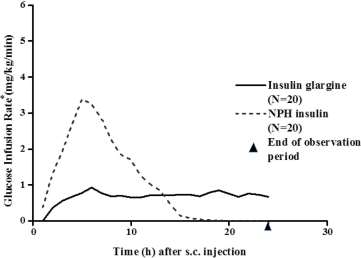
Figure 1 (Langlara 1)
* Determined as amount of glucose infused to maintain constant plasma glucose levels
The duration of action after abdominal, deltoid, or thigh subcutaneous administration of insulin glargine was similar. The time course of action of insulins, including insulin glargine products, may vary between patients and within the same patient.
In mice and rats, standard two-year carcinogenicity studies with insulin glargine were performed at doses up to 0.455 mg/kg, which was for the rat approximately 65 times the recommended human subcutaneous starting dosage of 0.2 units/kg/day (0.007 mg/kg/day) on a mg/kg basis. Histiocytomas were found at injection sites in male rats and mice in acid vehicle containing groups and are considered a response to chronic tissue irritation and inflammation in rodents. These tumors were not found in female animals, in saline control, or insulin comparator groups using a different vehicle.
Insulin glargine was not mutagenic in tests for detection of gene mutations in bacteria and mammalian cells (Ames and HGPRT-test) and in tests for detection of chromosomal aberrations (cytogenetics in vitroin V79 cells and in vivo in Chinese hamsters).
In a combined fertility and prenatal and postnatal study in male and female rats at subcutaneous doses up to 0.36 mg/kg/day, which was approximately 50 times the recommended human subcutaneous starting dose of 0.2 units/kg/day (0.007 mg/kg/day) maternal toxicity due to dose-dependent hypoglycemia, including some deaths, was observed. Consequently, a reduction of the rearing rate occurred in the high-dose group only. Similar effects were observed with NPH insulin.
The safety and effectiveness of insulin glargine given once-daily at bedtime was compared to that of once-daily and twice-daily NPH insulin in open-label, randomized, active-controlled, parallel studies of 2,327 adult patients and 349 pediatric patients with type 1 diabetes mellitus and 1,563 adult patients with type 2 diabetes mellitus (see Tables 9– 11). In general, the reduction in glycated hemoglobin (HbA1c) with insulin glargine was similar to that with NPH insulin.
Adult Patients with Type 1 Diabetes
In two clinical studies (Studies A and B), adult patients with type 1 diabetes (Study A, n=585, Study B n=534) were randomized to 28 weeks of basal-bolus treatment with insulin glargine or NPH insulin. Regular human insulin was administered before each meal. Insulin glargine was administered at bedtime. NPH insulin was administered either as once daily at bedtime or in the morning and at bedtime when used twice daily.
In Study A, the average age was 39 years. The majority of patients were White (99%) and 56% were male. The mean BMI was approximately 24.9 kg/m 2. The mean duration of diabetes was 16 years.
In Study B, the average age was 39 years. The majority of patients were White (95%) and 51% were male. The mean BMI was approximately 25.8 kg/m 2. The mean duration of diabetes was 17 years.
In another clinical study (Study C), patients with type 1 diabetes (n=619) were randomized to 16 weeks of basal-bolus treatment with insulin glargine or NPH insulin. Insulin lispro was used before each meal. Insulin glargine was administered once daily at bedtime and NPH insulin was administered once or twice daily. The average age was 39 years. The majority of patients were White (97%) and 51% were male. The mean BMI was approximately 25.6 kg/m 2. The mean duration of diabetes was 19 years.
In these 3 adult studies, insulin glargine and NPH insulin had similar effects on HbA1c (Table 9) with a similar overall rate of severe symptomatic hypoglycemia [see Adverse Reactions (6.1)] .
Treatment duration Treatment in combination with | Study A 28 weeks Regular insulin | Study B 28 weeks Regular insulin | Study C 16 weeks Insulin lispro | |||
Insulin Glargine | NPH | Insulin Glargine | NPH | Insulin Glargine | NPH | |
Number of subjects treated | 292 | 293 | 264 | 270 | 310 | 309 |
HbA1c | ||||||
Baseline HbA1c | 8.0 | 8.0 | 7.7 | 7.7 | 7.6 | 7.7 |
Adjusted mean change at study end | +0.2 | +0.1 | -0.2 | -0.2 | -0.1 | -0.1 |
Treatment Difference (95% CI) | +0.1 (0.0; +0.2) | +0.1 (-0.1; +0.2) | 0.0 (-0.1; +0.1) | |||
Basal insulin dose | ||||||
Baseline mean | 21 | 23 | 29 | 29 | 28 | 28 |
Mean change from baseline | -2 | 0 | -4 | +2 | -5 | +1 |
Total insulin dose | ||||||
Baseline mean | 48 | 52 | 50 | 51 | 50 | 50 |
Mean change from baseline | -1 | 0 | 0 | +4 | -3 | 0 |
Fasting blood glucose (mg/dL) | ||||||
Baseline mean | 167 | 166 | 166 | 175 | 175 | 173 |
Adj. mean change from baseline | -21 | -16 | -20 | -17 | -29 | -12 |
Body weight (kg) | ||||||
Baseline mean | 73.2 | 74.8 | 75.5 | 75.0 | 74.8 | 75.6 |
Mean change from baseline | 0.1 | -0.0 | 0.7 | 1.0 | 0.1 | 0.5 |
Pediatric Patients with Type 1 Diabetes
In a randomized, controlled clinical study (Study D), pediatric patients (age range 6 to 15 years) with type 1 diabetes (n=349) were treated for 28 weeks with a basal-bolus insulin regimen where regular human insulin was used before each meal. Insulin glargine was administered once daily at bedtime and NPH insulin was administered once or twice daily. The average age was 11.7 years. The majority of patients were White (97%) and 52% were male. The mean BMI was approximately 18.9 kg/m 2. The mean duration of diabetes was 5 years. Similar effects on HbA1c (Table 10) were observed in both treatment groups [see Adverse Reactions (6.1)].
Treatment duration Treatment in combination with | Study D 28 weeks Regular insulin | |
Insulin Glargine + Regular insulin | NPH + Regular insulin | |
Number of subjects treated | 174 | 175 |
HbA1c | ||
Baseline mean | 8.5 | 8.8 |
Change from baseline (adjusted mean) | +0.3 | +0.3 |
Difference from NPH (adjusted mean) | 0.0 | |
(95% CI) | (-0.2; +0.3) | |
Basal insulin dose | ||
Baseline mean | 19 | 19 |
Mean change from baseline | -1 | +2 |
Total insulin dose | ||
Baseline mean | 43 | 43 |
Mean change from baseline | +2 | +3 |
Fasting blood glucose (mg/dL) | ||
Baseline mean | 194 | 191 |
Mean change from baseline | -23 | -12 |
Body weight (kg) | ||
Baseline mean | 45.5 | 44.6 |
Mean change from baseline | 2.2 | 2.5 |
In a randomized, controlled clinical study (Study E) in 570 adults with type 2 diabetes, insulin glargine was evaluated for 52 weeks in combination with oral antidiabetic medications (a sulfonylurea, metformin, acarbose, or combinations of these drugs). The average age was 60 years old. The majority of patients were White (93%) and 54% were male. The mean BMI was approximately 29.1 kg/m 2. The mean duration of diabetes was 10 years. Insulin glargine administered once daily at bedtime was as effective as NPH insulin administered once daily at bedtime in reducing HbA1c and fasting glucose ( Table 11). The rate of severe symptomatic hypoglycemia was similar in insulin glargine and NPH insulin treated patients [see Adverse Reactions (6.1)] .
In a randomized, controlled clinical study (Study F), in adult patients with type 2 diabetes not using oral antidiabetic medications (n=518), a basal-bolus regimen of insulin glargine once daily at bedtime or NPH insulin administered once or twice daily was evaluated for 28 weeks. Regular human insulin was used before meals, as needed. The average age was 59 years. The majority of patients were White (81%) and 60% were male. The mean BMI was approximately 30.5 kg/m 2. The mean duration of diabetes was 14 years. Insulin glargine had similar effectiveness as either once- or twice-daily NPH insulin in reducing HbA1c and fasting glucose ( Table 11) with a similar incidence of hypoglycemia [see Adverse Reactions (6.1)] .
In a randomized, controlled clinical study (Study G), adult patients with type 2 diabetes were randomized to 5 years of treatment with once-daily insulin glargine or twice-daily NPH insulin. For patients not previously treated with insulin, the starting dosage of insulin glargine or NPH insulin was 10 units daily. Patients who were already treated with NPH insulin either continued on the same total daily NPH insulin dose or started insulin glargine at a dosage that was 80% of the total previous NPH insulin dosage. The primary endpoint for this study was a comparison of the progression of diabetic retinopathy by 3 or more steps on the Early Treatment Diabetic Retinopathy Study (ETDRS) scale. HbA1c change from baseline was a secondary endpoint. Similar glycemic control in the 2 treatment groups was desired in order to not confound the interpretation of the retinal data. Patients or study personnel used an algorithm to adjust the insulin glargine and NPH insulin dosages to a target fasting plasma glucose ≤100 mg/dL. After the insulin glargine or NPH insulin dosage was adjusted, other antidiabetic agents, including premeal insulin were to be adjusted or added. The average age was 55 years. The majority of patients were White (85%) and 54% were male. The mean BMI was approximately 34.3 kg/m 2. The mean duration of diabetes was 11 years. The insulin glargine group had a smaller mean reduction from baseline in HbA1c compared to the NPH insulin group, which may be explained by the lower daily basal insulin doses in the insulin glargine group ( Table 11). The incidences of severe symptomatic hypoglycemia were similar between groups [see Adverse Reactions (6.1)] .
Treatment duration Treatment in combination with | Study E 52 weeks Oral agents | Study F 28 weeks Regular insulin | Study G 5 years Regular insulin | ||||||
Insulin Glargine | NPH | Insulin Glargine | NPH | Insulin Glargine | NPH | ||||
Number of subjects treated | 289 | 281 | 259 | 259 | 513 | 504 | |||
HbA1c | |||||||||
Baseline mean | 9.0 | 8.9 | 8.6 | 8.5 | 8.4 | 8.3 | |||
Adjusted mean change from baseline | -0.5 | -0.4 | -0.4 | -0.6 | -0.6 | -0.8 | |||
Insulin Glargine – NPH | -0.1 | +0.2 | +0.2 | ||||||
95% CI for Treatment difference | (-0.3; +0.1) | (0.0; +0.4) | (+0.1; +0.4) | ||||||
Basal insulin dose* | |||||||||
Baseline mean | 14 | 15 | 44.1 | 45.5 | 39 | 44 | |||
Mean change from baseline | +12 | +9 | -1 | +7 | +23 | +30 | |||
Total insulin dose* | |||||||||
Baseline mean | 14 | 15 | 64 | 67 | 48 | 53 | |||
Mean change from baseline | +12 | +9 | +10 | +13 | +41 | +40 | |||
Fasting blood glucose (mg/dL) | |||||||||
Baseline mean | 179 | 180 | 164 | 166 | 190 | 180 | |||
Adj. mean change from baseline | -49 | -46 | -24 | -22 | -45 | -44 | |||
Body weight (kg) | |||||||||
Baseline mean | 83.5 | 82.1 | 89.6 | 90.7 | 100 | 99 | |||
Adj. mean change from baseline | 2.0 | 1.9 | 0.4 | 1.4 | 3.7 | 4.8 | |||
| * In Study G, the baseline dose of basal or total insulin was the first available on-treatment dose prescribed during the study (on visit month 1.5). | |||||||||
Different Timing of Insulin Glargine Administration in Diabetes Type 1 and Diabetes Type 2
The safety and efficacy of once daily insulin glargine administered either at pre-breakfast, pre-dinner, or at bedtime were evaluated in a randomized, controlled clinical study in adult patients with type 1 diabetes (Study H, n=378). Patients were also treated with insulin lispro at mealtime. The average age was 41 years. All patients were White (100%) and 54% were male. The mean BMI was approximately 25.3 kg/m 2. The mean duration of diabetes was 17 years.
Insulin glargine administered at pre-breakfast or at pre-dinner (both once daily) resulted in similar reductions in HbA1c compared to that with bedtime administration (see Table 12). In these patients, data are available from 8-point home glucose monitoring. The maximum mean blood glucose was observed just prior to insulin glargine injection regardless of time of administration. In this study, 5% of patients in the insulin glargine-breakfast group discontinued treatment because of lack of efficacy. No patients in the other two groups (pre-dinner, bedtime) discontinued for this reason.
The safety and efficacy of once daily insulin glargine administered pre-breakfast or at bedtime were also evaluated in a randomized, active-controlled clinical study (Study I, n=697) in patients with type 2 diabetes not adequately controlled on oral antidiabetic therapy. All patients in this study also received glimepiride 3 mg daily. The average age was 61 years. The majority of patients were White (97%) and 54% were male. The mean BMI was approximately 28.7 kg/m 2. The mean duration of diabetes was 10 years. Insulin glargine given before breakfast was at least as effective in lowering HbA1c as insulin glargine given at bedtime or NPH insulin given at bedtime (see Table 12).
Treatment duration Treatment in combination with | Study H 24 weeks Insulin lispro | Study I 24 weeks Glimepiride | ||||
Insulin Glargine before Breakfast | Insulin Glargine before Dinner | Insulin Glargine Bedtime | Insulin Glargine before Breakfast | Insulin Glargine Bedtime | NPH Bedtime | |
Number of subjects treated* | 112 | 124 | 128 | 234 | 226 | 227 |
HbA1c | ||||||
Baseline mean | 7.6 | 7.5 | 7.6 | 9.1 | 9.1 | 9.1 |
Mean change from baseline | -0.2 | -0.1 | 0.0 | -1.3 | -1.0 | -0.8 |
Basal insulin dose (Units) | ||||||
Baseline mean | 22 | 23 | 21 | 19 | 20 | 19 |
Mean change from baseline | 5 | 2 | 2 | 11 | 18 | 18 |
Total insulin dose (Units) | - | - | - | NA† | NA† | NA† |
Baseline mean | 52 | 52 | 49 | - | - | - |
Mean change from baseline | 2 | 3 | 2 | - | - | - |
Body weight (kg) | ||||||
Baseline mean | 77.1 | 77.8 | 74.5 | 80.7 | 82 | 81 |
Mean change from baseline | 0.7 | 0.1 | 0.4 | 3.9 | 3.7 | 2.9 |
* Intent-to-treat
† Not applicable
LANGLARA (insulin glargine-aldy) injection is supplied as a clear and colorless solution containing 100 units/mL (U-100) available as follows:
LANGLARA | NDC number | Package size |
3 mL single-patient-use prefilled pen | 87682-090-05 | 5 pens per carton |
Additional Information about LANGLARA prefilled pen:
Use BD Ultra-Fine ®needles with the LANGLARA prefilled pens (these BD manufactured needles are sold separately).
Dispense in the original sealed carton with the enclosed Instructions for Use.
Store unused LANGLARA in a refrigerator between 36°F and 46°F (2°C and 8°C). Do not freeze. Discard LANGLARA if it has been frozen. Protect LANGLARA from direct heat and light.
Storage conditions are summarized in the following table.
Not in-use (unopened) Refrigerated (36°F-46°F [2°C-8°C]) | Not in-use (unopened) Room Temperature (up to 86°F [30°C]) | In-use (opened) (see temperature below) | |
3 mL single-patient-use prefilled pen | Until expiration date | 28 days | 28 days Room temperature only (Do not refrigerate) |
Advise the patient to read the FDA-approved patient labeling (Patient Information and Instructions for Use).
PATIENT INFORMATION LANGLARA™ (lan-GLAR-uh) (insulin glargine-aldy) injection, for subcutaneous use 100 units/mL (U-100) |
Do not share your LANGLARA pen with other people, even if the needle has been changed. You may give other people a seriousinfection orget a serious infection from them. What is LANGLARA? LANGLARA is a long-acting man-made insulin used to control high blood sugar in adults and children with diabetes mellitus. LANGLARA is not for use to treat diabetic ketoacidosis. |
Who should not use LANGLARA? Do not use LANGLARA if you:
|
What should I tell my healthcare provider before using LANGLARA? Before using LANGLARA, tell your healthcare provider about all your medical conditions including if you:
Tell your healthcare provider about all the medicines you take including prescription and over-the-counter medicines, vitamins, and herbal supplements. Before you start using LANGLARA, talk to your healthcare provider about low blood sugar and how to manage it. |
How should I use LANGLARA?
Keep LANGLARA and all medicines out of the reach of children. |
Your dose of LANGLARA may need to change because of:
|
What should I avoid while using LANGLARA? While using LANGLARA do not:
|
What are the possible side effects of LANGLARA and other insulins? LANGLARA may cause serious side effects that can lead to death, including:
Get emergency medical help if you have: The most common side effects of LANGLARA include: These are not all the possible side effects of LANGLARA.Call your doctor for medical advice about side effects. You may report side effects to FDA at 1-800-FDA-1088. |
General information about the safe and effective use of LANGLARA. Medicines are sometimes prescribed for purposes other than those listed in a Patient Information leaflet. Do notuse LANGLARA for a condition for which it was not prescribed. Do notgive LANGLARA to other people, even if they have the same symptoms that you have. It may harm them. This Patient Information leaflet summarizes the most important information about LANGLARA. If you would like more information, talk with your healthcare provider. You can ask your healthcare provider or pharmacist for information about LANGLARA that is written for healthcare professionals. For more information about LANGLARA call 1-800-610-5709 or go to the website Lanexabio.com. |
What are the ingredients in LANGLARA?
|
Manufactured by: Sunshine Lake Pharma Co., Ltd. No.1, Northern Industry Road, Northern Industry Park of Song Shan Lake Dongguan, Guangdong, China At: YiChang HEC ChangJiang Pharmaceutical Co., Ltd., Hubei, China U.S. License No. 2343 Distributed by: Lanexa Biologics, LLC, Trevose, PA 19053 |
This Patient Information has been approved by the U.S. Food and Drug Administration.
Revised: 06/2026
INSTRUCTIONS FOR USE
LANGLARA™ (lan-GLAR-uh)
(insulin glargine-aldy)
injection, for subcutaneous use
3 mL Single-Patient-Use PREFILLED PEN: 100 units/mL (U-100)
Read these Instructions for Use before you start taking the LANGLARA pen and each time you get a new LANGLARA pen. There may be new information. This information does not take the place of talking to your healthcare provider about your medical condition or your treatment.
Do not share your LANGLARA pen with other people, even if the needle has been changed. You may give other people a serious infection or get a serious infection from them.
People who are blind or have vision problems should not use the LANGLARA prefilled pen without help from a person trained to use the LANGLARA prefilled pen.
LANGLARA is a disposable prefilled pen used to inject LANGLARA. Each LANGLARA pen has 300 units of insulin which can be used for multiple injections. You can select doses from 1 to 80 units in steps of 1 unit. The pen plunger moves with each dose. The plunger will only move to the end of the cartridge when 300 units of LANGLARA have been given.
Important Information You Need to Know Before Injecting LANGLARA
Learn to Inject
Need Help?
If you have any questions about your pen or about diabetes, ask your healthcare provider, or call Lanexa Biologics, LLC at 1-800-610-5709.
Extra Items You Will Need
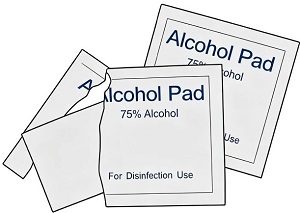
Figure2 (Langlara 2)
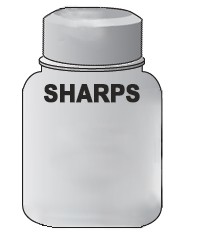
Figure3 (Langlara 3)
Places to Inject
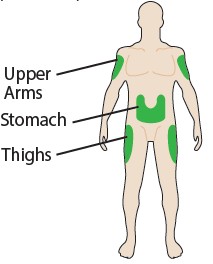
Figure4 (Langlara 4)
Get to Know Your Pen

Figure5 (Langlara 5)
Step 1: Check your pen
Take a new pen out of the refrigerator at least 1 hour before you inject. Cold insulin is more painful to inject.
1A Check the name and expiration date on the label of your pen.
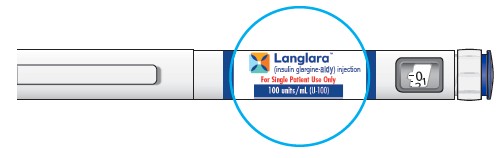
Figure6 (Langlara 6)
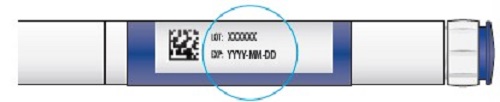
Figure7 (Langlara 7)
1B Pull off the pen cap.
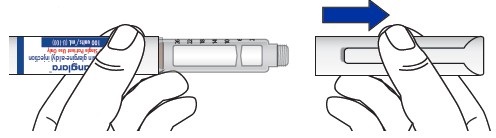
Figure8 (Langlara 8)
1C Check that the insulin is clear.
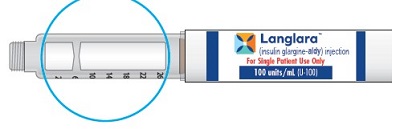
Figure9 (Langlara 9)
1D Wipe the rubber seal with an alcohol swab.
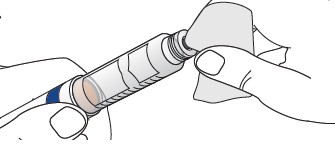
Figure10 (Langlara 10)
Step 2: Attach a new pen needle
2A Take a new pen needle and peel off the protective seal.
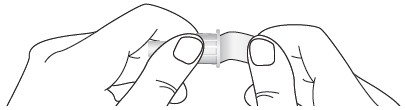
Figure11 (Langlara 11)
2B Keep the pen needle straight and screw it onto the pen until fixed.
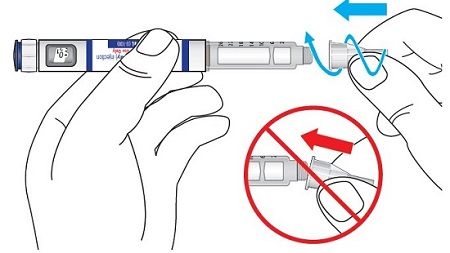
Figure12 (Langlara 12)
2C Pull off the outer needle cap. Keep this for later.
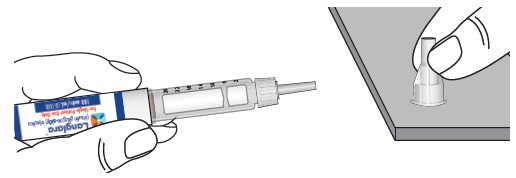
Figure13 (Langlara 13)
2D Pull off the inner needle cap and throw away in a puncture-resistant container. See “Throwing your pen away”.
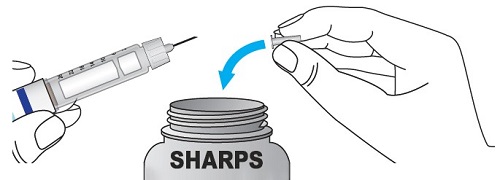
Figure14 (Langlara 14)
° Take care when handling needles to prevent needle-stick injury and cross-infection.
Step 3: Do a safety test
Always do a safety test before each injection to:
3A Select 2 units by turning the dose selector until the dose pointer is at the 2 mark.
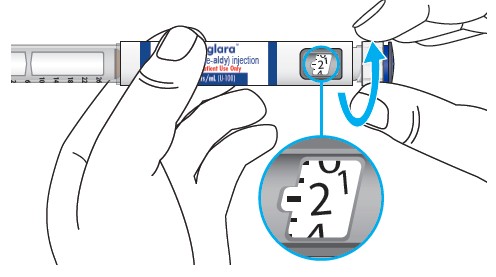
Figure15 (Langlara 15)
3B Press the injection button all the way in.
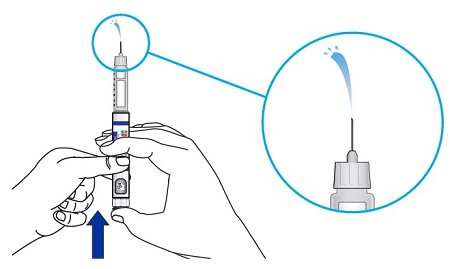
Figure16 (Langlara 16)
° You may need to repeat this step up to 3 times before seeing insulin.
° If no insulin comes out after the third time, the needle may be blocked. If this happens:
♦ change the needle (see Step 6and Step 2),
♦ then repeat the safety test ( Step 3).
° Do notuse your pen if there is still no insulin coming out of the needle tip. Use a new pen.
° Do notuse a syringe to remove insulin from your pen.
° You may see air bubbles in the insulin. This is normal, they will not harm you.
Step 4: Select the dose
Do notselect a dose or press the injection button without a needle attached. This may damage your pen.
4A Make sure a needle is attached and the dose is set to “0.”
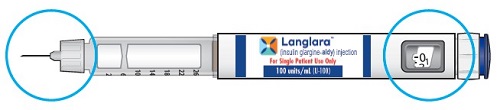
Figure17 (Langlara 17)
4B Turn the dose selector until the dose pointer lines up with your dose.
° If you cannot select your full prescribed dose, use a new pen or inject the remaining units and use a new pen to complete your dose.
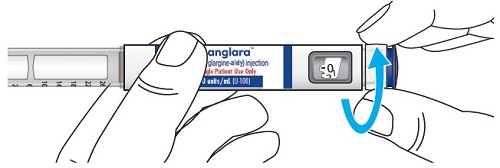
Figure18 (Langlara 18)
How to read the dose window
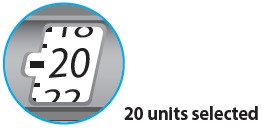
Figure19 (Langlara 19)
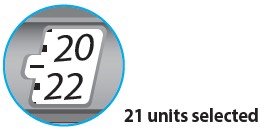
Figure20 (Langlara 20)
Units of LANGLARA in your pen:
Step 5: Injecting your LANGLARA dose
If you find it hard to press the injection button in, do notforce it as this may break your pen. See the section below 5Ffor help.
5A Choose a place to inject as shown in the picture above.
5BClean your skin at the injection site with an alcohol swab, then allow to dry for about 30 seconds.
5C Push the needle into your skin with the dose window in view as shown by your healthcare provider.
Do not touch the injection button yet.
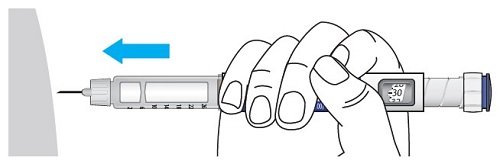
Figure21 (Langlara 21)
5D Place your thumb on the injection button. Then press all the way in and hold.
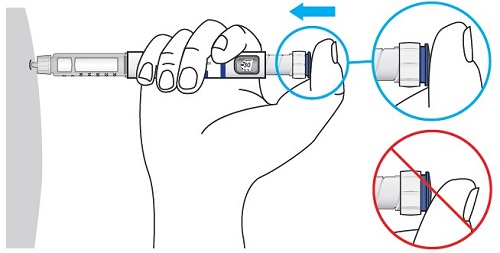
Figure22 (Langlara 22)
5E Keep the injection button held in and when you see "0" in the dose window, slowly count to 10.
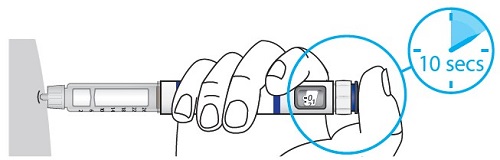
Figure23 (Langlara 23)
5F After holding and slowly counting to 10, release the injection button. Then remove the needle from your skin.
If you find it hard to press the injection button in:
Step 6: Remove the needle
6A Grip the widest part of the outer needle cap. Keep the needle straight and guide it into the outer needle cap. Then push firmly on.
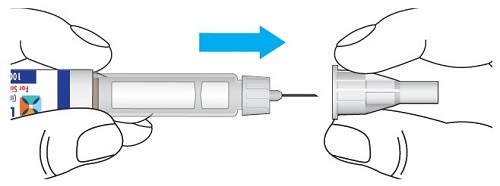
Figure24 (Langlara 24)
6B Grip and squeeze the widest part of the outer needle cap. Turn your pen several times with your other hand to remove the needle.
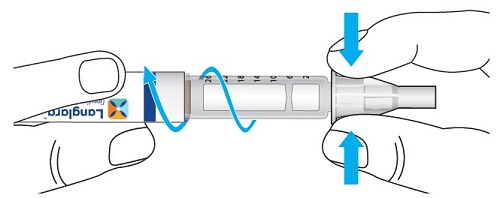
Figure25 (Langlara 25)
6C Throw away the used needle in a puncture-resistant container.See “Throwing your pen away”at the end of this Instructions for Use.
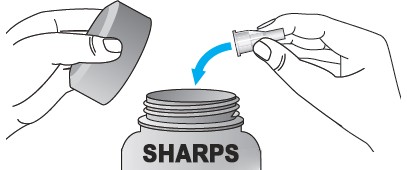
Figure26 (Langlara 26)
6D Put your pen cap back on.
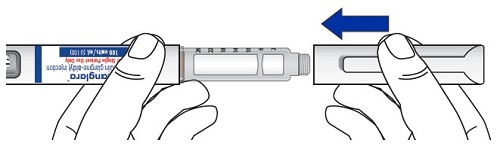
Figure27 (Langlara 27)
Storing the LANGLARA Pen
° Keep new pens in the refrigerator between 36°F to 46°F (2°C to 8°C).
° Do notfreeze. Do notuse LANGLARA if it has been frozen.
° Keep your pen at room temperature up to 86°F (30°C).
° Keep your pen away from heat or light.
° Store your pen with the pen cap on.
° Do notput your pen back in the refrigerator.
° Do notstore your pen with the needle attached.
° Only use your pen for up to 28 days after its first use. Throw away the LANGLARA pen you are using after 28 days, even if it still has insulin left in it.
Caring for Your LANGLARA Pen
° Do not drop your pen or knock it against hard surfaces.
° If you think that your pen may be damaged, do nottry to fix it. Throw it away and use a new LANGLARA pen. See “Throwing Your Pen Away”at the end of this Instructions for Use. If you have questions, call Lanexa Biologics, LLC at 1-800-610-5709.
° You can clean the outside of your pen by wiping it with a damp cloth (water only).
° Do notsoak, wash or lubricate your pen. This may damage it.
Throwing Your Pen Away
° made of a heavy-duty plastic,
° can be closed with a tight-fitting, puncture-resistant lid, without sharps being able to come out,
° upright and stable during use,
° leak-resistant, and
° properly labeled to warn of hazardous waste inside the container.
Manufactured by:
Sunshine Lake Pharma Co., Ltd.
No.1, Northern Industry Road, Northern Industry Park of Song Shan Lake
Dongguan, Guangdong, China
At: YiChang HEC ChangJiang Pharmaceutical Co., Ltd., Hubei, China
U.S. License No. 2343
Distributed by: Lanexa Biologics, LLC
Trevose, PA 19053
This Instructions for Use has been approved by the U.S. Food and Drug Administration.
*The brands listed are the registered trademarks of their respective owners.
Revised: 06/2026
NDC 87682-090-05
RX ONLY
LANGLARA
insulin glargine-aldy injection
For Single Patient Use Only
100 units/mL (U-100)
Five 3 mL Prefilled Pens
Solution for injection in a disposable insulin delivery device
Do not mix with other insulins
For subcutaneous injection only
Use only if solution is clear and colorless with no particles visible
Use within 28 days after initial use
*Needles not included (see back panel)
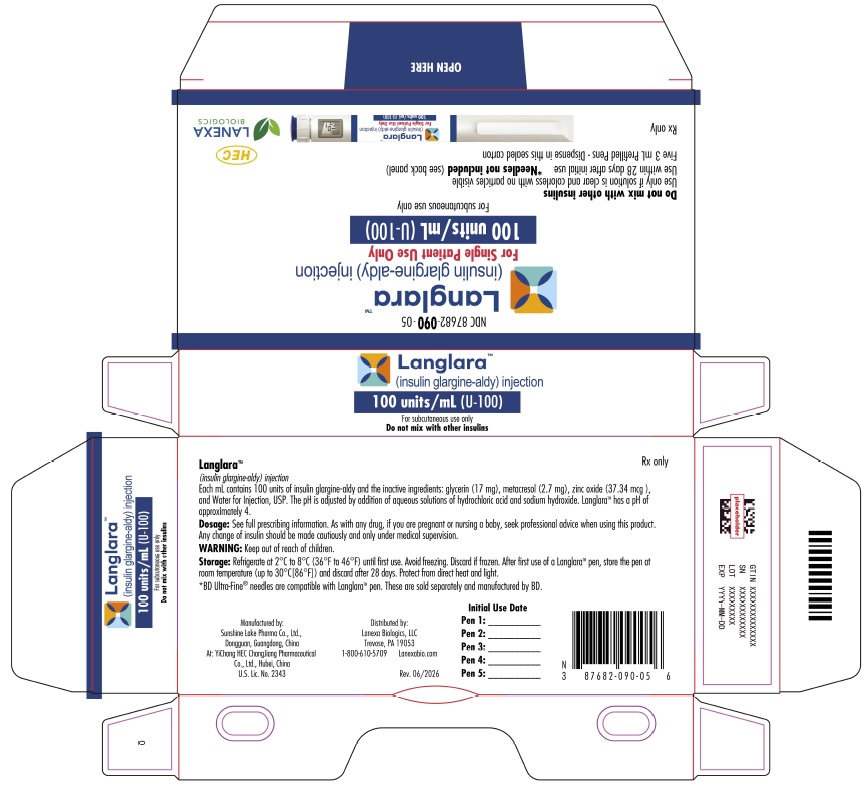
Figure28 (Langlara 28)
* Please review the disclaimer below.
