Zaynich Injection, Powder, For Solution
FDA Label NDC 87706-866

Full FDA labeling including Indications, Dosage, Usage, and Precautions

Structured Product Label

The following Structured Product Label (SPL) was submitted to the FDA by Wockhardt Suisse Usa Llc for the product Zaynich (NDC 87706-866). This document serves as the official prescribing information, containing essential scientific data and clinical materials required for healthcare providers and patients.

This specific version of the label includes detailed information regarding 1.1 complicated urinary tract infections, including pyelonephritis, 1.2 usage to reduce development of drug-resistant bacteria, 2.1 recommended dosage, 2.2 recommended dosage in adult patients with renal impairment, 2.3 preparation and administration instructions for zaynich, 2.4 drug compatibility, 3 dosage forms and strengths, 4 contraindications, and other regulatory disclosures. Use the navigation below to review specific sections of the FDA submission.

1.1 Complicated Urinary Tract Infections, Including Pyelonephritis

ZAYNICH is indicated for the treatment of adult patients with complicated urinary tract infections (cUTI) including pyelonephritis caused by the following susceptible microorganisms: Escherichia coli, Klebsiella pneumoniae, Proteus mirabilis, Enterobacter cloacaecomplex, and Pseudomonas aeruginosa.

1.2 Usage To Reduce Development Of Drug-Resistant Bacteria

To reduce the development of drug-resistant bacteria and maintain the effectiveness of ZAYNICH and other antibacterial drugs, ZAYNICH should be used only to treat or prevent infections that are proven or strongly suspected to be caused by susceptible bacteria. When culture and susceptibility information are available, they should be considered in selecting or modifying antibacterial therapy. In the absence of such data, local epidemiology and susceptibility patterns may contribute to the empiric selection of therapy.

The recommended dosage of ZAYNICH is 3 grams (2 grams cefepime and 1 gram zidebactam) administered every 8 hours by intravenous (IV) infusion over 1 hour in adult patients with an eGFR greater than or equal to 60 mL/min.

The duration of treatment is 7 days to 10 days.

Table 1shows the recommended intravenous dosage of ZAYNICH for patients with varying degrees of renal function. Dosage adjustment of ZAYNICH is recommended in adult patients with renal impairment who have an eGFR of less than 60 mL/min, including patients receiving intermittent hemodialysis (IHD) [ see Use in Specific Populations ( 8.6) ]. The duration of treatment is 7 days to 10 days.

Administer each intravenous infusion over 1 hour.

Table 1: Recommended Dosage of ZAYNICH in Adult Patients with Renal Impairment
eGFR

As calculated using the 4-variable Modification of Diet in Renal Disease (MDRD) formula.


(mL/min)
Dose

The total duration of treatment is for 7 to 10 days.


Dosing Interval
60 to 89
ZAYNICH 3 grams

Provides 2 grams cefepime and 1 gram zidebactam.


Every 8 hours
30 to 59
ZAYNICH 1.5 grams

Provides 1 gram cefepime and 0.5 grams zidebactam.


Every 8 hours
15 to 29
ZAYNICH 1.5 grams
Every 12 hours
8 to 14 (with or without IHD)

On hemodialysis days, recommended dose should be administered after a hemodialysis session. On days, when hemodialysis is not performed, administer 24 hours after the previous dose.


ZAYNICH 1.5 grams
Every 24 hours

2.3 Preparation And Administration Instructions For Zaynich

Preparation

ZAYNICH is supplied as a sterile dry powder in a single-dose vial that must be reconstituted and further diluted prior to intravenous infusion as outlined below. ZAYNICH does not contain preservatives. Aseptic techniques must be used for reconstitution and dilution. Prepare the required dose for intravenous infusion using the steps described below:

1.  Reconstitute the powder in the ZAYNICH vial with 10 mL of 0.9% Sodium Chloride Injection, or 5% Dextrose Injection, or Lactated Ringer's solution from a 100 mL infusion bag or with 10 mL of sterile Water for Injection.

2.  Mix gently to dissolve the content. The reconstituted ZAYNICH solution will have a resultant concentration of approximately 240 mg/mL. The final volume is approximately 13 mL.

3.  The reconstituted ZAYNICH solution is notfor direct injection and must be further diluted, prior to administration as described in Step 4 below.

4.  The reconstituted solution should be used immediately after preparation or within the stability period, as described below:

5.  The reconstituted ZAYNICH solution can be stored for up to 6 hours at 20°C to 25°C (68°F to 77°F) or up to 12 hours at 2°C to 8°C (36°F to 46°F). After reconstitution, retain the vial in the outer carton to protect it from light.

6.  The reconstituted solution must be diluted further in the 100 mL infusion bag used in Step 1.

For example: If reconstitution in Step 1 is performed with 5% dextrose, the dilution in Step 3 should be performed with the 100 mL infusion bag of 5% dextrose from Step 1.

7.  To dilute the reconstituted solution, withdraw the full or partial reconstituted vial contents and add it into the infusion bag in accordance with Table 2below.

8.  If the ZAYNICH powder is reconstituted in sterile Water for Injection, withdraw 10 mL volume from a 100 mL infusion bag (0.9% Sodium Chloride Injection, or 5% Dextrose Injection, or Lactated Ringer's solution), discard the 10 mL volume withdrawn from the infusion bag and use this bag for the dilution of the reconstituted solution.

9.  Administer the final diluted ZAYNICH solution for infusion within 12 hours, if stored at room temperature 20°C to 25°C (68°F to 77°F) or within 24 hours, if stored refrigerated at 2°C to 8°C (36°F to 46°F).

Table 2: Preparation of ZAYNICH Doses
ZAYNICH  (cefepime
and zidebactam)  Dose
Number of Vials to Reconstitute for Further Dilution
Volume to Withdraw from Each Reconstituted Vial for Further Dilution
Approximate Volume of Infusion Bag

If 250 mL infusion bag is used, discard 150 mL and follow the same steps listed above.


3 grams (2 grams cefepime and 1 gram zidebactam)
1 vial
13 mL
100 mL
1.5 grams (1 gram cefepime and 0.5 grams zidebactam)
1 vial
6.5 mL
100 mL                

Administration

ZAYNICH is administered by intravenous infusion over 1 hour after reconstitution and further dilution as described above.

Visually inspect the diluted ZAYNICH solution. Parenteral drug products should be inspected visually for absence of particulate matter and discoloration prior to administration, whenever solution and container permit. Similar to other cephalosporins, the reconstituted solution of ZAYNICH in the vial or the final solution for infusion may develop a yellow to amber color. Use only if prepared solution is clear and free from particulate matter.

Administer the entire volume of the final diluted ZAYNICH solution for infusion by intravenous infusion over 1 hour [ see Dosage and Administration (2.1, 2.2)].

2.4 Drug Compatibility

ZAYNICH is compatible with 0.9% Sodium Chloride Injection, 5% Dextrose Injection, Lactated Ringer's solution, and sterile Water for Injection. Compatibility of ZAYNICH solution for administration with other drugs has not been established.

3 Dosage Forms And Strengths

ZAYNICH 3 grams (cefepime and zidebactam) for injection is supplied as a sterile white to pale yellow powder for reconstitution in a single-dose vial, containing 2 grams cefepime and 1 gram zidebactam.

4 Contraindications

ZAYNICH is contraindicated in patients with a known history of serious hypersensitivity to the components of ZAYNICH (cefepime and zidebactam) or other beta-lactam antibacterial drugs [ see Warnings and Precautions ( 5.1) ].

5.1 Hypersensitivity Reactions

Serious hypersensitivity reactions, including anaphylaxis, have been reported in patients treated with ZAYNICH. Serious and occasionally fatal hypersensitivity reactions and serious skin reactions have been reported in patients receiving beta-lactam antibacterial drugs [ see Contraindications ( 4) and Adverse Reactions ( 6.1, 6.2) ].

Before therapy with ZAYNICH is instituted, carefully inquire about previous hypersensitivity reactions to cefepime, cephalosporins, penicillins, or other beta-lactams because cross-hypersensitivity among beta-lactam antibacterial drugs has been reported. If an allergic reaction to ZAYNICH occurs, discontinue the drug and institute appropriate supportive measures.

5.2 Neurotoxicity

Neurotoxicity has been reported during treatment with cefepime, a component of ZAYNICH, including life threatening or fatal occurrences of the following: encephalopathy (disturbance of consciousness including confusion, hallucinations, stupor, and coma), aphasia, myoclonus, seizures, and nonconvulsive status epilepticus [see Adverse Reactions ( 6.2)] . Most cases occurred in patients with renal impairment who did not receive appropriate dosage adjustment. However, some cases of neurotoxicity occurred in patients receiving a dosage adjustment appropriate for their degree of renal impairment. In the majority of cases, symptoms of neurotoxicity were reversible and resolved after discontinuation of cefepime and/or after hemodialysis. If neurotoxicity associated with ZAYNICH therapy occurs, discontinue ZAYNICH and institute appropriate supportive measures.

5.3 Clostridioides Difficileinfection

Clostridioides difficile  (C. difficile)infection (CDI) has been reported with the use of nearly all antibacterial agents including ZAYNICH and may range in severity from mild diarrhea to fatal colitis.

Treatment with antibacterial agents alters the normal flora of the colon leading to overgrowth of C. difficile.

C. difficileproduces toxins A and B which contribute to the development of CDI. Hypertoxin-producing isolates of C. difficilecause increased morbidity and mortality, as these infections can be refractory to antimicrobial therapy and may require colectomy. CDI must be considered in all patients who present with diarrhea following antibacterial drug use. Careful medical history is necessary since CDI has been reported to occur over two months after the administration of antibacterial agents.

If CDI is suspected or confirmed, ongoing antibacterial drug use not directed against C. difficilemay need to be discontinued. Appropriate fluid and electrolyte management, protein supplementation, antibacterial drug treatment of C. difficile, and surgical evaluation should be instituted as clinically indicated.

5.4 Positive Direct Coombs’ Tests

Positive direct Coombs' tests with or without hemolysis have been reported during treatment with cefepime, a component of ZAYNICH. In patients who develop hemolytic anemia, discontinue the drug and institute appropriate therapy. Positive Coombs' test may be observed in newborns whose mothers have received cephalosporin antibacterial drugs before parturition.

5.5 Prolonged Prothrombin Time

Decrease in prothrombin activity has been reported for many cephalosporins including cefepime, a component of ZAYNICH. Those at risk of developing prolonged prothrombin time include patients with renal or hepatic impairment or poor nutritional state, as well as patients receiving a protracted course of antimicrobial therapy. Prothrombin time should be monitored in patients at risk, and exogenous vitamin K should be administered as indicated.

5.6 Development Of Drug-Resistant Bacteria

Prescribing ZAYNICH in the absence of a proven or strongly suspected bacterial infection or a prophylactic indication is unlikely to provide benefit to the patient and increases the risk of the development of drug-resistant bacteria.

5.7 Interactions With Urine Glucose Testing

The administration of cefepime, a component of ZAYNICH, may result in a false-positive reaction for glucose in the urine when using some methods (e.g., Clinitest™ tablets) [see Drug Interactions ( 7.3)] .

6 Adverse Reactions

The following clinically significant adverse reactions are described elsewhere in the labeling:

  • Hypersensitivity Reactions [ see Warnings and Precautions ( 5.1) ]
  • Neurotoxicity [ see Warnings and Precautions ( 5.2) ]
  • Clostridiodes difficileInfection [ see Warnings and Precautions ( 5.3) ]

6.1 Clinical Trials Experience

Because clinical trials are conducted under widely varying conditions, adverse reaction rates observed in the clinical trials of a drug cannot be directly compared with rates in the clinical trials of another drug and may not reflect the rates observed in practice.

ZAYNICH was evaluated in a phase 3 study in patients with cUTI, including pyelonephritis (also referred to as Trial 1), which included 352 patients treated with ZAYNICH 3 grams (2 grams cefepime and 1 gram zidebactam) every 8 hours infused over 1 hour, and 177 patients treated with the comparator, meropenem, 1 gram every 8 hours, infused over 30 minutes. Patients received treatment for 7 to 10 days. The median duration of therapy was 8 days in both treatment groups in the safety analysis set.

The mean age of patients treated with ZAYNICH was 65 years and 61% of patients were 65 years of age or older. Patients were predominantly male (56%) and White (88%).

Serious Adverse Reactions and Adverse Reactions Leading to Discontinuation

Treatment was discontinued due to adverse reactions in 1.4% (5/352) of patients receiving ZAYNICH and in 1.1% (2/177) of patients receiving meropenem. The adverse reactions resulting in discontinuation of ZAYNICH were anaphylactic reaction, C. difficilecolitis, hyperbilirubinemia, drug hypersensitivity, and enterococcal urinary tract infection, each 0.3% (1/352). No deaths were reported.

Common Adverse Reactions

The most frequently reported adverse reactions (2% or greater) in patients receiving ZAYNICH were diarrhea, hypertension, headache, and hypokalemia. Table 3lists selected adverse reactions occurring in 2% or greater of patients receiving ZAYNICH in Trial 1.

Table 3: Selected Adverse Reactions Occurring in 2% or Greater of cUTI Patients Receiving ZAYNICH in Trial 1

Trial 1 was not designed to evaluate meaningful comparisons of the incidence of adverse reactions in the ZAYNICH and the meropenem treatment groups.

Adverse Reactions
ZAYNICH
(N=352)
n (%)
Meropenem
(N=177)
n (%)
Diarrhea
15 (4)
7 (4)
Hypertension

Hypertension includes blood pressure inadequately controlled and hypertension.


12 (3)
3 (2)
Headache
11 (3)
9 (5)
Hypokalemia
10 (3)
2 (1)

Other Adverse Reactions Associated with ZAYNICH

The following selected adverse reactions were reported in ZAYNICH-treated patients at a rate of less than 2% in Trial 1:

  • Blood and lymphatic system disorders:anemia, neutropenia, thrombocytopenia
  • Gastrointestinal disorders:abdominal pain, constipation, nausea, vomiting
  • General disorders and administration site conditions: pyrexia, infusion site reaction including injection site erythema, vascular access site hematoma
  • Hepatobiliary disorders:hyperbilirubinemia
  • Infections and infestations: C. difficile colitis, candida infection including oral candidiasis, genital candidiasis, candiduria
  • Immune system disorders:allergic reaction including anaphylactic reaction, drug hypersensitivity, rash, skin burning sensation, flushing
  • Laboratory investigations:transaminases increased including alanine aminotransferase increased, aspartate aminotransferase increased
  • Metabolism and nutrition disorders: hyperglycemia
  • Nervous system disorders:dizziness
  • Psychiatric disorders:anxiety, delirium
  • Respiratory disorders: shortness of breath
  • Renal and urinary disorders: acute kidney injury including blood creatinine increased, blood urea nitrogen increased
  • Vascular disorders: hypotension
  • Other Adverse Reactions Associated with Cefepime in Other Clinical Trials

    Additionally, the following adverse reactions have been reported with cefepime alone in other clinical trials and are not listed above for patients treated with ZAYNICH in Trial 1:

    • Blood and lymphatic system disorders: Coombs' test positive (without hemolysis), increased eosinophils, leukopenia, partial thromboplastin time prolonged, prothrombin time prolonged
    • Infections and infestations: vaginitis
    • Laboratory investigations: increased alkaline phosphatase, increased calcium, increased phosphorus, increased potassium, decreased calcium, decreased phosphorus
    • Skin and subcutaneous tissue disorders: pruritus, urticaria
    • Vascular disorders: phlebitis

6.2 Postmarketing Experience

The following adverse reactions and altered laboratory tests have been identified during post approval use of cefepime (a component of ZAYNICH), or other cephalosporin-class antibacterial drugs. Because these reactions are reported voluntarily from a population of uncertain size, it is not always possible to reliably estimate their frequency or establish a causal relationship to drug exposure:

  • Blood and lymphatic system disorders: agranulocytosis, aplastic anemia, hemolytic anemia, pancytopenia
  • Nervous system disorders: encephalopathy (including disturbance of consciousness, hallucinations, stupor, and coma), aphasia, myoclonus, seizures, and nonconvulsive status epilepticus
  • Immune system disorders: anaphylaxis including anaphylactic shock, Stevens-Johnson syndrome, erythema multiforme, toxic epidermal necrolysis
  • Hepatobiliary disorders: hepatic dysfunction including cholestasis
  • Renal and urinary disorders: renal dysfunction, toxic nephropathy
  • Vascular disorders: hemorrhage.

7.1 Aminoglycosides

Monitor renal function if aminoglycosides are to be administered with ZAYNICH because of the increased potential of nephrotoxicity and ototoxicity of aminoglycoside antibacterial drugs.

7.2 Diuretics

Nephrotoxicity has been reported following concomitant administration of other cephalosporins with potent diuretics such as furosemide. Monitor renal function when ZAYNICH is concomitantly administered with potent diuretics.

7.3 Drug/Laboratory Test Interactions

The administration of ZAYNICH may result in a false-positive reaction for glucose in the urine with certain methods. It is recommended that glucose tests based on enzymatic glucose oxidase reactions be used.

8.1 Pregnancy

Risk Summary

There are no data for the use of ZAYNICH, or zidebactam, a component of ZAYNICH, during pregnancy to evaluate for a drug-associated risk of major birth defects, miscarriage or other adverse maternal or fetal outcomes. Available data from published observational studies and case reports over several decades with cephalosporin use, including cefepime, in pregnant women have not established the drug-associated risks of major birth defects, miscarriage or adverse maternal or fetal outcomes.

Cefepime

Cefepime was not associated with adverse developmental outcomes in rats, mice, or rabbits when administered parenterally during organogenesis. The doses used in these studies were 1.6 (rats), approximately equal to (mice), and 0.3 times (rabbits) the recommended human dose of cefepime in ZAYNICH (see Data).

Zidebactam

Intravenous administration of zidebactam to pregnant rats during organogenesis showed no evidence of maternal or embryo-fetal toxicity at a dose of 800 mg/kg/day, approximately 5 times the recommended human dose (RHD; 1 gram zidebactam administered every 8 hours) based on plasma area under the concentration-time curve (AUC) comparison. In pregnant rabbits, intravenous administration of zidebactam during organogenesis was associated with increased late fetal resorptions and total fetal loss in two litters at a dose of 600 mg/kg/day (approximately 5 times the RHD) and distended bladder, a fetal anomaly, at zidebactam doses greater than or equal to 300 mg/kg/day (approximately 3 times the RHD). In a pre-postnatal study, zidebactam administered intravenously to pregnant rats during organogenesis and through the lactation period was not associated with maternal toxicity or adverse effects in first- and second-generation offspring at a maternal dose of 800 mg/kg/day, approximately 5 times the RHD (see Data).

The background risk of major birth defects and miscarriage for the indicated population is unknown. All pregnancies have a background risk of birth defect, loss, or other adverse outcomes. In the U.S. general population, the estimated background risk of major birth defects and miscarriage in clinically recognized pregnancies is 2 to 4% and 15 to 20%, respectively.

Data

Human Data

Cefepime

While available studies cannot definitively establish the absence of risk, published data from case-control studies and case reports over several decades have not identified an association with cephalosporin use, including cefepime, during pregnancy and major birth defects, miscarriage, or other adverse maternal or fetal outcomes. Available studies have methodological limitations, including small sample size, retrospective data collection, and inconsistent comparator groups.

Animal Data

Cefepime

Cefepime was not embryocidal and did not cause fetal malformation when administered parenterally during the period of organogenesis to rats at doses up to 1000 mg/kg/day, to mice at doses up to 1200 mg/kg/day, or to rabbits at doses up to 100 mg/kg/day. These doses are 1.6 times (rats), approximately equal to (mice), and 0.3 times (rabbits) the recommended clinical dose of cefepime in ZAYNICH based on body surface area.

Zidebactam

In an embryo-fetal development study in pregnant rats, zidebactam in doses of 200, 400, and 800 mg/kg/day administered intravenously in divided doses twice per day during the period of organogenesis from Gestation Day (GD) 6 to GD 17 was not associated with maternal or embryo-fetal toxicity at any dose. The plasma zidebactam exposure for the high dose of 800 mg/kg/day was approximately 5 times the RHD based on plasma AUC comparison. Zidebactam administered to pregnant rabbits in doses of 150, 300, and 600 mg/kg/day in divided intravenous doses administered twice per day during the period of organogenesis from GD 6 to GD 18 was associated with significantly increased late fetal resorptions as well as total fetal loss in two litters at a dose of 600 mg/kg/day (approximately 5 times the RHD based on plasma AUC comparison). Two fetuses in one litter in the mid-dose group and two fetuses in one litter in the high-dose group exhibited a fetal anomaly, distended bladder. No maternal toxicity occurred in pregnant rabbits with the 600 mg/kg/day dose of zidebactam (approximately 5 times the RHD based on plasma AUC comparison), and no embryo-fetal toxicity was observed with the 150 mg/kg/day dose (approximately 2 times the RHD based on plasma AUC comparison).

In a pre-postnatal development study, zidebactam in doses of 200, 400, and 800 mg/kg/day administered twice daily in divided doses to pregnant rats from GD 6 to Lactation Day (LD) 20 produced no maternal toxicity and did not impair the physical and behavioral development of first-generation offspring at doses up to 800 mg/kg/day. The results of the learning and memory assessment in first-generation offspring were indeterminate due to limitations of the study design.

Reproduction was not affected in first-generation offspring at zidebactam doses up to 800 mg/kg/day. The maternal dose at which no maternal toxicity and no adverse effects in first- or second-generation offspring occurred was 800 mg/kg/day corresponding to a maternal plasma AUC exposure at the end of gestation of approximately 5 times the plasma AUC exposure in humans at the RHD.

8.2 Lactation

Risk summary

Cefepime

Cefepime is present in human breast milk at low concentrations (approximately 0.5 µg/mL) following a single intravenous dose of 1000 mg. A nursing infant consuming approximately 1000 mL of human milk per day would receive approximately 0.5 mg of cefepime per day ( see Data). There are no data on the effect of cefepime on the breastfed infant or effects on milk production.

Zidebactam

There are no data on the presence of zidebactam in human or animal milk, the effects of zidebactam on the breastfed infant, or effects on milk production.

The developmental and health benefits of breastfeeding should be considered along with the mother's clinical need for ZAYNICH and any potential adverse effects on the breastfed child from ZAYNICH or from the underlying maternal condition.

Data

Cefepime

A pharmacokinetic study was conducted in 9 healthy lactating women to evaluate the concentrations of cefepime in plasma and breast milk following a single intravenous dose of 1000 mg. The mean breast milk concentrations of cefepime during the first 8 hours post-dose were approximately 0.5 µg/mL and then declined and became undetectable between 12- and 24-hours post-dose. The mean cumulative breast milk excretion of cefepime over 24 hours was 0.01% of the administered dose. The pharmacokinetics of cefepime are similar between lactating and non-lactating women.

Zidebactam

There are no data on the presence of zidebactam in human milk.

8.4 Pediatric Use

The safety and effectiveness of ZAYNICH in pediatric patients have not been established.

8.5 Geriatric Use

Of the 352 patients treated with ZAYNICH in the cUTI trial (Trial 1), 213 (61%) patients were 65 years of age and older, while 111 (32%) patients were 75 years of age and older. No overall differences in safety or effectiveness were observed between these patients and younger adult patients, and other reported clinical experience has not identified differences in responses between the elderly and younger adult patients.

Serious neurologic adverse reactions have occurred in geriatric patients with renal insufficiency given unadjusted doses of cefepime, a component of ZAYNICH including life threatening or fatal occurrences of the following: encephalopathy, myoclonus, and seizures [ see Warnings and Precautions ( 5.2) and Adverse Reactions ( 6.2) ].

No dosage adjustment based on age is required. ZAYNICH is known to be substantially excreted by the kidney, and the risk of adverse reactions to this drug may be greater in patients with impaired renal function. Because elderly patients are more likely to have decreased renal function, care should be taken in dose selection, and renal function should be monitored as appropriate. Dosage adjustment for elderly patients should be based on renal function [ see Dosage and Administration ( 2.2) , and Use in Specific Populations ( 8.6) ].

8.6 Renal Impairment

Cefepime and zidebactam are primarily excreted renally. Plasma exposures of both cefepime and zidebactam increase with decreasing renal function, therefore dosage adjustments are recommended to compensate for the slower rate of renal clearance in patients with eGFR less than 60 mL/min [see Dosage and Administration ( 2.2) and Clinical Pharmacology ( 12.3)] .

Both cefepime and zidebactam are hemodialyzable; thus, ZAYNICH should be administered after intermittent hemodialysis on hemodialysis days [see Dosage and Administration ( 2.2) and Clinical Pharmacology ( 12.3)] .

Monitor renal function regularly and adjust the dosage of ZAYNICH accordingly as renal function may change during the course of therapy.

10 Overdosage

There is no experience with overdose of ZAYNICH. Patients who receive an overdose should be carefully observed and given supportive treatment.

Cefepime and zidebactam can be removed by hemodialysis [see Clinical Pharmacology ( 12.3)] . No clinical information is available on the use of hemodialysis to treat ZAYNICH overdosage.

Symptoms of overdose include encephalopathy (disturbance of consciousness including confusion, hallucinations, stupor, and coma), myoclonus, seizures, neuromuscular excitability and nonconvulsive status epilepticus [see Warnings and Precautions ( 5.2), Adverse Reactions ( 6.2), and Dosage and Administration ( 2.2)] .

11 Description

ZAYNICH for injection contains cefepime hydrochloride, a cephalosporin antibacterial drug, and zidebactam, a beta-lactamase inhibitor and non-beta-lactam antibacterial.

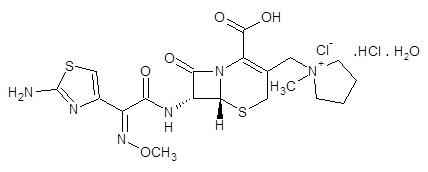
Cefepime, present as cefepime hydrochloride monohydrate, is a white to pale yellow powder. The chemical name for cefepime hydrochloride monohydrate is 1-[[(6 R,7 R)-7-[2-(2-Amino-4-thiazolyl)glyoxylamido]-2-carboxy-8-oxo-5-thia-1-azabicyclo[4.2.0]oct-2-en-3-yl]methyl]-1-methylpyrrolidinium chloride,7 2-( Z)-( O-methyloxime), monohydrochloride, monohydrate, which corresponds to the following structural formula:

Figure 1. Cefepime Hydrochloride

Figure 1. Cefepime Hydrochloride (493333a7 53d2 4668 8c9d Da6063267030 01)

Figure 1. Cefepime Hydrochloride (493333a7 53d2 4668 8c9d Da6063267030 01)

The molecular formula of cefepime hydrochloride monohydrate is C 19H 25ClN 6O 5S 2·HCl·H 2O and the molecular weight is 571.56.

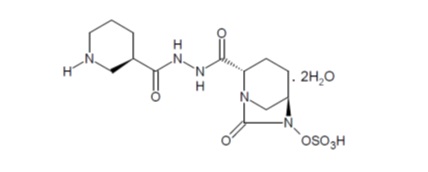
Zidebactam is a white to pale yellow powder. The chemical name of zidebactam is (2 S,5 R)-7-Oxo-6-sulphooxy-2-[ N'-(( R)-piperidin-3-carbonyl)hydrazinocarbonyl]-1,6-diazabicyclo[3.2.1]octane, dihydrate, which corresponds to the following structural formula:

Figure 2. Zidebactam

Figure 2. Zidebactam (493333a7 53d2 4668 8c9d Da6063267030 02)

Figure 2. Zidebactam (493333a7 53d2 4668 8c9d Da6063267030 02)

Zidebactam is freely soluble in water. Its molecular formula is C 13H 21N 5O 7S·2H 2O, and its molecular weight is 427.45.

ZAYNICH 3 grams (cefepime and zidebactam) for injection is supplied as a white to pale yellow sterile powder for reconstitution. Each vial contains 2 grams of cefepime (equivalent to 2.3 grams of cefepime hydrochloride), 1 gram of zidebactam, and 1.4 grams of L-arginine.

12.1 Mechanism Of Action

Cefepime and zidebactam, components of ZAYNICH, are antibacterial drugs [see Microbiology ( 12.4)] .

12.2 Pharmacodynamics

For both cefepime and zidebactam, components of ZAYNICH, the percentage of time that unbound drug exceeds the minimum inhibitory concentration (% fT > MIC) has been shown to best correlate with efficacy in animal and in vitromodels of infection. Zidebactam alters the pharmacodynamic activity of cefepime, resulting in a reduction of cefepime's % fT > MIC required for antibacterial activity.

Cardiac Electrophysiology

At 4 times the maximum recommended zidebactam dose given together with the recommended dose for cefepime, clinically significant QTc interval prolongation was not observed.

12.3 Pharmacokinetics

Pharmacokinetic (PK) Parameters

The PK properties of cefepime and zidebactam are summarized in Table 4as geometric mean  (geometric coefficient of variation, GCV%) in healthy adult subjects.

Table 4: Pharmacokinetic Parameters (Geometric mean [GCV%]) of Cefepime and Zidebactam

AUC 0-8= area under the plasma concentration time curve from 0 to 8 h; CL = clearance; C max= maximum concentration; GCV = Geometric coefficient of variation;

T 1/2= terminal half-life; Vz = volume of distribution

Pharmacokinetic Parameters
Cefepime
Zidebactam
Exposure
C max(mg/L)

Pharmacokinetic parameters are presented at steady state (Day 10) in healthy subjects at a dosage of 2 grams cefepime and 1 gram zidebactam every 8 hours (geometric mean (GCV%)).


153 (2.6)
64.3 (6.3)
AUC 0-8(mg•h/L)
362 (6.3)
153 (5.6)
Distribution
% Bound to human plasma protein
20%
4.0-5.4%
Vz (L)
13.7 (5.0)
15.5 (10.1)
Proportionality (dose range)
0.25 g – 2.0 g
0.25 g – 3.0 g
Accumulation
Similar pharmacokinetics following single and multiple dosing
Elimination
CL (L/h)
5.2 (8.5)
6.2 (5.9)
T 1/2(h)
1.8 (12.9)
1.7 (10.8)
Metabolism

Approximately 6.8% of the administered dose of cefepime is eliminated in urine as N-oxide and 2.5% as cefepime epimer. Approximately 2.5% of the administered dose of zidebactam is eliminated in urine as zidebactam impurity-1 isomer.


Minimally metabolized
Excretion
Major route of elimination
Renal
% Excreted unchanged in urine

Arithmetic mean.


85%
88%

Specific Populations

No clinically significant differences in the PK of cefepime and zidebactam were observed based on age (18 to 90 years), weight (39 to 130 kg), gender (59% male, 41% female), or race (0.02% American Indian or Alaska native, 9% Asian, 14% Black or African American, 75% White).

Patients with Renal Impairment

In a single-dose trial evaluating the effect of renal impairment on the pharmacokinetics of cefepime and zidebactam, dosage was adjusted for subjects with moderate and severe renal impairment (defined as creatinine clearance, CrCl, less than 60 mL/min). The dose-normalized systemic exposures of cefepime and zidebactam were higher at all levels of renal impairment compared with healthy subjects with creatinine clearance (CrCl, estimated by Cockcroft-Gault) greater than or equal to 90 mL/min, see Table 5.

Table 5: Dose Normalized Fold AUC 0-infinityIncrease in Subjects with Renal Impairment Compared with Subjects with Creatinine Clearance (CrCI) ≥ 90 mL/min

AUC 0-infinity= area under the plasma concentration time curve from 0 to time infinity; CrCl = Creatinine clearance; ESRD = end stage renal disease; HD = hemodialysis

CrCl (mL/min)
Cefepime
Zidebactam
60 to 89
1.4
1.3
30 to 59
3.0
3.3
15 to 29
4.2
5.4
ESRD on HD
9.9
16.0

Patients with Hepatic Impairment

Cefepime and zidebactam undergo minimal hepatic metabolism (less than 10%), therefore their systemic clearance is unlikely to be affected by hepatic impairment.

Drug Interactions

Clinical Studies

No drug-drug interactions were observed among cefepime, zidebactam, and metronidazole.

In Vitro  Studies

Cytochrome P450 (CYP) Enzymes:

Zidebactam does not inhibit CYP1A2, CYP2B6, CYP2C8, CYP2C9, CYP2C19, CYP2D6, or CYP3A4. Zidebactam does not induce CYP1A2, CYP2B6, or CYP3A4.

No in vitro CYP450 enzyme drug interaction studies were conducted with cefepime.

Membrane Transporter Systems:

Zidebactam is not a substrate of BCRP, MRP4, MDR1, OAT1, OAT3 and OCT2. Zidebactam does not inhibit P-gp, BCRP, OATP1B1, OATP1B3, OCT2, OAT1, OAT3, BSEP and MRP4.

Cefepime is not a substrate of MRP4, OAT1, OAT3 and OCT2 transporters. At therapeutic concentrations, cefepime does not inhibit MDR1, OCT2, MRP4, OAT3, OATP1B3, OAT1, OATP1B1, and OCTN2.

12.4 Microbiology

Mechanism of Action

ZAYNICH is a combination of cefepime, a cephalosporin antibacterial drug and zidebactam, a beta-lactamase inhibitor and non-beta-lactam antibacterial. Cefepime primarily targets PBP3 in Gram-negative bacterial pathogens, while zidebactam selectively inhibits penicillin-binding protein-2 (PBP2). Cefepime and zidebactam work together by binding multiple PBPs, leading to bacterial killing. This synergy occurs even in the presence of beta-lactamases, including metallo-beta-lactamases (MBLs), which are not inhibited by zidebactam, and other non-enzymatic cefepime resistance mechanisms, such as hyper-efflux and downregulation of outer membrane porin channels.

This is hypothesized to be due to cefepime's ability to bind to its PBP targets at a faster rate than it is hydrolyzed by beta-lactamases. Zidebactam, as a non-beta-lactam, is less susceptible to degradation by beta-lactamases. Zidebactam demonstrates in vitroactivity against certain Enterobacterales and P. aeruginosa. The zidebactam component of ZAYNICH exhibits in vitroactivity against Ambler Class A (SHV, TEM, CTX-M, and KPC) and Class C (CMY) beta-lactamases.

ZAYNICH demonstrated in vitroactivity against Enterobacterales isolates genetically confirmed to contain Ambler Class A (such as KPCs), Class B (such as NDM, VIM and IMP), Class C (such as CMY), and Class D beta-lactamases (such as OXA-48-like). In P. aeruginosa, ZAYNICH demonstrates in vitro activity against isolates with elevated expression of AmpC as well as isolates genetically confirmed to contain MBLs, OXAs, VEB, GES, KPC, as well as those with oprDdownregulation, increased efflux, or PBP mutations.

Resistance

The antibacterial activity of ZAYNICH may be affected by resistance mechanisms such as mutations in PBPs, decreased outer membrane permeability, overexpression of efflux pumps, or hyperproduction of beta-lactamases. Culture and susceptibility information and local epidemiology should be considered in selecting or modifying antibacterial therapy.

The frequency of resistance development in Gram-negative bacteria exposed to ZAYNICH at 5x minimum inhibitory concentration (MIC) was less than 10 -7. In a 10-day in vitro hollow-fiber infection model using a high starting inoculum (~1 x 10 8CFU/mL), resistance to ZAYNICH was not observed in two clinical isolates of Klebsiella pneumoniaeharboring either KPC-2 or KPC-3. The model simulated human exposures associated with cefepime 2 grams and zidebactam 1 gram administered every 8 hours.

Interactions with Other Antimicrobials

No antagonism was demonstrated in vitrostudies between ZAYNICH and beta-lactams, aminoglycosides, tetracyclines, fluoroquinolones, and polymyxins.

The combination of cefepime and zidebactam shows a synergistic antibacterial activity with aztreonam.

Activity Against Cefepime Non-Susceptible Bacteria in Animal Infection Models

The addition of zidebactam restored in vivoactivity of cefepime against cefepime-resistant Enterobacterales, including isolates genetically confirmed to harbor metallo-β-lactamases (MBLs; e.g., NDM, VIM, and IMP), KPC, and OXA-48-like carbapenemases. Activity was also observed against Pseudomonas aeruginosa, including isolates with OprDloss, efflux pump overexpression, and those harboring carbapenemase genes (e.g., NDM).

Antimicrobial Activity

ZAYNICH has been shown to be active against most isolates of the following bacteria, both in vitroand in clinical infections [see Indications and Usage ( 1)] .

Complicated urinary tract infections, including pyelonephritis

Gram-negative bacteria:

  • Escherichia coli
  • Klebsiella pneumoniae
  • Proteus mirabilis
  • Enterobacter cloacae complex
  • Pseudomonas aeruginosa
  • The following in vitrodata are available, but their clinical significance is unknown. At least 90 percent of the following bacteria exhibit an in vitrominimum inhibitory concentration (MIC) less than or equal to the susceptible breakpoint of ZAYNICH against isolates of similar genus or organism group.

    However, the efficacy of ZAYNICH in treating clinical infections caused by these bacteria has not been established in adequate and well-controlled clinical trials.

    Gram-negative bacteria:

    • Klebsiella oxytoca
    • Morganella morganii
    • Klebsiella variicola
    • Citrobacter braakii
    • Serratia marcescens
    • Providencia rettgeri
    • Citrobacter freundii
    • Citrobacter koseri
    • Klebsiella aerogenes
    • Proteus vulgaris
    • Providencia stuartii
    • Susceptibility Test Methods

      For specific information regarding susceptibility test interpretive criteria and associated test methods and quality control standards recognized by FDA for this drug, please see: https://www.fda.gov/STIC.
13.1 Carcinogenesis, Mutagenesis, Impairment Of Fertility

Carcinogenesis

Long-term carcinogenicity studies have not been performed with cefepime or zidebactam.

Mutagenesis

Cefepime

In chromosomal aberration studies, cefepime was positive for clastogenicity in primary human lymphocytes, but negative in Chinese hamster ovary cells. In other in vitroassays (bacterial and mammalian cell mutation, DNA repair in primary rat hepatocytes, and sister chromatid exchange in human lymphocytes), cefepime was negative for genotoxic effects. Moreover, in vivoassessments of cefepime in mice (2 chromosomal aberration and 2 micronucleus studies) were negative for clastogenicity.

Zidebactam

Zidebactam was negative for genetic toxicity in vitroin a mutagenicity assay in mouse lymphoma cells, and a chromosomal aberration assay in human peripheral blood lymphocytes, and in vivoin a mouse micronucleus assay in bone marrow cells.

Impairment of Fertility

Cefepime

No untoward effects on fertility were observed in rats when cefepime was administered subcutaneously at doses up to 1000 mg/kg/day (1.6 times the recommended human dose for cefepime in ZAYNICH based on body surface area).

Zidebactam

In a fertility study, zidebactam was administered in doses of 200, 400, and 800 mg/kg/day in divided doses administered intravenously twice per day to male rats beginning 28 days before mating and through mating, and to female rats beginning 14 days before mating, through mating, and until GD 7.

Zidebactam did not impair fertility, reproductive performance, or spermatogenesis in males at doses up to 800 mg/kg/day corresponding to plasma exposures of approximately 4 times the RHD based on plasma AUC comparison. Fertility, reproductive performance, and early embryonic development in females was not affected at doses up to 800 mg/kg/day corresponding to plasma AUC exposures of approximately 2 times the RHD based on plasma AUC comparison.

14.1 Complicated Urinary Tract Infections, Including Pyelonephritis

A total of 530 adults with cUTI, including pyelonephritis, were randomized in a 2:1 ratio in a multinational, double-blind, noninferiority trial (Trial 1, NCT04979806), comparing ZAYNICH (2 grams cefepime and 1 gram of zidebactam) to meropenem (1 gram) both administered intravenously every 8 hours (infused over 1 hour) for 7 to 10 days, for patients with and without bacteremia. The dose adjustments were made for patients with renal impairment. No switch from IV to oral antibacterial therapy was permitted.

The microbiological modified intent-to-treat population (mMITT) was the primary efficacy analysis population, which included all randomized patients who received any study drug, had one or two baseline qualifying pathogen(s) with growth ≥ 10 5colony-forming-units (CFU)/mL in urine culture or the same pathogen in blood and urine cultures, and excluded patients with pathogens resistant to meropenem. A total of 281 and 136 patients were included in the mMITT population in the ZAYNICH and meropenem treatment groups, respectively.

Patient demographic and baseline characteristics were balanced between treatment groups in the mMITT population. Approximately 90% of patients were White and 55% were male in both treatment groups. The mean age was 65 years in ZAYNICH group and 68 years in meropenem group, with 60% and 66% of patients 65 years of age and older in the ZAYNICH and meropenem treatment groups, respectively. Mean body mass index was approximately 28 kg/m 2in ZAYNICH treatment group and 29 kg/m 2in meropenem group. Concomitant bacteremia was identified in 6% and 7% of patients at baseline in the ZAYNICH and meropenem treatment groups, respectively. The majority of patients (88%) were enrolled in Europe. Overall, in both treatment groups, 68% of patients had cUTI while 32% of patients had pyelonephritis, with 49% and 19% of patients having a non-removable and removable source of infection, respectively. The median duration of treatment in both treatment groups was 8 days.

ZAYNICH demonstrated efficacy with regards to composite response defined as clinical cure and microbiological response, at the Test of Cure (TOC) visit (10 days after the end of treatment) in the mMITT population as shown in Table 6. Clinical cure was defined as the complete resolution (or return to premorbid state) of the baseline signs and symptoms of cUTI or pyelonephritis that were present at Screening (and no new urinary symptoms or worsening of symptoms). Microbiological response was defined as the baseline qualifying pathogen(s) reduced to <10 3CFU/mL in urine.

Table 6: Composite Response (Clinical Cure and Microbiological Response) Rates at TOC in Trial 1 of cUTI Including Pyelonephritis (mMITT Population)

CI = confidence interval; TOC = Test of Cure

Response at TOC visit
ZAYNICH
n / N (%)
Meropenem
n / N (%)
Difference (%)
95% CI
Clinical cure and microbiological Response
250/281 (89.0)
93/136 (68.4)
20.6 (12.3, 29.5)
Clinical cure
272/281 (96.8)
129/136 (94.9)
1.9 (-1.9, 7.3)
Microbiological Response
256/281 (91.1)
96/136 (70.6)
20.5 (12.6, 29.2)

Composite response in patients with bacteremia at baseline was achieved in 16/18 (89%) patients in the ZAYNICH group and 4/9 (44%) patients in the meropenem group at the TOC visit in the mMITT population.

Composite response (microbiological and clinical cure) rates by pathogen for the mMITT population are presented in Table 7.

Table 7: Composite Response (Microbiological Response and Clinical Cure) Rates at TOC by Pathogen in Trial 1 of cUTI Including Pyelonephritis (mMITT Population)
Gram-negative Pathogens
ZAYNICH
n / N (%)
Meropenem n / N (%)
Escherichia coli
162/176 (92)
60/87 (69)
Klebsiella pneumoniae
41/52 (79)
15/24 (63)
Proteus mirabilis
22/25 (88)
6/7 (86)
Enterobacter cloacaecomplex
11/13 (85)
4/7 (57)
Pseudomonas aeruginosa
4/7 (57)
1/5 (20)

In the subset of E. coli, K. pneumoniae, and P. mirabilisisolates with an extended-spectrum beta-lactamase-screen positive phenotype (defined as MIC of ≥ 2 mg/L for ceftriaxone, ceftazidime, and/or aztreonam), the composite response at TOC was 62/70 (89%) patients in the ZAYNICH group and 31/44 (70%) patients in the meropenem group.

In the subgroup analyses of the composite response, results were similar to the primary outcome analysis for all subgroups (by age groups, gender, race, body mass index [BMI] categories, geographic region, entry diagnosis [cUTI or pyelonephritis], renal function categories and co-morbid conditions).

16 How Supplied/Storage And Handling

ZAYNICH 3 grams (cefepime and zidebactam) for injection is supplied as a white to pale yellow sterile powder for reconstitution. It is packed in a clear USP Type I glass single-dose vial with a rubber stopper (not made with natural rubber latex) and flip-off seal.

Each single-dose vial contains 2 grams of cefepime and 1 gram of zidebactam.

Storage And Handling

NDC: 87706-866-01, carton containing one Single-dose vial.

Store ZAYNICH vials refrigerated at 2°C to 8°C (36°F to 46°F); brief excursions are permitted up to 25°C (77°F). Retain the vial in the outer carton prior to and after reconstitution to protect it from light.

Storage after reconstitution and dilution and administration instructions are described elsewhere in the labeling [ see Dosage and Administration ( 2.3) ].

17 Patient Counseling Information

Serious Allergic Reactions

Advise patients that allergic reactions, including serious allergic reactions, could occur and that serious reactions require immediate treatment. Advise patients to discontinue ZAYNICH and seek immediate medical attention if allergic reactions occur [see Warnings and Precautions ( 5.1)] .

Neurotoxicity

Advise patients of neurological adverse reactions that could occur with ZAYNICH use. Instruct patients or their caregivers to inform their healthcare provider at once of any neurological signs and symptoms, including encephalopathy (disturbance of consciousness including confusion, hallucinations, stupor, and coma), aphasia (disturbance of speaking and understanding spoken and written language), myoclonus, seizures and nonconvulsive status epilepticus [see Warnings and Precautions ( 5.2)] .

Potentially Serious Diarrhea

Diarrhea is a common problem caused by antibacterial drugs, which usually ends when the antibacterial drug is discontinued. Inform patients that they may develop watery and bloody stools (with or without stomach cramps and fever) during treatment and as late as two or more months after having taken the last dose of the antibacterial drug. Inform patients that they should contact their physician as soon as possible if this occurs [see Warnings and Precautions ( 5.3)] .

Antibacterial Resistance

Counsel patients that antibacterial drugs, including ZAYNICH, should only be used to treat bacterial infections. They do not treat viral infections (e.g., the common cold). Patients should be told that although it is common to feel better early in the course of therapy, the medication should be taken exactly as directed [see Warnings and Precautions ( 5.6)] .

Manufactured by:

ACS Dobfar S.p.A.

Via Alessandro Fleming 2

Verona 37135, Italy

Manufactured for:

Wockhardt Suisse USA LLC

200 Continental DR STE 401

Newark, DE 19713-4337, USA

06/2026

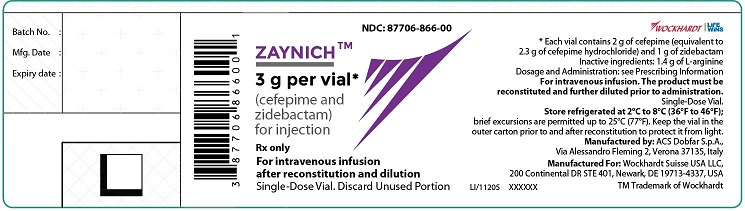
Package Label.Principal Display Panel

VIAL LABEL

NDC: 87706-866-00

single-dose vial

Zaynich™ 3 g per vial*

(cefepime and zidebactam)

for injection

For intravenous infusion

after reconstitution and dilution

Rx only

WOCKHARDT

Vial Label (493333a7 53d2 4668 8c9d Da6063267030 03)

Vial Label (493333a7 53d2 4668 8c9d Da6063267030 03)

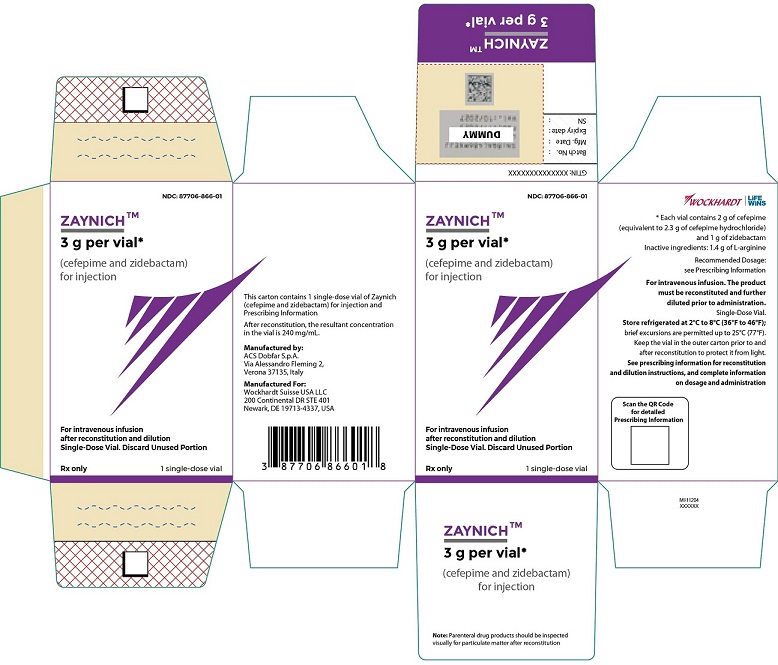
MONO CARTON

NDC: 87706-866-01

1 single-dose vial

Zaynich™ 3 g per vial*

(cefepime and zidebactam)

for injection

For intravenous infusion

after reconstitution and dilution

Rx only

WOCKHARDT

Mono Carton (493333a7 53d2 4668 8c9d Da6063267030 04)

Mono Carton (493333a7 53d2 4668 8c9d Da6063267030 04)

* Please review the disclaimer below.