10% Azelaic Acid Cream
Product Images NDC 87815-002

View Photos of Packaging, Regulatory Labels, and Product Appearance

Product Visual Gallery

This gallery contains 2 technical images submitted to the FDA as part of the official labeling for 10% Azelaic Acid (NDC 87815-002). Unlike standard consumer photos, these assets often include clinical data figures, molecular chemical structures, and official manufacturer packaging layouts.

As provided by Guangzhou Ariel Medical Technology Co., Ltd., these visuals offer a comprehensive scientific overview of the product's physical and chemical identity, aiding pharmacists and researchers in product verification and study.

FDA Label Image

10azelaic Acid (10azelaic Acid)
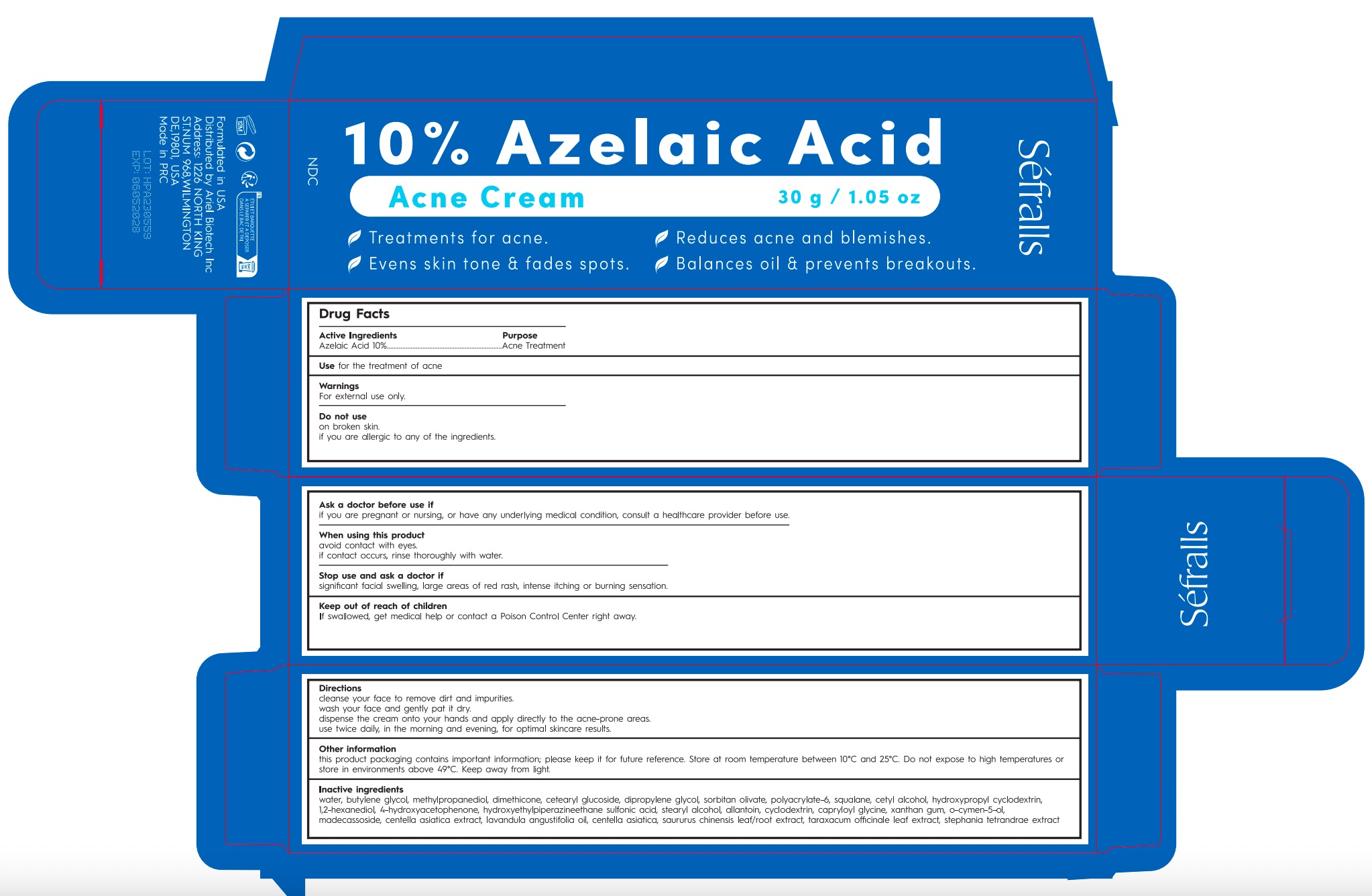
10azelaic Acid (10azelaic Acid)
This text provides information about an Acne Cream that contains Azelaic Acid as its active ingredient. The cream is designed to treat acne, reduce blemishes, even skin tone, fade spots, balance oil, and prevent breakouts. The directions involve cleansing the face, applying the cream to acne-prone areas twice daily, and storing the product at room temperature. It also includes warnings, information on inactive ingredients, and precautions to take while using the product, such as avoiding contact with eyes.*
FDA Label Image

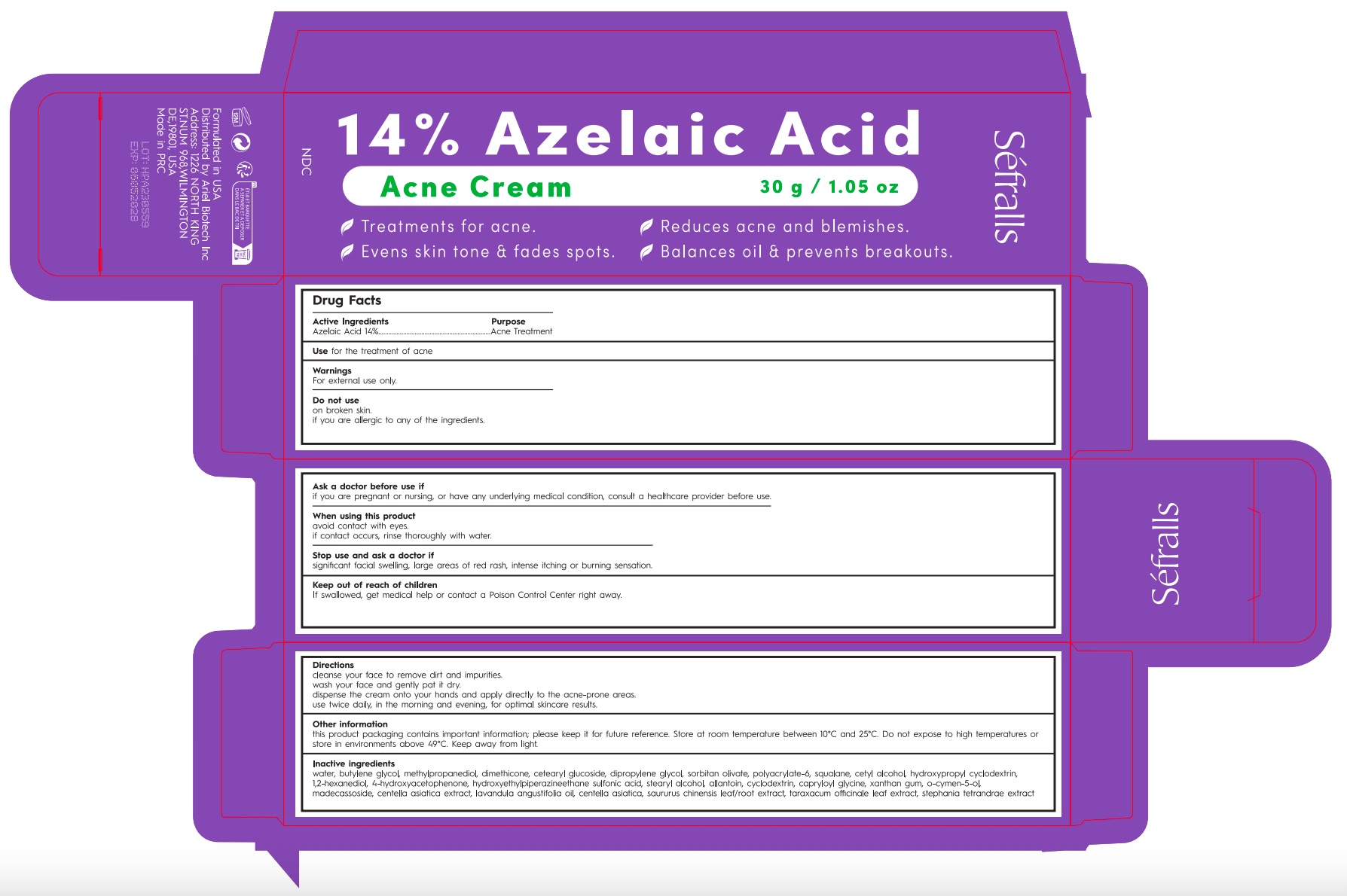
14azelaic Acid (14azelaic Acid)

14azelaic Acid (14azelaic Acid)
This is a description of an acne cream. The product is designed to treat acne by reducing blemishes and balancing oil to prevent breakouts. It also helps even skin tone and fade spots. The cream contains active ingredient Azelaic Acid for acne treatment. Users are advised to apply the cream to clean, dry skin twice daily for optimal results. The cream should not be used on broken skin or if allergic to any ingredients. Additionally, users should avoid contact with eyes and consult a healthcare provider if pregnant or nursing. The packaging contains important information and should be stored at room temperature away from high temperatures or light.*

* These product label images have been analyzed using experimental machine learning. Please verify findings with the primary label text.