Winrevair Kit
Product Images NDC 0006-5091

View Photos of Packaging, Regulatory Labels, and Product Appearance

Product Visual Gallery

This gallery contains 100 technical images submitted to the FDA as part of the official labeling for Winrevair (NDC 0006-5091). Unlike standard consumer photos, these assets often include clinical data figures, molecular chemical structures, and official manufacturer packaging layouts.

As provided by Merck Sharp & Dohme Llc, these visuals offer a comprehensive scientific overview of the product's physical and chemical identity, aiding pharmacists and researchers in product verification and study.

Product Images & Figures Index

FDA Label Image

Figure 1 (Winrevair 01)

Figure 1 (Winrevair 01)
This text contains detailed information about a clinical trial evaluating the effectiveness of WINREVAIR versus Placebo in patients with different subgroups related to PAH Diagnosis Group, Congenital heart disease, WHO Functional Class, Baseline PVR levels, and various other parameters for analysis. The study also includes data on Prostacyclin infusion therapy at baseline and background therapy.*
FDA Label Image

Figure 2 (Winrevair 02)

Figure 2 (Winrevair 02)
This text contains information about a study comparing Placebo and WINREVAIR in relation to the time to the first occurrence of Death or PAH Clinical Worsening Event measured in weeks. It includes sample sizes for both Placebo and WINREVAIR groups, but detailed data is not provided. The data is presented in a table format with separate columns showing the number of occurrences and the timeline in weeks. The findings seem to focus on the comparison between these two treatments.*
FDA Label Image

Figure (Winrevair 03)

FDA Label Image

Figure (Winrevair 04)

FDA Label Image

Figure (Winrevair 05)

FDA Label Image

Figure (Winrevair 06)

FDA Label Image

Figure (Winrevair 07)

FDA Label Image

Figure (Winrevair 08)

FDA Label Image

Figure (Winrevair 09)

FDA Label Image

Figure (Winrevair 10)

FDA Label Image

Figure (Winrevair 100)

FDA Label Image

Figure (Winrevair 101)

Figure (Winrevair 101)
This text is not available.*
FDA Label Image

Figure (Winrevair 102)

FDA Label Image

Figure (Winrevair 103)

Figure (Winrevair 103)
This text provides instructions for evaluating medicine in vials before use. The medicine should be clear to slightly pearly and colorless to slightly brownish-yellow, free of clumps or powder, and without large bubbles. These guidelines are essential for ensuring the safety and efficacy of the medication administration process.*
FDA Label Image

Figure (Winrevair 104)

Figure (Winrevair 104)
This text provides instructions on how to remove excess air by pulling the plunger upwards.*
FDA Label Image

Figure (Winrevair 105)

FDA Label Image

Figure (Winrevair 106)

FDA Label Image

Figure (Winrevair 107)

FDA Label Image

Figure (Winrevair 108)

FDA Label Image

Figure (Winrevair 109)

FDA Label Image

Figure (Winrevair 11)

FDA Label Image

Figure (Winrevair 110)

FDA Label Image

Figure (Winrevair 111)

FDA Label Image

Figure (Winrevair 112)

Figure (Winrevair 112)
This text seems to be instructions or guidelines related to using a dosing syringe and vial adapter. It instructs the user to push and twist until connected, ensure the dosing syringe contains 1.5 mL of air, and to hold the vial adapter. It likely pertains to a specific medical or pharmaceutical device or procedure.*
FDA Label Image

Figure (Winrevair 113)

FDA Label Image

Figure (Winrevair 114)

Figure (Winrevair 114)
This text provides instructions regarding the use of a dosing syringe, cautioning against pulling the plunger beyond 1.5 mL and advising to be careful not to pull the plunger out of the syringe.*
FDA Label Image

Figure (Winrevair 115)

Figure (Winrevair 115)
This text is not-readable.*
FDA Label Image

Figure (Winrevair 116)

Figure (Winrevair 116)
This text provides a safety warning not to touch the plunger to avoid spilling medicine.*
FDA Label Image

Figure (Winrevair 117)

Figure (Winrevair 117)
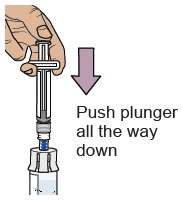
This is a set of instructions for using a plunger. It mentions pushing the plunger all the way down and holding it in place. The plunger is likely being used for unclogging drains or pipes.*
FDA Label Image

Figure (Winrevair 118)

Figure (Winrevair 118)
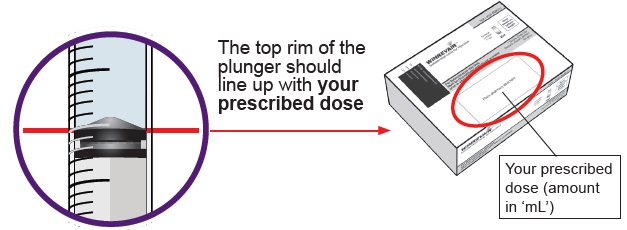
This text provides instructions for using a dosing syringe for medication. It explains that the top rim of the plunger should align with the prescribed dose in milliliters (mL) indicated on the syringe. Each line on the syringe represents 0.1 mL.*
FDA Label Image

Figure (Winrevair 119)

FDA Label Image

Figure (Winrevair 12)

FDA Label Image

Figure (Winrevair 120)

Figure (Winrevair 120)
This text is explaining the importance of removing large bubbles and air pockets to ensure an accurate dose. It notes that small bubbles are acceptable.*
FDA Label Image

Figure (Winrevair 121)

FDA Label Image

Figure (Winrevair 122)

Figure (Winrevair 122)
This text provides guidance on how to properly align the plunger to administer a prescribed dose in milliliters. It emphasizes matching the top rim of the plunger with the recommended dosage, ensuring accurate administration.*
FDA Label Image

Figure (Winrevair 123)

Figure (Winrevair 123)
This text provides instructions on how to handle a used vial by throwing it away and holding the plunger in place.*
FDA Label Image

Figure (Winrevair 124)

FDA Label Image

Figure (Winrevair 125)

Figure (Winrevair 125)
This text is not readable.*
FDA Label Image

Figure (Winrevair 126)

FDA Label Image

Figure (Winrevair 127)

FDA Label Image

Figure (Winrevair 128)

FDA Label Image

Figure (Winrevair 129)

FDA Label Image

Figure (Winrevair 13)

FDA Label Image

Figure (Winrevair 130)

FDA Label Image

Figure (Winrevair 131)

FDA Label Image

Figure (Winrevair 132)

FDA Label Image

Figure (Winrevair 133)

FDA Label Image

Principal Display Panel (45 mg Vial Carton)

FDA Label Image

Principal Display Panel (60 mg Vial Carton)

Principal Display Panel (60 mg Vial Carton)
This text provides detailed information about a medicine called WINREVAIR™, intended for subcutaneous use. The text contains instructions on storage, dosage, components of the medication, and details about the single-dose vial contents. It emphasizes not freezing the product until ready for use, storing it between 2°C to 8°C, and keeping it out of reach of children. Additional details include components like sotatercept-csrk and administration instructions with specific measurements and materials provided in the package.*
FDA Label Image

Principal Display Panel (45 mg Vial Carton)

Principal Display Panel (45 mg Vial Carton)
This document provides detailed instructions and information about a medication called WINREVAIRâ„¢ (sotatercept-csk) for injection. It includes details on storage conditions, dosage guidelines, composition of the medication, and components of the packaging. The text also emphasizes the need for proper reconstitution before administration and notes that it is for subcutaneous use only. It is essential to follow the provided directions carefully for the preparation and usage of WINREVAIRâ„¢.*
FDA Label Image

Principal Display Panel (60 mg Vial Carton)

FDA Label Image

Figure (Winrevair 14)

FDA Label Image

Figure (Winrevair 15)

FDA Label Image

Figure (Winrevair 16)

FDA Label Image

Figure (Winrevair 17)

FDA Label Image

Figure (Winrevair 18)

FDA Label Image

Figure (Winrevair 19)

FDA Label Image

Figure (Winrevair 20)

FDA Label Image

Figure (Winrevair 21)

FDA Label Image

Figure (Winrevair 22)

FDA Label Image

Figure (Winrevair 23)

FDA Label Image

Figure (Winrevair 24)

FDA Label Image

Figure (Winrevair 25)

FDA Label Image

Figure (Winrevair 26)

FDA Label Image

Figure (Winrevair 27)

FDA Label Image

Figure (Winrevair 28)

FDA Label Image

Figure (Winrevair 29)

Figure (Winrevair 29)
A reminder to use items located in the top tray of a container, box, or storage unit for convenience and easy access. This can help in staying organized and efficient while handling various tasks.*
FDA Label Image

Figure (Winrevair 30)

FDA Label Image

Figure (Winrevair 31)

Figure (Winrevair 31)
This description can be used to check the condition of medicine powder. It prompts the reader to ensure that the powder is not damaged, does not contain colored particles, and is not expired. The expiration date is mentioned as a crucial element to consider.*
FDA Label Image

Figure (Winrevair 32)

Figure (Winrevair 32)
Rubber stopper*
FDA Label Image

Figure (Winrevair 33)

FDA Label Image

Figure (Winrevair 34)

Figure (Winrevair 34)
This text provides instructions on how to attach a vial adapter. It instructs to hold the blue neck of the adapter and not to hold the bottom of the adapter.*
FDA Label Image

Figure (Winrevair 35)

FDA Label Image

Figure (Winrevair 36)

FDA Label Image

Figure (Winrevair 37)

FDA Label Image

Figure (Winrevair 38)

Figure (Winrevair 38)
The text provided is not coherent and seems to contain errors. The content is not readable.*
FDA Label Image

Figure (Winrevair 39)

Figure (Winrevair 39)
This text provides instructions on how to connect an item by pushing and twisting it. The reader is advised to not push the plunger to avoid spilling water.*
FDA Label Image

Figure (Winrevair 40)

Figure (Winrevair 40)
This text provides instructions for the proper transfer of sterile water into a vial. It advises to ensure all sterile water is transferred to the vial and to slowly push the plunger all the way down. This guidance helps maintain a sterile environment and accurately dispense the water.*
FDA Label Image

Figure (Winrevair 41)

FDA Label Image

Figure (Winrevair 42)

FDA Label Image

Figure (Winrevair 43)

Figure (Winrevair 43)
This text provides instructions on how to use a plunger: Push the plunger all the way down.*
FDA Label Image

Figure (Winrevair 44)

FDA Label Image

Figure (Winrevair 45)

Figure (Winrevair 45)
This text provides guidelines for evaluating the appearance of medicine in a vial before use. It advises that the medicine should be clear to slightly pearly and colorless to slightly brownish-yellow. Additionally, it should not contain clumps or powder and should not have large bubbles. These checks ensure the medicine's quality and readiness for administration.*
FDA Label Image

Figure (Winrevair 46)

Figure (Winrevair 46)
This text provides instructions on how to remove extra air by pulling the plunger upwards.*
FDA Label Image

Figure (Winrevair 47)

FDA Label Image

Figure (Winrevair 48)

FDA Label Image

Figure (Winrevair 49)

Figure (Winrevair 49)
This text advises using items from the bottom tray.*
FDA Label Image

Figure (Winrevair 50)

FDA Label Image

Figure (Winrevair 51)

Figure (Winrevair 51)
This is a safety reminder to not touch the tip of the dosing syringe to maintain cleanliness and prevent contamination.*
FDA Label Image

Figure (Winrevair 52)

Figure (Winrevair 52)
This text provides instructions for properly using a medical kit with a plunger. It guides the user to pull the plunger until the top rim is at the prescribed dose in mL indicated on the kit.*
FDA Label Image

Figure (Winrevair 53)

Figure (Winrevair 53)
This text provides instructions for using a dosing syringe when connecting it to a vial with medication. It mentions pushing, twisting until connected, ensuring the syringe contains the right amount of air, and using the prescribed adapter for dosing.*
FDA Label Image

Figure (Winrevair 54)

FDA Label Image

Figure (Winrevair 55)

Figure (Winrevair 55)
This text provides guidance on how to use a dosing syringe properly. It suggests that the top rim of the plunger should align with your prescribed dose, which is indicated in liters on the kit. It also mentions that each line on the dosing syringe represents 0.1 mL.*
FDA Label Image

Figure (Winrevair 56)

Figure (Winrevair 56)
Large air bubbles 2 - This product is designed to create large air bubbles for aerating water in fish tanks, ponds, or other aquatic environments. It is easy to install and helps to improve water quality by increasing oxygen levels. The large bubbles produced by this item can also help to enhance the visual appeal of water features in your aquatic setup.*
FDA Label Image

Figure (Winrevair 57)

Figure (Winrevair 57)
This text provides guidance on how to properly administer a dose of medication. It suggests that large bubbles and air pockets should be removed to ensure an accurate dosage, while small bubbles are acceptable.*
FDA Label Image

Figure (Winrevair 58)

FDA Label Image

Figure (Winrevair 59)

Figure (Winrevair 59)
This text provides instructions on how to properly align the top rim of the plunger with your prescribed dose in milliliters (mL).*
FDA Label Image

Figure (Winrevair 60)

Figure (Winrevair 60)
This text provides instructions to discard a used vial and reminds to hold the plunger in place.*
FDA Label Image

Figure (Winrevair 61)

FDA Label Image

Figure (Winrevair 62)

Figure (Winrevair 62)
This text advises not to touch the connection hub of the needle.*

* These product label images have been analyzed using experimental machine learning. Please verify findings with the primary label text.