Liraglutide Injection
Product Images NDC 0480-3667

27 FDA label images from Teva Pharmaceuticals Usa, Inc. · Packaging, Regulatory Labels, and Product Appearance

Product Visual Gallery

This gallery contains 27 technical images submitted to the FDA as part of the official labeling for Liraglutide (NDC 0480-3667). Unlike standard consumer photos, these assets often include clinical data figures, molecular chemical structures, and official manufacturer packaging layouts.

As provided by Teva Pharmaceuticals Usa, Inc., these visuals offer a comprehensive scientific overview of the product's physical and chemical identity, aiding pharmacists and researchers in product verification and study.

FDA Label Image

Figure_1 (Figure 1)

Figure_1 (Figure 1)
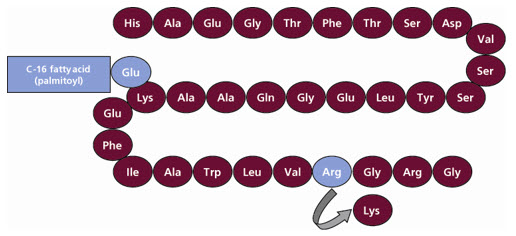
Chemical structure diagram of liraglutide illustrating the amino acid sequence and the attachment of a C-16 fatty acid (palmitoyl) group. The sequence is shown with individual amino acids represented as labeled circles, highlighting key residues in the peptide chain.*
FDA Label Image

Figure-2 (Figure 2)

Figure-2 (Figure 2)
A line graph comparing ISR (pmol/kg/min) versus plasma glucose (mg/dL) for Liraglutide and placebo. The graph shows Liraglutide data points as black diamonds and placebo as gray triangles, illustrating increasing ISR values with higher plasma glucose levels for both groups, with Liraglutide demonstrating consistently higher ISR across the range.*
FDA Label Image

Figure_3 (Figure 3)

Figure_3 (Figure 3)
A line graph comparing mean HbA1c (%) levels over 52 weeks among three groups: Glimepiride, Liraglutide 1.2 mg, and Liraglutide 1.8 mg. The x-axis represents time in weeks, while the y-axis shows mean HbA1c percentage. The graph depicts initial decreases in HbA1c for all groups, with Liraglutide 1.8 mg maintaining the lowest levels over time.*
FDA Label Image

Figure_4 (Figure 4)

Figure_4 (Figure 4)
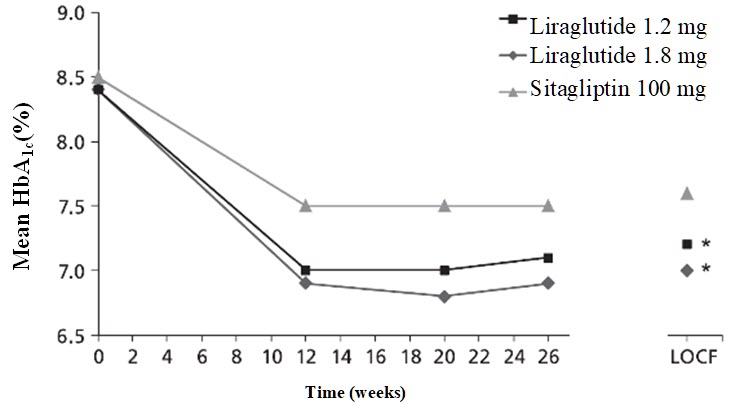
Line graph showing mean HbA1c (%) over time (weeks) comparing Liraglutide 1.2 mg, Liraglutide 1.8 mg, and Sitagliptin 100 mg. The graph indicates changes in HbA1c level across a 26-week period for these drug treatments.*
FDA Label Image

Figure-5 (Figure 5)

Figure-5 (Figure 5)
A Kaplan-Meier curve comparing the percentage of patients with an event over time between Liraglutide and placebo groups, measured in months from randomization. The graph shows a lower event rate in the Liraglutide group versus placebo. Patient numbers at risk at various time points are listed below the x-axis. Hazard ratio (HR) and confidence interval (CI) are noted on the graph.*
FDA Label Image

Pen_and_needle_example (Pen And Needle Example)

Pen_and_needle_example (Pen And Needle Example)
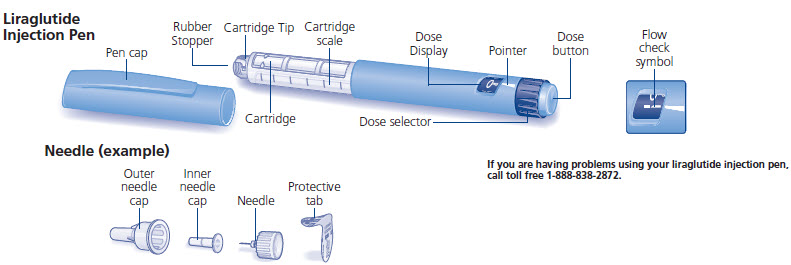
An instructional diagram of the Liraglutide Injection Pen showing labeled parts including the pen cap, rubber stopper, cartridge tip, cartridge scale, dose display, pointer, dose button, dose selector, and flow check symbol. It also includes a detailed view of the needle components: outer needle cap, inner needle cap, needle, and protective tab. A contact number for user assistance is provided.*
FDA Label Image

Image_a (Image A)

Image_a (Image A)
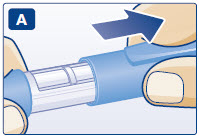
Illustration showing a close-up of hands preparing a Liraglutide injection pen by removing the cap. The image visually guides the user on how to expose the injection needle before administering the subcutaneous injection.*
FDA Label Image

Image_b (Image B)

Image_b (Image B)
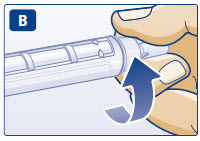
An instructional illustration labeled 'B' depicts a hand holding a liraglutide injection pen, showing the action of lifting or removing a cap or cover from the pen device. The image suggests preparation steps for subcutaneous injection of liraglutide 6 mg/mL by Teva Pharmaceuticals USA, Inc.*
FDA Label Image

Image_c (Image C)

Image_c (Image C)
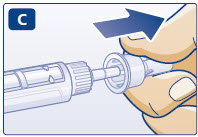
An instructional illustration showing a hand preparing a subcutaneous injection using a prefilled syringe or pen device. The image demonstrates pulling a cap or cover off the needle prior to injection, which is part of proper preparation for administering liraglutide injection.*
FDA Label Image

Image_d (Image D)

Image_d (Image D)
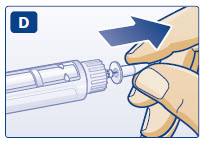
An instructional illustration showing a hand placing a small round object onto the tip of a pen-style injection device, indicated by a directional arrow suggesting the action to apply or attach the object to the device.*
FDA Label Image

Image_e (Image E)

Image_e (Image E)
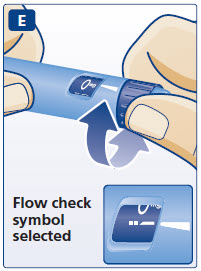
An instructional illustration showing a close-up of a hand manipulating a dose dial on a Liraglutide injection pen. It highlights the selection of the flow check symbol (0 mg) with an arrow indicating the dial rotation needed to reach this setting, accompanied by an inset image showing the symbol on the device display.*
FDA Label Image

Image_f (Image F)

Image_f (Image F)
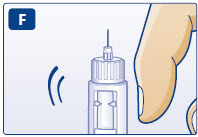
An instructional illustration showing a finger pressing the top of an injection pen device. The image emphasizes a shaking or vibrating motion indicated by curved lines next to the pen. This likely demonstrates preparation steps for the liraglutide injection pen prior to subcutaneous administration.*
FDA Label Image

Image_g (Image G)

Image_g (Image G)
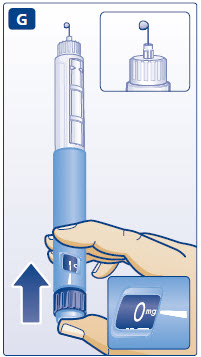
An instructional illustration showing a hand holding a liraglutide injection pen. The image demonstrates pulling off the cap from the pen, with a close-up inset highlighting the pen's dosage display set to 0 mg and another showing details of the pen's needle cover.*
FDA Label Image

Image_h (Image H)

Image_h (Image H)
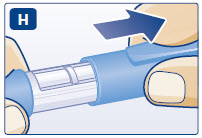
An instructional illustration showing hands preparing a Liraglutide injection pen for use. The image focuses on removing or attaching the pen cap, indicated by an arrow, as part of the subcutaneous injection preparation process.*
FDA Label Image

Image_i (Image I)

Image_i (Image I)
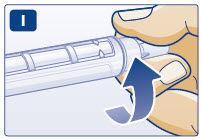
An instructional illustration showing a hand lifting or peeling a protective cap or cover from a subcutaneous injection pen device. The image is labeled with a number '1' in the upper left corner, suggesting it is the first step in the user guide for preparing the liraglutide injection pen for use.*
FDA Label Image

Image_j (Image J)

Image_j (Image J)
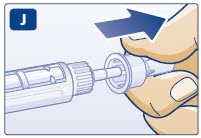
An instructional diagram showing a hand removing the cap from a prefilled injection pen, indicating preparation for subcutaneous injection. A blue arrow guides the removal motion.*
FDA Label Image

Image_k (Image K)

Image_k (Image K)
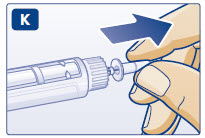
Illustration showing a hand attaching a small needle cap or tip onto a pen injector device. The image demonstrates the step of preparing the injection pen for subcutaneous administration, indicated by an arrow guiding the placement of the cap.*
FDA Label Image

Image_l (Image L)

Image_l (Image L)
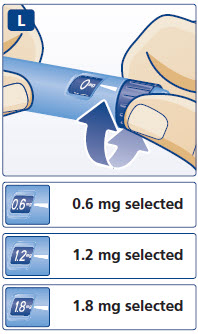
An illustration showing a person adjusting the dose selection on a Liraglutide injection pen. The image indicates how to select doses of 0.6 mg, 1.2 mg, and 1.8 mg by turning the dial at the pen's end, with arrows emphasizing the adjustment mechanism.*
FDA Label Image

Image_m (Image M)

Image_m (Image M)
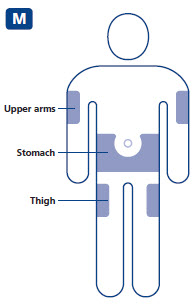
An instructional diagram of a human figure indicating recommended subcutaneous injection sites for liraglutide. The marked areas include the upper arms, stomach (abdomen), and thigh.*
FDA Label Image

Image_n (Image N)

Image_n (Image N)
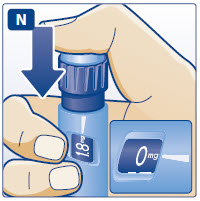
Illustration showing a hand holding a liraglutide 6 mg/mL injection pen with an arrow indicating to press down on the dose selector. An inset shows a close-up of the dose window displaying '0 mg', indicating the starting position before setting a dose.*
FDA Label Image

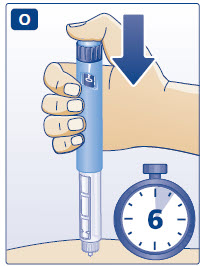
Image_o (Image O)

Image_o (Image O)
An instructional illustration showing a hand holding a liraglutide injection pen, with an arrow pointing downward towards the injection site. A small clock icon indicates a 6-second duration, likely representing the recommended injection time.*
FDA Label Image

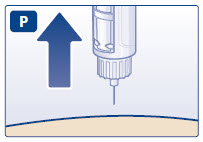
Image_p (Image P)

Image_p (Image P)
An instructional illustration showing a subcutaneous injection being administered. The image includes a syringe with a needle inserted into the skin and an arrow pointing upward with a 'P' symbol, indicating the correct direction or step for injection. No text or branding is visible.*
FDA Label Image

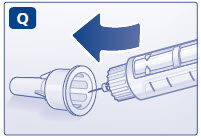
Image_q (Image Q)

Image_q (Image Q)
An instructional illustration showing how to attach a needle to a subcutaneous injection pen, with an arrow indicating the direction to connect the needle to the pen device.*
FDA Label Image

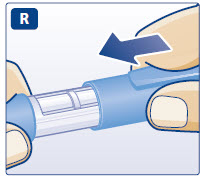
Image_r (Image R)

Image_r (Image R)
An instructional illustration showing a hand holding a blue injection pen for subcutaneous use, with an arrow indicating to slide or remove a transparent protective cap from the pen's needle area.*
FDA Label Image

Pen_image (Pen Image)

Pen_image (Pen Image)
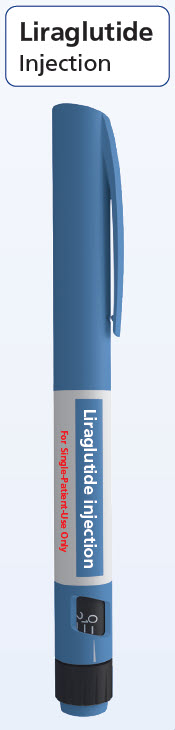
Liraglutide injection pen showing a blue-colored device labeled for single-patient use, with a visible dose window. The pen is used for subcutaneous injection and is provided by Teva Pharmaceuticals USA, Inc.*
FDA Label Image

Carton_2pack (Carton 2pack)

Carton_2pack (Carton 2pack)
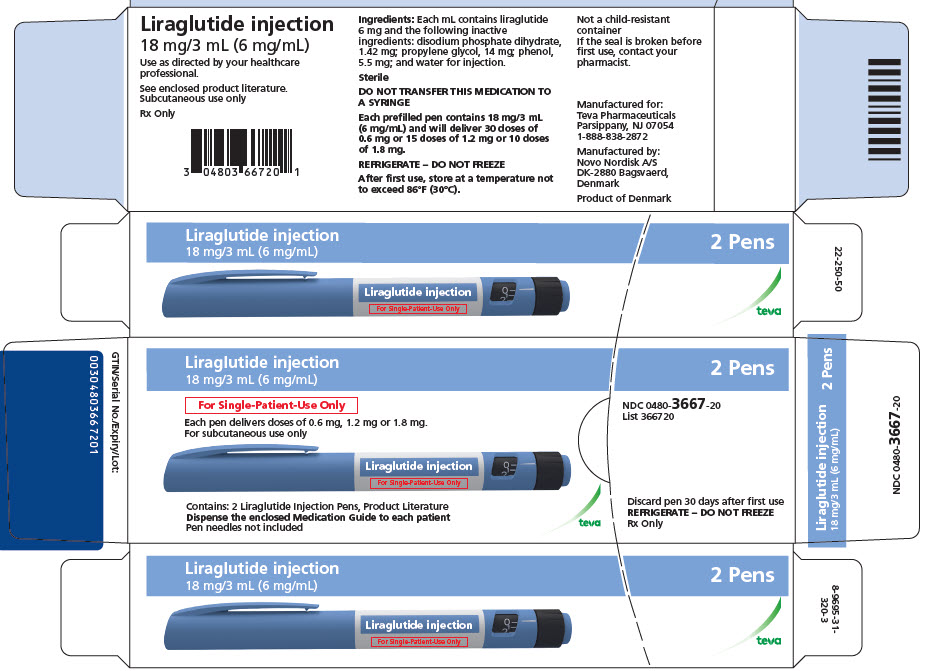
Packaging label for Liraglutide injection 18 mg/3 mL (6 mg/mL), a subcutaneous injection by Teva Pharmaceuticals USA, Inc. The box contains 2 prefilled pens, each delivering doses of 0.6 mg, 1.2 mg, or 1.8 mg. The label displays a blue pen image, usage instructions including refrigeration details, and the NDC 0480-3667.*
FDA Label Image

Carton_3pack (Carton 3pack)

Carton_3pack (Carton 3pack)
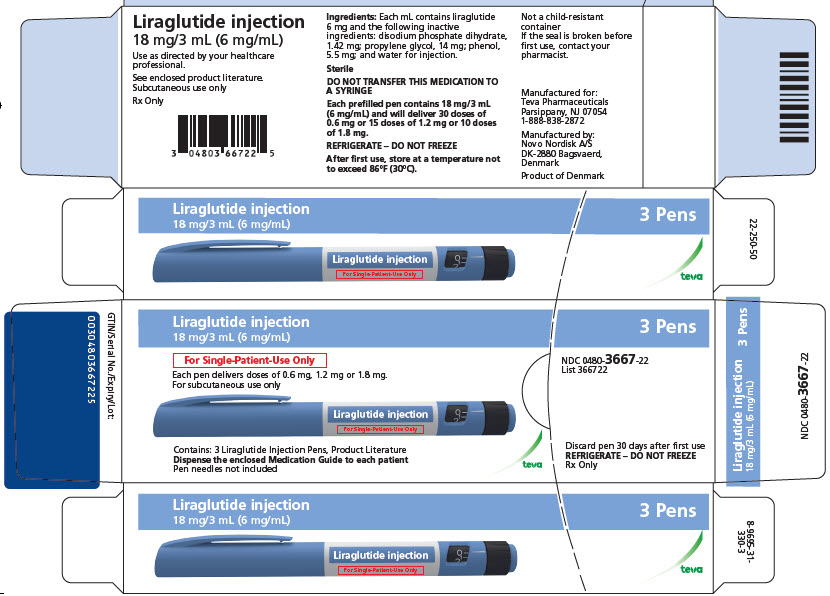
Liraglutide injection 18 mg/3 mL (6 mg/mL) packaging label for subcutaneous injection by Teva Pharmaceuticals USA, Inc. The carton is designed for a package of 3 prefilled pens, each pen delivering 30 doses of 0.6 mg, 15 doses of 1.2 mg, or 10 doses of 1.8 mg. Label includes storage instructions to refrigerate and not freeze, warns against transferring medication to a syringe, and notes single-patient use only. Includes product ingredients and manufacturer details.*

* About these descriptions: Image descriptions on this page are generated by automated AI analysis of the product label images from the manufacturer's FDA label submission (SPL). They are provided for reference only and may contain errors or omissions. Always rely on the printed label itself and the official FDA labeling, and consult a pharmacist or healthcare professional with any questions about this product.