Gwyn Lo Patch
Product Images NDC 49502-627

View Photos of Packaging, Regulatory Labels, and Product Appearance

Product Visual Gallery

This gallery contains 17 technical images submitted to the FDA as part of the official labeling for Gwyn Lo (NDC 49502-627). Unlike standard consumer photos, these assets often include clinical data figures, molecular chemical structures, and official manufacturer packaging layouts.

As provided by Viatris Specialty Llc, these visuals offer a comprehensive scientific overview of the product's physical and chemical identity, aiding pharmacists and researchers in product verification and study.

FDA Label Image

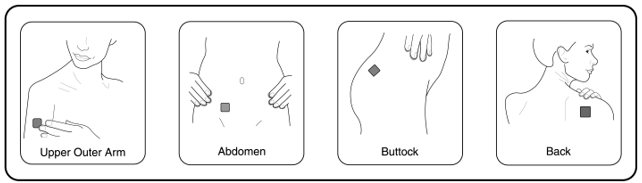
Choosing A Place On The Body To Put The Tds (Image 01)
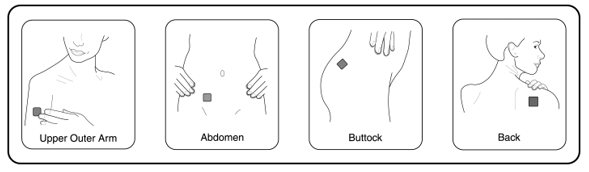
Choosing A Place On The Body To Put The Tds (Image 01)
An instructional diagram showing four recommended application sites for the Gwyn Lo transdermal patch: upper outer arm, abdomen, buttock, and back. Each site is illustrated with a simplified human figure highlighting the patch placement area on the body.*
FDA Label Image

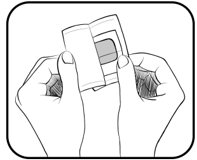
Tear Open The Pouch At The Top Edge (Image 02)

Tear Open The Pouch At The Top Edge (Image 02)
An instructional illustration showing hands demonstrating the removal of a transdermal patch from its protective packaging. The image depicts the process of peeling the patch off the backing before application.*
FDA Label Image

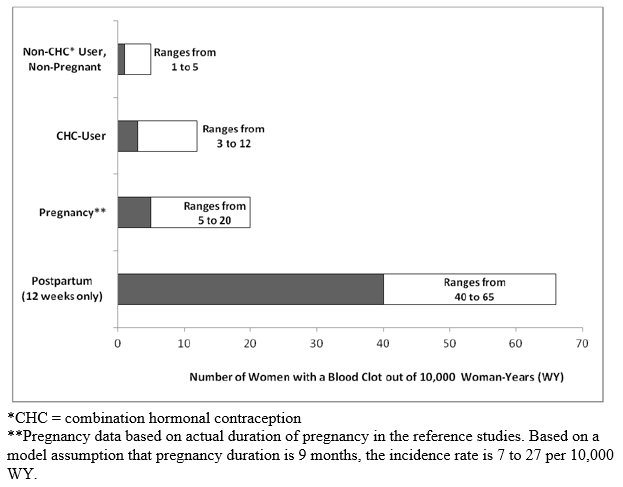
Figure 1: Likelihood Of Developing A Vte Within One Year Among Pregnant And Non-pregnant Women (Image 03)

Figure 1: Likelihood Of Developing A Vte Within One Year Among Pregnant And Non-pregnant Women (Image 03)
A horizontal bar chart showing the estimated number of women with a blood clot per 10,000 woman-years (WY) across four groups: Non-CHC users non-pregnant (1 to 5 cases), CHC users (3 to 12 cases), pregnant women (5 to 20 cases), and postpartum women (12 weeks only) with the highest range from 40 to 65 cases. Explanatory notes define CHC as combination hormonal contraception and clarify pregnancy data assumptions.*
FDA Label Image

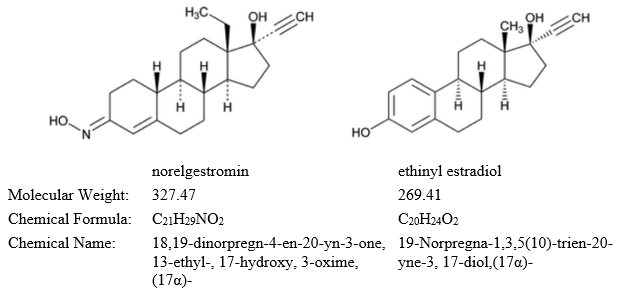
Norelgestromin And Ethinyl Estradiol Structural Formula (Image 04)

Norelgestromin And Ethinyl Estradiol Structural Formula (Image 04)
Chemical structure diagrams of the active ingredients norelgestromin and ethinyl estradiol. The image includes molecular weights, chemical formulas, and partial chemical names for each compound, depicting the steroidal backbone and functional groups of both molecules.*
FDA Label Image

Ifu, Figure A (Image 05)

Ifu, Figure A (Image 05)
An instructional diagram illustrating placement sites for the Gwyn Lo transdermal patch, showing four recommended areas on the body: upper outer arm, abdomen, buttock, and back.*
FDA Label Image

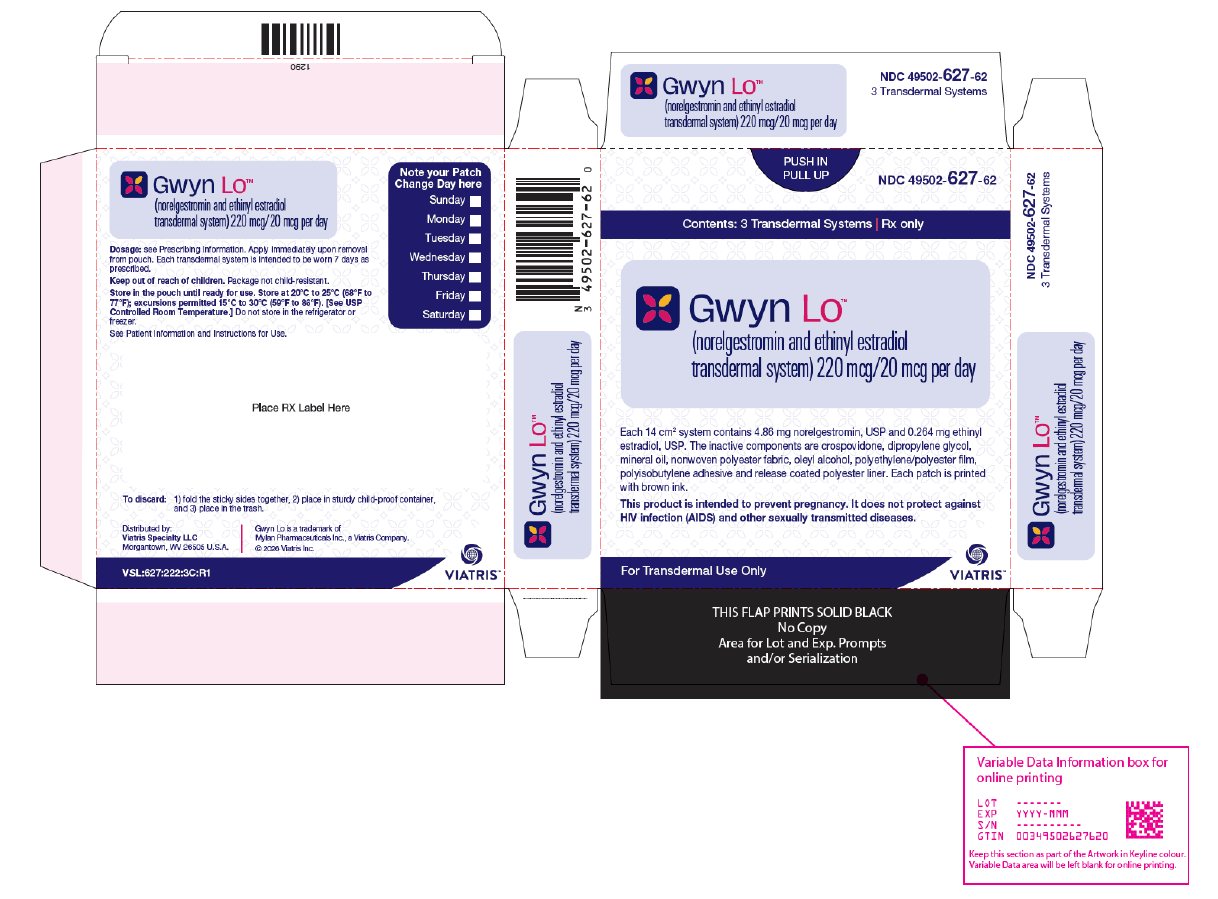
Gwyn Lo 220 Mcg/20 Mcg Container Label (Image 06)

Gwyn Lo 220 Mcg/20 Mcg Container Label (Image 06)
The packaging label for Gwyn Lo transdermal system patch, containing norelgestromin and ethinyl estradiol at 220 mcg/20 mcg per day. The label shows a box containing 3 transdermal systems, distributed by Viatris Specialty LLC. Prominent text includes the product name, active ingredients, dosage strength, and usage instructions. The packaging also features a section to mark patch change days and instructions for disposal, with safety and storage information included.*
FDA Label Image

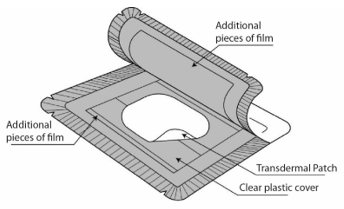
Instructions For Use: Patch Parts (Image 07)

Instructions For Use: Patch Parts (Image 07)
An instructional illustration depicting a transdermal patch with a clear plastic cover and additional pieces of film on the sides, showing how the patch is packaged or applied.*
FDA Label Image

Hold The Tds With The Clear Plastic Facing You (Image 08)

Hold The Tds With The Clear Plastic Facing You (Image 08)
An instructional illustration showing a person peeling a protective backing off a transdermal patch using both hands. The image demonstrates the proper removal of the release liner from the patch before application.*
FDA Label Image

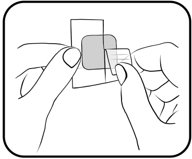
Instructions For Use: Figure B (Image 09)

Instructions For Use: Figure B (Image 09)
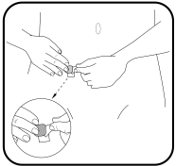
An instructional illustration depicting hands opening a small rectangular packet, presumably to remove a transdermal patch for application. The image focuses on the action of peeling open the packaging to access the patch inside.*
FDA Label Image

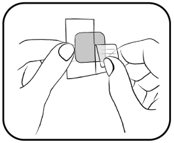
Instructions For Use: Figure C (Image 10)

Instructions For Use: Figure C (Image 10)
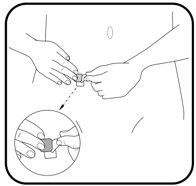
Illustration showing hands peeling away the protective backing from a small transparent patch, demonstrating how to apply the transdermal patch product.*
FDA Label Image

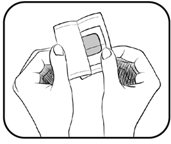
Instructions For Use: Figure D (Image 11)

Instructions For Use: Figure D (Image 11)
An instructional diagram showing hands peeling apart the protective liner of a transdermal patch. The illustration focuses on the process of separating the liner halves to prepare the patch for application, highlighting hand positioning and method to avoid touching the adhesive surface.*
FDA Label Image

Apply The Sticky Side Of The Tds (Image 12)

Apply The Sticky Side Of The Tds (Image 12)
An instructional illustration showing how to apply a transdermal patch to the skin. The image depicts hands peeling the backing off the patch with an inset close-up of the patch being positioned on the skin, highlighting proper application technique.*
FDA Label Image

Press Firmly On The Tds (Image 13)

Press Firmly On The Tds (Image 13)
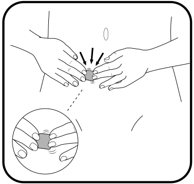
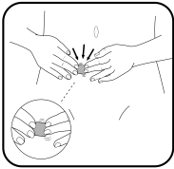
Instructional illustration showing hands applying a transdermal patch on skin, specifically demonstrating the placement and pressing of the patch. An inset shows a close-up view of the patch application to emphasize proper adhesion technique.*
FDA Label Image

Instructions For Use: Figure E (Image 14)

Instructions For Use: Figure E (Image 14)
An instructional illustration showing hands peeling apart a transdermal patch. The focus is on separating the protective liner from the patch, indicated by detailed hands and a close-up inset of the patch edges being pulled apart.*
FDA Label Image

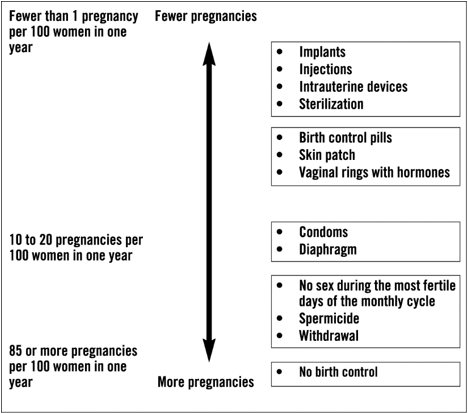
Patient Information: Chance Of Getting Pregnant For Women Who Use Different Methods Of Birth Control (Image 15)

Patient Information: Chance Of Getting Pregnant For Women Who Use Different Methods Of Birth Control (Image 15)
A vertical chart illustrating pregnancy rates associated with different contraceptive methods. The y-axis indicates pregnancy frequency from '85 or more pregnancies per 100 women in one year' at the bottom to 'Fewer than 1 pregnancy per 100 women in one year' at the top. Various contraception methods are categorized in boxes along this scale, from no birth control (highest pregnancies) to implants and sterilization (lowest pregnancies).*
FDA Label Image

Patient Information: Calendar (Image 16)

Patient Information: Calendar (Image 16)
A calendar-style diagram illustrating a 4-week patch application schedule. Weeks 1 to 3 show daily boxes with an arrow indicating continuous patch use for each week. Week 4 features a large 'X' symbol and the text 'NO PATCH,' indicating no patch application during that week.*
FDA Label Image

Likelihood Of Developing A Serious Blood Clot (venous Thromboembolism [vte]) (Image 17)

Likelihood Of Developing A Serious Blood Clot (venous Thromboembolism [vte]) (Image 17)
A bar chart depicting the number of women with a blood clot per 10,000 woman-years across four groups: Non-CHC users/non-pregnant, CHC users, pregnant women, and postpartum women (12 weeks). The chart shows ranges of risk, with postpartum women having the highest risk range, followed by pregnant women, CHC users, and non-CHC users/non-pregnant.*

* About these descriptions: Image descriptions on this page are generated by automated AI analysis of the product label images from the manufacturer's FDA label submission (SPL). They are provided for reference only and may contain errors or omissions. Always rely on the printed label itself and the official FDA labeling, and consult a pharmacist or healthcare professional with any questions about this product.