Gwyn Lo Patch
FDA Label NDC 49502-627

Full FDA labeling including Indications, Dosage, Usage, and Precautions

Structured Product Label

The following Structured Product Label (SPL) was submitted to the FDA by Viatris Specialty Llc for the product Gwyn Lo (NDC 49502-627). This document serves as the official prescribing information, containing essential scientific data and clinical materials required for healthcare providers and patients.

This specific version of the label includes detailed information regarding warning: cigarette smoking and serious cardiovascular events and contraindicated in women with a bmi ≥ 30 kg/m2, 1 indications and usage, 2.1 important dosage and administration information, 2.2 recommended dosage and administration, 2.3 how to start using gwyn lo, gwyn lo use after childbirth, gwyn lo use after abortion or miscarriage, 2.4 administration instructions, and other regulatory disclosures. Use the navigation below to review specific sections of the FDA submission.

Label Section Quick Index

Warning: Cigarette Smoking And Serious Cardiovascular Events And Contraindicated In Women With A Bmi ≥ 30 Kg/M2

Cigarette Smoking and Serious Cardiovascular Events

Cigarette smoking increases the risk of serious cardiovascular events from hormonal contraceptive use. This risk increases with age, particularly in women over 35 years of age, and with the number of cigarettes smoked. For this reason, CHCs, including GWYN LO, are contraindicated in women who are over 35 years of age and smoke [see Contraindications (4) and Warnings and Precautions (5.1)].


Contraindicated in Women with a BMI ≥ 30 kg/m2

GWYN LO is contraindicated in women with a BMI ≥ 30 kg/m2. The risk of VTE may be greater with GWYN LO in women with a BMI > 30 kg/m2 compared to women with a lower BMI [see Contraindications (4) and Warnings and Precautions (5.1)].

1 Indications And Usage

GWYN LO is indicated for the prevention of pregnancy in women with a body mass index (BMI) < 30 kg/m2 for whom a combined hormonal contraceptive is appropriate.

2.1 Important Dosage And Administration Information

  • GWYN LO is for transdermal use only.
  • For patients switching between combination hormonal contraceptives, products may not be comparable on a microgram-per-microgram basis when evaluating the dosage and strength.
  • Conclusions on GWYN LO’s effectiveness and safety should not be based solely on dosage and strength [see Dosage Forms and Strengths (3), Adverse Reactions (6), and Clinical Studies (14)].

2.2 Recommended Dosage And Administration

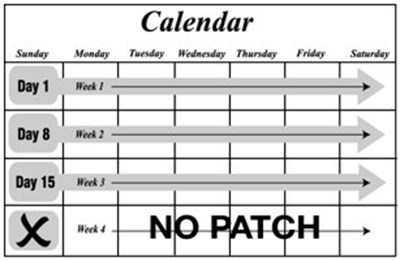
The GWYN LO transdermal system (TDS) is used in a 28-day (4-week) cycle. The GWYN LO dosage is norelgestromin 220 mcg/day and ethinyl estradiol 20 mcg/day. A new TDS is applied each week for 3 weeks (21 total days). Week 4 is TDS-free. Withdrawal bleeding is expected during this time.

Apply every new TDS on the same day of the week. This day is known as the “Patch Change Day.” For example, if the first TDS is applied on a Monday, all subsequent TDS should be applied on a Monday. Only one TDS should be worn at a time.

Do not cut, damage or alter the GWYN LO TDS in any way. If the GWYN LO TDS is cut, damaged or altered in size, contraceptive efficacy may be impaired.

On the day after Week 4 ends, a new 4-week cycle is started by applying a new TDS. Under no circumstances should there be more than a 7-day TDS-free interval between dosing cycles.

2.3 How To Start Using Gwyn Lo

There are multiple options for starting GWYN LO, and the woman should choose the option that is most appropriate (see Table 1):

Table 1: Dosage and Administration Instructions for Starting GWYN LO

Starting GWYN LO in women with no current use of hormonal contraception

Day 1 Start

  • Apply the TDS during the first 24 hours of her menstrual period. If a TDS is applied after the first 24 hours of menstruation, non-hormonal back-up contraception (such as condoms and spermicide, or diaphragm and spermicide) is needed for the first 7 days of the first cycle only.
  • Apply a new TDS each week for three weeks (21 total days). Apply the new TDS on the same day of the week. This day is known as the “Patch Change Day.” For example, if the first TDS is applied on a Monday, apply all subsequent transdermal systems on a Monday. Only one TDS should be worn at a time.
  • No TDS is worn during Week Four (the “Patch-Free Week”). Withdrawal bleeding is expected during this time.
  • On the day after Week 4 ends, start a new 4-week cycle by applying a new TDS. Under no circumstances should there be more than a 7-day TDS-free interval between dosing cycles.
  • Sunday Start

    • Apply the TDS after the onset of menses.
    • A non-hormonal backup method of birth control, such as a condom and spermicide or diaphragm and spermicide, is needed for the first 7 days of the first cycle only.
    • If the onset of menses is on a Sunday, apply the first TDS on that day, and no backup contraception is needed.

Starting GWYN LO in women switching from another hormonal contraceptive method or non-hormonal intrauterine systems

Oral combination hormonal contraception (oral CHC)

  • Apply the first GWYN LO TDS on the day when the new pack would have been started.
  • If menses does not begin within a week after taking the last active pill, instruct the woman to consult with a healthcare professional to be sure that pregnancy has not occurred. If no pregnancy has occurred, start GWYN LO.
    • If GWYN LO is applied more than a week after taking the last active pill, use a non-hormonal back-up contraception (such as condoms and spermicide, or diaphragm and spermicide) concurrently for the first 7 days of TDS use.

Transdermal system

  • Apply the first GWYN LO TDS on the day the next transdermal system cycle would normally start.
  • If menses does not begin within a week after removing the last TDS, instruct the woman to consult with a healthcare professional to be sure that pregnancy has not occurred. If no pregnancy has occurred, start GWYN LO.
  • If GWYN LO is applied more than a week after removal of the last TDS, use nonhormonal back-up contraception (such as condoms and spermicide, or diaphragm and spermicide) concurrently for the first 7 days of TDS use.

Vaginal ring

  • Apply the first GWYN LO TDS on the day she would normally insert her next vaginal ring.
  • If menses does not begin within a week after removing the last vaginal ring, instruct the woman to consult with a healthcare professional to be sure that pregnancy has not occurred. If no pregnancy has occurred, start GWYN LO.
  • If the GWYN LO TDS is applied more than a week after removal of the last vaginal ring, use a non-hormonal back-up contraception (such as condoms and spermicide, or diaphragm and spermicide) concurrently for the first 7 days of TDS use.

Injection

  • Apply the first GWYN LO TDS on the day the next injection would normally occur.

Intrauterine system (IUS)

  • Apply the first GWYN LO TDS on the day of IUS removal. If the IUS is not removed on the first day of the menstrual cycle, nonhormonal backup contraception (such as condoms and spermicide, or diaphragm and spermicide) should be used concurrently for the first 7 days of TDS use.

Implant

  • Apply the first GWYN LO TDS on the day of implant removal.

Progestin-only pill

  • Apply the first GWYN LO TDS on the day the next progestin-only pill cycle would normally start.

Gwyn Lo Use After Childbirth

Start GWYN LO in women who elect not to breastfeed no sooner than 4 weeks after childbirth due to increased risk of thromboembolism. If a woman begins using GWYN LO postpartum, and has not yet had a period, consider the possibility of ovulation and conception occurring prior to use of GWYN LO, and instruct her to use an additional method of contraception, such as a condom and spermicide or diaphragm and spermicide, for the first 7 days [see Warnings and Precautions (5.1) and Use in Specific Populations (8.1)].

Gwyn Lo Use After Abortion Or Miscarriage

After an abortion or miscarriage that occurs in the first trimester, GWYN LO may be started immediately. An additional method of contraception is not needed if GWYN LO is started immediately. If use of GWYN LO is not started within 5 days following a first trimester abortion, follow the instructions for a woman starting GWYN LO for the first time. In the meantime, advise the woman to use a non-hormonal contraceptive method. Ovulation may occur within 10 days of an abortion or miscarriage.

Start GWYN LO no earlier than 4 weeks after a second trimester abortion or miscarriage, due to the increased risk of thromboembolic disease [see Contraindications (4) and Warnings and Precautions (5.1)].

2.4 Administration Instructions

CHOOSING A PLACE ON THE BODY TO PUT THE TDS

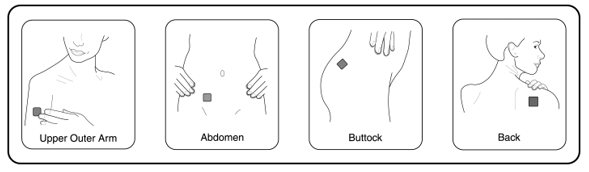
Choosing A Place On The Body To Put The Tds (Image 01)

Choosing A Place On The Body To Put The Tds (Image 01)

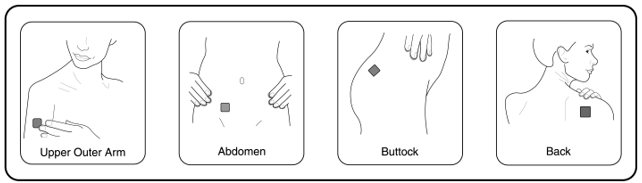
  • Place the TDS on the upper outer arm, abdomen, buttock or back in a place where it won’t be rubbed by tight clothing. For example, it should not be placed under the waistband or straps of clothing.
  • Do not place the TDS on the breasts, on cut or irritated skin, or on the same location as the previous TDS but the same body region (upper outer arms, abdomen, buttock or back) may be used.
  • Before applying the TDS:

    • Make sure the skin is clean and dry.
    • Do not use lotions, creams, oils, powders, or make-up at the TDS site. It may cause the TDS to fail to stick properly or to become loose.
    • HOW TO APPLY THE TDS

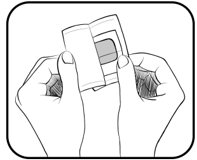
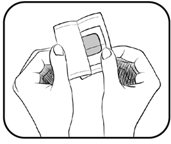
      Tear Open The Pouch At The Top Edge (Image 02)

      Tear Open The Pouch At The Top Edge (Image 02)

      • Tear open the pouch at the top edge and one side edge. Peel open the foil pouch. Gently remove the contents of the foil pouch and throw away (discard) the additional pieces of film above and below the TDS being careful not to separate the TDS from the clear plastic cover.
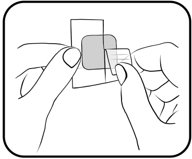
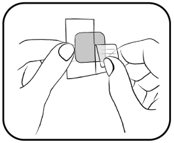
      Hold The Tds With The Clear Plastic Facing You (Image 08)

      Hold The Tds With The Clear Plastic Facing You (Image 08)

      • Hold the TDS with the clear plastic facing you. Peel away one piece of the clear plastic. Throw away (discard) the clear plastic. Avoid touching the sticky surface with your fingers.
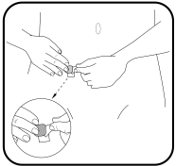
      Apply The Sticky Side Of The Tds (Image 12)

      Apply The Sticky Side Of The Tds (Image 12)

      • Apply the sticky side of the TDS to clean, dry skin. Remove the other piece of the clear plastic and attach the entire TDS to your skin. Throw away (discard) the clear plastic.
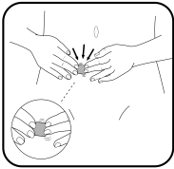
      Press Firmly On The Tds (Image 13)

      Press Firmly On The Tds (Image 13)

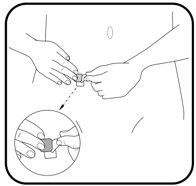
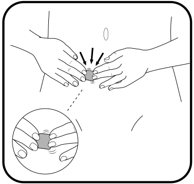
      • Press firmly on the TDS with the palm of your hand for 10 seconds, making sure that the whole TDS adheres to your skin.
      • Run your fingers over the entire surface area to smooth out any “wrinkles” around the outer edges of the TDS.
      • Check your TDS every day to make sure all edges are sticking correctly. Check the TDS after any water exposure (for example, bathing or showering).

      WHEN TO CHANGE THE GWYN LO TDS

      • The TDS works for 7 days (1 week). Apply a new TDS on the same day each week (the Patch Change Day) for 3 weeks in a row. Remove the old TDS prior to applying the new TDS.
      • During Week 4, DO NOT wear a TDS. Remove the old TDS. (The period should begin during this week.)
      • Following Week 4, repeat the cycle of three weekly applications followed by a TDS-free week.
      • WHAT IF THE TDS BECOMES LOOSE OR FALLS OFF?

        The TDS must stick securely to the skin to work properly. If the GWYN LO TDS becomes partially or completely detached and remains detached, insufficient drug delivery occurs. Do not try to reapply a TDS if it is no longer sticky, if it has become stuck to itself or another surface, or if it has other material stuck to it. Do not tape or wrap the TDS to the skin or reapply a TDS that is partially adhered to clothing.

        If a TDS edge lifts up:

        • Press down firmly on the TDS with the palm of the hand for 10 seconds, making sure that the whole TDS adheres to the skin. Run the fingers over the entire surface area to smooth out any “wrinkles” around the edges of the TDS.
        • If the TDS does not stick completely, remove the TDS and apply a new TDS.
        • Do not tape or wrap the TDS to the skin or reapply a TDS that is partially adhered to clothing.
        • If the TDS has been off or partially off:

          • For less than 1 Day, try to reapply it. If the TDS does not adhere completely, apply a new TDS immediately. (No backup contraception is needed and her Patch Change Day will stay the same).
          • Wear only one TDS at a time.
          • For more than 1 Day or if not sure for how long, you may not be protected from pregnancy. To reduce this risk, apply a new TDS and start a new 4-week cycle. There will now be a new Patch Change Day and NON-HORMONAL BACKUP CONTRACEPTION (such as a condom and spermicide or diaphragm and spermicide) MUST BE USED for the first week of the new cycle.
          • In Case of Skin Irritation:

            • If TDS use results in uncomfortable irritation, the TDS may be removed and a new TDS may be applied to a different location until the next “Patch Change Day”. Only one TDS should be worn at a time.

2.5 Missed Dose

FORGETTING TO CHANGE THE TDS

  • at the start of any TDS cycle (Week 1/Day 1): SHE MAY NOT BE PROTECTED FROM PREGNANCY. Apply the first TDS of her new cycle as soon as possible. There is now a new “Patch Change Day” and a new “Day 1.” Use back-up contraception, such as a condom and spermicide or diaphragm and spermicide, for the first week of the new cycle.
  • in the middle of the TDS cycle (Week 2/Day 8 or Week 3/Day 15),
    • -for 1 or 2 days (up to 48 hours), apply a new TDS immediately. Apply the next TDS on the usual “Patch Change Day.” No back-up contraception is needed.
    • -for more than 2 days (48 hours or more), SHE MAY NOT BE PROTECTED FROM PREGNANCY. Stop the current contraceptive cycle and start a new 4-week cycle immediately by putting on a new TDS. There is now a new “Patch Change Day” and a new “Day 1.” Use back-up contraception for 1 week.
    • at the end of the TDS cycle (Week 4/Day 22),
      • -If TDS is not removed, remove TDS as soon as possible. Start the next cycle on the usual “Patch Change Day,” which is the day after Day 28. No back-up contraception is needed.
      • Under no circumstances should there be more than a 7-day TDS-free interval between cycles. If there are more than 7 TDS-free days, THE WOMAN MAY NOT BE PROTECTED FROM PREGNANCY and back-up contraception, such as a condom and spermicide or diaphragm and spermicide, must be used for 7 days. As with combined oral contraceptives, the risk of ovulation increases with each day beyond the recommended drug-free period. If she has had intercourse during such an extended TDS-free interval, consider the possibility of pregnancy.

        Change Day Adjustment

        If the woman wishes to change her “Patch Change Day”, she should complete her current cycle, removing the third GWYN LO TDS on the correct day. During the TDS-free week, she may select an earlier “Patch Change Day” by applying a new GWYN LO TDS on the desired day. In no case should there be more than 7 consecutive TDS-free days.

        Breakthrough Bleeding or Spotting

        In the event of unscheduled or breakthrough bleeding or spotting (bleeding that occurs on the days that GWYN LO is worn), continue treatment. If unscheduled bleeding persists longer than a few cycles, consider causes other than GWYN LO.

        If no scheduled or withdrawal bleeding (bleeding that should occur during the TDS-free week) occurs, resume treatment on the next scheduled Change Day. If GWYN LO has been used correctly, the absence of withdrawal bleeding is not necessarily an indication of pregnancy. Nevertheless, consider the possibility of pregnancy, especially if absence of withdrawal bleeding occurs in 2 consecutive cycles. Discontinue GWYN LO if pregnancy is confirmed.

        Unscheduled bleeding, spotting, and amenorrhea are frequent reasons for women discontinuing hormonal contraceptives. In case of breakthrough bleeding, as in all cases of irregular bleeding from the vagina, consider nonfunctional causes. In case of undiagnosed persistent or recurrent abnormal bleeding from the vagina, take adequate diagnostic measures to rule out pregnancy or malignancy. If pathology has been excluded, time or a change to another method of contraception may solve the problem.

3 Dosage Forms And Strengths

Transdermal System: 220 mcg/day norelgestromin (NGMN) and 20 mcg/day ethinyl estradiol (EE), 14 cm² tan colored product with name and strength printed in brown ink on the backing membrane.

4 Contraindications

GWYN LO is contraindicated in females who are known to have or develop the following conditions:

5.1 Thromboembolic Disorders And Other Vascular Conditions

  • Stop GWYN LO if an arterial or venous thromboembolic event (VTE) occurs.
  • Stop GWYN LO if there is unexplained loss of vision, proptosis, diplopia, papilledema, or retinal vascular lesions. Evaluate for retinal vein thrombosis immediately.
  • If feasible, stop GWYN LO at least 4 weeks before and through 2 weeks after major surgery or other surgeries known to have an elevated risk of VTE. Discontinue use of GWYN LO during prolonged immobilization and resume treatment based on clinical judgment.
  • Start GWYN LO no earlier than 4 weeks after delivery, in women who are not breastfeeding. The risk of postpartum VTE decreases after the third postpartum week, whereas the risk of ovulation increases after the third postpartum week.
  • Before starting GWYN LO, evaluate any past medical history or family history of thrombotic or thromboembolic disorders and consider whether the history suggests an inherited or acquired hypercoagulopathy [see Contraindications (4)].

Arterial Events

The use of CHCs increases the risk of cardiovascular events and cerebrovascular events, such as myocardial infarction and stroke. The risk is greater among older women (> 35 years of age), smokers, and women with hypertension, dyslipidemia, diabetes, or obesity.

GWYN LO is contraindicated in women over 35 years of age who smoke [see Contraindications (4)]. Cigarette smoking increases the risk of serious cardiovascular events from CHC use. This risk increases with age, particularly in women over 35 years of age, and with the number of cigarettes smoked.

Venous Events

GWYN LO is contraindicated in women with a BMI ≥ 30 kg/m2. The use of CHCs increases the risk of venous thromboembolic events (VTEs), such as deep vein thrombosis and pulmonary embolism. Risk factors for VTEs include smoking, obesity, and family history of VTE, in addition to other factors that contraindicate use of CHCs. The risk of VTE may be greater with transdermal CHCs in women with a BMI ≥ 30 kg/m2 compared to women with a lower BMI [see Contraindications (4)].

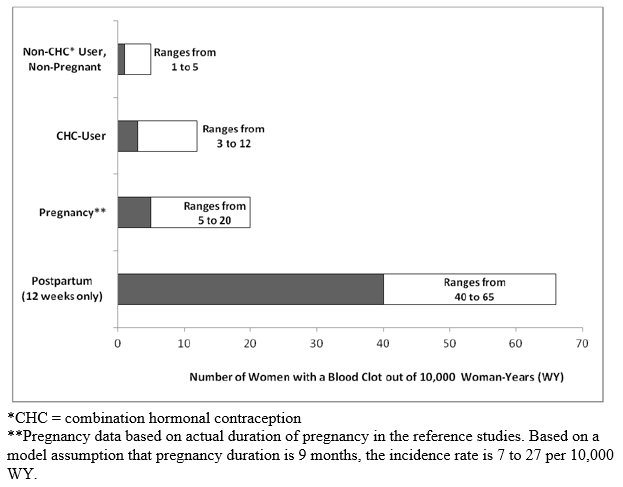
While the increased risk of VTE associated with use of CHCs is well-established, the rates of VTE are even greater during pregnancy, and especially during the postpartum period (see Figure 1). The frequency of VTE in women using CHCs has been estimated to be 3 to 12 cases per 10,000 woman-years.

The risk of VTE is highest during the first year of use of CHCs and when restarting hormonal contraception after a break of 4 weeks or longer. This initial higher risk declines during the first year, but users of CHCs remain at an increased risk of VTE compared to non-users of CHCs. Based on results from a few studies, there is some evidence that this is true for non-oral products as well. The risk of thromboembolic disease due to CHCs gradually disappears after CHC use is discontinued.

Figure 1 shows the risk of developing a VTE for women who are not pregnant and do not use CHCs, for women who use CHCs with a range of doses and routes of administration, for pregnant women, and for women in the postpartum period. To put the risk of developing a VTE into perspective: If 10,000 women who are not pregnant and do not use CHCs are followed for one year, between 1 and 5 of these women will develop a VTE.

Figure 1: Likelihood Of Developing A Vte Within One Year Among Pregnant And Non-pregnant Women (Image 03)

Figure 1: Likelihood Of Developing A Vte Within One Year Among Pregnant And Non-pregnant Women (Image 03)

Figure 1: Likelihood of Developing a VTE within One Year Among Pregnant and Non-Pregnant Women

Elevated Liver Enzymes

GWYN LO is contraindicated in women with liver disease, such as acute viral hepatitis or severe (decompensated) cirrhosis of liver [see Contraindications (4)]. Discontinue GWYN LO if jaundice develops. Acute or chronic disturbances of liver function may necessitate the discontinuation of CHC use until markers of liver function return to normal and CHC causation has been excluded.

Liver Tumors

GWYN LO is contraindicated in women with benign and malignant liver tumors [see Contraindications (4)]. Hepatic adenomas are associated with CHC use. An estimate of the attributable risk is 3.3 cases/100,000 CHC users. Rupture of hepatic adenomas may cause death through intra-abdominal hemorrhage.

Studies have shown an increased risk of developing hepatocellular carcinoma in long-term (> 8 years) CHC users. However, the risk of liver cancers in CHC users is less than one case per million users.

5.3 Risk Of Liver Enzyme Elevations With Concomitant Hepatitis C Treatment

During clinical trials with the Hepatitis C (HCV) combination drug regimen that contains ombitasvir/paritaprevir/ritonavir and dasabuvir, with or without ribavirin, ALT elevations greater than 5 times the upper limit of normal (ULN), including some cases greater than 20 times the ULN, were significantly more frequent in women using ethinyl estradiol-containing medications, such as CHCs.

Additionally, similar ALT elevations were observed in women using ethinyl estradiol-containing medications such as CHCs when co-administered with Directly Acting Antivirals (DAA) that contains combination drug regimen with glecaprevir/pibrentasvir or sofosbuvir/velpatasvir/voxilaprevir.

Discontinue GWYN LO prior to starting therapy with the combination drug regimen ombitasvir/paritaprevir/ritonavir and dasabuvir, with or without ribavirin [see Contraindications (4)]. GWYN LO can be restarted approximately 2 weeks following completion of treatment with the Hepatitis C combination drug regimen.

5.4 Hypertension

GWYN LO is contraindicated in women with uncontrolled hypertension or hypertension with vascular disease [see Contraindications (4)]. For all women, including those with well-controlled hypertension, monitor blood pressure at routine visits and stop GWYN LO if blood pressure rises significantly.

An increase in blood pressure has been reported in women using CHCs, and this increase is more likely in older women with extended duration of use. The effect of CHCs on blood pressure may vary according to the progestin in the CHC.

5.5 Gallbladder Disease

Consider discontinuing GWYN LO in women with symptomatic gallbladder disease or cholestatic disease. Studies suggest a small increased relative risk of developing gallbladder disease among CHC users. Use of CHCs may also worsen existing gallbladder disease.

A past history of CHC-related cholestasis predicts an increased risk with subsequent CHC use. Women with a history of pregnancy-related cholestasis may be at an increased risk for CHC-related cholestasis.

5.6 Adverse Carbohydrate And Lipid Metabolic Effects

Hyperglycemia

GWYN LO is contraindicated in women with diabetes and vascular disease [see Contraindications (4)]. Carefully monitor prediabetic and diabetic women who take GWYN LO. CHCs may decrease glucose tolerance in a dose-related fashion.

Dyslipidemia

Consider alternative contraception for women with uncontrolled dyslipidemia. A small proportion of women will have adverse lipid changes while on hormonal contraceptives.

Women with hypertriglyceridemia, or a family history thereof, may be at an increased risk of pancreatitis when using hormonal contraceptives.

5.7 Headache

GWYN LO is contraindicated in women who have headaches with focal neurological symptoms or have migraine headaches with aura, and in women over age 35 years who have migraine headaches with or without aura [see Contraindications (4)].

If a woman using GWYN LO develops new headaches that are recurrent, persistent or severe, evaluate the cause and discontinue GWYN LO, if indicated. Consider discontinuation of GWYN LO in the case of increased frequency or severity of migraine during hormonal contraceptive use (which may be prodromal of a cerebrovascular event).

Unscheduled Bleeding And Spotting

Unscheduled (breakthrough) bleeding and spotting sometimes occur in women using GWYN LO. Consider non-hormonal causes and take adequate diagnostic measures to rule out malignancy, other pathology, or pregnancy in the event of unscheduled bleeding, as in the case of any abnormal vaginal bleeding. If pathology and pregnancy have been excluded, time or a change to another contraceptive product may resolve the bleeding.

Based on women’s electronic diaries from a clinical trial evaluating the safety and efficacy of GWYN LO, the proportion of subjects reporting unscheduled bleeding per 28-day cycle decreased over time. At cycle 1, 34.5% women reported unscheduled bleeding and/or spotting which gradually reduced to 20.0% at cycle 13. Women reported a mean number of unscheduled bleeding and/or spotting days per month that generally decreased over the 13 cycles from 3.2 days in cycle 1 to 2.4 days in cycle 13. A total of 20 women (1.6%) discontinued the study prematurely due to menstrual disorders including intercycle and heavy withdrawal bleeding, menometrorrhagia, abnormal uterine bleeding, dysmenorrhea and vaginal hemorrhage [see Adverse Reactions (6.1) and Clinical Studies (14)].

Amenorrhea And Oligomenorrhea

In the event of amenorrhea, consider the possibility of pregnancy. If the woman has not adhered to the prescribed dosing schedule (missed one TDS or started the TDS on a day later than she should have), consider the possibility of pregnancy at the time of the first missed period and take appropriate diagnostic measures. If the woman has adhered to the prescribed regimen and misses two consecutive periods, rule out pregnancy.

Some women may encounter amenorrhea or oligomenorrhea after discontinuation of hormonal contraceptive use, especially when such a condition was pre-existent.

5.9 Depression

Monitor females with a history of depression and discontinue GWYN LO if depression recurs. Data on the association of CHCs with onset of depression or exacerbation of existing depression are limited.

Breast Cancer

GWYN LO is contraindicated in females who currently have or have had breast cancer because breast cancer may be hormonally sensitive [see Contraindications (4)].

Epidemiology studies have not found a consistent association between use of combined oral contraceptives (COCs) and breast cancer risk. Studies do not show an association between ever (current or past) use of COCs and risk of breast cancer. However, some studies report a small increase in the risk of breast cancer among current or recent users (< 6 months since last use) and current users with longer duration of COC use.

Cervical Cancer

Some studies suggest that COC use has been associated with an increase in the risk of cervical cancer or intraepithelial neoplasia. However, there continues to be controversy about the extent to which such findings may be due to differences in sexual behavior and other factors.

5.11 Effect On Binding Globulins

The estrogen component of CHCs may raise the serum concentrations of thyroxine-binding globulin, sex hormone-binding globulin and cortisol-binding globulin. The dose of replacement thyroid hormone or cortisol therapy may need to be increased.

5.12 Hereditary Angioedema

In women with hereditary angioedema, exogenous estrogens may induce or exacerbate symptoms of angioedema.

5.13 Chloasma

Chloasma may occur with GWYN LO use, especially in women with a history of chloasma gravidarum. Advise women with history of chloasma to avoid exposure to the sun or ultraviolet radiation while using GWYN LO.

6.1 Clinical Trials Experience

Because clinical trials are conducted under widely varying conditions, adverse reaction rates observed in the clinical trials of a drug cannot be directly compared to rates in the clinical trials of another drug and may not reflect the rates observed in clinical practice.

The safety of GWYN LO was evaluated in a 12-month, multicenter, open-label, single-arm clinical trial conducted in the United States [see Clinical Studies (14)]. The safety population included 1,272 sexually active women who received 13 cycles of GWYN LO. The women ranged in age from 16-54 years (mean 27.8 years) and were predominantly white (67.2%). The mean BMI of the safety population was 25.6 kg/m2.

Discontinuation due to an adverse reaction occurred in 7.2% of women. The most common adverse reaction (≥ 1%) leading to discontinuation was application site irritation (1.2%).

The most common adverse reactions (≥ 2%) reported during the clinical trial were application site irritation, application site erythema, application site pruritus, intercycle and heavy withdrawal bleeding, and nausea.

Adverse reactions reported by ≥ 2% of GWYN LO-treated women in the trial are shown in Table 2.

Table 2: Adverse Reactions Reported by ≥ 2% of GWYN LO-Treated Women in Study 1

Adverse Reaction

GWYN LO

(n = 1,272)

General disorders and administration site conditions

Application site irritation

4.8%

Application site erythema

3.7%

Application site pruritus

3.7%

Reproductive system and breast disorders

Intercycle bleeding

3.9%

Heavy withdrawal bleeding

2.0%

Gastrointestinal disorders

Nausea

2.0%

Venous Thromboembolism (Vte)

During Study 1, one thromboembolic event (pulmonary embolism), syncope, and seizure were reported in a female who had been using GWYN LO for 42 days and had a BMI of 27.6 kg/m2.

Other Serious Adverse Reactions

This serious adverse reaction occurred in < 1% of women who received GWYN LO: suicidal ideation in three women with psychiatric histories, one of whom also experienced exacerbation of depression.

Substances Decreasing The Plasma Concentrations Of Chcs And Potentially Diminishing The Efficacy Of Chcs

Table 3 includes substances that demonstrated an important drug interaction with GWYN LO.

Table 3: Significant Drug Interactions Involving Substances That Affect CHCs

Metabolic Enzyme Inducers

Clinical effect

  • Concomitant use of CHCs with metabolic enzyme inducers may decrease the plasma concentrations of the estrogen and/or progestin component of CHCs.
  • Decreased exposure of the estrogen and/or progestin component of CHCs may potentially diminish the effectiveness of CHCs and may lead to contraceptive failure or an increase in breakthrough bleeding.

Prevention or management

  • Counsel women to use an alternative method of contraception or a backup method when enzyme inducers are used with CHCs.
  • Continue backup contraception for 28 days after discontinuing the enzyme inducer to maintain contraceptive reliability.

Examples

Aprepitant, barbiturates, bosentan, carbamazepine, efavirenz, felbamate, griseofulvin, oxcarbazepine, phenytoin, rifampin, rifabutin, rufinamide, topiramate, products containing St. John’s wort,

Induction potency of St. John’s wort may vary widely based on preparation.

and certain protease inhibitors (see separate section on protease inhibitors below).

Colesevelam

Clinical effect

  • Concomitant use of CHCs with colesevelam significantly decreases systemic exposure of ethinyl estradiol.
  • Decreased exposure of the estrogen component of CHCs may potentially reduce contraceptive efficacy or result in an increase in breakthrough bleeding, depending on the strength of ethinyl estradiol in the CHC.

Prevention or management

  • Administer 4 or more hours apart to attenuate this drug interaction.

Substances Increasing The Plasma Concentrations Of Chcs:

Co-administration of atorvastatin or rosuvastatin and CHCs containing ethinyl estradiol increase systemic exposure of ethinyl estradiol by approximately 20 to 25 percent. Ascorbic acid and acetaminophen may increase systemic exposure of ethinyl estradiol, possibly by inhibition of conjugation. CYP3A4 inhibitors such as itraconazole, voriconazole, fluconazole, grapefruit juice, or ketoconazole may increase systemic exposure of the estrogen and/or progestin component of CHCs.

Human Immunodeficiency Virus (Hiv)/Hepatitis C Virus (Hcv) Protease Inhibitors And Non-Nucleoside Reverse Transcriptase Inhibitors:

Significant decreases in systemic exposure of the estrogen and/or progestin have been noted when CHCs are co-administered with some HIV protease inhibitors (e.g., nelfinavir, ritonavir, darunavir/ritonavir, (fos)amprenavir/ritonavir, lopinavir/ritonavir, and tipranavir/ritonavir), some HCV protease inhibitors (e.g., boceprevir and telaprevir), and some non-nucleoside reverse transcriptase inhibitors (e.g., nevirapine).

In contrast, significant increases in systemic exposure of the estrogen and/or progestin have been noted when CHCs are co-administered with certain other HIV protease inhibitors (e.g., indinavir and atazanavir/ritonavir) and with other non-nucleoside reverse transcriptase inhibitors (e.g., etravirine).

7.2 Effects Of Combined Hormonal Contraceptives On Other Drugs

Table 4 provides significant drug interaction information for drugs co-administered with GWYN LO.

Table 4: Significant Drug Interaction Information for Drugs Co-Administered with CHCs

Lamotrigine

Clinical effect

  • Concomitant use of CHCs with lamotrigine may significantly decrease systemic exposure of lamotrigine due to induction of lamotrigine glucuronidation.
  • Decreased systemic exposure of lamotrigine may reduce seizure control.

Prevention or management

Dose adjustment may be necessary. Consult the approved product labeling for lamotrigine.

Thyroid Hormone Replacement Therapy or Corticosteroid Replacement Therapy

Clinical effect

Concomitant use of CHCs with thyroid hormone replacement therapy or corticosteroid replacement therapy may increase systemic exposure of thyroid-binding and cortisol-binding globulin [see Warnings and Precautions (5.11)].

Prevention or management

The dose of replacement thyroid hormone or cortisol therapy may need to be increased. Consult the approved product labeling for the therapy in use [see Warnings and Precautions (5.11)].

Other Drugs

Clinical effect

Concomitant use of CHCs may decrease systemic exposure of acetaminophen, morphine, salicylic acid, and temazepam. Concomitant use with ethinyl estradiol-containing CHCs may increase systemic exposure of other drugs (e.g., cyclosporine, prednisolone, theophylline, tizanidine, and voriconazole).

Prevention or

management

The dosage of drugs that can be affected by this interaction may need to be increased. Consult the approved product labeling for the concomitantly used drug.

7.3 Concomitant Use With Direct Acting Antiviral Agents (Daas) – Liver Enzyme Elevation

During clinical trials with the HCV combination drug regimen ombitasvir/paritaprevir/ritonavir and dasabuvir, with and or without ribavirin, or with glecaprevir/pibrentasvir or sofosbuvir/velpatasvir/voxilaprevir, ALT elevations were significantly more frequent in women using ethinyl estradiol-containing medicinal products such as CHCs [see Contraindications (4) and Warnings and Precautions (5.3)].

7.4 Interference With Laboratory Tests

The use of CHCs may influence the results of certain laboratory tests, such as coagulation factors, lipids, glucose tolerance, and binding proteins.

Risk Summary

Discontinue GWYN LO if pregnancy occurs. There is little or no increased risk of birth defects in women who inadvertently use hormonal contraceptives during early pregnancy. Epidemiologic studies and meta-analyses have not found an increased risk of genital or non-genital birth defects (including cardiac anomalies and limb-reduction defects) following exposure to CHCs before conception or during early pregnancy.

In the U.S. general population, the estimated background risk of major birth defects and miscarriage in clinically recognized pregnancies is 2 to 4% and 15 to 20%, respectively.

Contraceptive hormones and/or metabolites are present in human milk. CHCs can reduce milk production in breastfeeding women. This reduction can occur at any time but is less likely to occur once breastfeeding is well established. When possible, advise the nursing woman to use other methods of contraception until she discontinues breastfeeding [see Dosage and Administration (2.3)].

The developmental and health benefits of breastfeeding should be considered along with the mother’s clinical need for GWYN LO and any potential adverse effects on the breast-fed child from GWYN LO or from the underlying maternal condition.

8.4 Pediatric Use

The safety and effectiveness of GWYN LO have been established in females of reproductive potential with a BMI < 30 kg/m2 to prevent pregnancy. Efficacy is expected to be the same for postmenarcheal females younger than 17 years of age as for those 17 years of age and older. Use of GWYN LO before menarche is not indicated.

8.5 Geriatric Use

GWYN LO has not been studied in postmenopausal women and is not indicated in this population.

8.6 Hepatic Impairment

No studies with GWYN LO have been conducted in women with hepatic impairment. However, steroid hormones may be poorly metabolized in women with impaired liver function. Acute or chronic disturbances of liver function may necessitate the discontinuation of combined hormonal contraceptive use until markers of liver function return to normal and combined hormonal contraceptive causation has been excluded [see Contraindications (4) and Warnings and Precautions (5.2)].

10 Overdosage

Overdosage may cause nausea and vomiting, and withdrawal bleeding may occur in women. In case of suspected overdose, remove all GWYN LO transdermal systems and provide symptomatic treatment.

11 Description

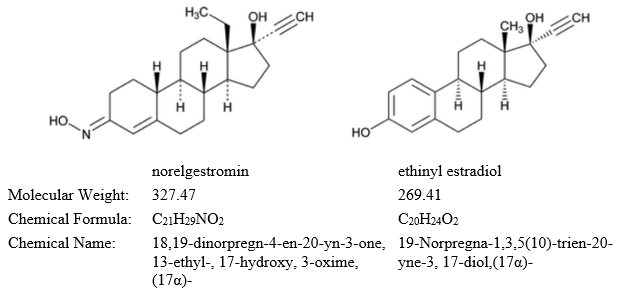
GWYN LO (norelgestromin and ethinyl estradiol transdermal system) contains 4.86 mg norelgestromin, USP, a progestin, and 0.264 mg ethinyl estradiol, USP, an estrogen.

Norelgestromin And Ethinyl Estradiol Structural Formula (Image 04)

Norelgestromin And Ethinyl Estradiol Structural Formula (Image 04)

GWYN LO is a transdermal system (TDS) designed to provide consistent delivery of norelgestromin and ethinyl estradiol over a 7-day wear period. Based on residual drug analysis from TDS used in clinical studies, GWYN LO is expressed as 220 mcg/day norelgestromin and 20 mcg/day ethinyl estradiol. GWYN LO is a thin, matrix-type transdermal system consisting of three layers. The backing layer is printed with brown ink and is composed of a tan flexible film consisting of a pigmented polyethylene outer layer and a polyester inner layer. It provides structural support and protects the middle adhesive layer from the environment. The middle layer contains the norelgestromin and ethinyl estradiol and the following inactive ingredients crospovidone, dipropylene glycol, mineral oil, nonwoven polyester fabric, oleyl alcohol, and polyisobutylene adhesive. The third layer is a transparent release coated polyester liner, which protects the adhesive layer during storage and is removed just prior to application.

GWYN LO transdermal systems are packaged with additional pieces of oversized protective film above and below the system within each pouch. These pieces of oversized protective film are removed and discarded at the time of use.

12.1 Mechanism Of Action

Combination hormonal contraceptives lower the risk of becoming pregnant primarily by suppressing ovulation.

12.2 Pharmacodynamics

No pharmacodynamic study with GWYN LO has been conducted. One clinical trial of a transdermal system with norelgestromin and ethinyl estradiol assessed the return of hypothalamic-pituitary-ovarian axis function post-therapy and found that follicle-stimulating hormone (FSH), luteinizing hormone (LH), and estradiol mean values, though suppressed during therapy, returned to near baseline values during the 6 weeks post-therapy.

12.3 Pharmacokinetics

The pharmacokinetics of norelgestromin and ethinyl estradiol following a single application of GWYN LO were characterized in healthy women. Pharmacokinetic parameters are presented in Table 5.

Table 5: Arithmetic Mean (%CV) Norelgestromin and Ethinyl Estradiol Pharmacokinetic Parameters in Healthy Women Following a Single Transdermal Application of GWYN LO on the Lower Abdomen

No clinically meaningful differences in the systemic exposures of norelgestromin and ethinyl estradiol were observed when GWYN LO was applied on the lower abdomen, upper outer arm, buttock, or upper back.

GWYN LO

Parameter

Norelgestromin

(n=28)

Ethinyl Estradiol

(n=28)

AUC0- (pg*hr/mL)

166331.0 (27.8%)

4203.2 (60.7%)

AUC0-264hr (pg*hr/mL)

162315.6 (27.6%)

3806.8 (33.7%)

Cmax (pg/mL)

1029.4 (27.5%)

28.39 (33.7%)

Absorption

Following a single application of GWYN LO in healthy women, both norelgestromin and ethinyl estradiol reach peak by approximately 90 hours.

Effect Of Sauna, Whirlpool, Treadmill And Cold-Water Bath

Following application of GWYN LO under conditions encountered in a health club (sauna, whirlpool and treadmill) and in a cold-water bath, there were no significant treatment effects on Cmax or AUC of norelgestromin and ethinyl estradiol when compared to normal wear.

Distribution

Norelgestromin and norgestrel (a serum metabolite of norelgestromin) are highly bound (> 97%) to serum proteins. Norelgestromin is bound to albumin and not to sex hormone-binding globulin (SHBG), while norgestrel is bound primarily to SHBG, which limits its biological activity. Ethinyl estradiol is extensively bound to serum albumin and induces an increase in the serum concentrations of SHBG.

Elimination

Norelgestromin estimated elimination half-life is ~30 hours. Ethinyl estradiol estimated elimination half-life is ~24 hours.

Metabolism

Norelgestromin undergoes hepatic metabolism, producing metabolites that include norgestrel and various hydroxylated and conjugated metabolites. Ethinyl estradiol is also metabolized to various hydroxylated products and their glucuronide and sulfate conjugates.

Excretion

The metabolites of norelgestromin and ethinyl estradiol are eliminated by renal and fecal pathways.

13.1 Carcinogenesis, Mutagenesis, And Impairment Of Fertility

See Warnings and Precautions (5.2, 5.10) and Use in Specific Populations (8.1).

Norelgestromin was tested in in vitro mutagenicity assays (bacterial plate incorporation mutation assay, CHO/HGPRT mutation assay, chromosomal aberration assay using cultured human peripheral lymphocytes) and in one in vivo test (rat micronucleus assay) and found to have no genotoxic potential.

14 Clinical Studies

The efficacy of GWYN LO was evaluated in Study 1, a Phase 3, open label, single arm, multicenter trial in the United States, and Canada (NCT05139121) of one-year duration that enrolled 1,320 women, ranging in age between 16 and 54 years, who were healthy and sexually active with regular menstrual cycles.

The primary efficacy analysis population included 983 women between the ages of 16 and 35 years with BMI < 30 kg/m2, who completed 9,105 evaluable cycles with GWYN LO, where no back-up contraception was used, and sexual intercourse occurred. The mean age was 26.4 years (range: 16 to 35) with an average baseline BMI of 24 kg/m2 (range: 15 to 30 kg/m2). The racial/ethnic distribution was Whites (68.9%), Black/African Americans (18.7%), Asians (7.5%), American Indians/Alaskan Natives (1.1%), Native Hawaiian/Pacific or Other Pacific Islander (0.3%), and Other (3.5%); 45.5% were Hispanics.

The primary efficacy endpoint was the Pearl Index (PI), defined as the number of pregnancies per 100-woman years of exposure. The overall PI was 4.14 (95% CI: 2.77 to 5.95). There were no differences in efficacy by BMI Category as shown in Table 6 below.

Table 6: Pearl Index Efficacy Analysis by BMI Subgroup in Women Aged ≤ 35 Years with BMI < 30 kg/m²

BMI (kg/m2)

Number of Evaluable Cycles

Pearl Index

(95% CI)

< 25

4936

4.48 (2.61-7.17)

≥ 25 to < 30

4169

3.74 (1.93-6.54)

Overall

9105

4.14 (2.77-5.95)

Adhesion

Based on data from four studies investigating various application sites and conditions (e.g., sauna, whirlpool and treadmill), a total of 323 out of 342 (94.44%) applied systems had 75% or greater surface area adhesion at all timepoints evaluated (every 24 hours) throughout the 7-day wear period.

In Study 1, 1.3% of all transdermal systems worn during the year-long trial (39,790 transdermal systems) fully detached. No notable differences in subject reported adhesion score were found based on application sites.

16.1 How Supplied

GWYN LO (norelgestromin and ethinyl estradiol transdermal system) is a 14 cm2 tan colored product with “Gwyn Lo™ (norelgestromin and ethinyl estradiol) 220 mcg/20 mcg per day” printed in brown ink and is supplied as:

  • A carton of 3 identical TDS, each TDS packaged in a protective pouch. NDC 49502-627-62
  • A single TDS provided for replacement as needed. NDC 49502-627-65

16.2 Special Precautions For Storage And Disposal

Store at 20°C to 25°C (68°F to 77°F); excursions permitted 15°C to 30°C (59°F to 86°F). [See USP Controlled Room Temperature.]

Store in original unopened pouch.

Do not store in the refrigerator or freezer.

Used TDS still contain some active hormones. To discard, fold the sticky sides of the TDS together, place in a sturdy container, preferably with a child-resistant cap, and place this container in the trash. Do not discard used TDS in the toilet.

17 Patient Counseling Information

Advise the woman to read the FDA-approved patient labeling (Patient Information and Instructions for Use).

Cigarette Smoking

Advise the woman that cigarette smoking increases the risk of serious cardiovascular events from CHC use. Women who are over 35 years old and smoke should not use GWYN LO [see Boxed Warning and Warnings and Precautions (5.1)].

Venous Thromboembolism

Advise the woman that there is an increased risk of VTE compared to non-users of CHCs which is greatest after initially starting a CHC or restarting (following a 4-week or greater interruption in intake) the same or a different CHC [see Warnings and Precautions (5.1)].

Use During Pregnancy

Instruct the woman to stop GWYN LO if pregnancy is confirmed during treatment [see Use in Specific Populations (8.1)].

Sexually Transmitted Infections

Advise the woman that GWYN LO does not protect against HIV infection and other sexually transmitted infections.

Missed Dosing Instructions

Apply one GWYN LO TDS weekly for 3 weeks followed by one TDS-free week. Instruct women what to do in the event the TDS change is missed. See the FDA-approved patient labeling (Instructions for Use) [see Dosage and Administration (2.4)].

Need for Additional Contraception

Advise postpartum women who have not yet had a period when they start GWYN LO to use an additional method of contraception until they have used GWYN LO for one week [see Dosage and Administration (2.2)].

Advise the woman to use a back-up or alternative method of contraception when enzyme inducers are used with GWYN LO [see Drug Interactions (7.1)].

Lactation

GWYN LO may reduce breast milk production. This is less likely to occur if breastfeeding is well established. When possible, advise nursing women to use other methods of contraception until they have discontinued breastfeeding [see Use in Specific Populations (8.2)].

Amenorrhea and Possible Symptoms of Pregnancy

Amenorrhea may occur. Advise the woman to contact a healthcare provider in the event of amenorrhea in two or more consecutive cycles or in case of symptoms of pregnancy such as morning sickness or unusual breast tenderness [see Warnings and Precautions (5.8)].

Avoidance of GWYN LO Detachment

Advise women not to use lotions, creams, oils, powders, or make-up at the TDS site and to check the GWYN LO TDS for partial or complete detachment not only daily but also after any water exposure (for example, bathing or showering) to make sure all edges are sticking correctly [see Dosage and Administration (2.4)].

Keep GWYN LO and all medicines out of reach of children and pets.

Distributed by:
Viatris Specialty LLC
Morgantown, WV 26505 U.S.A.

© 2026 Viatris Inc.

Gwyn Lo is a trademark of Mylan Pharmaceuticals Inc., a Viatris Company.

VSL:NEETSLO222:R1

Patient Information

certain anti-seizure medicines (such as barbiturates, carbamazepine, felbamate, oxcarbazepine, phenytoin, rufinamide, or topiramate).
  • medicine to treat chemotherapy-induced nausea and vomiting (aprepitant).
  • medicine to treat high blood pressure in the vessels of the lung (bosentan).
  • a certain medicine used to treat fungal infections (griseofulvin).
  • certain combinations of HIV medicines (nelfinavir, ritonavir, darunavir/ritonavir, (fos)amprenavir/ritonavir, lopinavir/ritonavir, and tipranavir/ritonavir).
  • certain non-nucleoside reverse transcriptase inhibitors (such as nevirapine and efavirenz).
  • rifampin and rifabutin.
  • certain hepatitis C (HCV) medicines (such as boceprevir or telaprevir).
  • St. John’s wort.

    Use another birth control method (such as a condom and spermicide or diaphragm and spermicide) when you take medicines that may make GWYN LO less effective and for 28 days after stopping the medicine.

    • Some medicines and grapefruit juice may increase your level of the hormone ethinyl estradiol if used together, including:
    acetaminophen for pain relief.
  • ascorbic acid.
  • certain medicines used to treat fungal infections (itraconazole, ketoconazole, voriconazole, and fluconazole).
  • certain HIV medicines (atazanavir/ritonavir, indinavir).
  • non-nucleoside reverse transcriptase inhibitors (such as etravirine).
  • medicines to lower cholesterol (such as atorvastatin and rosuvastatin).
  • GWYN LO may affect the way that lamotrigine, a medicine used to treat seizures, works and may increase the risk of seizures. Your healthcare provider may need to adjust the dose of lamotrigine while you are on GWYN LO.
  • If you are scheduled for any laboratory tests, tell your healthcare provider that you are using GWYN LO. Certain blood tests may be affected by CHC methods.
  • Women on thyroid replacement therapy may need increased doses of thyroid replacement medicine or corticosteroid replacement medicine.
  • Ask your healthcare provider if you are not sure if you take any of the medicines listed above.


    Know the medicines you take. Keep a list of them to show your healthcare provider and pharmacist when you get a new medicine. Talk to your healthcare provider before you start taking a new medicine.

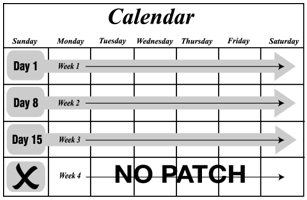
    Apply your GWYN LO patch 1 time each week for 3 weeks (21 total days).
  • Apply each new GWYN LO patch on the same day of the week. This day will be your “Patch Change Day.” For example, if you apply your first GWYN LO patch on a Monday, all of your GWYN LO patches should be applied on a Monday.
  • Do not apply your GWYN LO patch during Week 4. Make sure you remove your old GWYN LO patch. This is your patch-free week. Your menstrual period should start during your patch-free week.
  • Begin a new 4-week cycle by applying a new GWYN LO patch on the day after Week 4 ends. Repeat the cycle of 3 weekly applications followed by a patch-free week.
    Patient Information: Calendar (Image 16)

    Patient Information: Calendar (Image 16)

    • Your GWYN LO patch should never be off for more than 7 days in a row. If your GWYN LO patch is off for more than 7 days in a row and you have sex during this time, you could become pregnant.
    • If you miss a period, you might be pregnant. Some women miss their periods or have light periods on hormonal birth control methods even when they are not pregnant. Call your healthcare provider if you miss 1 period and have not used your GWYN LO patch every day or you miss 2 periods in a row.
    Avoid using makeup, creams, lotions, oils, powders or any other products on the skin area where you put or plan to put the patch.
  • Contact with water for long periods of time (30 minutes or more). Talk with your healthcare provider about the best method of birth control if you are a swimmer or you often come in contact with water for 30 minutes or more.
  • Women who tend to get chloasma should avoid spending a long time in sunlight, tanning booths, and under sun lamps while using GWYN LO. Use sunscreen if you have to be in the sunlight
  • legs (deep vein thrombosis)
  • lungs (pulmonary embolus)
  • eyes (loss of eyesight)
  • heart (heart attack)
  • brain (stroke)
  • Likelihood Of Developing A Serious Blood Clot (venous Thromboembolism [vte]) (Image 17)

    Likelihood Of Developing A Serious Blood Clot (venous Thromboembolism [vte]) (Image 17)

    Call your healthcare provider right away if you have:

    leg pain that will not go away
  • sudden shortness of breath
  • sudden changes to your vision or blindness
  • severe pain or pressure in your chest
  • sudden, severe headache unlike your usual headaches
  • weakness or numbness in an arm or leg
  • trouble speaking
     
  • liver problems, including liver tumors. Stop using GWYN LO and tell your healthcare provider right away if you have yellowing of your skin or eyes (jaundice).
  • high blood pressure. Your healthcare provider will check your blood pressure and may stop you from using GWYN LO if your blood pressure rises.
  • gallbladder problems or worsening of a gallbladder problem you already have. You may have an increased risk of gallbladder problems with the use of GWYN LO especially if you have had gallbladder problems before or gallbladder problems when you were pregnant.
  • headaches. Headaches can be a common but serious side effect. Tell your healthcare provider if you have new headaches that keep coming back, that do not go away, or are severe. Also tell your healthcare provider if your migraine headaches happen more often or are more severe than normal. Your healthcare provider may stop you from using GWYN LO.
  • irregular or unusual vaginal bleeding and spotting between your menstrual periods or absence of menstrual periods (amenorrhea). This can happen especially during the first 3 months of using GWYN LO. You also may have no bleeding at all. Tell your healthcare provider if you miss 2 or more menstrual cycles. After you stop using GWYN LO, your periods may not happen as often or you may have no bleeding at all, especially if you had these types of menstrual cycles before taking GWYN LO.
  • depression.
  • swelling of your skin especially around your mouth, eyes, and in your throat (angioedema). Call your healthcare provider or get emergency medical care right away if you have a swollen face, lips, mouth, tongue or throat as this may lead to difficulty swallowing or breathing. Your risk of having angioedema is higher if you have a history of angioedema.
  • dark patches of skin on your forehead, cheeks, upper lip, and chin (chloasma). Your risk of getting chloasma with the use of GWYN LO is higher if you had chloasma during pregnancy.
  • The most common side effects of GWYN LO include:

    • skin irritation, redness, itching or rash at the patch application site
    • bleeding between periods and heavy periods
    • nausea
    • Tell your healthcare provider about any side effects that bother you or that do not go away.


      These are not all the possible side effects of GWYN LO.


      Call your doctor for medical advice about side effects. You may report side effects to FDA at 1-800-FDA-1088.

    GWYN LOTM [GWEN-low]

    (norelgestromin and ethinyl estradiol transdermal system)

    What is the most important information I should know about GWYN LO?

    • Do not use GWYN LO if you smoke cigarettes and are over 35 years old. Smoking increases your risk of serious cardiovascular side effects from combination hormonal contraceptives (CHCs), including death from heart attack, blood clots or stroke. This risk increases with age and the number of cigarettes you smoke.
    • Do not use GWYN LO if your Body Mass Index (BMI) is 30 kg/m2 or more. Women with a BMI of 30 kg/m2 or more who use GWYN LO may be at a higher risk for developing blood clots compared to women with a BMI lower than 30 kg/m2.

    Hormonal birth control methods help to lower the chances of becoming pregnant when taken as directed. GWYN LO does not protect against HIV infection (AIDS) and other sexually transmitted infections (STIs).

    What is GWYN LO?

    GWYN LO is:

    • a birth control patch for women with a BMI less than 30 kg/m2 who can become pregnant. It contains two female hormones, a progestin called norelgestromin, and an estrogen called ethinyl estradiol.

    How well does GWYN LO work?

    Your chance of getting pregnant depends on how well you follow the directions for using GWYN LO. The better you follow the directions, the less chance you have of getting pregnant.


    In a clinical study, 4 out of 100 women got pregnant in one year that they used GWYN LO.


    For GWYN LO to be most effective, you must use GWYN LO exactly as your healthcare provider tells you to. Each patch must be fully attached to the skin during the 7 days in order for it to work the best.


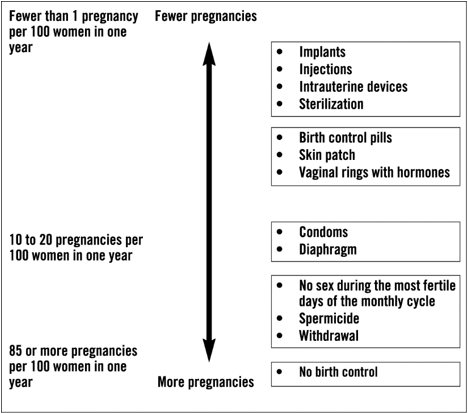
    The following chart shows the chance of getting pregnant for women who use different methods of birth control. Each box on the chart contains a list of birth control methods that are similar in effectiveness. The most effective methods are at the top of the chart. The box on the bottom of the chart shows the chance of getting pregnant for women who do not use birth control and are trying to get pregnant.
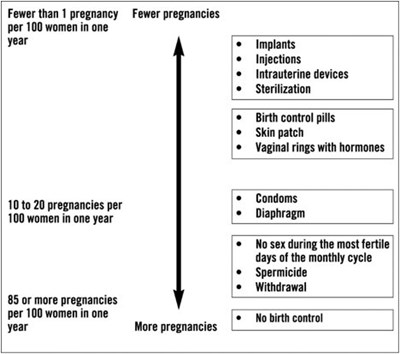
    Patient Information: Chance Of Getting Pregnant For Women Who Use Different Methods Of Birth Control (Image 15)

    Patient Information: Chance Of Getting Pregnant For Women Who Use Different Methods Of Birth Control (Image 15)

    Do not use GWYN LO if you:

    • smoke and are over 35 years old.
    • have or have had blood clots in your arms, legs, eyes or lungs.
    • have had a stroke.
    • have had a heart attack.
    • have certain heart valve problems or heart rhythm problems that can cause blood clots to form in the heart.
    • have a problem that makes your blood clot more than normal that you were born with (inherited) or that has happened for other reasons such as medicines, surgery or injuries (acquired).
    • have high blood pressure that is not controlled.
    • have diabetes with kidney, eye, nerve, or blood vessel damage.
    • have had certain kinds of severe migraine headaches with aura, numbness, weakness or changes in vision, or have any migraine headaches if you are over age 35.
    • have a BMI of 30 or more.
    • have liver problems including liver tumors, hepatitis, cirrhosis, or liver disease.
    • have unexplained vaginal bleeding.
    • have or have had breast cancer or any cancer that is sensitive to female hormones.
    • take any Hepatitis C drug combination-containing ombitasvir/paritaprevir/ritonavir and dasabuvir, with or without ribavirin, or with glecaprevir/pibrentasvir or sofosbuvir/velpatasvir/voxilaprevir. This may increase levels of the liver enzyme called alanine aminotransferase (ALT) in the blood.
    • GWYN LO may not be a good choice for you if you have ever had jaundice (yellowing of the skin or eyes).

      Tell your healthcare provider if you have ever had any of the above conditions. Your healthcare provider may recommend another method of birth control.

    Before using GWYN LO, tell your healthcare provider about all of your medical conditions, including if you:

    • are pregnant or think you are pregnant. GWYN LO is not for pregnant women. If you think you are pregnant, you should have a pregnancy test and know the results. Do not use GWYN LO if the test is positive and talk to your healthcare provider.
    • are scheduled for surgery. GWYN LO may increase your risk of blood clots after surgery. You should stop using your GWYN LO patch at least 4 weeks before you have surgery and not restart it until at least 2 weeks after your surgery.
    • have or have had gallbladder problems including yellowing of the skin or eyes during pregnancy.
    • have high cholesterol that is not controlled.
    • have or have had depression.
    • have a history of hereditary angioedema.
    • have had dark patches of skin on your forehead, cheeks, upper lip, and chin (chloasma).
    • are breastfeeding or plan to breastfeed. CHC may decrease the amount of milk you make. A small amount of hormones from the GWYN LO patch may pass into your breast milk. Talk with your healthcare provider about the best birth control method for you while breastfeeding.
    • Tell your healthcare provider about all the medicines you take, including prescription and over-the-counter medicines, vitamins, and herbal supplements.


      GWYN LO may affect the way other medicines work, and other medicines may affect how well GWYN LO works.

      • Some medicines and herbal products may make GWYN LO less effective or cause breakthrough bleeding, including, but not limited to:
    ooooooooooooooo

    How should I use GWYN LO?

    • For detailed instructions, see the step-by-step instructions for using GWYN LO in the Instructions for Use.
    • Use GWYN LO exactly as your healthcare provider tells you to use it.
    • Wear 1 GWYN LO patch at a time. Make sure you remove your old GWYN LO patch before applying your new GWYN LO patch.
    • Check your patch every day and after any water exposure (such as bathing or showering) to make sure all edges are sticking correctly.
    • Do not cut or alter the patch in any way. If the patch is cut, damaged or changed in any way, it may be less effective.
    • Do not skip using any GWYN LO patches, even if you do not have sex often.
    • GWYN LO is applied in a 4-week cycle.
    oooo

    What should I avoid while taking GWYN LO?

    • Smoking
    • The following can cause the patch to not stick the right way making GWYN LO less effective:
    oo

    What are the possible side effects of GWYN LO?

    GWYN LO may cause serious side effects, including: 


    • See “What is the most important information I should know about GWYN LO?”
       
    • blood clots. Like pregnancy, hormonal birth control may increase the risk of serious blood clots (see following graph), especially in women who have other risk factors such as smoking, high blood pressure, high levels of fat in the blood, diabetes, obesity, a family history of blood clots, or are older than 35 years old. This increased risk is highest when you first start using hormonal birth control and when you restart the same or different hormonal birth control after not using it for a month or more. Some studies have reported that women who use norelgestromin and ethinyl estradiol transdermal system have a higher risk of getting a blood clot. Talk with your healthcare provider about your risk of getting a blood clot before using GWYN LO or deciding which type of birth control is right for you.
       
      It is possible to die or be permanently disabled from a problem caused by a blood clot, such as a heart attack or a stroke.
      Some examples of serious blood clots are blood clots in the:
    oooooTo put the risk of developing a blood clot into perspective: If 10,000 women who are not pregnant and do not use hormonal birth control are followed for one year, between 1 and 5 of these women will develop a blood clot. The figure below shows the likelihood of developing a serious blood clot for women who are not pregnant and do not use hormonal birth control, for women who use hormonal birth control, for pregnant women, and for women in the first 12 weeks after delivering a baby.
  •  Likelihood of Developing a Serious Blood Clot (Venous Thromboembolism [VTE])ooooooo

    How should I store GWYN LO?

    • Store at room temperature between 68°F to 77°F (20°C to 25°C). Do not store GWYN LO in the refrigerator or freezer.
    • Store GWYN LO in the original unopened pouch it comes in. Apply GWYN LO right away after taking it out from the pouch.
    • Used GWYN LO patches still contain some active hormones. To throw away the GWYN LO patch, fold the sticky side of the patch together, place it in a sturdy child-proof container, and place this container in the trash. Do not flush used GWYN LO patches down the toilet. Return unused, unneeded, or expired patches to your pharmacist.
    • Keep GWYN LO and all medicines out of the reach of children and pets.

    General information about the safe and effective use of GWYN LO.

    Medicines are sometimes prescribed for purposes other than those listed in a Patient Information leaflet. Do not give GWYN LO to other people, even if they have the same symptoms that you have. It may harm them. You can ask your pharmacist or healthcare provider for information about GWYN LO that is written for health professionals.

    Does hormonal birth control cause cancer?

    It is not known if hormonal birth control causes breast cancer. Some studies, but not all, suggest that there could be a slight increase in the risk of breast cancer among current users with longer duration of use. If you have breast cancer now, or have had it in the past, do not use hormonal birth control because some breast cancers are sensitive to hormones. If you have questions regarding your risk of breast cancer, contact your healthcare provider.


    Women who use hormonal birth control methods may have a slightly higher chance of getting cervical cancer. However, this may be due to other reasons such as having more sexual partners.


    What should I know about my period when using GWYN LO?

    When you use GWYN LO you may have bleeding and spotting between periods, called unplanned bleeding. Unplanned bleeding may vary from slight staining between menstrual periods to breakthrough bleeding which is a flow much like a regular period. Unplanned bleeding occurs most often during the first few months of GWYN LO use but may also occur after you have been using the patch for some time. Such bleeding may be temporary and usually does not indicate any serious problems. It is important to continue using the patch on schedule. If the unplanned bleeding or spotting is heavy or lasts for more than a few days, you should discuss this with your healthcare provider.


    What if I miss my scheduled period when using GWYN LO?

    Some women miss periods on hormonal birth control, even when they are not pregnant. However, if you go 2 or more months in a row without a period, or you miss your period after a month when you did not use all of your patches correctly, or you have symptoms associated with pregnancy, such as morning sickness or unusual breast tenderness, call your healthcare provider because you may be pregnant. Stop taking GWYN LO if you are pregnant.


    What if I want to become pregnant?

    You may stop using GWYN LO whenever you wish. Consider a visit with your healthcare provider for a pre-pregnancy checkup before you stop using the patch.

    What are the ingredients in GWYN LO?

    Active ingredient: norelgestromin and ethinyl estradiol

    Inactive ingredients: crospovidone, dipropylene glycol, mineral oil, nonwoven polyester fabric, oleyl alcohol, polyethylene/polyester film, polyisobutylene adhesive and release coated polyester liner. Each patch is printed with brown ink.

    Distributed by:

    Viatris Specialty LLC

    Morgantown, WV 26505 U.S.A.


    © 2026 Viatris Inc.


    Gwyn Lo is a trademark of Mylan Pharmaceuticals Inc., a Viatris Company.

    For more information, contact Viatris at 1-877-446-3679 (1-877-4-INFO-RX).


    VSL:PL:NEETSLO:R2

    This Patient Information has been approved by the U.S. Food and Drug Administration.
    Revised: 7/2026

    Instructions For Use

    GWYN LO™ [GWEN-low]
    (norelgestromin and ethinyl estradiol transdermal system)

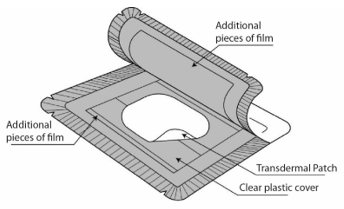
    This Instructions for Use contains information on how to use GWYN LO transdermal system (TDS) (also called a patch).

    Instructions For Use: Patch Parts (Image 07)

    Instructions For Use: Patch Parts (Image 07)

    Important Information You Need to Know Before Using GWYN LO

    • Each patch is individually sealed in a pouch. Do not remove the patch from the pouch until you are ready to apply it.
    • GWYN LO is for skin use only.
    • Do not share your GWYN LO patch with any other person.
    • Do not cut, damage or alter your GWYN LO patch in any way.
    • Wear the patch for 7 Days (1 week) and then apply a new patch. If the patch is cut, damaged or changed in any way, it may be less effective.
    • Apply a new patch on the same day each week (Patch Change Day) for 3 weeks (Weeks 1 to 3).
    • Remove the old GWYN LO patch before applying a new one.
    • During Week 4, do not wear a patch.
    • After Week 4, repeat the cycle of 3 weeks of applying a patch followed by a patch free week.
    • The patch must stick securely to your skin to work properly.
    • Do not try to reapply a patch if it is no longer sticky, if it has become stuck to itself or another surface, or if it has other material stuck to it.
    • Do not tape or wrap the patch to your skin or reapply a patch that is partially adhered to clothing.
    • If you are not sure how to use your patch:
      • oUse a back-up contraception method such as a condom and spermicide or diaphragm and spermicide anytime you have sex. Make sure to have one of these non-hormonal contraception methods ready at all times.
      • Preparing to use GWYN LO

        • If you are not currently using hormonal birth control, you have 2 ways to begin using your GWYN LO patch. Choose the way that is best for you:
          • oDay 1 Start: Apply your first GWYN LO patch during the first 24 hours of your menstrual period. Your “Patch Change Day” will be on this day every week. If you start after the first 24 hours of your menstrual period, non-hormonal back up birth control (such as condoms and spermicide, or diaphragm and spermicide) should be used in addition to the patch for the first 7 days of your first patch cycle.
          • oSunday Start: Apply your first GWYN LO patch on the first Sunday after your menstrual period begins. Use a non-hormonal contraceptive method of birth control, such as a condom and spermicide or diaphragm and spermicide, for the first 7 days of your first cycle only. If your period starts on Sunday, apply your first GWYN LO patch that day, and no back-up birth control is needed.
          • If you are changing from oral hormone birth control pills, a vaginal contraceptive ring or another contraceptive patch to the GWYN LO patch:
            • oComplete your current oral hormone birth control pill cycle, vaginal ring cycle or contraceptive transdermal patch cycle. Apply your first GWYN LO patch on the day you would normally start your next oral hormone birth control pill, patch or insert your next vaginal ring.
            • oIf you do not get your period within 1 week after taking your last active oral hormone birth control pill, removing your last vaginal ring or contraceptive transdermal patch, check with your healthcare provider to make sure you are not pregnant. You may still go ahead and start GWYN LO patch for contraception.
            • oIf you apply your GWYN LO patch more than 1 week after taking your last active oral hormone birth control pill, removing your last vaginal ring or contraceptive transdermal patch, use a non-hormonal contraceptive method, such as a condom and spermicide or diaphragm and spermicide with the GWYN LO patch for the first 7 days of patch use.
            • If you are using GWYN LO after childbirth:
              • oIf you are not breastfeeding, wait 4 weeks before using GWYN LO and use a non-hormonal contraceptive method of birth control, such as a condom and spermicide or diaphragm and spermicide, for the first 7 days of your first cycle only. If you have had sex since your baby was born, wait for your first period, or see your healthcare provider to make sure you are not pregnant before starting GWYN LO.
              • If you start using GWYN LO after a miscarriage or abortion:
                • oYou may start GWYN LO right away after a miscarriage or abortion that occurs in the first 12 weeks (first trimester) of pregnancy. You do not need to use another contraceptive method.
                • oIf you do not start GWYN LO within 5 days after a first trimester miscarriage or abortion, use a non-hormonal contraceptive method of birth control, such as a condom and spermicide or diaphragm and spermicide, while you wait for your period to start. You have 2 ways to begin using your GWYN LO patch. Choose the way that is best for you:
                  • Day 1 Start: Apply your first GWYN LO patch during the first 24 hours of your menstrual period.
                  • Sunday Start: Apply your first GWYN LO patch on the first Sunday after your menstrual period begins. Use a non-hormonal contraceptive method of birth control, such as a condom and spermicide or diaphragm and spermicide, for the first 7 days of your first cycle only. If your period starts on Sunday, apply your first GWYN LO patch that day, and no back-up birth control is needed.
                  • If you are starting GWYN LO after a miscarriage or abortion that occurs after the first 12 weeks of pregnancy (second trimester), wait 4 weeks before using GWYN LO and use a non-hormonal contraceptive method of birth control, such as a condom and spermicide or diaphragm and spermicide, for the first 7 days of your first cycle only. If you have had sex since your miscarriage or abortion, wait for your first period, or see your healthcare provider to make sure you are not pregnant before starting GWYN LO.
                  • How to Apply GWYN LO

                    Step 1. Choose a place on your body to apply your GWYN LO patch

                    Ifu, Figure A (Image 05)

                    Ifu, Figure A (Image 05)

                    Figure A
                    • Apply the patch on your upper outer arm, abdomen, buttock or back in a place where it will not be rubbed by tight clothing. See Figure A. Avoid the waistline or straps because clothing and belts may cause your patch to be rubbed off.
                    • Do not apply the patch to your breasts, on cut or irritated skin, or on the same place as the previous system, but you may use the same body part (upper outer arms, abdomen, buttock, or back).
                    • Before applying the patch:
                      • oClean and dry the skin.
                      • Do not apply any powder, cream, oil, or lotion to the skin.
                      • Step 2. Apply your GWYN LO patch

                        Instructions For Use: Figure B (Image 09)

                        Instructions For Use: Figure B (Image 09)

                        Figure B
                        • Tear open the pouch at the top edge and one side edge. Peel open the foil pouch. See Figure B. Gently remove the contents of the foil pouch and throw away (discard) the additional pieces of film above and below the patch, being careful not to separate the patch from the clear plastic cover.
                        Instructions For Use: Figure C (Image 10)

                        Instructions For Use: Figure C (Image 10)

                        Figure C
                        • Hold the patch with the clear plastic facing you. Peel away one piece of the clear plastic. Throw away (discard) the clear plastic. Avoid touching the sticky surface with your fingers. See Figure C.
                        Instructions For Use: Figure D (Image 11)

                        Instructions For Use: Figure D (Image 11)

                        Figure D
                        • Apply the sticky side of the patch to clean, dry skin. Remove the other piece of the clear plastic and apply the entire patch to your skin. See Figure D. Throw away (discard) the clear plastic.
                        Instructions For Use: Figure E (Image 14)

                        Instructions For Use: Figure E (Image 14)

                        Figure E
                        • Press firmly on the patch with the palm of your hand for 10 seconds, making sure that the whole patch sticks to your skin.
                        • Run your fingers over the entire surface area to smooth out any “wrinkles” around the outer edges of the patch. See Figure E.
                        • Check your patch every day and after any water exposure (such as bathing or showering) to make sure all edges are sticking correctly.

                        Step 3. Removing your GWYN LO patch

                        • Remove your patch after 7 days on your Patch Change Day.
                        • Disposing of GWYN LO

                          • To throw away the patch, fold the sticky sides of the patch together, place it in a sturdy child-proof container, and place the container in the trash.
                          • Used patches should not be flushed down the toilet.
                          • For more information on how to safely throw away medicines, see www.fda.gov/drugdisposal.
                          • Storing GWYN LO

                            • Store at 68°F to 77°F (20°C to 25°C). Do not store in the refrigerator or freezer.
                            • Store patches in their protective pouches.
                            • Apply right away upon removal from the protective pouch.
                            • Keep GWYN LO and all medicines out of reach of children and pets.
                            • Additional Information:

                              • If your patch edge lifts up:
                                • oPress down firmly on the patch with the palm of your hand for 10 seconds, making sure that the whole patch sticks to your skin. Run your fingers over the entire surface area to smooth out any “wrinkles” around the edges of the patch.
                                • oIf your patch does not stick completely, remove it and apply a new patch.
                                • If your patch has been off or partially off:
                                  • oFor less than 1 Day, try to reapply it. If the patch does not stick completely, apply a new patch right away. No back-up contraception is needed and your “Patch Change Day” will stay the same.
                                  • oFor more than 1 Day or if you are not sure for how long, you could become pregnant. To reduce this chance, apply a new patch and start a new 4-week cycle. You will now have a new “Patch Change Day.” Use a non-hormonal back-up contraception method such as a condom and spermicide or diaphragm and spermicide for the first week of your new 4-week patch cycle.
                                  • oOnly one patch should be worn at a time.
                                  • If you want to move your “Patch Change Day” to a different day of the week, finish your current cycle. Remove your third patch on the correct day.
                                    • oDuring week 4, the “Patch Free Week” (Day 22 through Day 28), you may choose an earlier “Patch Change Day” by applying a new patch on the day you prefer. You now have a new Day 1 and a new “Patch Change Day.”
                                    • If your patch becomes uncomfortable or your application site is red, painful or swollen, change your patch. Remove your patch and apply a new patch to a new location until your next “Patch Change Day.”
                                    • If you forget to change or remove your patch:
                                      • oAt the start of any patch cycle (Week 1, Day 1):
                                        • You could become pregnant. You must use a back-up contraception method for 7 days. Apply the first patch of your new cycle as soon as you remember. You now have a new “Patch Change Day” and a new Day 1.
                                        • oIn the middle of your patch cycle (Week 2 or Week 3):
                                          • If you forget to change your patch for 1 or 2 days, apply a new patch as soon as you remember. Apply your next patch on your normal “Patch Change Day.” No back-up contraception method is needed.
                                          • If you forget to change your patch for more than 2 days, you could become pregnant. Start a new 4-week cycle as soon as you remember by putting on a new patch. You now have a different “Patch Change Day” and a new Day 1. You must use a back-up contraception method for the first 7 days of your new cycle.
                                          • oAt the end of your patch cycle (Week 4):
                                            • If you forget to remove your patch, take it off as soon as you remember. Start your next cycle on your normal “Patch Change Day,” the day after Day 28. No back-up contraception method is needed.
                                            • If you forget to apply your patch at the start of your next patch cycle, you could become pregnant. Apply the first patch of your new cycle as soon as you remember. You now have a new “Patch Change Day” and a new Day 1. Use a non-hormonal back-up contraception method such as a condom and spermicide or diaphragm and spermicide for the first 7 days of your new 4-week patch cycle.
                                            • If you have trouble remembering to change your patch, talk to your healthcare provider about how to make patch changing easier or about using another method of contraception.
                                            • If you find yourself in need of an additional patch because you needed to replace a patch, contact Viatris at 1-877-446-3679 (1-877-4-INFO-RX).
                                            • Distributed by:
                                              Viatris Specialty LLC
                                              Morgantown, WV 26505 U.S.A.

                                              © 2026 Viatris Inc.

                                              Gwyn Lo is a trademark of Mylan Pharmaceuticals Inc., a Viatris Company.

                                              VSL:IFU:NEETSLO:R2


                                              This Instructions for Use has been approved by the U.S. FDA and Drug Administration.

                                              Issued: 7/2026

    Principal Display Panel – 220 Mcg/20 Mcg

    NDC 49502-627-62

    Contents: 3 Transdermal Systems | Rx only

    Gwyn Lo
    (norelgestromin and ethinyl estradiol
    transdermal system) 220 mcg/20 mcg per day

    Each 14 cm2 system contains 4.86 mg norelgestromin, USP and 0.264 mg ethinyl
    estradiol, USP. The inactive components are crospovidone, dipropylene glycol,
    mineral oil, nonwoven polyester fabric, oleyl alcohol, polyethylene/polyester film,
    polyisobutylene adhesive and release coated polyester liner. Each patch is printed
    with brown ink.

    This product is intended to prevent pregnancy. It does not protect against
    HIV infection (AIDS) and other sexually transmitted diseases.

    For Transdermal Use Only

    Dosage: see Prescribing Information. Apply immediately upon removal
    from pouch. Each transdermal system is intended to be worn 7 days as
    prescribed.

    Keep out of reach of children. Package not child-resistant.

    Store in the pouch until ready for use. Store at 20°C to 25°C (68°F to
    77°F); excursions permitted 15°C to 30°C (59°F to 86°F). [See USP
    Controlled Room Temperature.]
    Do not store in the refrigerator or
    freezer.

    See Patient Information and Instructions for Use.

    Note your Patch
    Change Day here

    Sunday

    Monday

    Tuesday

    Wednesday

    Thursday

    Friday

    Saturday

    To discard: 1) fold the sticky sides together, 2) place in sturdy child-proof container,
    and 3) place in the trash.

    Distributed by:
    Viatris Specialty LLC
    Morgantown, WV 26505 U.S.A.

    Gwyn Lo is a trademark of
    Mylan Pharmaceuticals Inc., a Viatris Company.
    © 2026 Viatris Inc.

    VSL:627:222:3C:R1

    Gwyn Lo 220 Mcg/20 Mcg Container Label (Image 06)

    Gwyn Lo 220 Mcg/20 Mcg Container Label (Image 06)

    * Please review the disclaimer below.