Rivaroxaban Tablet, Coated
Product Images NDC 51672-4228

View Photos of Packaging, Regulatory Labels, and Product Appearance

Product Visual Gallery

This gallery contains 12 technical images submitted to the FDA as part of the official labeling for Rivaroxaban (NDC 51672-4228). Unlike standard consumer photos, these assets often include clinical data figures, molecular chemical structures, and official manufacturer packaging layouts.

As provided by Sun Pharmaceutical Industries, Inc., these visuals offer a comprehensive scientific overview of the product's physical and chemical identity, aiding pharmacists and researchers in product verification and study.

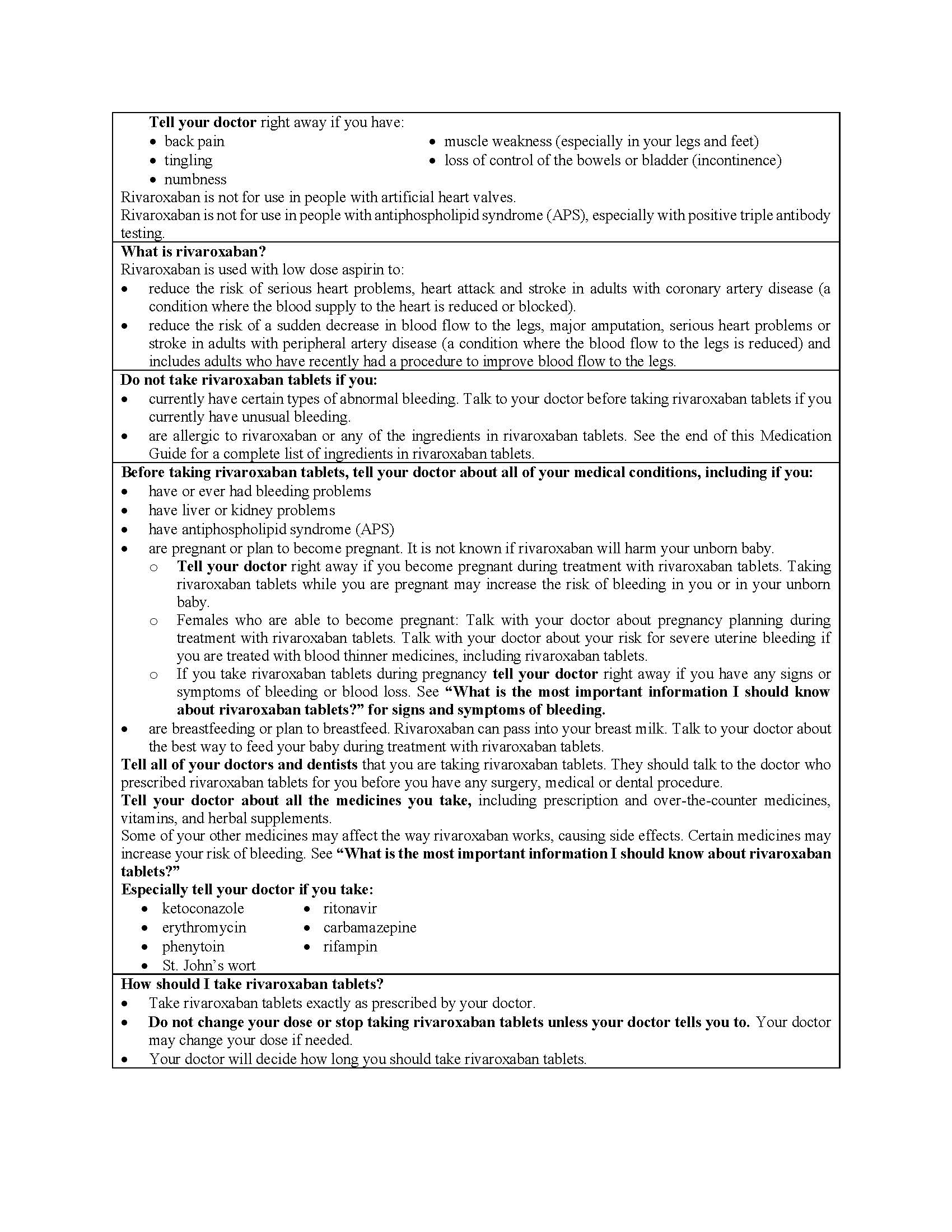
FDA Label Image

1 (Dispense With Medication Guide Available At Page 1)
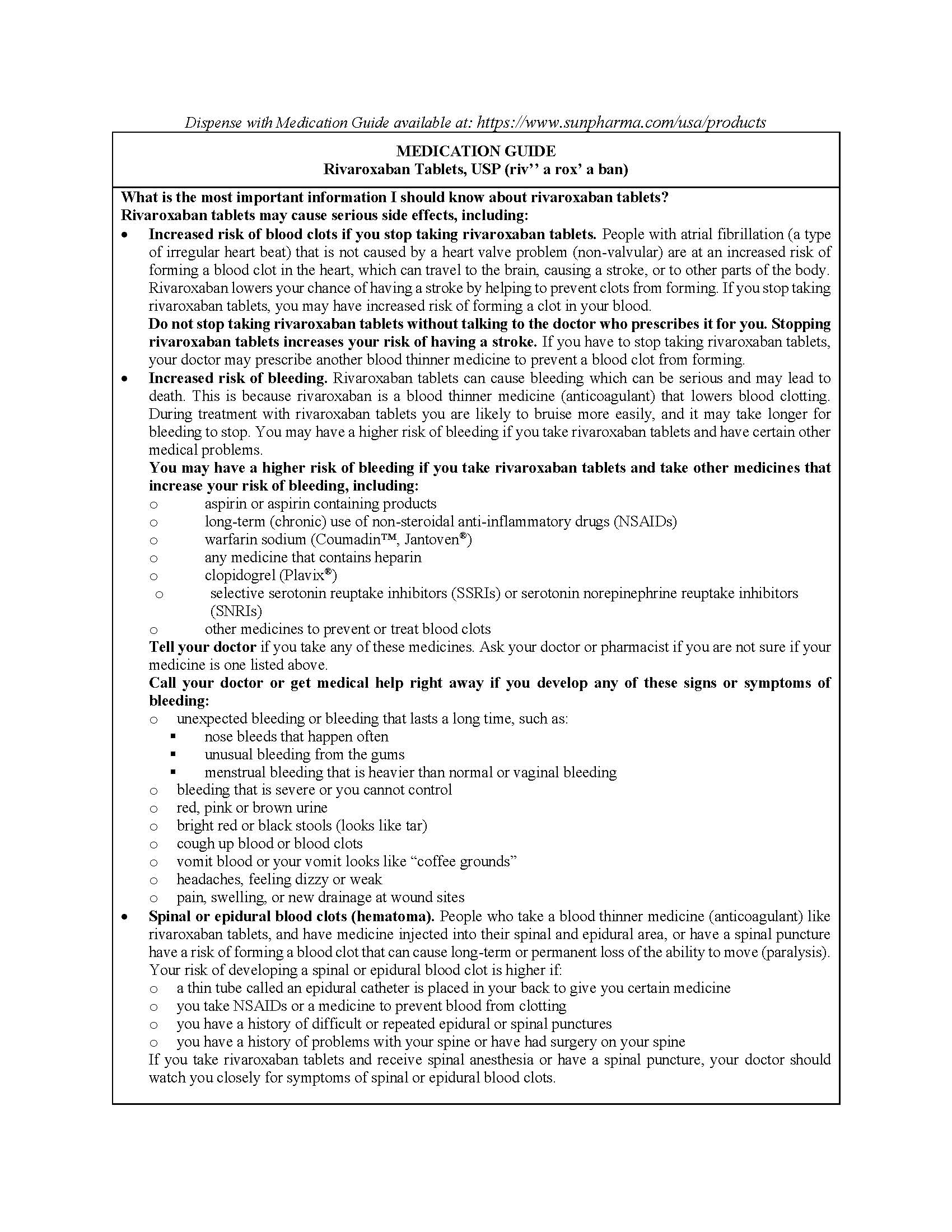
1 (Dispense With Medication Guide Available At Page 1)
The text provided is a Medication Guide for Rivaroxaban Tablets, which is a medication used to prevent blood clots and strokes in patients with atrial fibrillation. It contains crucial information on the risks and side effects associated with this medicine, such as an increased risk of bleeding and spinal or epidural blood clots. Patients are advised not to stop taking Rivaroxaban without consulting their doctor to avoid potential complications. Additional guidance is given on what to do in case of bleeding symptoms and the interactions with other medicines that may increase the risk of bleeding. For further details and proper usage, individuals are recommended to refer to the Medication Guide available at the mentioned website.*
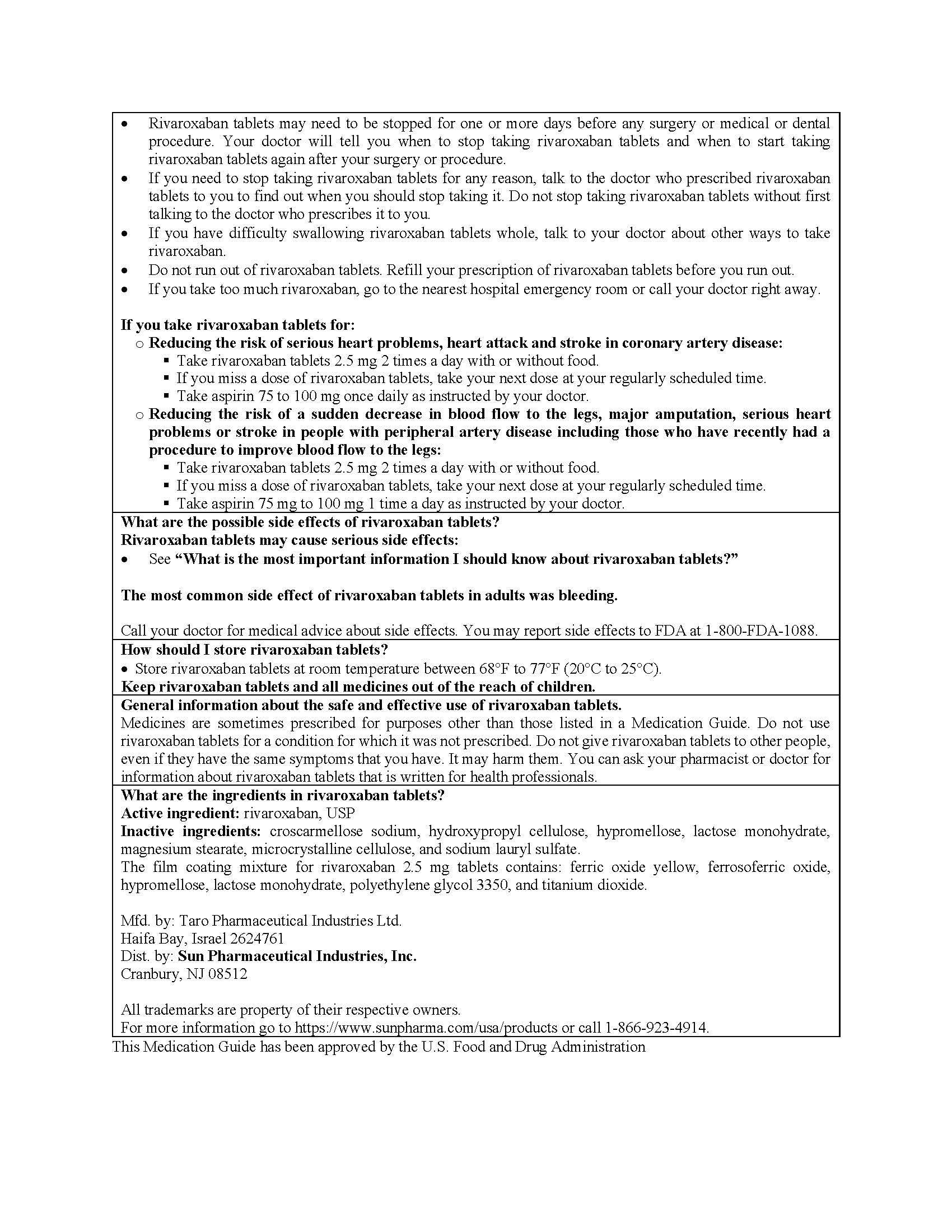
FDA Label Image

2 (Dispense With Medication Guide Available At Page 2)

2 (Dispense With Medication Guide Available At Page 2)
This text provides important information about the medication Rivaroxaban and its uses, precautions, and potential side effects. It advises individuals to inform their doctor immediately if they experience certain symptoms such as back pain, muscle weakness, tingling, or numbness. It emphasizes that Rivaroxaban should not be used by individuals with artificial heart valves or antiphospholipid syndrome. The text also outlines conditions for which Rivaroxaban is used, such as reducing the risk of heart problems and strokes in adults with coronary artery disease or peripheral artery disease. Additionally, it includes guidelines on when not to take Rivaroxaban, advice for pregnant or breastfeeding individuals, and the importance of informing healthcare providers about taking Rivaroxaban before undergoing any surgery or dental procedures. Furthermore, it lists potential drug interactions that may affect the efficacy of Rivaroxaban. The text concludes with instructions on how to take Rivaroxaban tablets as prescribed by a doctor and the importance of not changing the dosage without medical supervision.*
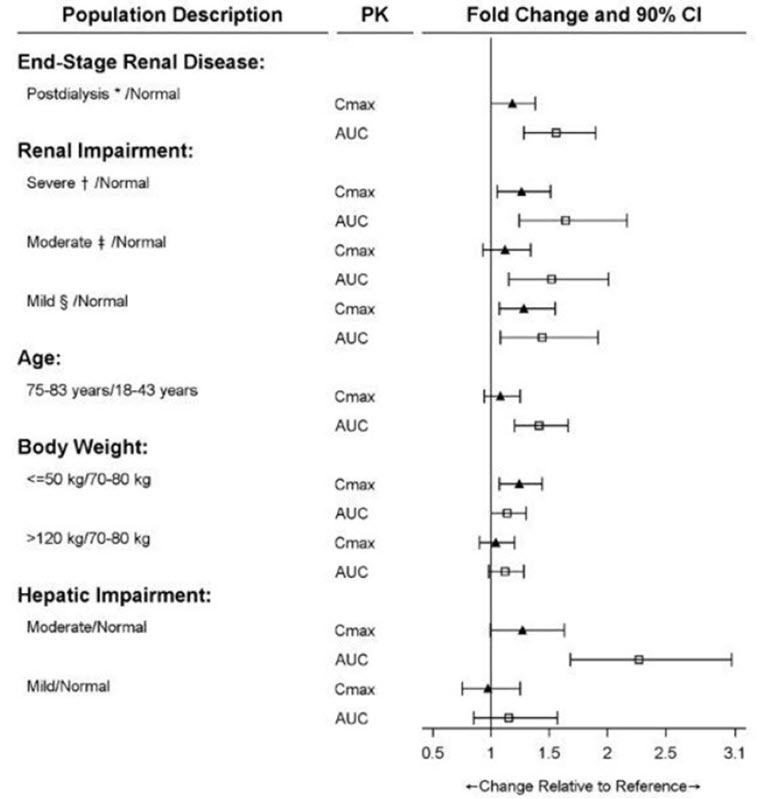
FDA Label Image

3 (Dispense With Medication Guide Available At Page 3)

3 (Dispense With Medication Guide Available At Page 3)
The text provides important information about the medication Rivaroxaban tablets, including dosing instructions, potential side effects, storage guidelines, and details about the active and inactive ingredients. It emphasizes the importance of following the doctor's advice on stopping or adjusting the medication for surgeries or procedures. It also highlights the risks of overdose and the need to seek medical help in case of consuming too much of the medication. Additional details on how to handle missed doses and refill prescriptions are also included. The text also includes contact information for reporting side effects and the manufacturer's details.*
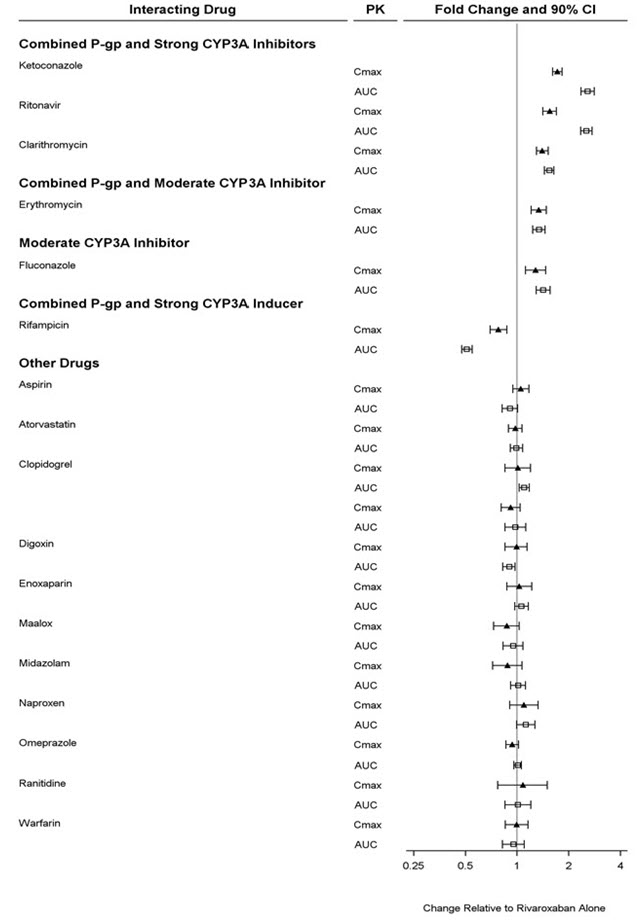
FDA Label Image

Container Label (Rx525660200l60 Sun19a)

Container Label (Rx525660200l60 Sun19a)
This is a description of NDC 51672-42284 Edch tablet which contains rivaroxaban and is used for anticoagulation. The usual dosage information can be found in the package insert. It should be stored at 20° to 25°C (68° to 77°F) and dispensed with a Medication Guide provided with the tablets. The tablets are manufactured by Taro Pharmaceutical Industries Ltd in Haifa Bay, Israel, and distributed by Sun Pharmaceutical Industries, Inc. in Cranbury, NJ.*
FDA Label Image

Chemical Structure (Rivaroxaban 02)

FDA Label Image

Figure 2 (Rivaroxaban 03)

FDA Label Image

Figure 3 (Rivaroxaban 04)

FDA Label Image

Figure 9 (Rivaroxaban 10)

FDA Label Image

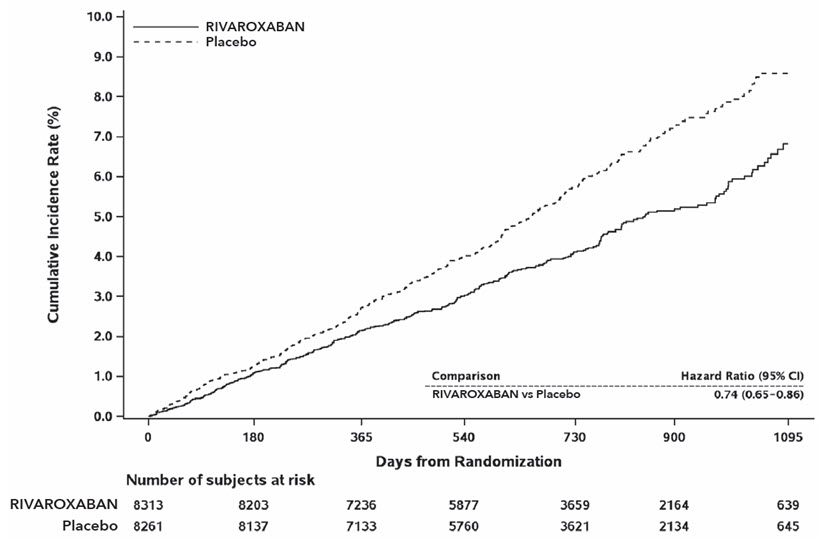
Figure 10 (Rivaroxaban 11)

Figure 10 (Rivaroxaban 11)
This text provides data on the comparison of Rivaroxaban to a placebo in a clinical trial over a period of 3 years. It includes the cumulative incidence rates and the number of subjects at risk at various time points. The Hazard Ratio with the 95% Confidence Interval is also presented for the comparison between Rivaroxaban and the placebo.*
FDA Label Image

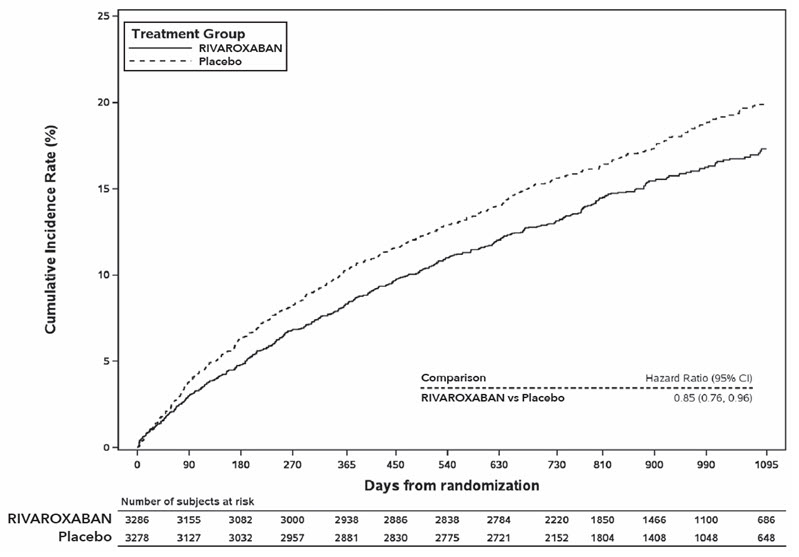
Figure 11 (Rivaroxaban 12)

FDA Label Image

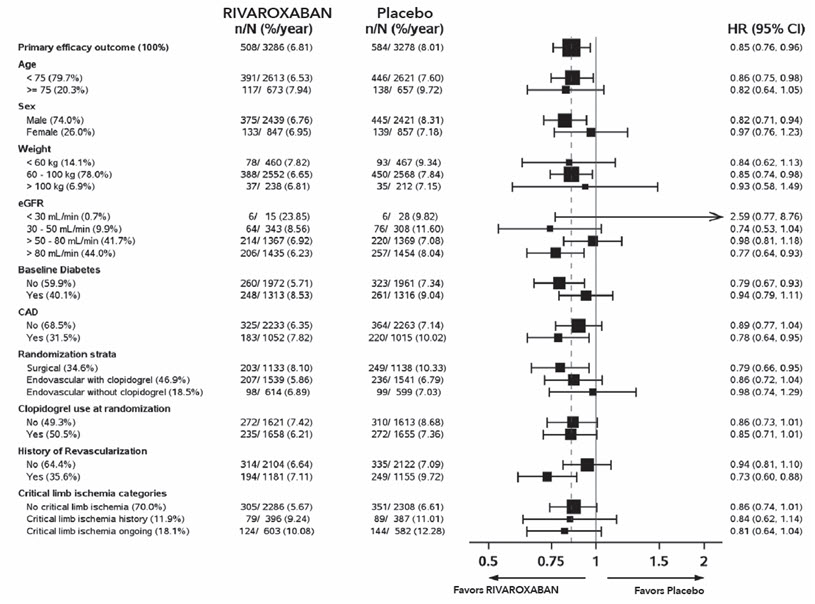
Figure 12 (Rivaroxaban 13)

FDA Label Image

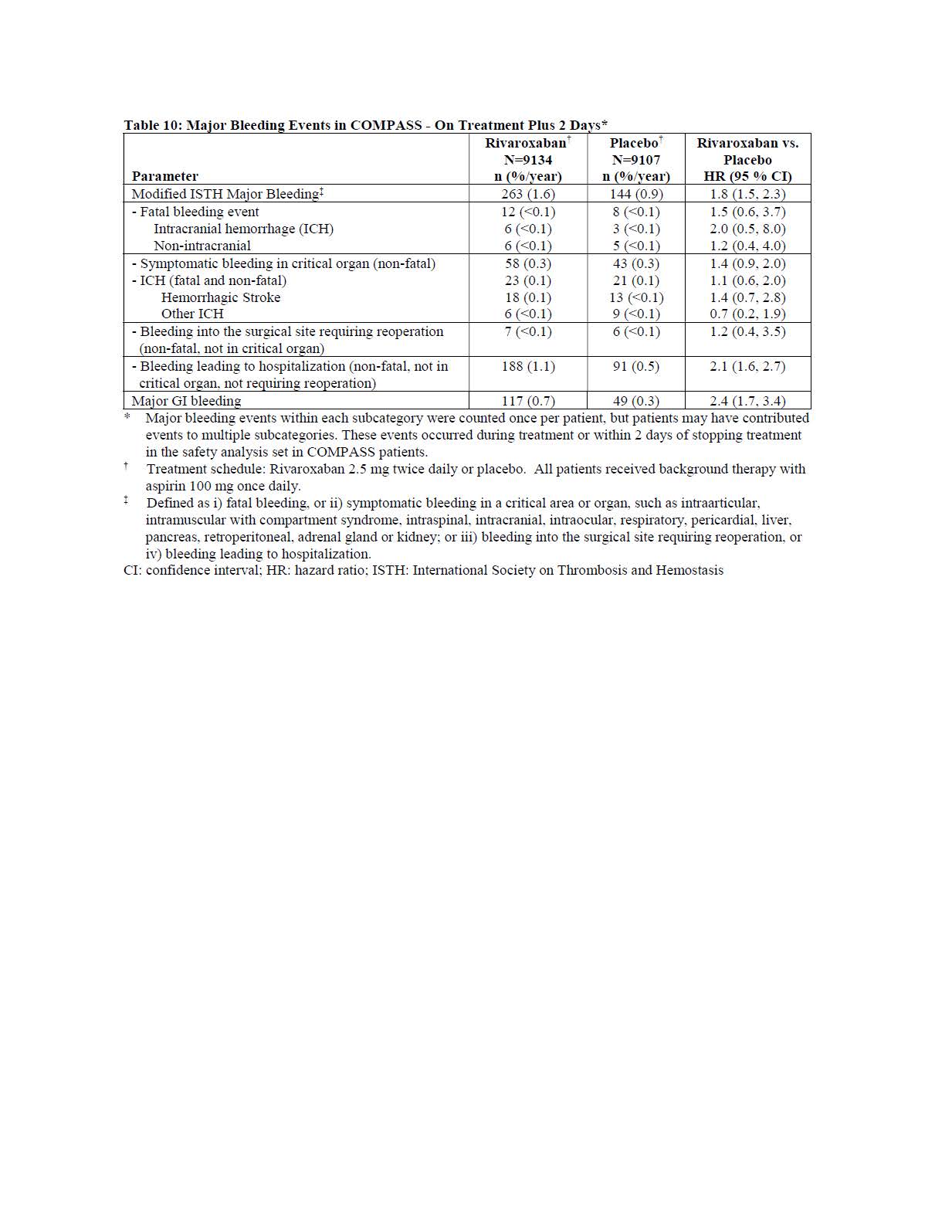
Table (Table 10)

Table (Table 10)
The text provides a detailed breakdown of major bleeding events in the COMPASS trial for patients on treatment with rivaroxaban or placebo. It includes data on various types of bleeding events such as fatal bleeding, intracranial hemorrhage, symptomatic bleeding in critical organs, and others. The analysis compares the incidence rates between the two groups and reports hazard ratios with confidence intervals. Additionally, it outlines the treatment schedule and defines major bleeding events based on specific criteria. Overall, the text offers valuable insights into the safety profile of rivaroxaban in this clinical setting.*

* These product label images have been analyzed using experimental machine learning. Please verify findings with the primary label text.