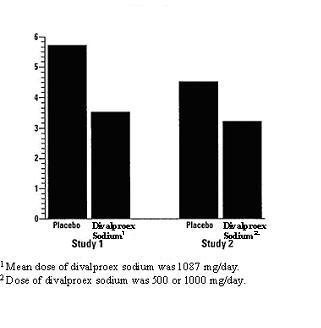
In placebo-controlled clinical trials of acute mania, patients were dosed to clinical response with trough plasma concentrations between 50 and 125 mcg/mL (see DOSAGE AND ADMINISTRATION).
The effectiveness of divalproex sodium delayed-release tablets for the treatment of acute mania was demonstrated in two 3 week, placebo controlled, parallel group studies.
(1) Study 1: The first study enrolled adult patients who met DSM-III-R criteria for Bipolar Disorder and who were hospitalized for acute mania. In addition, they had a history of failing to respond to or not tolerating previous lithium carbonate treatment. Divalproex sodium was initiated at a dose of 250 mg tid and adjusted to achieve serum valproate concentrations in a range of 50 to 100 mcg/mL by day 7. Mean divalproex sodium doses for completers in this study were 1118, 1525, and 2402 mg/day at Days 7, 14, and 21, respectively. Patients were assessed on the Young Mania Rating Scale (YMRS; score ranges from 0 to 60), an augmented Brief Psychiatric Rating Scale (BPRS-A), and the Global Assessment Scale (GAS). Baseline scores and change from baseline in the Week 3 endpoint (last-observation-carry-forward) analysis were as follows:
Study 1| YMRS Total Score |
| Group | Baseline Mean score at baseline | BL to Wk 3 Change from baseline to Week 3 (LOCF) | Difference Difference in change from baseline to Week 3 endpoint (LOCF) between divalproex sodium and placebo |
| Placebo | 28.8 | +0.2 | |
| Divalproex Sodium Delayed-Release Tablets | 28.5 | -9.5 | 9.7 |
| BPRS-A Total Score |
| Group | Baseline | BL to Wk 3 | Difference |
| Placebo | 76.2 | +1.8 | |
| Divalproex Sodium Delayed-Release Tablets | 76.4 | -17.0 | 18.8 |
| GAS Score |
| Group | Baseline | BL to Wk 3 | Difference |
| Placebo | 31.8 | 0.0 | |
| Divalproex Sodium Delayed-Release Tablets | 30.3 | +18.1 | 18.1 |
Divalproex sodium was statistically significantly superior to placebo on all three measures of outcome.
(2) Study 2: The second study enrolled adult patients who met Research Diagnostic Criteria for manic disorder and who were hospitalized for acute mania. Divalproex sodium was initiated at a dose of 250 mg tid and adjusted within a dose range of 750 to 2500 mg/day to achieve serum valproate concentrations in a range of 40 to 150 mcg/mL. Mean divalproex sodium doses for completers in this study were 1116, 1683, and 2006 mg/day at Days 7, 14, and 21, respectively. Study 2 also included a lithium group for which lithium doses for completers were 1312, 1869, and 1984 mg/day at Days 7, 14, and 21, respectively. Patients were assessed on the Manic Rating Scale (MRS; score ranges from 11 to 63), and the primary outcome measures were the total MRS score, and scores for two subscales of the MRS, i.e., the Manic Syndrome Scale (MSS) and the Behavior and Ideation Scale (BIS). Baseline scores and change from baseline in the Week 3 endpoint (last-observation-carry-forward) analysis were as follows:
Study 2| MRS Total Score |
| Group | Baseline Mean score at baseline | BL to Day 21 Change from baseline to Day 21 (LOCF) | Difference Difference in change from baseline to Day 21 endpoint (LOCF) between divalproex sodium and placebo and lithium and placebo |
| Placebo | 38.9 | -4.4 | |
| Lithium | 37.9 | -10.5 | 6.1 |
| Divalproex Sodium Delayed-Release Tablets | 38.1 | -9.5 | 5.1 |
| MSS Total Score |
| Group | Baseline | BL to Day 21 | Difference |
| Placebo | 18.9 | -2.5 | |
| Lithium | 18.5 | -6.2 | 3.7 |
| Divalproex Sodium Delayed-Release Tablets | 18.9 | -6.0 | 3.5 |
| BIS Total Score |
| Group | Baseline | BL to Day 21 | Difference |
| Placebo | 16.4 | -1.4 | |
| Lithium | 16.0 | -3.8 | 2.4 |
| Divalproex Sodium Delayed-Release Tablets | 15.7 | -3.2 | 1.8 |
Divalproex sodium was statistically significantly superior to placebo on all three measures of outcome. An exploratory analysis for age and gender effects on outcome did not suggest any differential responsiveness on the basis of age or gender.
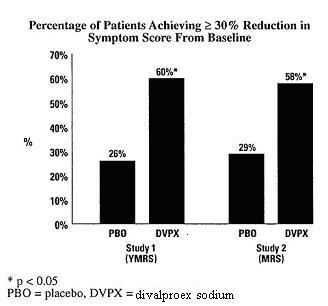
A comparison of the percentage of patients showing ≥ 30% reduction in the symptom score from baseline in each treatment group, separated by study, is shown in Figure 1.
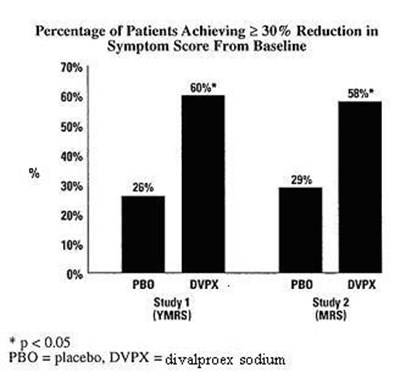
Figure 1 (B4093fb8 152f 476a 8316 0071647e48ec 02)
Divalproex sodium delayed-release tablets are indicated for the treatment of the manic episodes associated with bipolar disorder. A manic episode is a distinct period of abnormally and persistently elevated, expansive, or irritable mood. Typical symptoms of mania include pressure of speech, motor hyperactivity, reduced need for sleep, flight of ideas, grandiosity, poor judgement, aggressiveness, and possible hostility.
The efficacy of divalproex sodium was established in 3 week trials with patients meeting DSM-III-R criteria for bipolar disorder who were hospitalized for acute mania (see CLINICAL PHARMACOLOGY, Clinical Trials).
The safety and effectiveness of divalproex sodium for long-term use in mania, i.e., more than 3 weeks, has not been systematically evaluated in controlled clinical trials. Therefore, healthcare providers who elect to use divalproex sodium for extended periods should continually reevaluate the long-term usefulness of the drug for the individual patient.
The incidence of treatment-emergent events has been ascertained based on combined data from two placebo-controlled clinical trials of divalproex sodium in the treatment of manic episodes associated with bipolar disorder. The adverse events were usually mild or moderate in intensity, but sometimes were serious enough to interrupt treatment. In clinical trials, the rates of premature termination due to intolerance were not statistically different between placebo, divalproex sodium, and lithium carbonate. A total of 4%, 8% and 11% of patients discontinued therapy due to intolerance in the placebo, divalproex sodium, and lithium carbonate groups, respectively.
Table 2 summarizes those adverse events reported for patients in these trials where the incidence rate in the divalproex sodium-treated group was greater than 5% and greater than the placebo incidence, or where the incidence in the divalproex sodium-treated group was statistically significantly greater than the placebo group. Vomiting was the only event that was reported by significantly (p ≤ 0.05) more patients receiving divalproex sodium compared to placebo.
Table 2. Adverse Events Reported by > 5% of Divalproex Sodium-Treated Patients During Placebo-Controlled Trials of Acute Mania
| Adverse Event | Divalproex Sodium (n = 89) | Placebo (n = 97) |
| Nausea | 22% | 15% |
| Somnolence | 19% | 12% |
| Dizziness | 12% | 4% |
| Vomiting | 12% | 3% |
| Asthenia | 10% | 7% |
| Abdominal pain | 9% | 8% |
| Dyspepsia | 9% | 8% |
| Rash | 6% | 3% |
The following additional adverse events were reported by greater than 1% but not more than 5% of the 89 divalproex sodium-treated patients in controlled clinical trials:
Body as a Whole
Chest pain, chills, chills and fever, fever, neck pain, neck rigidity.
Cardiovascular System
Hypertension, hypotension, palpitations, postural hypotension, tachycardia, vasodilation.
Digestive System
Anorexia, fecal incontinence, flatulence, gastroenteritis, glossitis, periodontal abscess.
Hemic and Lymphatic System
Ecchymosis.
Metabolic and Nutritional Disorders
Edema, peripheral edema.
Musculoskeletal System
Arthralgia, arthrosis, leg cramps, twitching.
Nervous System
Abnormal dreams, abnormal gait, agitation, ataxia, catatonic reaction, confusion, depression, diplopia, dysarthria, hallucinations, hypertonia, hypokinesia, insomnia, paresthesia, reflexes increased, tardive dyskinesia, thinking abnormalities, vertigo.
Respiratory System
Dyspnea, rhinitis.
Skin and Appendages
Alopecia, discoid lupus erythematosis, dry skin, furunculosis, maculopapular rash, seborrhea.
Special Senses
Amblyopia, conjunctivitis, deafness, dry eyes, ear pain, eye pain, tinnitus.
Urogenital System
Dysmenorrhea, dysuria, urinary incontinence.
Divalproex sodium delayed-release tablets are administered orally. The recommended initial dose is 750 mg daily in divided doses. The dose should be increased as rapidly as possible to achieve the lowest therapeutic dose which produces the desired clinical effect or the desired range of plasma concentrations. In placebo-controlled clinical trials of acute mania, patients were dosed to a clinical response with a trough plasma concentration between 50 and 125 mcg/mL. Maximum concentrations were generally achieved within 14 days. The maximum recommended dosage is 60 mg/kg/day.
There is no body of evidence available from controlled trials to guide a clinician in the longer term management of a patient who improves during divalproex sodium treatment of an acute manic episode. While it is generally agreed that pharmacological treatment beyond an acute response in mania is desirable, both for maintenance of the initial response and for prevention of new manic episodes, there are no systematically obtained data to support the benefits of divalproex sodium in such longer-term treatment. Although there are no efficacy data that specifically address longer-term antimanic treatment with divalproex sodium, the safety of divalproex sodium in long-term use is supported by data from record reviews involving approximately 360 patients treated with divalproex sodium for greater than 3 months.