1.1 Pediatric Patients
ZOMACTON is indicated for the treatment of pediatric patients who have growth failure due to inadequate secretion of endogenous growth hormone (GH).
The following Structured Product Label (SPL) was submitted to the FDA by Ferring Pharmaceuticals Inc. for the product Zomacton (NDC 55566-1801). This document serves as the official prescribing information, containing essential scientific data and clinical materials required for healthcare providers and patients.
This specific version of the label includes detailed information regarding 1.1 pediatric patients, 1.2 adult patients, 2.1 administration and use instructions, 2.2 pediatric dosage, 2.3 adult dosage, 2.4 reconstitution, 3 dosage forms and strengths, 4 contraindications, and other regulatory disclosures. Use the navigation below to review specific sections of the FDA submission.
ZOMACTON is indicated for the treatment of pediatric patients who have growth failure due to inadequate secretion of endogenous growth hormone (GH).
ZOMACTON is indicated for the replacement of endogenous GH in adults with GH deficiency.
ZOMACTON for injection is a white, lyophilized powder available as:
ZOMACTON is contraindicated in patients with:
Increased mortality in patients with acute critical illness due to complications following open heart surgery, abdominal surgery or multiple accidental trauma, or those with acute respiratory failure has been reported after treatment with pharmacologic doses of somatropin [see Contraindications (4)] . Two placebo-controlled clinical trials in non-GH deficient adult patients (n=522) with these conditions in intensive care units revealed a significant increase in mortality (42% vs. 19%) among somatropin-treated patients (doses 5.3 mg/day-8 mg/day) compared to those receiving placebo. The safety of continuing ZOMACTON treatment in patients receiving replacement doses for approved indications who concurrently develop these illnesses has not been established. ZOMACTON is not indicated for the treatment of non-GH deficient adults.
There have been reports of fatalities after initiating therapy with somatropin in pediatric patients with Prader-Willi syndrome who had one or more of the following risk factors: severe obesity, history of upper airway obstruction or sleep apnea, or unidentified respiratory infection. Male patients with one or more of these factors may be at greater risk than females. Patients with Prader-Willi syndrome should be evaluated for signs of upper airway obstruction and sleep apnea before initiation of treatment with somatropin. If, during treatment with somatropin, patients show signs of upper airway obstruction (including onset of, or increased, snoring) and/or new onset sleep apnea, treatment should be interrupted. All patients with Prader-Willi syndrome treated with somatropin should also have effective weight control and be monitored for signs of respiratory infection, which should be diagnosed as early as possible and treated aggressively [see Contraindications (4)] . ZOMACTON is not indicated for the treatment of pediatric patients who have growth failure due to Prader-Willi syndrome.
In childhood cancer survivors who were treated with radiation to the brain/head for their first neoplasm and who developed subsequent GH deficiency and were treated with somatropin, an increased risk of a second neoplasm has been reported. Intracranial tumors, in particular meningiomas, were the most common of these second neoplasms. In adults, it is unknown whether there is any relationship between somatropin replacement therapy and CNS tumor recurrence [see Contraindications (4)] . Monitor all patients receiving ZOMACTON who have a history of GH deficiency secondary to an intracranial neoplasm for progression or recurrence of the tumor.
Because pediatric patients with certain rare genetic causes of short stature have an increased risk of developing malignancies, practitioners should thoroughly consider the risks and benefits of starting ZOMACTON in these patients. If ZOMACTON is initiated, these patients should be carefully monitored for development of neoplasms. ZOMACTON is not indicated for the treatment of non-GH deficient pediatric patients with short stature.
Monitor patients receiving ZOMACTON carefully for increased growth, or potential malignant changes, of preexisting nevi. Advise patients/caregivers to report marked changes in behavior, onset of headaches, vision disturbances and/or changes in skin pigmentation or changes in the appearance of pre-existing nevi.
Treatment with somatropin may decrease insulin sensitivity, particularly at higher doses. New onset type 2 diabetes mellitus has been reported in patients taking somatropin. Previously undiagnosed impaired glucose tolerance and overt diabetes mellitus may be unmasked. Monitor glucose levels periodically in all patients receiving ZOMACTON, especially in those with risk factors for diabetes mellitus, such as obesity or a family history of diabetes mellitus. Patients with preexisting type 1 or type 2 diabetes mellitus or impaired glucose tolerance should be monitored closely. The doses of antidiabetic agents may require adjustment when ZOMACTON is initiated.
Intracranial hypertension (IH) with papilledema, visual changes, headache, nausea, and/or vomiting has been reported in a small number of patients treated with somatropin. Symptoms usually occurred within the first eight (8) weeks after the initiation of somatropin. In all reported cases, IH-associated signs and symptoms resolved rapidly after cessation of therapy or a reduction of the somatropin dose. Fundoscopic examination should be performed routinely before initiating treatment with ZOMACTON to exclude preexisting papilledema, and periodically thereafter. If papilledema is observed by fundoscopy, treatment should be stopped. If somatropin-induced IH is diagnosed, treatment with ZOMACTON can be restarted at a lower dose after IH-associated signs and symptoms have resolved. Patients with Turner syndrome may be at increased risk for the development of IH. ZOMACTON is not indicated for the treatment of pediatric patients who have growth failure due to Turner syndrome.
Serious systemic hypersensitivity reactions including anaphylactic reactions and angioedema have been reported with postmarketing use of somatropin products. Patients and caregivers should be informed that such reactions are possible and that prompt medical attention should be sought if an allergic reaction occurs [see Contraindications (4)] .
Fluid retention during somatropin replacement therapy in adults may frequently occur. Clinical manifestations of fluid retention (e.g. edema, arthralgia, myalgia, nerve compression syndromes including carpal tunnel syndrome/paraesthesias) are usually transient and dose dependent.
Patients receiving somatropin therapy who have or are at risk for pituitary hormone deficiency(s) may be at risk for reduced serum cortisol levels and/or unmasking of central (secondary) hypoadrenalism. In addition, patients treated with glucocorticoid replacement for previously diagnosed hypoadrenalism may require an increase in their maintenance or stress doses following initiation of ZOMACTON. Monitor patients for reduced serum cortisol levels and/or need for glucocorticoid dose increases in those with known hypoadrenalism [see Drug Interactions (7)] .
Undiagnosed or untreated hypothyroidism may prevent an optimal response to ZOMACTON, in particular, the growth response in pediatric patients. In patients with GH deficiency, central (secondary) hypothyroidism may first become evident or worsen during somatropin treatment. Therefore, patients should have periodic thyroid function tests performed, and thyroid hormone replacement therapy should be initiated or appropriately adjusted when indicated.
Slipped capital femoral epiphysis may occur more frequently in patients undergoing rapid growth. Evaluate pediatric patients with the onset of a limp or complaints of hip or knee pain.
Somatropin increases the growth rate and progression of existing scoliosis can occur in patients who experience rapid growth. Somatropin has not been shown to increase the occurrence of scoliosis. Monitor patients with a history of scoliosis for progression of scoliosis.
Cases of pancreatitis have been reported in pediatric patients and adults receiving somatropin. The risk may be greater in pediatric patients compared with adults. Pancreatitis should be considered in patients who develop abdominal pain.
Serious and fatal adverse reactions including "gasping syndrome" can occur in neonates and infants treated with benzyl alcohol-preserved drugs, including the bacteriostatic 0.9% sodium chloride diluent provided with ZOMACTON 5 mg. The "gasping syndrome" is characterized by central nervous system depression, metabolic acidosis, and gasping respirations.
When administering ZOMACTON 5 mg to infants, reconstitute with normal saline, not the diluent provided. Only one dose should be used per vial and the reconstituted product should be discarded after use [see Use in Specific Populations (8.4)].
When somatropin is administered subcutaneously at the same site over a long period of time, tissue atrophy may result. This can be avoided by rotating the injection site [see Dosage and Administration (2.2)] .
Serum levels of inorganic phosphorus, alkaline phosphatase, parathyroid hormone and IGF-1 may increase after ZOMACTON treatment.
The following important adverse reactions are also described elsewhere in the labeling:
Because clinical trials are conducted under varying conditions, adverse reaction rates observed during the clinical trials performed with one somatropin formulation cannot always be directly compared to the rates observed during the clinical trials performed with a different approved somatropin formulation, and may not reflect the adverse reaction rates observed in practice.
Pediatric Patients
ZOMACTON was evaluated in 164 pediatric patients with short stature due to GHD in an open-label, multi-center study conducted in the United States and Israel. The protocol was designed to study the safety and efficacy of somatropin through 24 weeks and later extended for up to 4 years. The subjects ranged in age from 2.1 to 17.7 years with a mean of 10.8 years. One hundred twenty (73%) of the subjects were male and 44 (27%) were female. Two subjects were Asian, 12 were Black, 130 were Caucasian, and 20 were categorized as 'other'.
| Adverse Reaction | 24 Week Exposure to ZOMACTON
(n=164) |
|---|---|
| Upper respiratory infection | 32% |
| Fever | 16% |
| Pharyngitis | 12% |
| Headache | 11% |
| Otitis Media | 10% |
| Increased cough | 9% |
| Abdominal pain | 7% |
| Anemia | 6% |
| Maculopapular rash | 6% |
| Diarrhea | 5% |
| Pain | 5% |
| Rhinitis | 5% |
All pediatric patients were carefully observed for signs or laboratory abnormalities of hypothyroidism. Fifteen patients had T4 values which occasionally fell below the central laboratory's lower limit of normal; T4 levels rose to normal when tested during the next visit for all patients except one who continued to be monitored. Six of the 15 patients received thyroxine therapy before and throughout the study period, and thyroxine dose adjustments were made during the study in 3/6 subjects.
In studies with GH deficient pediatric patients, injection site pain was reported infrequently. A mild and transient edema, which appeared in 2.5% of patients, was observed early during the course of treatment.
Adult Patients
Adult-Onset GH Deficiency
In the first 6 months of controlled blinded trials during which patients received either another somatropin product or placebo, patients who received this other somatropin product experienced a statistically significant increase in edema (another somatropin product 17% vs. placebo 4%, p=0.043) and peripheral edema (12% vs. 0%, respectively, p=0.017). Edema, muscle pain, joint pain, and joint disorder were reported early in therapy and tended to be transient or responsive to dosage titration.
Two of 113 patients developed carpal tunnel syndrome after beginning maintenance therapy without a low dose (0.00625 mg/kg/day) lead-in phase. Symptoms abated in these patients after dosage reduction.
All adverse reactions with ≥5% overall occurrence rate during 12 or 18 months of replacement therapy with another somatropin product are shown in Table 2 (adult-onset patients) and in Table 3 (childhood-onset patients).
Adult patients treated with another somatropin product who had been diagnosed with GH deficiency in childhood reported adverse reactions less frequently than those with adult-onset GH deficiency.
| Adverse Reaction | 18 Months Exposure
[Placebo (6 Months)/GH (12 Months)] (N=46) (%) | 18 Months GH Exposure
(N=52) (%) |
|---|---|---|
| Edema
p=0.04 as compared to placebo (6 months). | 15 | 21 |
| Arthralgia | 15 | 17 |
| Paresthesia | 13 | 17 |
| Myalgia | 13 | 14 |
| Pain | 13 | 14 |
| Rhinitis | 11 | 14 |
| Peripheral edema
p=0.02 as compared to placebo (6 months). | 17 | 12 |
| Back pain | 11 | 10 |
| Headache | 11 | 8 |
| Hypertension | 4 | 8 |
| Acne | 0 | 6 |
| Joint disorder | 2 | 6 |
| Surgical procedure | 2 | 6 |
| Flu syndrome | 7 | 4 |
Childhood-Onset GH Deficiency
Two double-blind, placebo-controlled trials were conducted in 67 adult patients who had received previous somatropin treatment during childhood. Patients were randomized to receive either placebo injections or another somatropin product (0.00625 mg/kg/day for the first 4 weeks, then 0.0125 mg/kg/day thereafter) for the first 6 months, followed by open-label use of another somatropin product for the next 12 months for all patients. The patients in these studies reported side effects less frequently than those with adult-onset GH deficiency. During the placebo-controlled phase (first 6 months) of the study, elevations of serum glutamic oxaloacetic transferase were reported significantly more often for somatropin-treated (12.5%) than placebo-treated patients (0.0%, p=0.031). No other events were reported significantly more often for somatropin-treated patients during the placebo-controlled phase.
| Adverse Reaction | 18 Months Exposure
[Placebo (6 Months)/GH (12 Months)] (N=35) (%) | 18 Months GH Exposure
(N=32) (%) |
|---|---|---|
| % | % | |
| Flu syndrome | 23 | 16 |
| AST increased
p=0.03 as compared to placebo (6 months). | 6 | 13 |
| Headache | 11 | 9 |
| Asthenia | 3 | 6 |
| Cough increased | 0 | 6 |
| Edema | 9 | 6 |
| Hypesthesia | 0 | 6 |
| Myalgia | 6 | 6 |
| Pain | 9 | 6 |
| Rhinitis | 6 | 6 |
| ALT increased | 6 | 6 |
| Respiratory disorder | 6 | 3 |
| Gastritis | 6 | 0 |
| Pharyngitis | 14 | 3 |
In an ongoing post-marketing observational study of treatment with another somatropin product in 3,102 GH-deficient adults, hypertension, dyspnea, and sleep apnea were reported by 1% to less than 10% of patients after various durations of treatment.
Risk Summary
The ZOMACTON 5 mg diluent contains benzyl alcohol, which has been associated with gasping syndrome in neonates. The preservative benzyl alcohol can cause serious adverse events and death when administered intravenously to neonates and infants . If ZOMACTON 5mg is needed during pregnancy, reconstitute with normal saline, use only one dose per vial, and discard the reconstituted product after use, or use a ZOMACTON 10 mg benzyl alcohol-free formulation [see Warnings and Precautions (5.13) and Use in Specific Populations (8.4)].
Limited available data with somatropin use in pregnant women are insufficient to determine a drug-associated risk of adverse developmental outcomes. Animal reproduction studies have not been conducted with ZOMACTON.
The estimated background risk of major birth defects and miscarriage for the indicated population is unknown. In the U.S. general population, the estimated background risk of major birth defects and miscarriage in clinically recognized pregnancies is 2-4% and 15-20%, respectively.
Risk Summary
The ZOMACTON 5mg diluent contains benzyl alcohol. If ZOMACTON 5mg is needed during lactation, reconstitute with normal saline, use only one dose per vial, and discard after use or use a ZOMACTON 10 mg benzyl alcohol-free formulation [see Warnings and Precautions (5.13) and Use in Specific Populations (8.4)].
There is no information regarding the presence of somatropin in human milk. Limited published data indicate that exogenous somatropin does not increase normal breastmilk concentrations of growth hormone. No adverse effects on the breastfed infant have been reported with somatropin. The developmental and health benefits of breastfeeding should be considered along with the mother's clinical need for ZOMACTON and any potential adverse effects on the breastfed child from ZOMACTON or from the underlying maternal condition.
Absorption — Somatropin has been studied following subcutaneous, and intravenous administration in adult healthy subjects. After a single dose administration of 4 mg ZOMACTON in healthy subjects (n=54) with suppressed endogenous growth hormone resulted in a mean (SD) Cmax of 38.1 (19.3) ng/mL after approximately 4.5 hours. The absolute bioavailability of somatropin is approximately 70% after subcutaneous.
Distribution — The mean (SD) apparent volume of distribution of somatropin after single dose subcutaneous administration of 4 mg ZOMACTON in healthy subjects is 53.3 (24.6) L.
Elimination
Metabolism — Extensive metabolism studies have not been conducted. The metabolic fate of somatropin involves classical protein catabolism in both the liver and kidneys.
Excretion - In healthy subjects, mean somatropin clearance is 0.133 L/min following intravenous administration. The mean elimination half-life of intravenous somatropin is 0.42 hours, whereas subcutaneously administered somatropin have mean half-life of 2.3 hours, respectively. The longer half-life observed after subcutaneous administration is due to slow absorption from the injection site. Urinary excretion of intact somatropin has not been measured.
Specific Populations
Geriatric patients — The pharmacokinetics of somatropin have not been studied in patients greater than 65 years of age.
Pediatric patients — The pharmacokinetics of somatropin in pediatric patients are similar to those of adults.
Male and Female Patients — No gender-specific pharmacokinetic studies have been performed with somatropin. The available literature indicates that the pharmacokinetics of somatropin are similar in men and women.
Patients with Renal or Hepatic Impairment — No studies have been performed with somatropin.
Before Reconstitution
Refrigerate ZOMACTON vials at 36° to 46°F (2° to 8°C). Avoid freezing the accompanying diluent.
After Reconstitution
ZOMACTON 5 mg is stable for 14 days when reconstituted with bacteriostatic 0.9% sodium chloride and refrigerated at 36° to 46°F (2° to 8°C). Do not freeze.
ZOMACTON 10 mg is stable for 28 days when reconstituted with bacteriostatic water and refrigerated at 36° to 46°F (2° to 8°C). Do not freeze.
MANUFACTURED FOR:
FERRING PHARMACEUTICALS INC.
PARSIPPANY, NJ 07054
Origin Germany
XXXXXXXXXX
Rev. 1/2018
As with all therapeutic proteins, there is potential for immunogenicity. The detection of antibody formation is highly dependent on the sensitivity and specificity of the assay. Additionally, the observed incidence of antibody (including neutralizing antibody) positivity in an assay may be influenced by several factors including assay methodology, sample handling, timing of sample collection, concomitant medications, and underlying disease. For these reasons, comparison of the incidence of antibodies to ZOMACTON in the studies described below with the incidence of antibodies in other studies or to other products may be misleading.
In a clinical trial with another recombinant growth hormone during the first 6 months of somatropin therapy in 314 naive patients, 1.6% developed specific antibodies to somatropin (binding capacity ≥0.02 mg/L). None had antibody concentrations which exceeded 2 mg/L. Throughout 8 years of this same study, two patients (0.6%) had binding capacity >2 mg/L. Neither patient demonstrated a decrease in growth velocity at or near the time of increased antibody production. It has been reported that growth attenuation from pituitary-derived GH may occur when antibody concentrations are >1.5 mg/L.
Because the following adverse events are reported voluntarily from a population of uncertain size, it is not always possible to reliably estimate their frequency or establish a causal relationship to drug exposure.
Table 4 includes a list of drugs with clinically important drug interactions when administered concomitantly with ZOMACTON and instructions for preventing or managing them.
| Glucocorticoids | |
| Clinical Impact: | Microsomal enzyme 11β-hydroxysteroid dehydrogenase type 1 (11βHSD-1) is required for conversion of cortisone to its active metabolite, cortisol, in hepatic and adipose tissue. ZOMACTON inhibits 11βHSD-1. Consequently, individuals with untreated GH deficiency have relative increases in 11βHSD-1 and serum cortisol. Initiation of ZOMACTON may result in inhibition of 11βHSD-1 and reduced serum cortisol concentrations. |
| Intervention: | Patients treated with glucocorticoid replacement for hypoadrenalism may require an increase in their maintenance or stress doses following initiation of ZOMACTON. |
| Examples: | Cortisone acetate and prednisone may be effected more than others since conversion of these drugs to their biologically active metabolites is dependent on the activity of 11βHSD-1 [see Warnings and Precautions (5.8)]. |
| Pharmacologic Glucocorticoid Therapy and Supraphysiologic Glucocorticoid Treatment | |
| Clinical Impact: | Pharmacologic glucocorticoid therapy and supraphysiologic glucocorticoid treatment may attenuate the growth promoting effects of ZOMACTON in pediatric patients. |
| Intervention: | Carefully adjust glucocorticoid replacement dosing in pediatric patients receiving glucocorticoid treatments to avoid both hypoadrenalism and an inhibitory effect on growth. |
| Cytochrome P450-Metabolized Drugs | |
| Clinical Impact: | Limited published data indicate that somatropin treatment increases cytochrome P450 (CP450)-mediated antipyrine clearance. ZOMACTON may alter the clearance of compounds known to be metabolized by CP450 liver enzymes. |
| Intervention: | Careful monitoring is advisable when ZOMACTON is administered in combination with drugs metabolized by CP450 liver enzymes. |
| Oral Estrogen | |
| Clinical Impact: | Oral estrogens may reduce the serum IGF-1 response to ZOMACTON. |
| Intervention: | Patients receiving oral estrogen replacement may require greater ZOMACTON dosages [see Dosage and Administration (2.2)] . |
| Insulin and/or Other Hypoglycemic Agents | |
| Clinical Impact: | Treatment with ZOMACTON may decrease insulin sensitivity, particularly at higher doses. |
| Intervention: | Patients with diabetes mellitus may require adjustment of their doses of insulin and/or other hypoglycemic agents [see Warnings and Precautions (5.4)]. |
Serious adverse reactions including fatal reactions and the "gasping syndrome" occurred in premature neonates and infants in the intensive care unit who received drugs containing benzyl alcohol as a preservative. In these cases, benzyl alcohol dosages of 99 mg/kg/day to 234 mg/kg/day produced high levels of benzyl alcohol and its metabolites in the blood and urine (blood levels of benzyl alcohol were 0.61 mmol/L to 1.378 mmol/L). Additional adverse reactions included gradual neurological deterioration, seizures, intracranial hemorrhage, hematologic abnormalities, skin breakdown, hepatic and renal failure, hypotension, bradycardia, and cardiovascular collapse. Preterm, low-birth weight infants may be more likely to develop these reactions because they may be less able to metabolize benzyl alcohol.
When administering ZOMACTON 5 mg to infants, reconstitute with normal saline, not the diluent provided. Only one dose should be used per vial and the reconstituted product should be discarded after use [see Warnings and Precautions (5.14)].
The safety and effectiveness of somatropin in patients aged 65 years and over has not been evaluated in clinical studies. Elderly patients may be more sensitive to the action of somatropin, and therefore may be more prone to development of adverse reactions. A lower starting dose and smaller dose increments should be considered for geriatric patients [see Dosage and Administration (2.4)] .
ZOMACTON contains somatropin, which is not a controlled substance.
Inappropriate use of somatropin may result in significant negative health consequences.
Somatropin is not associated with drug related withdrawal adverse reactions.
Acute overdosage may lead initially to hypoglycemia and subsequently to hyperglycemia. Long-term overdosage may result in signs and symptoms of gigantism or acromegaly consistent with the known effects of excess endogenous human GH.
ZOMACTON (somatropin) for injection, is a recombinant human growth hormone. It is a polypeptide of recombinant DNA origin, has 191 amino acid residues and a molecular weight of about 22,124 daltons. It has an amino acid sequence identical to that of human growth hormone of pituitary origin. ZOMACTON is produced in a strain of Escherichia coli modified by insertion of the human growth hormone gene.
ZOMACTON is a sterile, white, lyophilized powder, for subcutaneous use, after reconstitution with the accompanying diluent.
ZOMACTON 5 mg vial contains recombinant somatropin 5 mg and mannitol 30 mg. The 5 mg vial is supplied in a combination package with an accompanying 5 mL vial of diluting solution. The diluent contains bacteriostatic 0.9% sodium chloride injection, USP, (normal saline), 0.9% benzyl alcohol as a preservative, and water for injection.
ZOMACTON 10 mg vial contains recombinant somatropin 10 mg, mannitol 10 mg, disodium phosphate dodecahydrate 3.57 mg, and sodium dihydrogen phosphate dehydrate 0.79 mg. The 10 mg vial is supplied in a combination package with an accompanying 1 mL syringe of diluting solution. The diluent contains bacteriostatic water for injection with 0.33% metacresol as a preservative.
Reconstituted solutions have a pH in the range of 7 to 9.
Somatropin binds to dimeric GH receptors located within the cell membranes of target tissue cells. This interaction results in intracellular signal transduction and subsequent induction of transcription and translation of GH-dependent proteins including IGF-1, IGF BP-3 and acid-labile subunit. Somatropin has direct tissue and metabolic effects or mediated indirectly by IGF-1, including stimulation of chondrocyte differentiation, and proliferation, stimulation hepatic glucose output, protein synthesis and lipolysis.
Somatropin stimulates skeletal growth in pediatric patients with GHD as a result of effects on the growth plates (epiphyses) of long bones. The stimulation of skeletal growth increases linear growth rate (height velocity) in most somatropin-treated pediatric patients. Linear growth is facilitated in part by increased cellular protein synthesis.
Subcutaneous administration of a single dose of 4 mg ZOMACTON in healthy subjects (n=54) with suppressed endogenous growth hormone results in an increased mean (SD) IGF-1 level from 233 (95) ng/mL predose to maximal level of 414 (120) ng/mL after approx. 24 hours. After 96 hours, the subjects displayed a mean (SD) IGF-1 concentration of 228 (74) ng/mL, comparable to the predose value.
ZOMACTON has shown no potential for mutagenicity in Ames Test. Carcinogenesis and fertility studies have not been conducted with ZOMACTON.
ZOMACTON was tested in the United States and in Israel in a 2-year open-label, multi-center study in 164 pediatric patients with short stature due to GHD. The subjects ranged in age from 2.1 to 17.7 years with a mean of 10.8 years. One hundred twenty (73%) of the subjects were male and 44 (27%) were female. Two subjects were Asian, 12 were Black, 130 were Caucasian, and 20 were categorized as 'other'.
The primary efficacy of the product was assessed by calculating height velocity. Mean cumulative increases in height velocity from baseline of 6.6, 4.6, and 6.3 cm/year were attained by 24 weeks of treatment (p < 0.01) in Naïve Type I (serum GH < 10 ng/mL in response to at least two provocative pharmacological tests), Naïve Type II (integrated GH level < 3.5 ng/mL with or without at least one serum GH ≥ 10 ng/mL), and Non-Naïve (treated with GH up to study Day 1, or previously treated and discontinued GH treatment at least 6 months prior to study Day 1) subjects, respectively. After 12 months of treatment, the mean cumulative increases in height velocity from baseline were 5.7, 4.4 and 5.3 cm/year (p= 0.01) in Naïve Type I, Naïve Type II, and Non-Naïve subjects, respectively.
Two studies in patients with adult-onset GH deficiency (total n=98) and two studies in adult patients with childhood-onset GH deficiency (total n=67) were designed to assess the effects of replacement therapy with another somatropin product. Adult-onset patients and childhood-onset patients differed by diagnosis (organic vs. idiopathic pituitary disease), body size (average vs. small [mean height and weight]), and age (mean 44 vs. 29 years). These four studies each included a 6-month randomized, blinded, placebo-controlled phase, during which approximately half of the patients received placebo injections, while the other half received injections with another somatropin product. The 6-month, double-blind phase was followed by 12 months of open-label somatropin treatment for all patients. The dosages of this other somatropin product for all studies were identical: 1 month of treatment at 0.00625 mg/kg/day followed by 0.0125 mg/kg/day for the next 5 months. The primary efficacy measures were body composition (lean body mass and fat mass) and lipid parameters. Lean body mass was determined by bioelectrical impedance analysis (BIA), validated with potassium 40. Body fat was assessed by BIA and sum of skinfold thickness. Lipid subfractions were analyzed by standard assay methods in a central laboratory.
In patients with adult-onset GH deficiency, treatment with another somatropin product (vs. placebo) resulted in an increase in mean lean body mass (2.59 vs. -0.22 kg, p<0.001) and a decrease in body fat (-3.27 vs. 0.56 kg, p<0.001). Similar changes were seen in childhood-onset GH deficient patients. Changes in lean body mass persisted throughout the 18-month period for both the adult-onset and childhood-onset groups; the changes in fat mass persisted in the childhood-onset group. Serum concentrations of high-density lipoprotein (HDL) cholesterol which were low at baseline (mean, 30.1 mg/mL and 33.9 mg/mL in adult-onset and childhood-onset patients, respectively) had normalized by the end of 18 months of treatment with this other somatropin product (mean change of 13.7 mg/dL and 11.1 mg/dL for the adult-onset and childhood-onset groups, respectively p<0.001).
ZOMACTON for injection is a white, lyophilized powder available as:
| NDC | ZOMACTON | Diluent | Additional Items |
|---|---|---|---|
| NDC 55566-1801-1 | 5 mg vial | 5 mL vial
bacteriostatic 0.9% sodium chloride | |
| NDC 55566-1901-1 | 10 mg vial | 1 mL syringe
bacteriostatic water | 25G reconstitution needle |
| NDC 55566-1902-1 | 10 mg vial | 1 mL syringe
bacteriostatic water | vial adapter |
Advise the patient to read the FDA-approved patient labeling (Instructions for Use).
Read the Instructions for Use that come with your ZOMACTON ® before you start using it and each time you get a refill. There may be new information. This leaflet does not take the place of talking to your healthcare provider about your medical condition or treatment. Before you use ZOMACTON for the first time, make sure your healthcare provider shows you the right way to use it.
Supplies needed for your ZOMACTON Injection
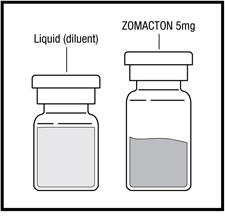
Figure A (Zomacton 01)
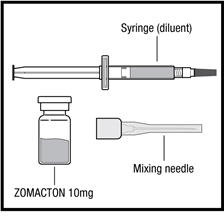
Figure B (Zomacton 02)
The following additional supplies (See Figure C) will be needed:
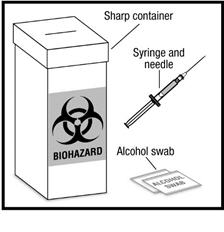
Figure C (Zomacton 03)
Preparing for Your ZOMACTON Injection
Important: The liquids are different for the 5mg and 10mg vials.
Preparing ZOMACTON 5mg Liquid for Injection:
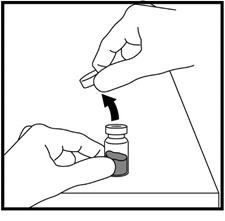
Figure D (Zomacton 04)
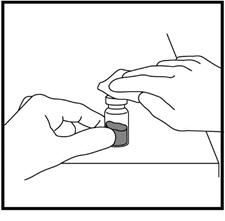
Figure E (Zomacton 05)
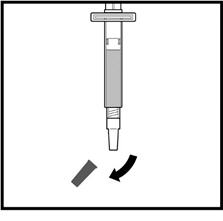
Figure F (Zomacton 06)
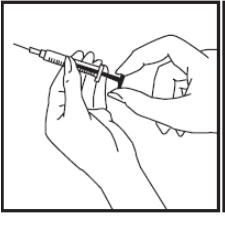
Figure G (Zomacton 07)
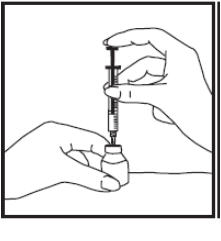
Figure H (Zomacton 08)
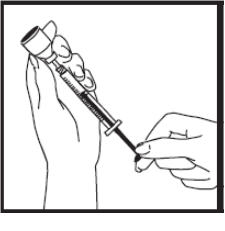
Figure I (Zomacton 09)
When the syringe is correctly filled with the liquid, remove the syringe and needle from the vial and recap the needle.
Preparing ZOMACTON 10mg Liquid for Injection:
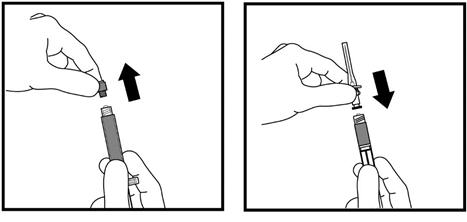
Figure J (Zomacton 10)
Diluting Your ZOMACTON
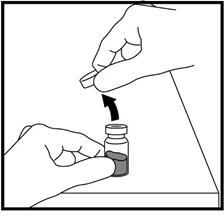
Figure K (Zomacton 11)
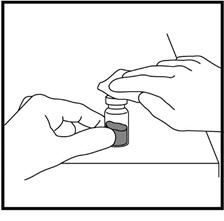
Figure L (Zomacton 12)
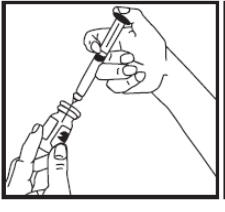
Figure M (Zomacton 13)
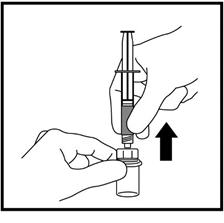
Figure N (Zomacton 14)
Mixing ZOMACTON
Step 1: Preparing the Injection
You are now ready for your ZOMACTON injection.
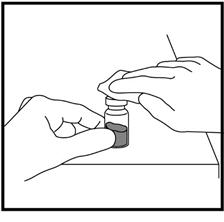
Figure O (Zomacton 15)
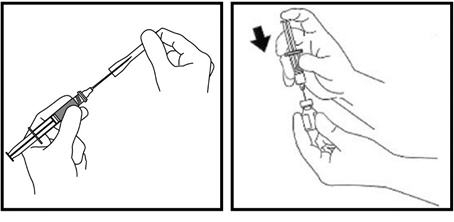
Figure P (Zomacton 16)
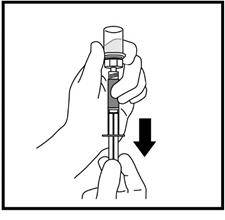
Figure Q (Zomacton 17)
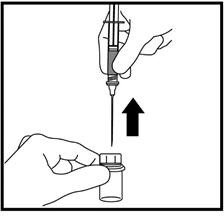
Figure R (Zomacton 18)
Step 2: Choosing an Injection Site
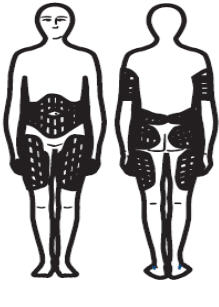
Figure S (Zomacton 19)
If you notice any of the following signs, contact your healthcare provider:
Step 3: Injecting ZOMACTON
Using a circular motion, clean the injection site with an alcohol swab, starting at the injection site and moving outward about 2 inches. Let the skin air dry.
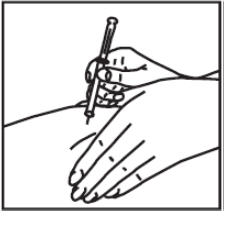
Figure T (Zomacton 20)
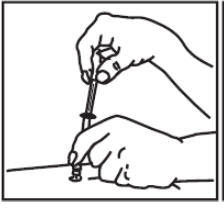
Figure U (Zomacton 21)
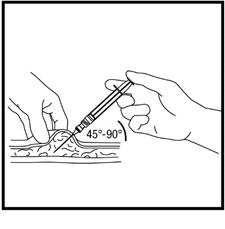
Figure V (Zomacton 22)
Step 4: Disposing of used syringes, needles, and vials
This Instructions for Use has been approved by the Food and Drug Administration.
MANUFACTURED FOR:
FERRING PHARMACEUTICALS INC.
PARSIPPANY, NJ 07054
Origin Germany
XXXXXXXXXX
Rev. 1/2018
NDC 55566-1800-0
ZOMACTON®
(somatropin) for Injection
5mg
For subcutaneous use only
Reconstitute with bacteriostatic
0.9% sodium chloride injection,
USP (benzyl alcohol preserved)
Multi-Dose Vial
PROTECT FROM LIGHT
Principal Display Panel (5 mg Vial Label)
NDC 55566-2000-0
Diluent for
ZOMACTON®
5mg vial
Bacteriostatic
0.9 sodium
chloride
injection, USP
(benzyl alcohol)
For reconstitution use only
5mL
Principal Display Panel (5 mL Diluent Vial Label)
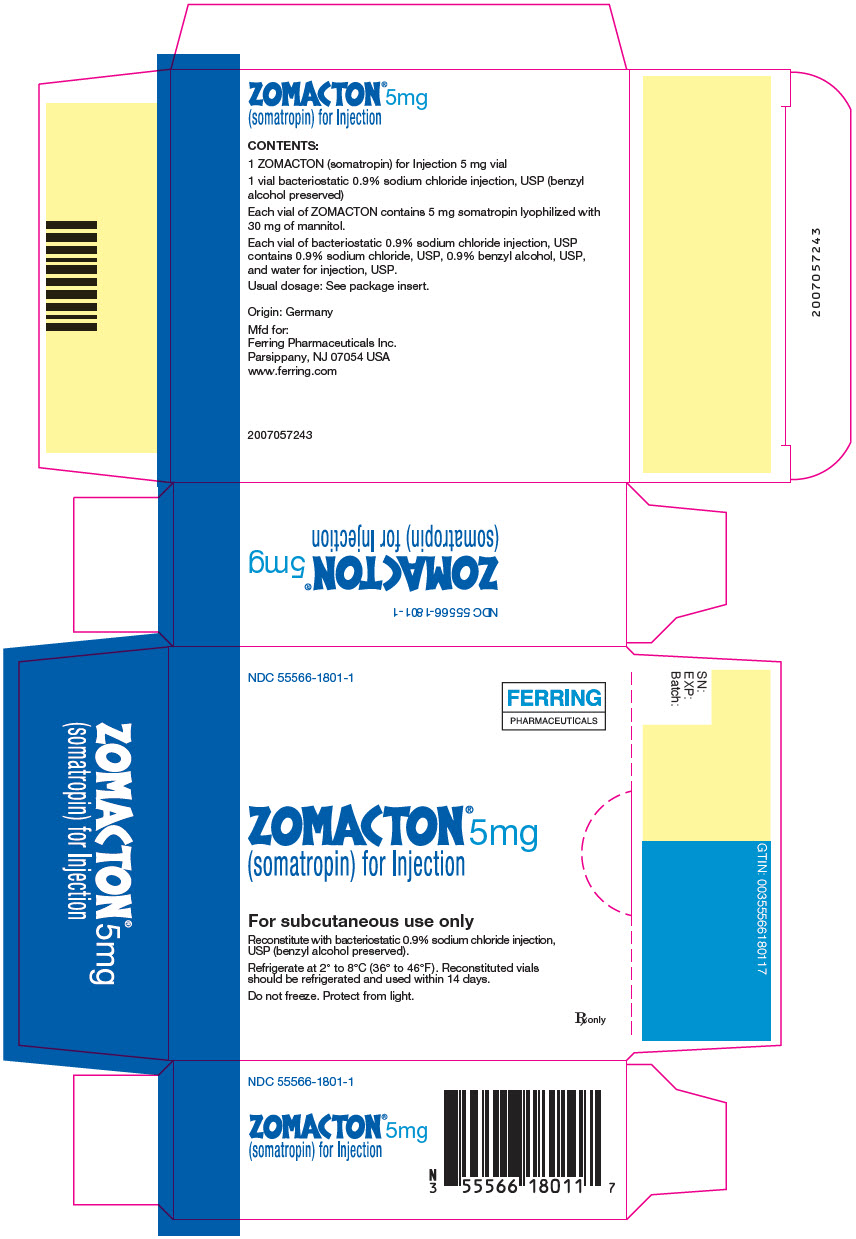
NDC 55566-1801-1
FERRING
PHARMACEUTICALS
ZOMACTON®5mg
(somatropin) for Injection
For subcutaneous use only
Reconstitute with bacteriostatic 0.9% sodium chloride injection,
USP (benzyl alcohol preserved).
Refrigerate at 2° to 8°C (36° to 46°F). Reconstituted vials
should be refrigerated and used within 14 days.
Do not freeze. Protect from light.
Rx only
Principal Display Panel (5 mg Kit Carton)
NDC 55566-1900-0
ZOMACTON®
(somatropin) for Injection
10mg
Subcutaneous use only
Multi-Dose Vial
PROTECT FROM LIGHT
Rx only
xxxxxxxxxx
Lot No.:
Exp. Date:
NDC 55566-2001-0
Diluent for ZOMACTON® 10 mg vial
Bacteriostatic water for injection
1mL
For reconstitution use only
Rx only
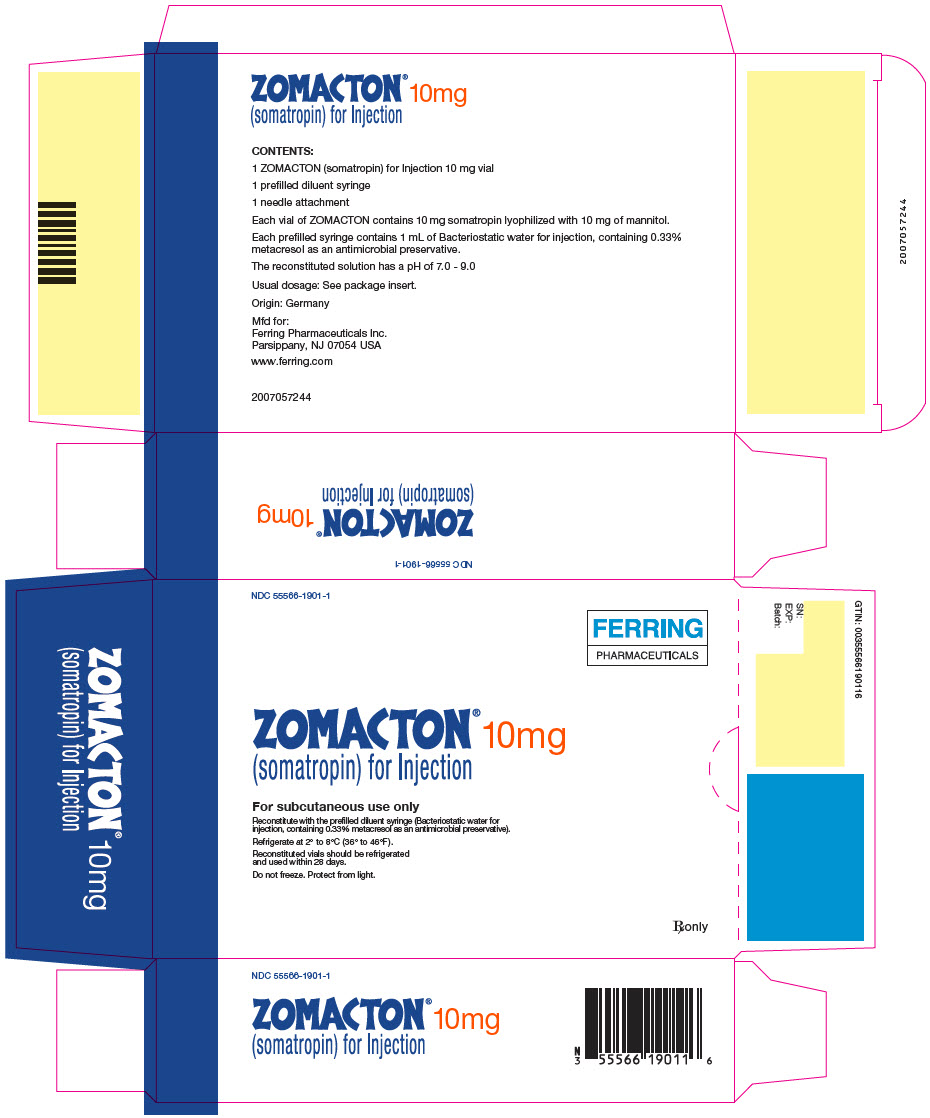
NDC 55566-1901-1
FERRING
PHARMACEUTICALS
ZOMACTON®10mg
(somatropin) for Injection
For subcutaneous use only
Reconstitute with the prefilled diluent syringe (Bacteriostatic water for
injection, containing 0.33% metacresol as an antimicrobial preservative).
Refrigerate at 2° to 8°C (36° to 46°F).
Reconstituted vials should be refrigerated
and used within 28 days.
Do not freeze. Protect from light.
Rx only
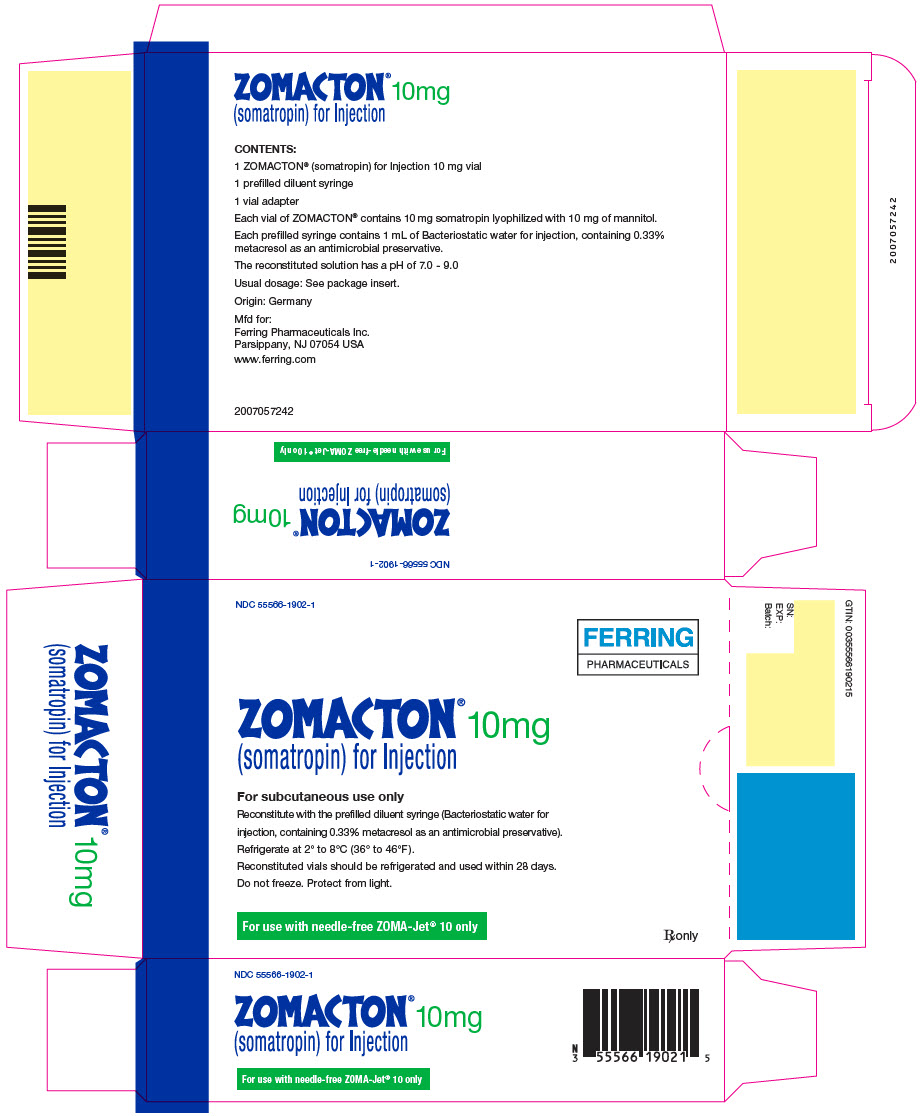
NDC 55566-1902-1
FERRING
PHARMACEUTICALS
ZOMACTON®10mg
(somatropin) for Injection
For subcutaneous use only
Reconstitute with the prefilled diluent syringe (Bacteriostatic water for
injection, containing 0.33% metacresol as an antimicrobial preservative).
Refrigerate at 2° to 8°C (36° to 46°F).
Reconstituted vials should be refrigerated and used within 28 days.
Do not freeze. Protect from light.
Rx only
* Please review the disclaimer below.
