- Might be pregnant
- Have a uterus that is abnormally shaped inside
- Have a pelvic infection called pelvic inflammatory disease (PID) or have current behavior that puts you at high risk of PID (for example, because you are having sex with several men, or your partner is having sex with other women)
- Have had an infection in your uterus after a pregnancy or abortion in the past 3 months
- Have cancer of the uterus or cervix
- Have unexplained bleeding from your vagina
- Have an infection in your cervix
- Have Wilson’s disease (a disorder in how the body handles copper)
- Are allergic to anything in ParaGard®
- Already have an intrauterine contraceptive in your uterus
How is ParaGard® placed in the uterus?
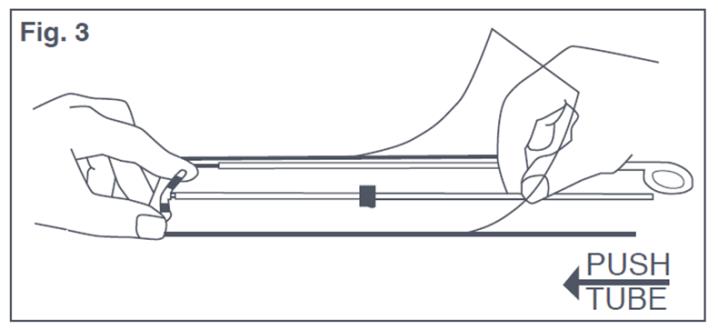
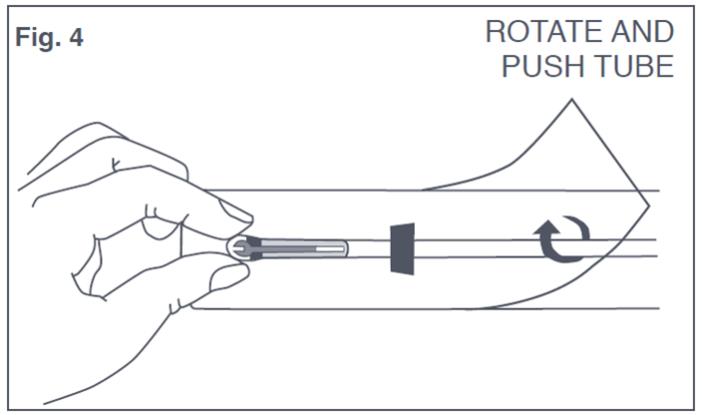
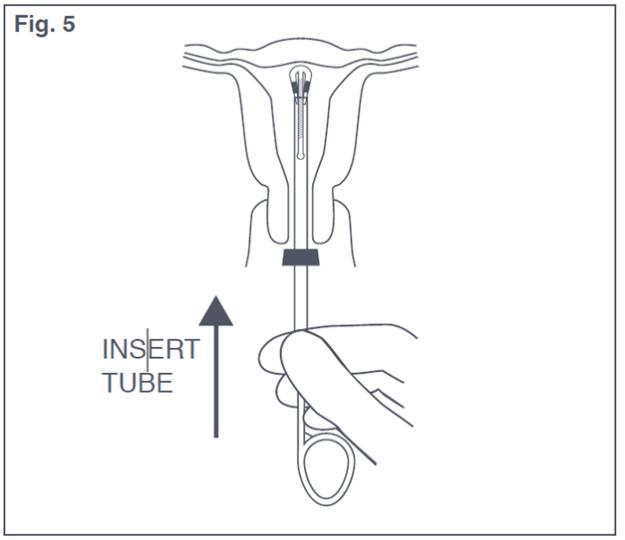
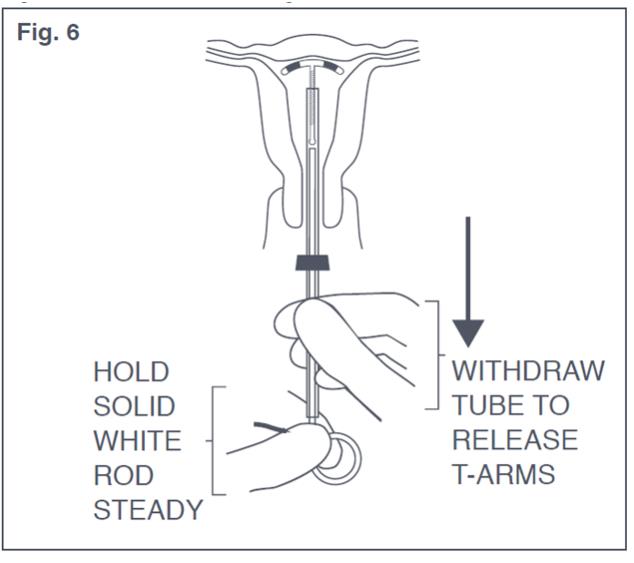
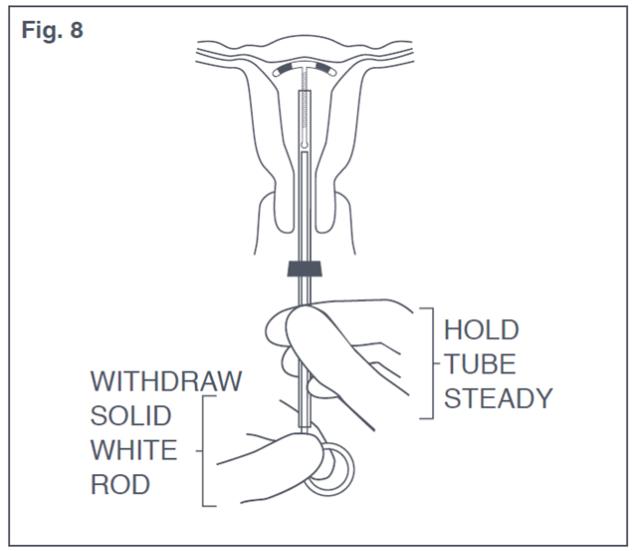
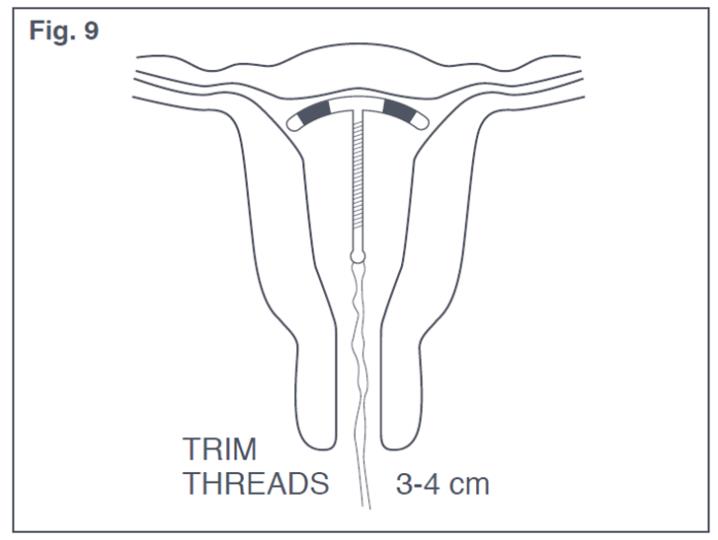
ParaGard® is placed in your uterus during an office visit. Your healthcare provider first examines you to find the position of your uterus. Next, he or she will cleanse your vagina and cervix, measure your uterus, and then slide a plastic tube containing ParaGard® into your uterus. The tube is removed, leaving ParaGard® inside your uterus. Two white threads extend into your vagina. The threads are trimmed so they are just long enough for you to feel with your fingers when doing a self-check. As ParaGard® goes in, you may feel cramping or pinching. Some women feel faint, nauseated, or dizzy for a few minutes afterwards. Your healthcare provider may ask you to lie down for a while and to get up slowly.

Paragard® Is Placed In Your Uterus During An Office Visit. Your Healthcare Provider First Examines You To Find The Position Of Your Uterus. Next, He Or She Will Cleanse Your Vagina And Cervix, Measure Your Uterus, And Then Slide A Plastic Tube Containing Paragard® Into Your Uterus. The Tube Is Removed, Leaving Paragard® Inside Your Uterus. Two White Threads Extend Into Your Vagina. The Threads Are Trimmed So They Are Just Long Enough For You To Feel With Your Fingers When Doing A Self-check. As Paragard® Goes In, You May Feel Cramping Or Pinching. Some Women Feel Faint, Nauseated, Or Dizzy For A Few Minutes Afterwards. Your Healthcare Provider May Ask You To Lie Down For A While And To Get Up Slowly. (Paragard 0a)
How do I check that ParaGard® is in my uterus?
Visit your healthcare provider for a check-up about one month after placement to make sure ParaGard® is still in your uterus.
You can also check to make sure that ParaGard® is still in your uterus by reaching up to the top of your vagina with clean fingers to feel the two threads. Do not pull on the threads.

You Can Also Check To Make Sure That Paragard® Is Still In Your Uterus By Reaching Up To The Top Of Your Vagina With Clean Fingers To Feel The Two Threads. Do Not Pull On The Threads. (Paragard 0b)
If you cannot feel the threads, ask your healthcare provider to check if ParaGard® is in the right place. If you can feel more of ParaGard® than just the threads, ParaGard® is not in the right place. If you can’t see your healthcare provider right away, use an additional birth control method. If ParaGard® is in the wrong place, your chances of getting pregnant are increased. It is a good habit for you to check that ParaGard® is in place once a month.
You may use tampons when you are using ParaGard®.
What if I become pregnant while using ParaGard®?
If you think you are pregnant, contact your healthcare professional right away. If you are pregnant and ParaGard® is in your uterus, you may get a severe infection or shock, have a miscarriage or premature labor and delivery, or even die. Because of these risks, your healthcare provider will recommend that you have ParaGard® removed, even though removal may cause miscarriage.
If you continue a pregnancy with ParaGard® in place, see your healthcare provider regularly. Contact your healthcare provider right away if you get fever, chills, cramping, pain, bleeding, flu-like symptoms, or an unusual, bad smelling vaginal discharge.
A pregnancy with ParaGard® in place has a greater than usual chance of being ectopic (outside your uterus). Ectopic pregnancy is an emergency that may require surgery. An ectopic pregnancy can cause internal bleeding, infertility, and death. Unusual vaginal bleeding or abdominal pain may be signs of an ectopic pregnancy.
Copper in ParaGard® does not seem to cause birth defects.
What side effects can I expect with ParaGard®?
The most common side effects of ParaGard® are heavier, longer periods and spotting between periods; most of these side effects diminish after 2-3 months. However, if your menstrual flow continues to be heavy or long, or spotting continues, contact your healthcare provider.
Infrequently, serious side effects may occur:
- Pelvic inflammatory disease (PID): Uncommonly, ParaGard® and other IUDs are associated with PID. PID is an infection of the uterus, tubes, and nearby organs. PID is most likely to occur in the first 20 days after placement. You have a higher chance of getting PID if you or your partner have sex with more than one person. PID is treated with antibiotics. However, PID can cause serious problems such as infertility, ectopic pregnancy, and chronic pelvic pain. Rarely, PID may even cause death. More serious cases of PID require surgery or a hysterectomy (removal of the uterus). Contact your healthcare provider right away if you have any of the signs of PID: abdominal or pelvic pain, painful sex, unusual or bad smelling vaginal discharge, chills, heavy bleeding, or fever.
- Difficult removals: Occasionally ParaGard® may be hard to remove because it is stuck in the uterus. Surgery may sometimes be needed to remove ParaGard®.
- Perforation: Rarely, ParaGard® goes through the wall of the uterus, especially during placement. This is called perforation. If ParaGard® perforates the uterus, it should be removed. Surgery may be needed. Perforation can cause infection, scarring, or damage to other organs. If ParaGard® perforates the uterus, you are not protected from pregnancy.
- Expulsion: ParaGard® may partially or completely fall out of the uterus. This is called expulsion. Women who have never been pregnant may be more likely to expel ParaGard® than women who have been pregnant before. If you think that ParaGard® has partly or completely fallen out, use an additional birth control method, such as a condom and call your healthcare provider.
You may have other side effects with ParaGard®. For example, you may have anemia (low blood count), backache, pain during sex, menstrual cramps, allergic reaction, vaginal infection, vaginal discharge, faintness, or pain. This is not a complete list of possible side effects. If you have questions about a side effect, check with your healthcare provider.
When should I call my healthcare provider?
Call your healthcare provider if you have any concerns about ParaGard®. Be sure to call if you
- Think you are pregnant
- Have pelvic pain or pain during sex
- Have unusual vaginal discharge or genital sores
- Have unexplained fever
- Might be exposed to sexually transmitted diseases (STDs)
- Cannot feel ParaGard®’s threads or can feel the threads are much longer
- Can feel any other part of the ParaGard® besides the threads
- Become HIV positive or your partner becomes HIV positive
- Have severe or prolonged vaginal bleeding
- Miss a menstrual period
General advice about prescription medicines
This brochure summarizes the most important information about ParaGard®. If you would like more information, talk with your healthcare provider. You can ask your healthcare provider for information about ParaGard® that is written for healthcare professionals.
Checklist
This checklist will help you and your healthcare provider discuss the pros and cons of ParaGard® for you. Do you have any of the following conditions?
| |
Yes |
No |
Don't know |
Abnormal Pap smear |
□ |
□ |
□ |
Abnormalities of the uterus |
□ |
□ |
□ |
Allergy to copper |
□ |
□ |
□ |
Anemia or blood clotting problems |
□ |
□ |
□ |
Bleeding between periods |
□ |
□ |
□ |
Cancer of the uterus or cervix |
□ |
□ |
□ |
Fainting attacks |
□ |
□ |
□ |
Genital sores |
□ |
□ |
□ |
Heavy menstrual flow |
□ |
□ |
□ |
HIV or AIDS |
□ |
□ |
□ |
Infection of the uterus or cervix |
□ |
□ |
□ |
IUD in place now or in the past |
□ |
□ |
□ |
More than one sexual partner |
□ |
□ |
□ |
Pelvic infection (PID) |
□ |
□ |
□ |
Possible pregnancy |
□ |
□ |
□ |
Repeated episodes of pelvic infection (PID) |
□ |
□ |
□ |
Serious infection following a pregnancy or abortion in the past 3 months |
□ |
□ |
□ |
Severe menstrual cramps |
□ |
□ |
□ |
Sexual partner who has more than one sexual partner |
□ |
□ |
□ |
Sexually transmitted disease (STD) such as gonorrhea or chlamydia |
□ |
□ |
□ |
Wilson's disease |
□ |
□ |
□ |
CooperSurgical, Inc.
95 Corporate Drive, Trumbull, CT 06611 USA
Package/Label Display Panel