Berinert Kit
Product Images NDC 63833-825

29 FDA label images from Csl Behring Gmbh · Packaging, Regulatory Labels, and Product Appearance

Product Visual Gallery

This gallery contains 29 technical images submitted to the FDA as part of the official labeling for Berinert (NDC 63833-825). Unlike standard consumer photos, these assets often include clinical data figures, molecular chemical structures, and official manufacturer packaging layouts.

As provided by Csl Behring Gmbh, these visuals offer a comprehensive scientific overview of the product's physical and chemical identity, aiding pharmacists and researchers in product verification and study.

FDA Label Image

Figure 1 (Berinert 01)

Figure 1 (Berinert 01)
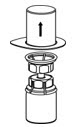
An illustration depicting a vial adapter device, showing its cylindrical shape with an upper opening designed for connection to a vial. The device appears to have a flexible membrane or stopper on top and structural features for secure attachment during drug preparation.*
FDA Label Image

Figure 2 (Berinert 02)

Figure 2 (Berinert 02)
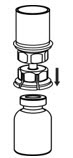
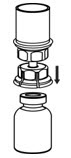
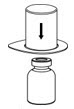
Illustration showing the assembly of a vial and a container, indicating the direction to place or insert one component into the other, likely demonstrating preparation or reconstitution steps for the medication Berinert (HUMAN C1-ESTERASE INHIBITOR) KIT by CSL Behring GmbH.*
FDA Label Image

Figure 3 (Berinert 03)

Figure 3 (Berinert 03)
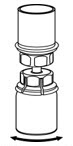
An instructional diagram showing the process of removing the cap from a vial. The image depicts a vial with an arrow indicating an upward motion to take off the cap.*
FDA Label Image

Figure 4 (Berinert 04)

Figure 4 (Berinert 04)
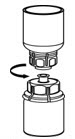
An instructional illustration showing the assembly and attachment process of a vial adapter to a medication bottle, often included to guide proper preparation of injectable drugs in a kit format.*
FDA Label Image

Figure 5 (Berinert 05)

Figure 5 (Berinert 05)
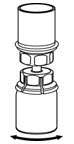
An instructional line drawing showing a two-part container or vial system with arrows indicating a twisting or connecting action between the upper and lower parts. It likely illustrates assembly or usage steps for a medical kit, possibly related to the Berinert Human C1-Esterase Inhibitor kit by CSL Behring GmbH.*
FDA Label Image

Figure 6 (Berinert 06)

Figure 6 (Berinert 06)
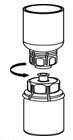
An instructional diagram showing how to connect the components of a kit. The image depicts a cylindrical container being aligned and turned clockwise to attach or lock it onto another component below it.*
FDA Label Image

Figure 7 (Berinert 07)

Figure 7 (Berinert 07)
An instructional illustration showing the assembly or connection of two cylindrical components, likely part of a medical device or kit. The image depicts a larger upper cylinder connecting to a smaller lower cylinder with a directional arrow indicating the attachment or insertion method.*
FDA Label Image

Figure 8 (Berinert 08)

Figure 8 (Berinert 08)
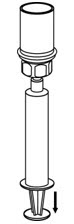
An instructional line drawing illustrating the assembly of two components, depicting the process of attaching a syringe-like part to another part with an arrow indicating the connection direction. No text or labels are visible.*
FDA Label Image

Figure 9 (Berinert 09)

Figure 9 (Berinert 09)
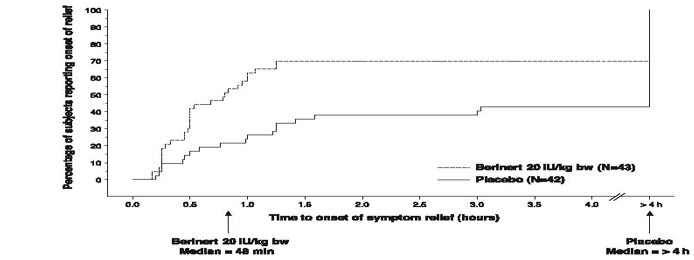
A line graph showing the percentage of subjects reporting onset of symptom relief over time (hours) comparing Berinert 20 IU/kg body weight (N=43) and placebo (N=42). The Berinert group shows a faster and higher percentage of symptom relief with a median time of 48 minutes, whereas the placebo group has a median time greater than 4 hours.*
FDA Label Image

Figure 10 (Berinert 10)

Figure 10 (Berinert 10)
A Kaplan-Meier curve chart depicting the percentage of subjects reporting onset of relief from symptoms over time. The chart compares Berinert 20 IU/kg body weight against a placebo, with time to symptom relief in hours on the horizontal axis and percentage of subjects reporting relief on the vertical axis. Berinert shows a faster onset of symptom relief compared to placebo.*
FDA Label Image

Figure 11 (Berinert 11)

Figure 11 (Berinert 11)
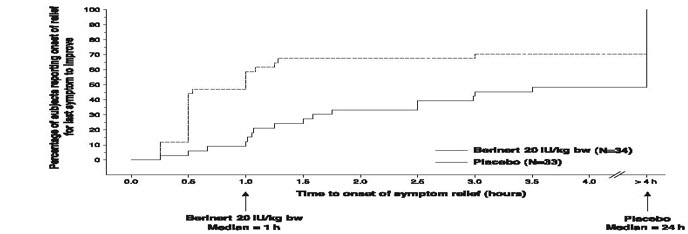
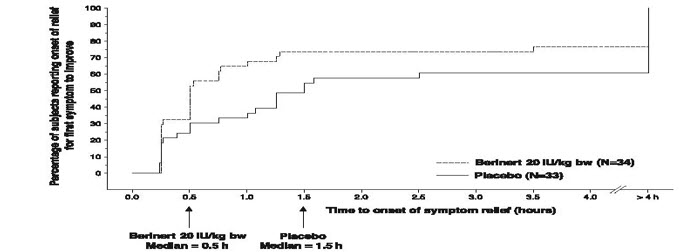
A Kaplan-Meier plot showing the percentage of subjects reporting onset of relief for the first symptom improvement over time (hours) comparing Berinert 20 IU/kg bw versus placebo. The horizontal axis represents time to onset of symptom relief with medians at 0.5 hours for Berinert and 1.5 hours for placebo, and the vertical axis shows the percentage of subjects responding.*
FDA Label Image

Figure 12 (Berinert 12)

Figure 12 (Berinert 12)
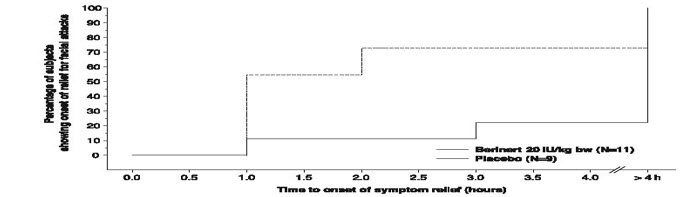
A step plot depicting the percentage of subjects achieving symptom relief over time in hours. The graph compares two groups: Berinert 20 IU/kg (N=11) and Placebo (N=9), showing time to onset of symptom relief. The y-axis represents cumulative percentage of subjects with relief, and the x-axis represents time from 0 to greater than 4 hours.*
FDA Label Image

Figure 9 (Berinert 13)

Figure 9 (Berinert 13)
Berinert Human C1-Esterase Inhibitor plasma derivative kit by CSL Behring GmbH. The image shows a white plastic vial cap or stopper with a central circular recessed area and a cross-shaped slot in the middle. No other packaging or labeling details are visible.*
FDA Label Image

Figure 10 (Berinert 14)

Figure 10 (Berinert 14)
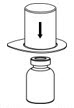
Illustration showing a vial with a rubber stopper and a syringe or vial adapter held above it, with an arrow indicating insertion direction. This likely depicts preparation steps for using the Berinert human C1-esterase inhibitor plasma derivative kit by CSL Behring GmbH.*
FDA Label Image

Figure 11 (Berinert 15)

Figure 11 (Berinert 15)
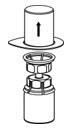
An instructional illustration showing a vial being lifted vertically from a vial adapter device. The vial is positioned above the adapter, which is attached to a bottle or container below, suggesting assembly or connection steps for product reconstitution or preparation.*
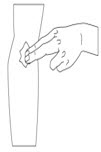
FDA Label Image

Figure 12 (Berinert 16)

Figure 12 (Berinert 16)
An instructional diagram showing a step in the assembly of a medication kit, illustrating the connection of two components by placing and pressing one part onto another. The image depicts a vial and an upper component with an arrow indicating the direction to attach them together.*
FDA Label Image

Figure 13 (Berinert 17)

Figure 13 (Berinert 17)
An illustration showing a step in the preparation or assembly of a kit, depicting two cylindrical containers or vial-like components being aligned or connected vertically. No text is visible.*
FDA Label Image

Figure 14 (Berinert 18)

Figure 14 (Berinert 18)
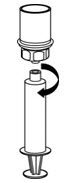
An instructional diagram showing the correct method to connect two components by aligning and twisting the top part onto the bottom part in a clockwise direction, as indicated by a curved arrow.*
FDA Label Image

Figure 15 (Berinert 19)

Figure 15 (Berinert 19)
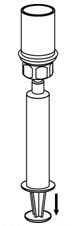
An illustration shows a two-part assembly of a medical device or kit component, depicting a cylindrical upper part and a lower component with a tapered tip. An arrow points downward indicating the direction for connecting or assembling the parts, likely related to preparing or using the Berinert kit by CSL Behring GmbH.*
FDA Label Image

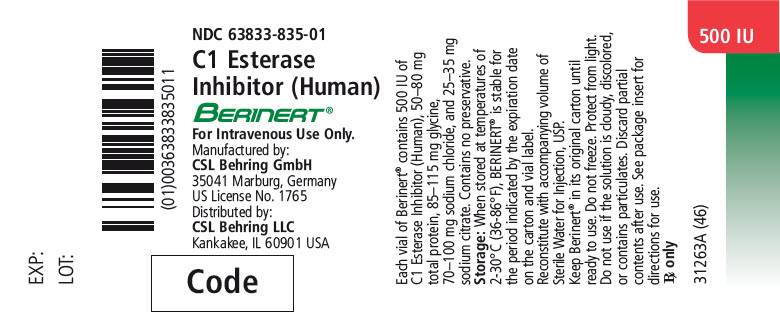
Principal Display Panel (500 IU Vial Label)

Principal Display Panel (500 IU Vial Label)
An instructional illustration showing the assembly of two components, likely a vial and a syringe or similar device, with a curved arrow indicating the direction to connect or lock them together.*
FDA Label Image

Principal Display Panel (Kit Carton)

Principal Display Panel (Kit Carton)
An instructional illustration showing hands manipulating a tube, likely part of a medical kit assembly or preparation process. The image focuses on the connection or operation of tubing components, commonly used in infusion or plasma derivative product setups.*
FDA Label Image

Berinert 22

Berinert 22
An instructional diagram showing a person's hand holding a vial and an alcohol prep pad. The illustration demonstrates cleaning the vial's rubber stopper with the prep pad before use, as part of medication preparation.*
FDA Label Image

Berinert 23

Berinert 23
An instructional illustration depicting a hand preparing to draw medication from a vial connected to an IV bag with tubing, demonstrating the setup process for intravenous administration.*
FDA Label Image

Berinert 24

Berinert 24
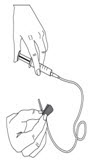
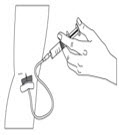
Instructional illustration showing a hand holding a medical device with tubing connected to a patient arm. The diagram likely demonstrates the proper setup or use of the device, possibly related to intravenous administration or infusion.*
FDA Label Image

Berinert 25

Berinert 25
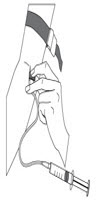
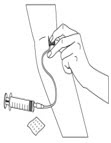
An instructional line drawing illustrating the administration of Berinert. The image shows a hand holding a syringe attached to a catheter or cannula inserted into a vein in an arm, depicting the intravenous infusion process for the HUMAN C1-ESTERASE INHIBITOR plasma derivative kit by CSL Behring GmbH.*
FDA Label Image

Berinert 26

Berinert 26
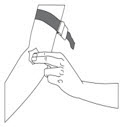
An instructional illustration showing a hand holding a tourniquet around an arm with a syringe and an alcohol prep pad nearby, indicating preparation for injection or blood draw.*
FDA Label Image

Berinert 27

Berinert 27
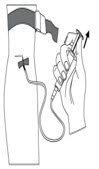
An instructional diagram showing a hand holding a spout or flange of a container, indicating how to twist or remove the component. The illustration appears to demonstrate a step in using or opening the product, the Berinert Human C1-Esterase Inhibitor plasma derivative kit by CSL Behring GmbH.*
FDA Label Image

Berinert 28

Berinert 28
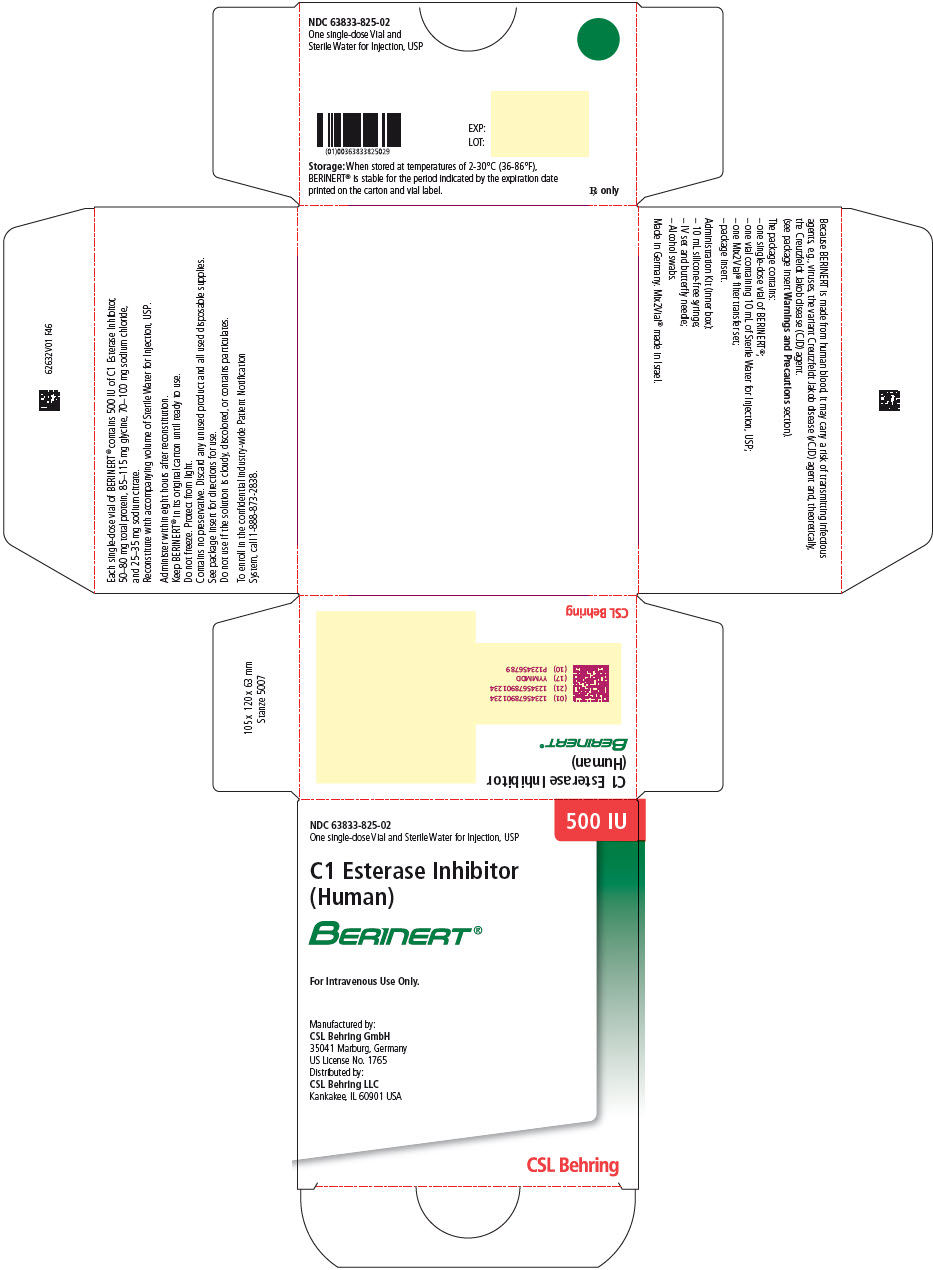
Berinert 500 IU kit packaging label for Human C1-Esterase Inhibitor intravenous use. The label includes product strength, description, manufacturer CSL Behring GmbH (Germany) and distributor CSL Behring LLC (USA). Usage instructions, storage requirements, and volume details are shown on the label.*
FDA Label Image

Berinert 29

Berinert 29
Packaging label for Berinert 500 IU C1 Esterase Inhibitor (Human) kit, a plasma derivative for intravenous use. The label includes storage instructions, manufacturer CSL Behring GmbH, distributor CSL Behring LLC, and NDC 63833-825-02. The label also states the kit contains one single-dose vial and sterile water for injection, USP.*

* About these descriptions: Image descriptions on this page are generated by automated AI analysis of the product label images from the manufacturer's FDA label submission (SPL). They are provided for reference only and may contain errors or omissions. Always rely on the printed label itself and the official FDA labeling, and consult a pharmacist or healthcare professional with any questions about this product.