Levetiracetam tablets, 250 mg are blue coloured, oblong-shaped, biconvex, film-coated tablets, debossed with "L" and "U" on either side of the breakline on one side and "X01" on the other side.
Levetiracetam tablets, 500 mg are yellow coloured, oblong-shaped, biconvex, film-coated tablets, debossed with "L" and "U" on either side of the breakline on one side and "X02" on the other side.
Levetiracetam tablets, 750 mg are orange coloured, oblong-shaped, biconvex, film-coated tablets, debossed with "L" and "U" on either side of the breakline on one side and "X03" on the other side.
Levetiracetam tablets, 1000 mg are white to off-white coloured, oblong-shaped, biconvex, film-coated tablets, debossed with "L" and "U" on either side of the breakline on one side and "X04" on the other side.
None.
The following adverse reactions are discussed in more details in other sections of labeling:
- Psychiatric Symptoms
[see WARNINGS AND PRECAUTIONS ( )]
5.1
- Suicidal Behavior and Ideation
[see WARNINGS AND PRECAUTIONS ( )]
5.2
- Somnolence and Fatigue
[see WARNINGS AND PRECAUTIONS ( )]
5.3
- Serious Dermatological Reactions
[see WARNINGS AND PRECAUTIONS ( )]
5.4
- Coordination Difficulties
[see WARNINGS AND PRECAUTIONS ( )]
5.5
- Withdrawal Seizures
[see WARNINGS AND PRECAUTIONS ( )]
5.6
- Hematologic Abnormalities
[see WARNINGS AND PRECAUTIONS ( )]
5.7
- Blood Pressure Increases
[see WARNINGS AND PRECAUTIONS ( )]
5.8
- Seizure Control During Pregnancy
[see WARNINGS AND PRECAUTIONS ( )]
5.9
No significant pharmacokinetic interactions were observed between levetiracetam or its major metabolite and concomitant medications via human liver cytochrome P450 isoforms, epoxide hydrolase, UDP-glucuronidation enzymes, P-glycoprotein, or renal tubular secretion
[see CLINICAL PHARMACOLOGY ( )].
12.3
Levetiracetam USP is an antiepileptic drug available as 250 mg (blue), 500 mg (yellow), 750 mg (orange), and 1000 mg (white) tablets for oral administration.
The chemical name of levetiracetam, a single enantiomer, is (-)-(S)-α-ethyl-2-oxo-1-pyrrolidine acetamide, its molecular formula is C H N O and its molecular weight is 170.21. Levetiracetam is chemically unrelated to existing antiepileptic drugs (AEDs). It has the following structural formula:
81422
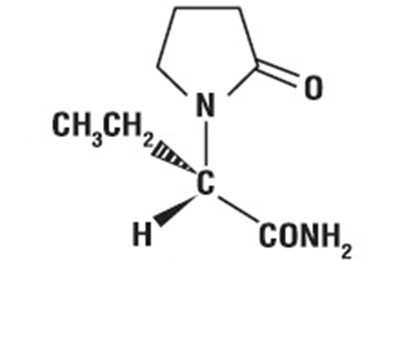
Image 2 (Levetiracetamtabletscombi Figure 03)
Levetiracetam USP is a white to off-white crystalline powder with a faint odor and a bitter taste. It is very soluble in water (104.0 g/100 mL). It is freely soluble in chloroform (65.3 g/100 mL) and in methanol (53.6 g/100 mL), soluble in ethanol (16.5 g/100 mL), sparingly soluble in acetonitrile (5.7 g/100 mL) and practically insoluble in n-hexane. (Solubility limits are expressed as g/100 mL solvent).
Levetiracetam tablets USP contain the labeled amount of levetiracetam.
For 250 mg, 500 mg and 750 mg strengths:
Inactive ingredients: colloidal silicon dioxide, corn starch, crospovidone, hypromellose, magnesium stearate, microcrystalline cellulose, povidone, polyethylene glycol, polyvinyl alcohol, talc, titanium dioxide, and additional agents listed below:
250 mg tablets: FD&C Blue No. 2 Aluminum Lake
500 mg tablets: Yellow Iron Oxide
750 mg tablets: FD&C Blue No. 2 Aluminum Lake, FD&C yellow No.6 Aluminum Lake, iron oxide red
For 1000 mg strength:
Inactive ingredients: colloidal silicon dioxide, corn starch, crospovidone, croscarmellose sodium, magnesium stearate, microcrystalline cellulose, povidone, polyethylene glycol, polyvinyl alcohol, talc and titanium dioxide.
Specific Populations
Elderly:
Pharmacokinetics of levetiracetam were evaluated in 16 elderly subjects (age 61 to 88 years) with creatinine clearance ranging from 30 to 74 mL/min. Following oral administration of twice-daily dosing for 10 days, total body clearance decreased by 38% and the half-life was 2.5 hours longer in the elderly compared to healthy adults. This is most likely due to the decrease in renal function in these subjects.
Pediatric Patients:
Pharmacokinetics of levetiracetam were evaluated in 24 pediatric patients (age 6 to 12 years) after single dose (20 mg/kg). The body weight adjusted apparent clearance of levetiracetam was approximately 40% higher than in adults.
A repeat dose pharmacokinetic study was conducted in pediatric patients (age 4 to 12 years) at doses of 20 mg/kg/day, 40 mg/kg/day, and 60 mg/kg/day. The evaluation of the pharmacokinetic profile of levetiracetam and its metabolite (ucb L057) in 14 pediatric patients demonstrated rapid absorption of levetiracetam at all doses with a T of about 1 hour and a t1/2 of 5 hours across the three dosing levels. The pharmacokinetics of levetiracetam in children was linear between 20 to 60 mg/kg/day. The potential interaction of levetiracetam with other AEDs was also evaluated in these patients. Levetiracetam had no significant effect on the plasma concentrations of carbamazepine, valproic acid, topiramate or lamotrigine. However, there was about a 22% increase of apparent clearance of levetiracetam when it was co-administered with an enzyme-inducing AED (e.g. carbamazepine).
max
Pharmacokinetics information in pediatric patients less than 4 years of age is approved for UCB, Inc.'s levetiracetam tablets. However, due to UCB, Inc.'s marketing exclusivity rights, this drug product is not labeled with that pediatric information.
Population pharmacokinetic analysis showed that body weight was significantly correlated to the clearance of levetiracetam in pediatric patients; clearance increased with an increase in body weight.
Pregnancy:
Levetiracetam levels may decrease during pregnancy.
Gender:
Levetiracetam C and AUC were 20% higher in women (N=11) compared to men (N=12). However, clearances adjusted for body weight were comparable.
max
Race:
Formal pharmacokinetic studies of the effects of race have not been conducted. Cross study comparisons involving Caucasians (N=12) and Asians (N=12), however, show that pharmacokinetics of levetiracetam were comparable between the two races. Because levetiracetam is primarily renally excreted and there are no important racial differences in creatinine clearance, pharmacokinetic differences due to race are not expected.
Renal Impairment:
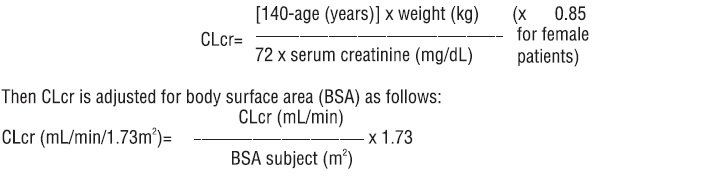
The disposition of levetiracetam was studied in adult subjects with varying degrees of renal function. Total body clearance of levetiracetam is reduced in patients with impaired renal function by 40% in the mild group (CLcr = 50 to 80 mL/min), 50% in the moderate group (CLcr = 30 to 50 mL/min) and 60% in the severe renal impairment group (CLcr <30 mL/min). Clearance of levetiracetam is correlated with creatinine clearance.
In anuric (end stage renal disease) patients, the total body clearance decreased 70% compared to normal subjects (CLcr >80 mL/min). Approximately 50% of the pool of levetiracetam in the body is removed during a standard 4- hour hemodialysis procedure.
Dosage should be reduced in patients with impaired renal function receiving levetiracetam, and supplemental doses should be given to patients after dialysis
[see DOSAGE AND ADMINISTRATION ( )].
2.5
Hepatic Impairment:
In subjects with mild (Child-Pugh A) to moderate (Child-Pugh B) hepatic impairment, the pharmacokinetics of levetiracetam were unchanged. In patients with severe hepatic impairment (Child-Pugh C), total body clearance was 50% that of normal subjects, but decreased renal clearance accounted for most of the decrease. No dose adjustment is needed for patients with hepatic impairment.
Drug Interactions
data on metabolic interactions indicate that levetiracetam is unlikely to produce, or be subject to, pharmacokinetic interactions. Levetiracetam and its major metabolite, at concentrations well above C levels achieved within the therapeutic dose range, are neither inhibitors of, nor high affinity substrates for, human liver cytochrome P450 isoforms, epoxide hydrolase or UDP-glucuronidation enzymes. In addition, levetiracetam does not affect the in vitro glucuronidation of valproic acid.
In vitromax
Potential pharmacokinetic interactions of or with levetiracetam were assessed in clinical pharmacokinetic studies (phenytoin, valproate, warfarin, digoxin, oral contraceptive, probenecid) and through pharmacokinetic screening in the placebo-controlled clinical studies in epilepsy patients.
Phenytoin:
Levetiracetam (3000 mg daily) had no effect on the pharmacokinetic disposition of phenytoin in patients with refractory epilepsy. Pharmacokinetics of levetiracetam were also not affected by phenytoin.
Valproate:
Levetiracetam (1500 mg twice daily) did not alter the pharmacokinetics of valproate in healthy volunteers. Valproate 500 mg twice daily did not modify the rate or extent of levetiracetam absorption or its plasma clearance or urinary excretion. There also was no effect on exposure to and the excretion of the primary metabolite, ucb L057.
Other Antiepileptic Drugs:
Potential drug interactions between levetiracetam and other AEDs (carbamazepine, gabapentin, lamotrigine, phenobarbital, phenytoin, primidone and valproate) were also assessed by evaluating the serum concentrations of levetiracetam and these AEDs during placebo-controlled clinical studies. These data indicate that levetiracetam does not influence the plasma concentration of other AEDs and that these AEDs do not influence the pharmacokinetics of levetiracetam.
Effect of AEDs in Pediatric Patients:
There was about a 22% increase of apparent total body clearance of levetiracetam when it was co-administered with enzyme-inducing AEDs. Dose adjustment is not recommended. Levetiracetam had no effect on plasma concentrations of carbamazepine, valproate, topiramate, or lamotrigine.
Oral Contraceptives:
Levetiracetam (500 mg twice daily) did not influence the pharmacokinetics of an oral contraceptive containing 0.03 mg ethinyl estradiol and 0.15 mg levonorgestrel, or of the luteinizing hormone and progesterone levels, indicating that impairment of contraceptive efficacy is unlikely. Coadministration of this oral contraceptive did not influence the pharmacokinetics of levetiracetam.
Digoxin:
Levetiracetam (1000 mg twice daily) did not influence the pharmacokinetics and pharmacodynamics (ECG) of digoxin given as a 0.25 mg dose every day. Coadministration of digoxin did not influence the pharmacokinetics of levetiracetam.
Warfarin:
Levetiracetam (1000 mg twice daily) did not influence the pharmacokinetics of R and S warfarin. Prothrombin time was not affected by levetiracetam. Coadministration of warfarin did not affect the pharmacokinetics of levetiracetam.
Probenecid:
Probenecid, a renal tubular secretion blocking agent, administered at a dose of 500 mg four times a day, did not change the pharmacokinetics of levetiracetam 1000 mg twice daily. C of the metabolite, ucb L057, was approximately doubled in the presence of probenecid while the fraction of drug excreted unchanged in the urine remained the same. Renal clearance of ucb L057 in the presence of probenecid decreased 60%, probably related to competitive inhibition of tubular secretion of ucb L057. The effect of levetiracetam on probenecid was not studied.
ssmax
*statistically significant versus placebo
Study 2:
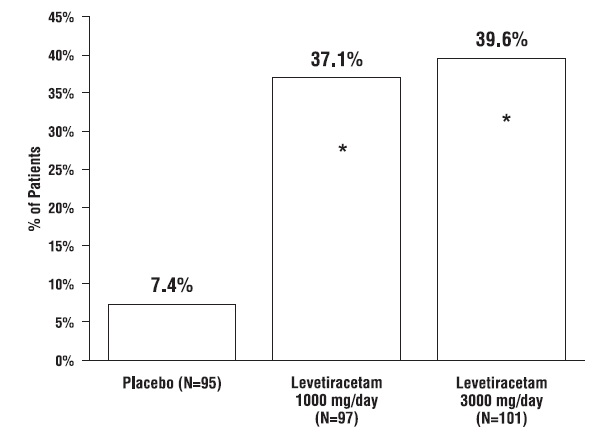
Study 2 was a double-blind, placebo-controlled, crossover study conducted at 62 centers in Europe comparing levetiracetam 1000 mg/day (N=106), levetiracetam 2000 mg/day (N=105), and placebo (N=111) given in equally divided doses twice daily.
The first period of the study (Period A) was designed to be analyzed as a parallel-group study. After a prospective baseline period of up to 12 weeks, patients were randomized to one of the three treatment groups described above. The 16-week treatment period consisted of the 4-week titration period followed by a 12-week fixed dose evaluation period, during which concomitant AED regimens were held constant. The primary measure of effectiveness was a between group comparison of the percent reduction in weekly partial seizure frequency relative to placebo over the entire randomized treatment period (titration + evaluation period).
Secondary outcome variables included the responder rate (incidence of patients with ≥50% reduction from baseline in partial onset seizure frequency). The results of the analysis of Period A are displayed in Table 10.
Table 10: Reduction in Mean Over Placebo in Weekly Frequency of Partial Onset Seizures In Study 2: Period A
| Placebo
(N=111)
| Levetiracetam
1000 mg/day
(N=106)
| Levetiracetam
2000 mg/day
(N=105)
|
Percent reduction in partial seizure frequency over placebo
| -
| 17.1%
statistically significant versus placebo
| 21.4%
|
The percentage of patients (y-axis) who achieved ≥50% reduction in weekly seizure rates from baseline in partial onset seizure frequency over the entire randomized treatment period (titration + evaluation period) within the three treatment groups (x-axis) is presented in Figure 2.
Figure 2: Responder Rate (≥50% Reduction From Baseline) In Study 2: Period A
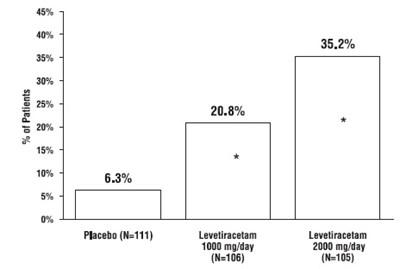
Image 4 (Levetiracetamtabletscombi Figure 05)
*statistically significant versus placebo
The comparison of levetiracetam 2000 mg/day to levetiracetam 1000 mg/day for responder rate was statistically significant (P=0.02). Analysis of the trial as a cross-over yielded similar results.
Study 3:
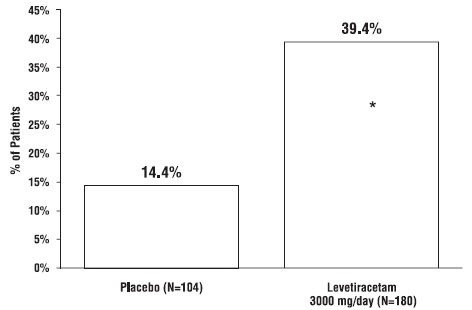
Study 3 was a double-blind, placebo-controlled, parallel-group study conducted at 47 centers in Europe comparing levetiracetam 3000 mg/day (N=180) and placebo (N=104) in patients with refractory partial onset seizures, with or without secondary generalization, receiving only one concomitant AED. Study drug was given in two divided doses. After a prospective baseline period of 12 weeks, patients were randomized to one of two treatment groups described above. The 16-week treatment period consisted of a 4-week titration period, followed by a 12-week fixed dose evaluation period, during which concomitant AED doses were held constant. The primary measure of effectiveness was a between group comparison of the percent reduction in weekly seizure frequency relative to placebo over the entire randomized treatment period (titration + evaluation period). Secondary outcome variables included the responder rate (incidence of patients with ≥50% reduction from baseline in partial onset seizure frequency). Table 11 displays the results of the analysis of Study 3.
Table 11: Reduction in Mean Over Placebo in Weekly Frequency of Partial Onset Seizures In Study 3
| Placebo
(N=104)
| Levetiracetam
3000 mg/day
(N=180)
|
Percent reduction in partial seizure frequency over placebo
| -
| 23.0%
statistically significant versus placebo
|
The percentage of patients (y-axis) who achieved ≥50% reduction in weekly seizure rates from baseline in partial onset seizure frequency over the entire randomized treatment period (titration + evaluation period) within the two treatment groups (x-axis) is presented in Figure 3.
Figure 3: Responder Rate (≥50% Reduction From Baseline) In Study 3
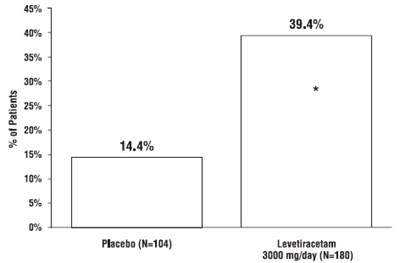
Image 5 (Levetiracetamtabletscombi Figure 06)
*statistically significant versus placebo
Effectiveness in Partial Onset Seizures in Pediatric Patients 4 Years to 16 Years With Epilepsy
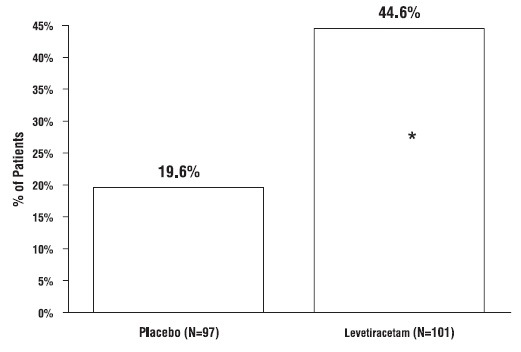
The effectiveness of levetiracetam as adjunctive therapy (added to other antiepileptic drugs) in pediatric patients was established in one multicenter, randomized double-blind, placebo-controlled study, conducted at 60 sites in North America, in children 4 to 16 years of age with partial seizures uncontrolled by standard antiepileptic drugs (AEDs). Eligible patients on a stable dose of 1 to 2 AEDs, who still experienced at least 4 partial onset seizures during the 4 weeks prior to screening, as well as at least 4 partial onset seizures in each of the two 4-week baseline periods, were randomized to receive either levetiracetam or placebo. The enrolled population included 198 patients (levetiracetam N=101, placebo N=97) with refractory partial onset seizures, whether or not secondarily generalized. The study consisted of an 8-week baseline period and 4-week titration period followed by a 10-week evaluation period. Dosing was initiated at a dose of 20 mg/kg/day in two divided doses. During the treatment period, levetiracetam doses were adjusted in 20 mg/kg/day increments, at 2-week intervals to the target dose of 60 mg/kg/day. The primary measure of effectiveness was a between group comparison of the percent reduction in weekly partial seizure frequency relative to placebo over the entire 14-week randomized treatment period (titration + evaluation period). Secondary outcome variables included the responder rate (incidence of patients with ≥ 50% reduction from baseline in partial onset seizure frequency per week). Table 12 displays the results of this study.
Table 12: Reduction In Mean Over Placebo In Weekly Frequency of Partial Onset Seizures
| Placebo
(N=97)
| Levetiracetam
(N=101)
|
Percent reduction in partial seizure frequency over placebo
| -
| 26.8%
statistically significant versus placebo
|
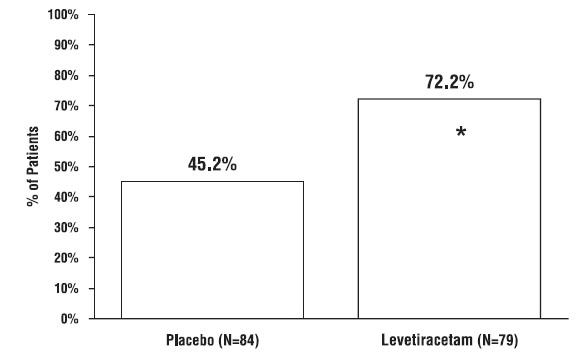
The percentage of patients (y-axis) who achieved ≥ 50% reduction in weekly seizure rates from baseline in partial onset seizure frequency over the entire randomized treatment period (titration + evaluation period) within the two treatment groups (x-axis) is presented in Figure 4.
Figure 4: Responder Rate (≥ 50% Reduction From Baseline)
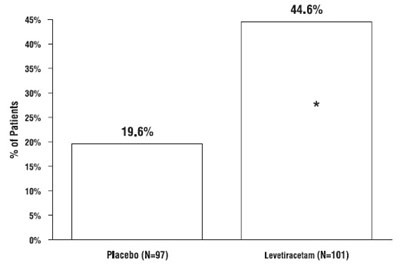
Image 6 (Levetiracetamtabletscombi Figure 07)
*statistically significant versus placebo
Clinical trial information in pediatric patients less than 4 years of age as adjunctive therapy in the treatment of partial onset seizures is approved for UCB, Inc.'s levetiracetam tablets. However, due to UCB, Inc.'s marketing exclusivity rights, this drug product is not labeled with that pediatric information.
Manufactured for:
Lupin Pharmaceuticals, Inc.
Baltimore, Maryland 21202
United States.
MADE IN INDIA.
June 2014 ID# 237668
It is not known if levetiracetam tablets are safe or effective in children under 1 month of age.
Before taking your medicine, make sure you have received the correct medicine. Compare the name above with the name on your bottle and the appearance of your medicine with the description of levetiracetam tablets provided below. Tell your pharmacist immediately if you think you have been given the wrong medicine.
Levetiracetam tablets USP, 250 mg are blue coloured, oblong-shaped, biconvex, film-coated tablets, debossed with "L" and "U" on either side of the breakline on one side and "X01" on the other side.
Levetiracetam tablets USP, 500 mg are yellow coloured, oblong-shaped, biconvex, film-coated tablets, debossed with "L" and "U" on either side of the breakline on one side and "X02" on the other side.
Levetiracetam tablets USP, 750 mg are orange coloured, oblong-shaped, biconvex, film-coated tablets, debossed with "L" and "U" on either side of the breakline on one side and "X03" on the other side.
Levetiracetam tablets USP, 1000 mg are white to off-white coloured, oblong-shaped, biconvex, film-coated tablets, debossed with "L" and "U" on either side of the breakline on one side and "X04" on the other side.
What should I tell my healthcare provider before starting levetiracetam tablets?
Before taking levetiracetam tablets, tell your healthcare provider about all of your medical conditions, including if you:
have or have had depression, mood problems or suicidal thoughts or behavior
have kidney problems
- are pregnant or planning to become pregnant. It is not known if levetiracetam tablets will harm your unborn baby. You and your healthcare provider will have to decide if you should take levetiracetam tablets while you are pregnant. If you become pregnant while taking levetiracetam tablets, talk to your healthcare provider about registering with the North American Antiepileptic Drug Pregnancy Registry. You can enroll in this registry by calling 1-888-233-2334. The purpose of this registry is to collect information about the safety of levetiracetam and other antiepileptic medicine during pregnancy.
- are breast feeding. Levetiracetam can pass into your milk and may harm your baby. You and your healthcare provider should discuss whether you should take levetiracetam tablets or breastfeed; you should not do both.
Tell your healthcare provider about all the medicines you take, including prescription and nonprescription medicines, vitamins, and herbal supplements. Do not start a new medicine without first talking with your healthcare provider.
Know the medicines you take. Keep a list of them to show your healthcare provider and pharmacist each time you get a new medicine.
How should I take levetiracetam tablets?
Take levetiracetam tablets exactly as prescribed.
- Your healthcare provider will tell you how much levetiracetam tablets to take and when to take it. Levetiracetam tablets are usually taken twice a day. Take levetiracetam tablets at the same times each day.
- Your healthcare provider may change your dose. Do not change your dose without talking to your healthcare provider.
- Take levetiracetam tablets with or without food.
- Swallow the tablets whole. Do not chew or crush tablets. Ask your healthcare provider for levetiracetam oral solution if you cannot swallow tablets.
- If you miss a dose of levetiracetam tablets, take it as soon as you remember. If it is almost time for your next dose, just skip the missed dose. Take the next dose at your regular time. Do not take two doses at the same time.
- If you take too much levetiracetam tablets, call your local Poison Control Center or go to the nearest emergency room right away.
What should I avoid while taking levetiracetam tablets?
Do not drive, operate machinery or do other dangerous activities until you know how levetiracetam tablets affect you. Levetiracetam tablets may make you dizzy or sleepy.
What are the possible side effects of levetiracetam tablets?
- See "What is the most important information I should know about levetiracetam tablets?"
Levetiracetam tablets can cause serious side effects.
Call your healthcare provider right away if you have any of these symptoms:
- mood and behavior changes such as aggression, agitation, anger, anxiety, apathy, mood swings, depression, hostility, and irritability. A few people may get psychotic symptoms such as hallucinations (seeing or hearing things that are really not there), delusions (false or strange thoughts or beliefs) and unusual behavior.
- extreme sleepiness, tiredness, and weakness
- problems with muscle coordination (problems walking and moving)
- a skin rash. Serious skin rashes can happen after you start taking levetiracetam tablets. There is no way to tell if a mild rash will become a serious reaction.
The most common side effects seen in people who take levetiracetam tablets include:
- sleepiness
- weakness
- infection
- dizziness
The most common side effects seen in children who take levetiracetam tablets include, in addition to those listed above:
- tiredness
- acting aggressive
- nasal congestion
- decreased appetite
- irritability
These side effects can happen at any time but happen more often within the first 4 weeks of treatment except for infection.
Tell your healthcare provider if you have any side effect that bothers you or that does not go away.
These are not all the possible side effects of levetiracetam tablets. For more information, ask your healthcare provider or pharmacist.
Call your doctor for medical advice about side effects. You may report side effects to FDA at 1-800-FDA-1088. You may also report side effects to Lupin Pharmaceuticals, Inc. at 1-800-399-2561.
How should I store levetiracetam tablets?
- Store at 25°C (77°F); excursions permitted to 15 to 30°C (59 to 86°F) [see USP Controlled Room Temperature].
- Keep levetiracetam tablets and all medicines out of the reach of children.
.
General information about levetiracetam tablets
Medicines are sometimes prescribed for purposes other than those listed in a Medication Guide. Do not use levetiracetam tablets for a condition for which it was not prescribed. Do not give levetiracetam tablets to other people, even if they have the same symptoms that you have. It may harm them.
This Medication Guide summarizes the most important information about levetiracetam tablets. If you would like more information, talk with your healthcare provider. You can ask your pharmacist or healthcare provider for information about levetiracetam tablets that is written for health professionals. You can also get information about levetiracetam tablets at or call 1-800-399-2561.
www.lupinpharmaceuticals.com
What are the ingredients of levetiracetam tablets?
Levetiracetam tablets
active ingredient: levetiracetam
For 250 mg, 500 mg and 750 mg strengths:
Inactive ingredients: colloidal silicon dioxide, corn starch, crospovidone, hypromellose, magnesium stearate, microcrystalline cellulose, povidone, polyethylene glycol, polyvinyl alcohol, talc, titanium dioxide, and additional agents listed below:
250 mg tablets: FD&C Blue No. 2 Aluminum Lake
500 mg tablets: Yellow Iron Oxide
750 mg tablets: FD&C Blue No. 2 Aluminum Lake, FD&C yellow No. 6 Aluminum Lake, iron oxide red
For 1000 mg strength:
Inactive ingredients: colloidal silicon dioxide, corn starch, crospovidone, croscarmellose sodium, magnesium stearate, microcrystalline cellulose, povidone, polyethylene glycol, polyvinyl alcohol, talc and titanium dioxide.
Levetiracetam tablets do not contain lactose or gluten.
Information on the use of levetiracetam in pediatric patients less than 4 years of age as adjunctive therapy in the treatment of partial onset seizures is approved for UCB, Inc.'s levetiracetam tablets. However, due to UCB, Inc.'s marketing exclusivity rights, this drug product is not labeled with that pediatric information.
This Medication Guide has been approved by the US Food and Drug Administration.
Manufactured for:
Lupin Pharmaceuticals, Inc.
Baltimore, Maryland 21202
United States.
MADE IN INDIA.
June 2014 ID#: 237669