The therapeutic range in epilepsy is commonly considered to be 50 to 100 µg/mL of total valproate, although some patients may be controlled with lower or higher plasma concentrations.
The efficacy of divalproex sodium in reducing the incidence of complex partial seizures (CPS) that occur in isolation or in association with other seizure types was established in two controlled trials.
In one, multiclinic, placebo controlled study employing an add-on design, (adjunctive therapy) 144 patients who continued to suffer eight or more CPS per 8 weeks during an 8 week period of monotherapy with doses of either carbamazepine or phenytoin sufficient to assure plasma concentrations within the "therapeutic range" were randomized to receive, in addition to their original antiepilepsy drug (AED), either divalproex sodium or placebo. Randomized patients were to be followed for a total of 16 weeks. The following table presents the findings.
Adjunctive Therapy Study
Median Incidence of CPS per 8 Weeks |
| Add-on Treatment | Number of Patients | Baseline Incidence | Experimental Incidence |
| Divalproex Sodium | 75 | 16.0 | 8.9 Reduction from baseline statistically significantly greater for divalproex sodium than placebo at p≤0.05 level. |
| Placebo | 69 | 14.5 | 11.5 |
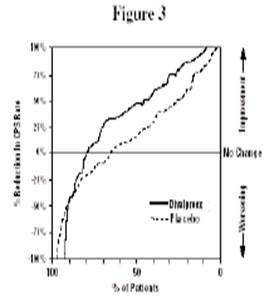
Figure 3 presents the proportion of patients (X axis) whose percentage reduction from baseline in complex partial seizure rates was at least as great as that indicated on the Y axis in the adjunctive therapy study. A positive percent reduction indicates an improvement (i.e., a decrease in seizure frequency), while a negative percent reduction indicates worsening. Thus, in a display of this type, the curve for an effective treatment is shifted to the left of the curve for placebo. This figure shows that the proportion of patients achieving any particular level of improvement was consistently higher for divalproex sodium than for placebo. For example, 45% of patients treated with divalproex sodium had a ≥50% reduction in complex partial seizure rate compared to 23% of patients treated with placebo.
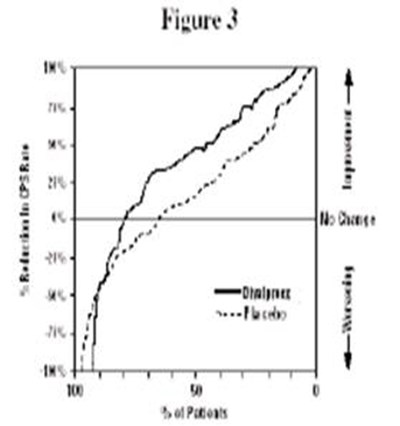
Figure 3 (Ea1966a2 794c 434e A9da 57890bd182fc 04)
The second study assessed the capacity of divalproex sodium to reduce the incidence of CPS when administered as the sole AED. The study compared the incidence of CPS among patients randomized to either a high or low dose treatment arm. Patients qualified for entry into the randomized comparison phase of this study only if 1) they continued to experience 2 or more CPS per 4 weeks during an 8 to 12 week long period of monotherapy with adequate doses of an AED (i.e., phenytoin, carbamazepine, phenobarbital, or primidone) and 2) they made a successful transition over a two week interval to divalproex sodium. Patients entering the randomized phase were then brought to their assigned target dose, gradually tapered off their concomitant AED and followed for an interval as long as 22 weeks. Less than 50% of the patients randomized, however, completed the study. In patients converted to divalproex sodium monotherapy, the mean total valproate concentrations during monotherapy were 71 and 123 µg/mL in the low dose and high dose groups, respectively.
The following table presents the findings for all patients randomized who had at least one post-randomization assessment.
Monotherapy Study
Median Incidence of CPS per 8 Weeks |
| Treatment | Number of Patients | Baseline Incidence | Randomized Phase Incidence |
High dose
Divalproex Sodium
| 131 | 13.2 | 10.7 Reduction from baseline statistically significantly greater for high dose than low dose at p≤0.05 level. |
Low dose
Divalproex Sodium | 134 | 14.2 | 13.8 |
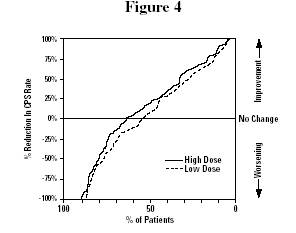
Figure 4 presents the proportion of patients (X axis) whose percentage reduction from baseline in complex partial seizure rates was at least as great as that indicated on the Y axis in the monotherapy study. A positive percent reduction indicates an improvement (i.e., a decrease in seizure frequency), while a negative percent reduction indicates worsening. Thus, in a display of this type, the curve for a more effective treatment is shifted to the left of the curve for a less effective treatment. This figure shows that the proportion of patients achieving any particular level of reduction was consistently higher for high dose divalproex sodium than for low dose divalproex sodium. For example, when switching from carbamazepine, phenytoin, phenobarbital or primidone monotherapy to high dose divalproex sodium monotherapy, 63% of patients experienced no change or a reduction in complex partial seizure rates compared to 54% of patients receiving low dose divalproex sodium.
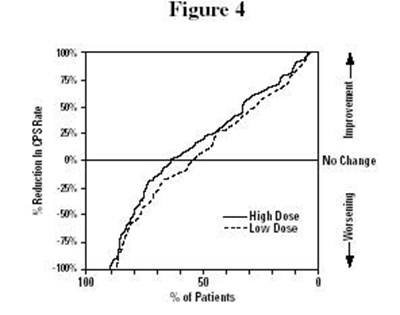
Figure 4 (Ea1966a2 794c 434e A9da 57890bd182fc 05)
Divalproex Sodium Delayed-Release Tablets, USP are indicated as monotherapy and adjunctive therapy in the treatment of patients with complex partial seizures that occur either in isolation or in association with other types of seizures. Divalproex Sodium Delayed-Release Tablets, USP are also indicated for use as sole and adjunctive therapy in the treatment of simple and complex absence seizures, and adjunctively in patients with multiple seizure types that include absence seizures.
Simple absence is defined as very brief clouding of the sensorium or loss of consciousness accompanied by certain generalized epileptic discharges without other detectable clinical signs. Complex absence is the term used when other signs are also present.
Based on a placebo-controlled trial of adjunctive therapy for treatment of complex partial seizures, divalproex sodium was generally well tolerated with most adverse events rated as mild to moderate in severity. Intolerance was the primary reason for discontinuation in the divalproex sodium-treated patients (6%), compared to 1% of placebo-treated patients.
Table 4 lists treatment-emergent adverse events which were reported by ≥5% of divalproex sodium-treated patients and for which the incidence was greater than in the placebo group, in the placebo-controlled trial of adjunctive therapy for treatment of complex partial seizures. Since patients were also treated with other antiepilepsy drugs, it is not possible, in most cases, to determine whether the following adverse events can be ascribed to divalproex sodium alone, or the combination of divalproex sodium and other antiepilepsy drugs.
Table 4 Adverse Events Reported by ≥ 5% of Patients Treated with Divalproex Sodium During Placebo-Controlled Trial of Adjunctive Therapy for Complex Partial Seizures| Body System/Event | Divalproex Sodium (%)
(n=77) | Placebo (%)
(n=70) |
| Body as a Whole | | |
| Headache | 31 | 21 |
| Asthenia | 27 | 7 |
| Fever | 6 | 4 |
| Gastrointestinal System | | |
| Nausea | 48 | 14 |
| Vomiting | 27 | 7 |
| Abdominal Pain | 23 | 6 |
| Diarrhea | 13 | 6 |
| Anorexia | 12 | 0 |
| Dyspepsia | 8 | 4 |
| Constipation | 5 | 1 |
| Nervous System | | |
| Somnolence | 27 | 11 |
| Tremor | 25 | 6 |
| Dizziness | 25 | 13 |
| Diplopia | 16 | 9 |
| Amblyopia/Blurred Vision | 12 | 9 |
| Ataxia | 8 | 1 |
| Nystagmus | 8 | 1 |
| Emotional Lability | 6 | 4 |
| Thinking Abnormal | 6 | 0 |
| Amnesia | 5 | 1 |
| Respiratory System | | |
| Flu Syndrome | 12 | 9 |
| Infection | 12 | 6 |
| Bronchitis | 5 | 1 |
| Rhinitis | 5 | 4 |
| Other | | |
| Alopecia | 6 | 1 |
| Weight Loss | 6 | 0 |
Table 5 lists treatment-emergent adverse events which were reported by ≥5% of patients in the high dose divalproex sodium group, and for which the incidence was greater than in the low dose group, in a controlled trial of divalproex sodium monotherapy treatment of complex partial seizures. Since patients were being titrated off another antiepilepsy drug during the first portion of the trial, it is not possible, in many cases, to determine whether the following adverse events can be ascribed to divalproex sodium alone, or the combination of divalproex sodium and other antiepilepsy drugs.
Table 5 Adverse Events Reported by ≥ 5% of Patients in the High Dose Group in the Controlled Trial of Divalproex Sodium Monotherapy for Complex Partial SeizuresHeadache was the only adverse event that occurred in ≥5% of patients in the high dose group and at an equal or greater incidence in the low dose group.
| Body System/Event | High Dose (%)
(n=131) | Low Dose (%)
(n=134) |
| Body as a Whole | | |
| Asthenia | 21 | 10 |
| Digestive System | | |
| Nausea | 34 | 26 |
| Diarrhea | 23 | 19 |
| Vomiting | 23 | 15 |
| Abdominal Pain | 12 | 9 |
| Anorexia | 11 | 4 |
| Dyspepsia | 11 | 10 |
| Hemic/Lymphatic System | | |
| Thrombocytopenia | 24 | 1 |
| Ecchymosis | 5 | 4 |
| Metabolic/Nutritional | | |
| Weight Gain | 9 | 4 |
| Peripheral Edema | 8 | 3 |
| Nervous System | | |
| Tremor | 57 | 19 |
| Somnolence | 30 | 18 |
| Dizziness | 18 | 13 |
| Insomnia | 15 | 9 |
| Nervousness | 11 | 7 |
| Amnesia | 7 | 4 |
| Nystagmus | 7 | 1 |
| Depression | 5 | 4 |
| Respiratory System | | |
| Infection | 20 | 13 |
| Pharyngitis | 8 | 2 |
| Dyspnea | 5 | 1 |
| Skin and Appendages | | |
| Alopecia | 24 | 13 |
| Special Senses | | |
| Amblyopia/Blurred Vision | 8 | 4 |
| Tinnitus | 7 | 1 |
The following additional adverse events were reported by greater than 1% but less than 5% of the 358 patients treated with divalproex sodium in the controlled trials of complex partial seizures:
Body as a Whole: Back pain, chest pain, malaise.
Cardiovascular System: Tachycardia, hypertension, palpitation.
Digestive System: Increased appetite, flatulence, hematemesis, eructation, pancreatitis, periodontal abscess.
Hemic and Lymphatic System: Petechia.
Metabolic and Nutritional Disorders: SGOT increased, SGPT increased.
Musculoskeletal System: Myalgia, twitching, arthralgia, leg cramps, myasthenia.
Nervous System: Anxiety, confusion, abnormal gait, paresthesia, hypertonia, incoordination, abnormal dreams, personality disorder.
Respiratory System: Sinusitis, cough increased, pneumonia, epistaxis.
Skin and Appendages: Rash, pruritus, dry skin.
Special Senses: Taste perversion, abnormal vision, deafness, otitis media.
Urogenital System: Urinary incontinence, vaginitis, dysmenorrhea, amenorrhea, urinary frequency.
Divalproex Sodium Delayed-Release Tablets, USP are administered orally. Divalproex Sodium Delayed-Release Tablets, USP are indicated as monotherapy and adjunctive therapy in complex partial seizures in adults and pediatric patients down to the age of 10 years, and in simple and complex absence seizures. As the Divalproex Sodium Delayed-Release Tablets, USP dosage is titrated upward, concentrations of phenobarbital, carbamazepine, and/or phenytoin may be affected (see PRECAUTIONS - Drug Interactions).