Tacrolimus Capsule, Extended Release
Product Images NDC 69238-2782
View Photos of Packaging, Regulatory Labels, and Product Appearance
Product Visual Gallery
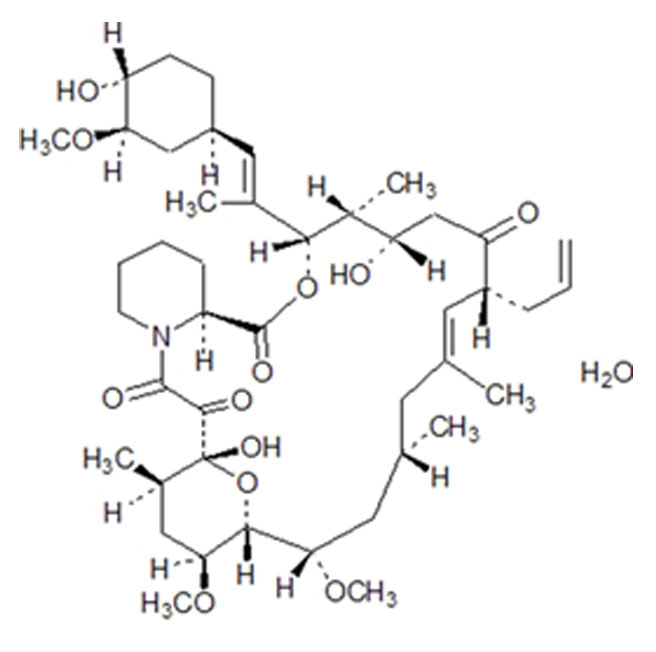
This gallery contains 6 technical images submitted to the FDA as part of the official labeling for Tacrolimus (NDC 69238-2782). Unlike standard consumer photos, these assets often include clinical data figures, molecular chemical structures, and official manufacturer packaging layouts.
As provided by Amneal Pharmaceuticals Ny Llc, these visuals offer a comprehensive scientific overview of the product's physical and chemical identity, aiding pharmacists and researchers in product verification and study.
Product Images & Figures Index
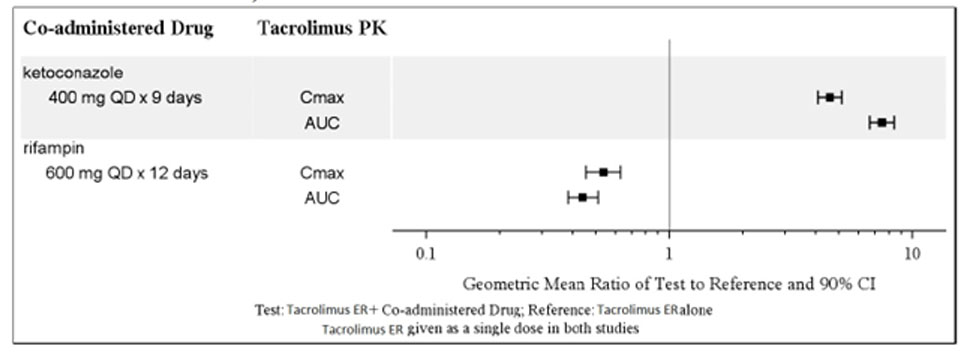
Figure 1 (Tacrolimus Extended Release Capsules 2)
This is a pharmaceutical study evaluating the impact of co-administered drugs ketoconazole and rifampin on the pharmacokinetics of Tacrolimus. The study involved administering different doses of ketoconazole and rifampin for specific durations. The study measured Tacrolimus's maximum concentration (Cmax) and area under the curve (AUC) in the presence of the co-administered drugs. Statistical analysis was performed to determine the geometric mean ratio of Tacrolimus when co-administered with the drugs compared to Tacrolimus administered alone. The study aimed to evaluate any potential drug interactions and their impact on Tacrolimus metabolism.*
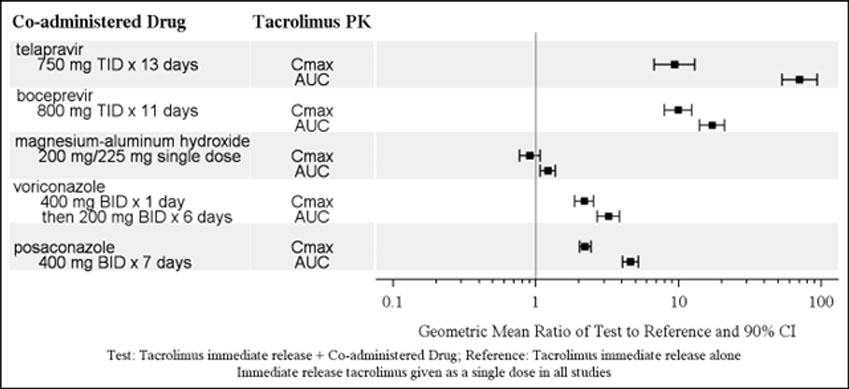
Figure 2 (Tacrolimus Extended Release Capsules 3)
This text provides information on the pharmacokinetics of co-administered drugs with tacrolimus. It includes details on different drugs such as lela)ravnr, magnesium-aluminum hydroxide, voriconazole, and posaconazole, along with their dosages and administration schedules. The geometric mean ratio of the test drugs to tacrolimus alone is also presented with 90% confidence intervals. Additionally, it mentions that immediate-release tacrolimus was given as a single dose in all studies. The text appears to be a detailed summary of drug interaction studies involving tacrolimus.*
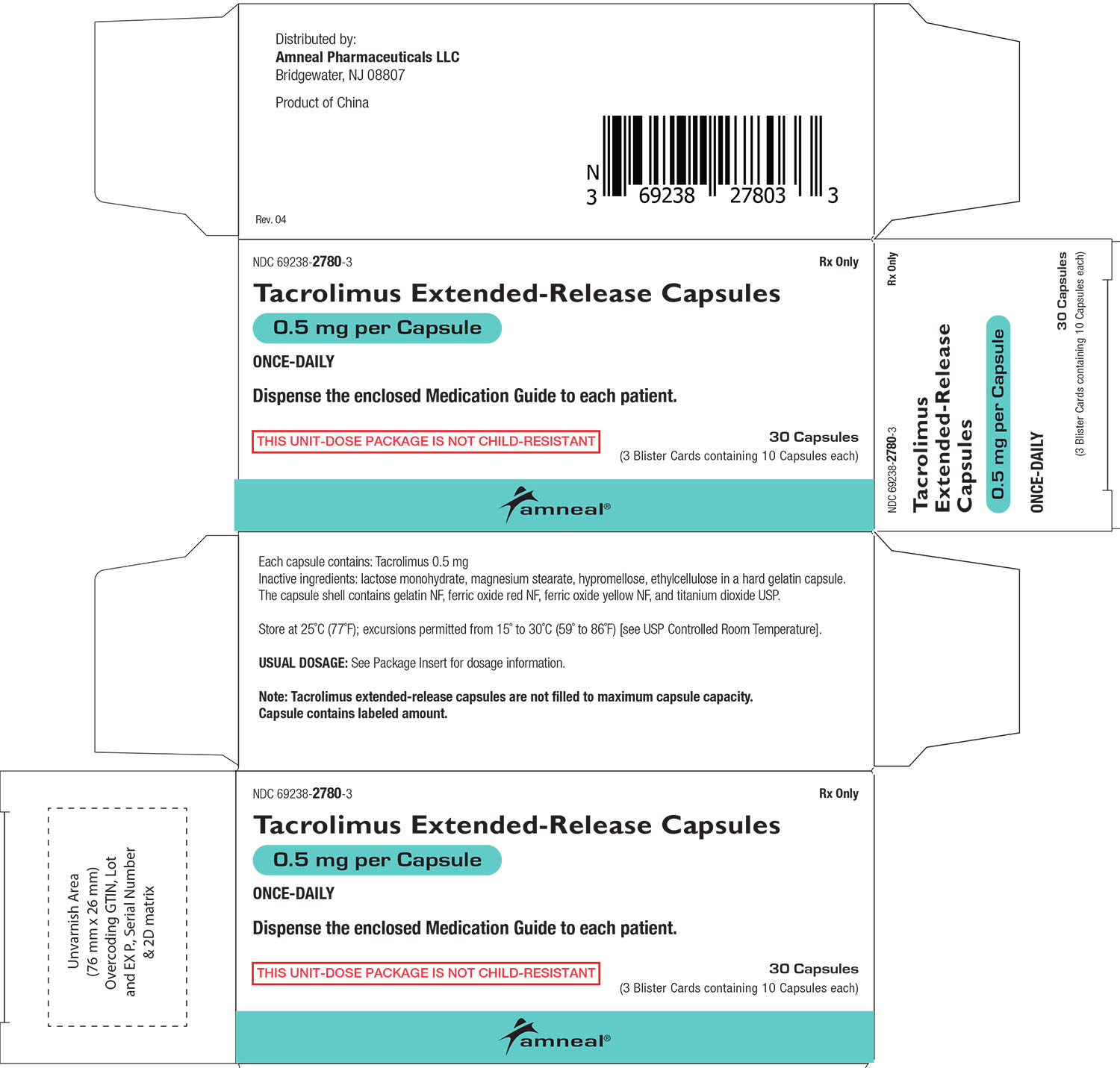
0-5 Carton (Tacrolimus Extended Release Capsules 4)
This text provides information about Tacrolimus extended-release capsules distributed by Amneal Pharmaceuticals LLC. Each capsule contains Tacrolimus 0.5 mg along with specific inactive ingredients. The recommended storage conditions and usual dosage information are also mentioned. The unit-dose package is not child-resistant and should be accompanied by the enclosed Medication Guide when dispensed. The product is stated to be from China and comes in a package of 30 capsules split across three blister cards.*
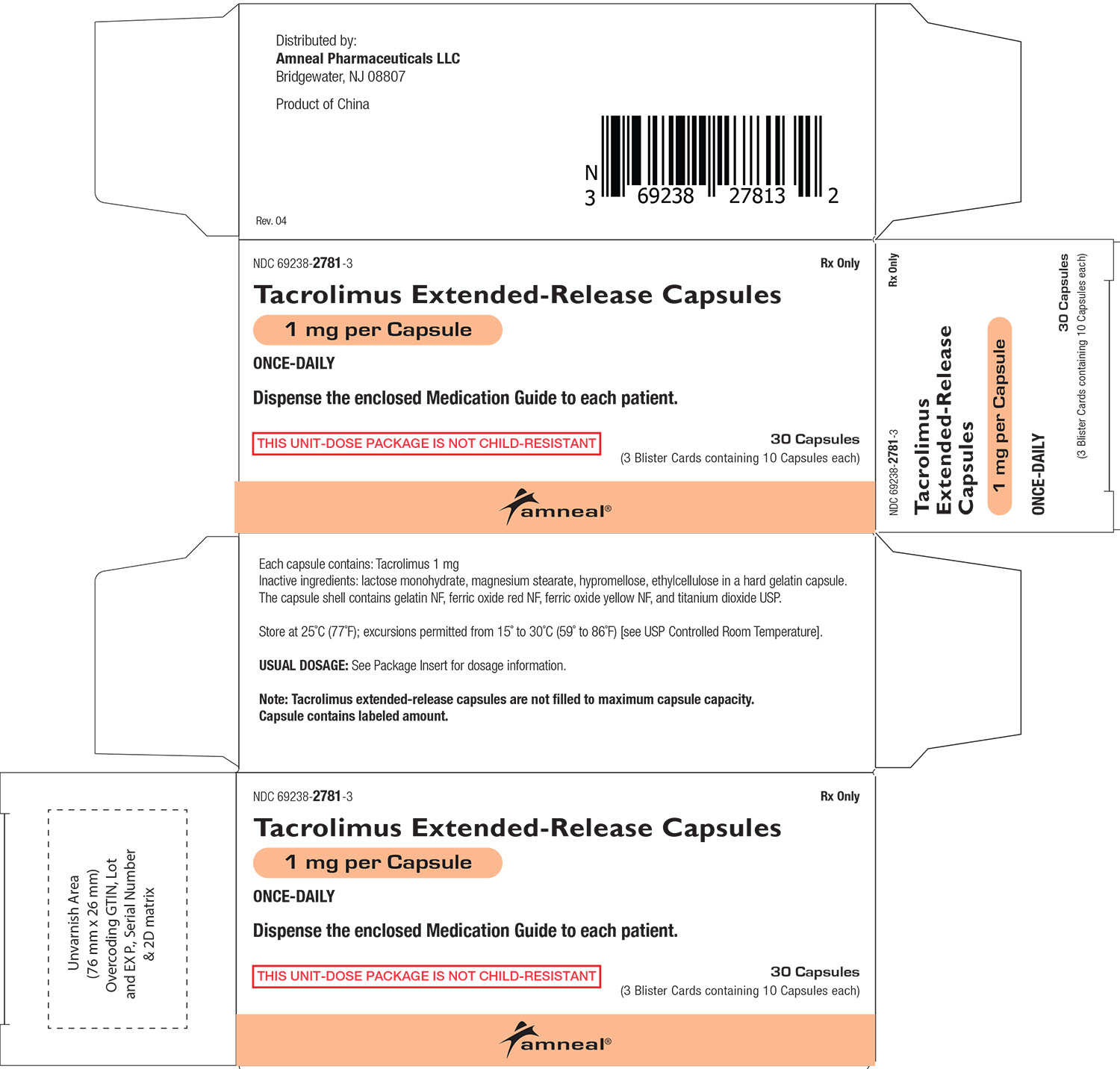
1mg Carton (Tacrolimus Extended Release Capsules 5)
This is a description of Tacrolimus Extended-Release Capsules, designed for once-daily use. Each capsule contains 1 mg of Tacrolimus. The product is distributed by Amneal Pharmaceuticals LLC and is a Product of China. The capsules are not child-resistant and come in a package of 30 capsules (3 blister cards with 10 capsules in each). The inactive ingredients include lactose monohydrate, magnesium stearate, and others. The capsules must be stored at 25°C (77°F) with excursions permitted between 15" to 30°C (59" to 86°F). The usual dosage information can be found in the package insert.*
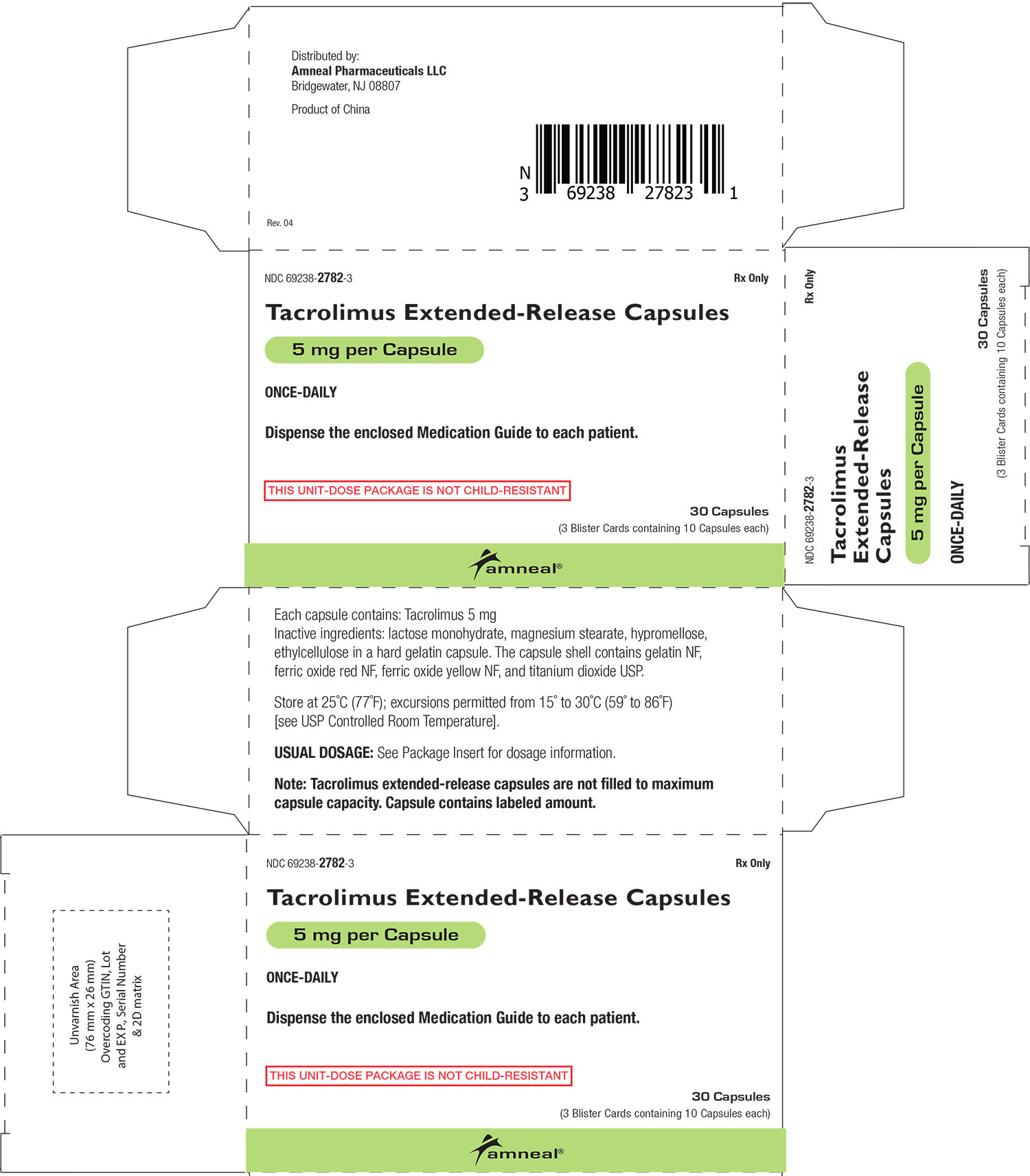
5mg Carton (Tacrolimus Extended Release Capsules 6)
This is a detailed description of Tacrolimus Extended-Release Capsules, a medication distributed by Amneal Pharmaceuticals LLC. The capsules contain Tacrolimus 5 mg and have inactive ingredients like lactose monohydrate and magnesium stearate. The hard gelatin capsule shell includes gelatin NF, ferric oxide red NF, ferric oxide yellow NF, and titanium dioxide USP. Each unit-dose package contains 30 capsules, divided into three blister cards with 10 capsules each. It is important to note that this packaging is not child-resistant. The capsules are meant for once-daily use, and the usual dosage instructions can be found in the package insert. It is recommended to store the capsules at 25°C (77°F) with excursions permitted from 15°C to 30°C (59°F to 86°F).*
* These product label images have been analyzed using experimental machine learning. Please verify findings with the primary label text.