Epinephrine 0.15 Pediatrics Injection
Product Images NDC 70385-2020

View Photos of Packaging, Regulatory Labels, and Product Appearance

Product Visual Gallery

This gallery contains 22 technical images submitted to the FDA as part of the official labeling for Epinephrine 0.15 Pediatrics (NDC 70385-2020). Unlike standard consumer photos, these assets often include clinical data figures, molecular chemical structures, and official manufacturer packaging layouts.

As provided by Sina Health Inc, these visuals offer a comprehensive scientific overview of the product's physical and chemical identity, aiding pharmacists and researchers in product verification and study.

FDA Label Image

Epinephrine Structrual Formula (Image 01)

Epinephrine Structrual Formula (Image 01)
Chemical structure of Epinephrine showing its molecular framework with hydroxyl groups and an amine side chain, consistent with the active ingredient in Epinephrine 0.15 Pediatrics injection.*
FDA Label Image

Figure A (Image 02)

Figure A (Image 02)
Illustration comparing two epinephrine auto-injectors: a 0.3 mg injection with a yellow label, yellow cap, blue safety top, protective case, medicine viewing window, expiration date, and orange needle end; and a 0.15 mg injection with a green label, green cap, similar protective case, and orange needle end, highlighting key components of each device.*
FDA Label Image

Figure B (Image 03)

Figure B (Image 03)
An instructional diagram showing the injection sites for an intramuscular injection on the outer thighs of a pair of pants, highlighting the left and right thigh areas where injections can be administered.*
FDA Label Image

Figure C (Image 04)

Figure C (Image 04)
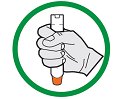
An instructional illustration showing a hand holding an Epinephrine 0.15 Pediatrics injection device, demonstrating the proper grip technique for use. The image highlights the device held vertically with the thumb positioned near the top and the orange tip at the bottom.*
FDA Label Image

Figure D And Figure E (Image 05)

Figure D And Figure E (Image 05)
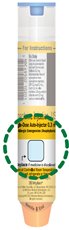
An instructional illustration comparing two epinephrine auto-injector safety tops. The left image shows a blue safety top that is not raised, indicating the auto-injector is okay to use. The right image shows a raised blue safety top, indicating the auto-injector should not be used and must be replaced.*
FDA Label Image

Figure F (Image 06)

Figure F (Image 06)
Epinephrine 0.15 Pediatrics trainer injector pen labeled 'No Medicine No Needle' for practice use only. The pen is orange and white, showing instructions to reset the trainer with diagrams. It is an intramuscular injection simulator by Sina Health Inc.*
FDA Label Image

Figure G (Image 07)

Figure G (Image 07)
An instructional diagram showing an Epinephrine 0.15 Pediatrics intramuscular injection device. The top image illustrates the device before use with the needle hidden inside, and the bottom image shows the device after use with the needle exposed. The diagram highlights the needle's hidden and exposed states before and after administration.*
FDA Label Image

Figure H (Image 08)

Figure H (Image 08)
The image shows a packaging label of Epinephrine 0.15 Pediatrics injection by Sina Health Inc. The label highlights the dosage strength of 0.15 mg per 0.3 mL for intramuscular use, designed for pediatric patients. The product is housed in a single-use autoinjector device, with visible instructions and dosage markings on the label.*
FDA Label Image

Figure I (Image 09)

Figure I (Image 09)
Illustration showing two hands preparing an epinephrine auto-injector for intramuscular injection. One hand holds the device, while the other removes a safety cap or shield, demonstrating proper handling prior to use.*
FDA Label Image

Figure J (Image 10)

Figure J (Image 10)
An instructional diagram demonstrating how to remove the blue safety top from an Epinephrine 0.15 mg/.3mL pediatric injection syringe. It shows a hand pulling off the safety cap upward, with an arrow indicating the direction and a label pointing to the needle end of the syringe.*
FDA Label Image

Figure K (Image 11)

Figure K (Image 11)
An instructional illustration showing a person administering an intramuscular injection of Epinephrine 0.15 Pediatrics. The diagram advises to push hard against the leg until a 'pop' sound, then hold the position for 1 to 3 seconds after the pop.*
FDA Label Image

Figure L (Image 12)

Figure L (Image 12)
An instructional illustration showing how to administer an injection of Epinephrine 0.15 Pediatrics intramuscularly. The diagram directs to push hard against the outer thigh, hold for 1-3 seconds after a 'pop' is felt, indicating proper injection technique.*
FDA Label Image

Figure M (Image 13)

Figure M (Image 13)
An instructional illustration showing a person holding an auto-injector device aimed at the thigh. An arrow indicates the motion of swinging the device firmly against the outer thigh for intramuscular injection.*
FDA Label Image

Figure A (Image 14)

Figure A (Image 14)
An instructional illustration labeled "Figure A. Your Gray Trainer" showing a practice injector with a blue safety top on one end and an orange end on the opposite side, used for epinephrine administration training.*
FDA Label Image

Figure B (Image 15)

Figure B (Image 15)
An instructional illustration showing how to remove the blue safety top from an Epinephrine 0.15 Pediatrics injection device. The image highlights the orange end of the injector and includes an arrow to indicate the upward motion to pull off the blue safety top.*
FDA Label Image

Figure C (Image 16)

Figure C (Image 16)
An instructional illustration showing a person administering an intramuscular injection in the outer thigh. Text instructions read: 'Push hard against leg' with an arrow indicating downward pressure and a 'pop!' sound effect. Additional text advises to 'Hold 1-2-3 seconds' after the pop.*
FDA Label Image

Figure D (Image 17)

Figure D (Image 17)
An instructional illustration showing the action to push an intramuscular injection against the leg with instruction to hold for 1-2-3 seconds after hearing a pop sound. The image depicts a hand administering an injection into the outer thigh of a bent leg, demonstrating correct injection technique.*
FDA Label Image

Figure E (Image 18)

Figure E (Image 18)
An illustration showing a cylindrical object with an orange extending end, accompanied by the instruction 'Check if used (Orange end extends).' This diagram likely indicates a usage check feature for an injection device or similar product.*
FDA Label Image

Figure F (Image 19)

Figure F (Image 19)
An illustration showing a hand holding a syringe, placing the needle cap on a surface with arrows indicating the direction of movement. The image likely demonstrates a step in the preparation or disposal of an intramuscular injection device.*
FDA Label Image

Epinephrine Injection 0.3 mg Carton Label (Image 20)

Epinephrine Injection 0.3 mg Carton Label (Image 20)
Packaging label for Epinephrine Injection, USP Single-Dose Auto-Injector 0.3 mg for allergic emergencies (anaphylaxis). The label shows two auto-injectors and a trainer, with instructions for use, storage information, and warnings. The labeler is Sina Health Inc, and the product NDC is visible.*
FDA Label Image

Epinephrine Injection 0.15 mg Carton Label (Image 21)

Epinephrine Injection 0.15 mg Carton Label (Image 21)
Packaging label for Epinephrine Injection, USP Single-Dose Auto-Injector 0.15 mg by Sina Health Inc. The label indicates this product is for pediatric use in allergic emergencies (anaphylaxis) and contains 2 units per carton. Instructions and illustrations on how to administer the injection intramuscularly are shown, along with images of the auto-injectors and a trainer device. The label includes storage instructions, a barcode, and QR codes for additional information.*
FDA Label Image

Important Differences (Image 22)

Important Differences (Image 22)
Illustrations of epinephrine auto-injectors for injection USP, showing the 0.3 mg and 0.15 mg strengths in their carrier tubes and removed from carrier tubes. Includes a trainer device labeled for practice use. The depiction highlights different colored auto-injectors (orange for 0.3 mg, green for 0.15 mg) and usage orientation.*

* About these descriptions: Image descriptions on this page are generated by automated AI analysis of the product label images from the manufacturer's FDA label submission (SPL). They are provided for reference only and may contain errors or omissions. Always rely on the printed label itself and the official FDA labeling, and consult a pharmacist or healthcare professional with any questions about this product.