Limitation of Use:
ARIKAYCE has only been studied in patients with refractory MAC lung disease defined as patients who did not achieve negative sputum cultures after a minimum of 6 consecutive months of a multidrug background regimen therapy. The use of ARIKAYCE is not recommended for patients with non-refractory MAC lung disease.
Overview of Clinical Trials for Safety Evaluation
Within the refractory NTM clinical program, 388 patients that participated in three clinical trials were treated with ARIKAYCE at the dose of 590 mg/day (median duration of exposure to ARIKAYCE was 169 days).
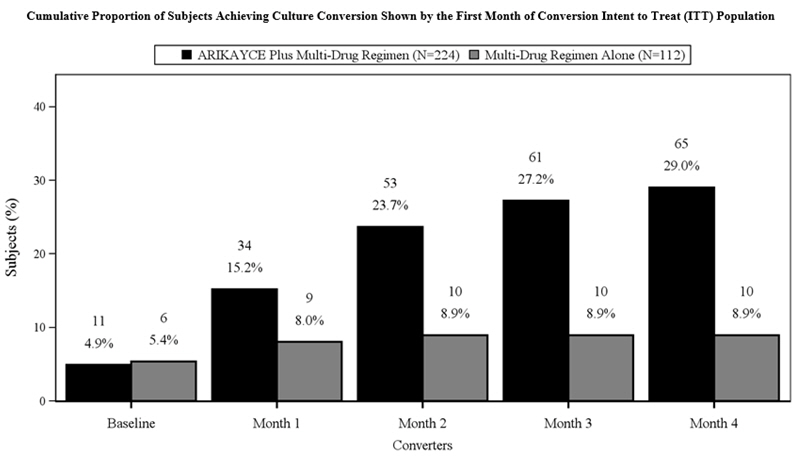
Trial 1 (NCT#02344004) was an open-label, randomized (2:1), multi-center Phase 3 trial in patients with refractory Mycobacterium avium complex (MAC) lung disease. Patients were randomized to either 8 months of ARIKAYCE plus a background regimen (n=223) or background regimen alone (n=112).
Trial 2 (NCT#02628600) was a single-arm extension of Trial 1 for refractory MAC lung disease patients that failed to achieve negative sputum cultures after 6 months of treatment or had a relapse or recurrence by Month 6 from either study arm of Trial 1. A total of 133 patients (n=74 from the prior background regimen alone arm of Trial 1, and n=59 from the prior ARIKAYCE plus background regimen arm in Trial 1) participated in the trial.
Trial 3 (NCT#01315236) was a double-blind, randomized, placebo-controlled Phase 2 study in patients with refractory nontuberculous mycobacterial (NTM) lung disease caused by MAC and Mycobacterium abscessus. Patients were randomized to either ARIKAYCE plus background regimen or an inhaled diluted empty liposome placebo plus background regimen for 84 days.
Across all clinical trials of patients with and without refractory NTM lung infection, 802 patients were exposed to multiple doses of ARIKAYCE.
Adverse Reactions Leading to Treatment Discontinuation
In the three NTM studies, there was a higher incidence of premature discontinuation of ARIKAYCE. In Trial 1, 33.5% discontinued ARIKAYCE prematurely; most were due to adverse reactions (17.4%) and withdrawal by subject (9.4%). In the comparator arm 8% of subjects discontinued theirbackground regimen, with 0.9% due to adverse reactions and 5.4% due to withdrawal by subject. In Trial 2 (the single-arm extension of Trial 1), 20.3% of patients starting on ARIKAYCE discontinued prematurely with 14.9% discontinuing due to adverse reactions. In Trial 3, all 9 (20.5%) premature discontinuations occurred in the ARIKAYCE plus background regimen-treated patients and there were no premature discontinuations in the placebo plus background regimen arm.
Serious Adverse Reactions in Trials 1 and 3
In the two randomized trials (Trial 1 and Trial 3), there were more serious adverse reactions (SARs) reported in the ARIKAYCE-treated arm as compared to the respective control arm. In Trial 1, 20.2% of patients treated with ARIKAYCE plus background regimen reported SAR as compared to 16.1% of patients treated with background regimen alone. In addition, in Trial 1 [2 to 1 randomization, ARIKAYCE plus background regimen versus background regimen alone], there were 82 hospitalizations in 41 patients (18.4%) treated with ARIKAYCE plus background regimen compared to 23 hospitalizations in 15 patients (13.4%) treated with background regimen alone. The most common SARs and reasons for hospitalization in the ARIKAYCE plus background regimen arm were related to exacerbation of underlying pulmonary disease and lower respiratory tract infections, such as pneumonia.
In Trial 3, 18.2% of patients treated with ARIKAYCE plus background regimen reported SARs compared to 8.9% of patients treated with background regimen plus inhaled placebo.
Common Adverse Reactions
The incidence of adverse reactions in Trial 1 are displayed in Table 1. Only those adverse reactions with a rate of at least 5% in the ARIKAYCE plus background regimen group and greater than the background regimen alone group, are shown.
Table 1: Adverse Reactions in ≥ 5% of ARIKAYCE-treated MAC Patients and More Frequent than Background Regimen Alone in Trial 1| Adverse Reaction | ARIKAYCE plus Background Regimen
(n=223)
n (%) | Background Regimen Alone
(n=112)
n (%) |
|---|
| Dysphonia Includes aphonia and dysphonia | 105 (47) | 1 (1) |
| Cough Includes cough, productive cough and upper airway cough syndrome | 87 (39) | 19 (17) |
| Bronchospasm Includes asthma, bronchial hyperreactivity, bronchospasm, dyspnea, dyspnea exertional, prolonged expiration, throat tightness, wheezing | 64 (29) | 12 (11) |
| Hemoptysis | 40 (18) | 14 (13) |
| Ototoxicity Includes deafness, deafness neurosensory, deafness unilateral, dizziness, hypoacusis, presyncope, tinnitus, vertigo | 38 (17) | 11 (10) |
| Upper airway irritation Includes oropharyngeal pain, oropharyngeal discomfort, throat irritation, pharyngeal erythema, upper airway inflammation, pharyngeal edema, vocal cord inflammation, laryngeal pain, laryngeal erythema, laryngitis | 37 (17) | 2 (2) |
| Musculoskeletal pain Includes back pain, arthralgia, myalgia, pain/body aches, muscle spasm and musculoskeletal pain | 37 (17) | 9 (8) |
| Fatigue and asthenia | 36 (16) | 11 (10) |
| Exacerbation of underlying pulmonary disease Includes COPD, infective exacerbation of COPD, infective exacerbation of bronchiectasis | 33 (15) | 11 (10) |
| Diarrhea | 28 (13) | 5 (5) |
| Nausea | 26 (12) | 4 (4) |
| Pneumonia Includes atypical pneumonia, empyema, infection pleural effusion, lower respiratory tract infection, lung infection, lung infection pseudomonas, pneumonia, pneumonia aspiration, pneumonia pseudomonas, pseudomonas infection and respiratory tract infection | 22 (10) | 9 (8) |
| Headache | 22 (10) | 5 (5) |
| Pyrexia | 16 (7) | 5 (5) |
| Vomiting Includes vomiting and post-tussive vomiting | 15 (7) | 4 (4) |
| Rash Includes rash, rash maculo-papular, drug eruption and urticaria | 14 (6) | 2 (2) |
| Weight decreased | 14 (6) | 1 (1) |
| Change in sputum Includes increased sputum, sputum purulent and sputum discolored | 12 (5) | 1 (1) |
| Chest discomfort | 12 (5) | 3 (3) |
Selected adverse drug reactions that occurred in <5% of patients and at higher frequency in ARIKAYCE-treated patients in Trial 1 are presented in Table 2.
Table 2: Selected Adverse Reactions in < 5% of ARIKAYCE-treated MAC Patients and More Frequent than Background Regimen Alone in Trial 1 | ARIKAYCE plus Background Regimen
N=223 | Background Regimen Alone
N=112 |
|---|
| Anxiety | 10 (4.5) | 0 (0) |
| Oral fungal infection Includes oral candidiasis and oral fungal infection | 9 (4) | 2 (1.8) |
| Bronchitis | 8 (3.6) | 3 (2.7) |
| Hypersensitivity pneumonitis Includes allergic alveolitis, interstitial lung disease, and pneumonitis | 8 (3.6) | 0 (0) |
| Dysgeusia | 7 (3.1) | 0 (0) |
| Respiratory failure Includes acute respiratory failure and respiratory failure | 6 (2.7) | 1 (0.9) |
| Epistaxis | 6 (2.7) | 1 (0.9) |
| Neuromuscular disorder Includes muscle weakness, neuropathy peripheral, and balance disorder | 5 (2.2) | 0 (0) |
| Dry mouth | 5 (2.2) | 0 (0) |
| Pneumothorax Includes pneumothorax, pneumothorax spontaneous and pneumomediastinum | 5 (2.2) | 1 (0.9) |
| Exercise tolerance decreased | 3 (1.3) | 0 (0) |
| Balance disorder | 3 (1.3) | 0 (0) |
Refer to Table 1 and Table 2 for the incidence rate of hypersensitivity pneumonitis, bronchospasm, cough, dysphonia, exacerbation of underlying disease, hemoptysis, ototoxicity, upper airway irritation, and neuromuscular disorders [see Warnings and Precautions (5.1, 5.2, 5.3, 5.4, 5.5, 5.6)]
Risk Summary
There are no data on ARIKAYCE use in pregnant women to evaluate for any drug-associated risk of major birth defects, miscarriage or adverse maternal or fetal outcomes. Although systemic absorption of amikacin following oral inhalation is expected to be low [see Clinical Pharmacology (12.3)], systemic exposure to aminoglycoside antibacterial drugs, including ARIKAYCE, may be associated with total, irreversible, bilateral congenital deafness when administered to pregnant women [see Warnings and Precautions (5.8)]. Advise pregnant women of the potential risk to a fetus.
Animal reproductive toxicology studies have not been conducted with inhaled amikacin. Subcutaneous administration of amikacin to pregnant rats (up to 100 mg/kg/day) and mice (up to 400 mg/kg/day) during organogenesis was not associated with fetal malformations. Ototoxicity was not adequately evaluated in offspring in animal studies.
The estimated background risk of major birth defects and miscarriage for the indicated populations is unknown. All pregnancies have a background risk of birth defect, loss, or other adverse outcomes. In the U.S. general population, the estimated background risk of major birth defects and miscarriage in clinically recognized pregnancies is 2-4% and 15-20%, respectively.
Data
Animal Data
No animal reproductive toxicology studies have been conducted with ARIKAYCE or non-liposomal amikacin administered by inhalation.
Amikacin was subcutaneously administered to pregnant rats (Gestation Days 8-14) and mice (Gestation Days 7-13) at doses of 25, 100, or 400 mg/kg to assess developmental toxicity. These doses did not cause fetal visceral or skeletal malformations in mice. The high dose was excessively maternally toxic in rats (nephrotoxicity and mortality were observed), precluding the evaluation of offspring at this dose. Fetal malformations were not observed at the low or mid dose in rats. Postnatal development of the rats and mice exposed to these doses of amikacin in utero did not differ significantly from control.
Ototoxicity was not adequately evaluated in offspring in animal developmental toxicology studies.
Risk Summary
There is no information regarding the presence of ARIKAYCE in human milk, the effects on the breastfed infant, or the effects on milk production after administration of ARIKAYCE by inhalation. Although limited published data on other routes of administration of amikacin indicate that amikacin is present in human milk, systemic absorption of ARIKAYCE following inhaled administration is expected to be low [see Clinical Pharmacology (12.3)]. The developmental and health benefits of breastfeeding should be considered along with the mother's clinical need for ARIKAYCE and any potential adverse effects on the breastfed child from ARIKAYCE or from the underlying maternal condition.
Sputum Concentrations
Following once daily inhalation of 590 mg ARIKAYCE in Mycobacterium avium complex (MAC) patients, sputum concentrations at 1 to 4 hours post-inhalation were 1720, 884, and 1300 mcg/g at 1, 3, and 6 months, respectively. High variability in amikacin concentrations were observed (CV% >100%). After 48 to 72 hours post-inhalation, amikacin sputum concentrations decreased to approximately 5% of those at 1 to 4 hours post-inhalation.
Serum Concentrations
Following 3 months of once daily inhalation of 590 mg ARIKAYCE in MAC patients, the mean serum AUC0-24 was 23.5 mcg*hr/mL (range: 8.0 to 46.5 mcg*hr/mL; n=12) and the mean serum Cmax was 2.8 mcg/mL (range: 1.0 to 4.4 µg/mL; n=12). The maximum Cmax and AUC0-24 were below the mean Cmax of approximately 76 mcg/mL and AUC0-24 of 154 mcg*hr/mL observed for intravenous administration of amikacin sulfate for injection at the approved dosage of 15 mg/kg once daily in healthy adults.
Absorption
The bioavailability of ARIKAYCE is expected to vary primarily from individual differences in nebulizer efficiency and airway pathology.
Distribution
The protein binding of amikacin in serum is ≤ 10%.
Elimination
Following inhalation of ARIKAYCE in MAC patients, the apparent serum half-life of amikacin ranged from approximately 5.9 to 19.5 hrs.
Metabolism
Amikacin does not undergo appreciable metabolism.
Excretion
Systemically absorbed amikacin following ARIKAYCE administration is eliminated principally via glomerular filtration. On average, 7.42% (ranging from 0.72 to 22.60%; n=14) of the total ARIKAYCE dose was excreted in urine as unchanged drug compared to 94% following intravenous administration of amikacin sulfate for injection. Unabsorbed amikacin, following ARIKAYCE inhalation, is probably eliminated primarily by cellular turnover and expectoration.
Drug Interaction Studies
No clinical drug interaction studies have been conducted with ARIKAYCE [see Drug Interactions (7)].
Mechanism of Action
Amikacin is a polycationic, semisynthetic, bactericidal aminoglycoside. Amikacin enters the bacterial cell by binding to negatively charged components of the bacterial cell wall disrupting the overall architecture of the cell wall. The primary mechanism of action is the disruption and inhibition of protein synthesis in the target bacteria by binding to the 30S ribosomal subunit.
Resistance
The mechanism of resistance to amikacin in mycobacteria has been linked to mutations in the rrs gene of the 16S rRNA. In clinical trials, MAC isolates developing an amikacin MIC of > 64 mcg/mL after baseline were observed in a higher proportion of subjects treated with ARIKAYCE [see Clinical Studies (14)].
Interaction with Other Antimicrobials
There has been no in vitro signal for antagonism between amikacin and other antimicrobials against MAC based on fractional inhibitory concentration (FIC) and macrophage survival assays. In select instances, some degree of synergy between amikacin and other agents has been observed, as for example, synergy between aminoglycosides, including amikacin, and the beta-lactam class has been documented.
Important Instructions for Administration of ARIKAYCE
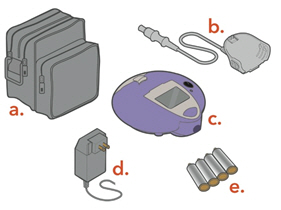
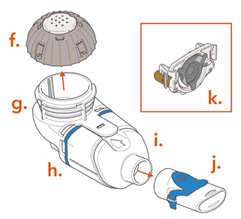
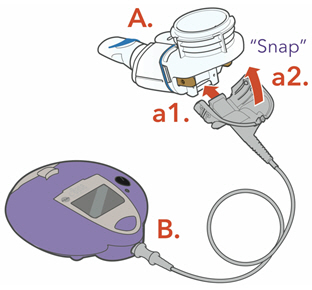
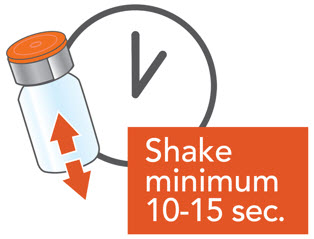
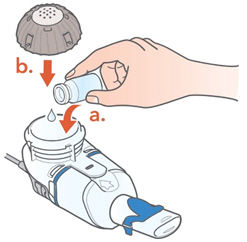
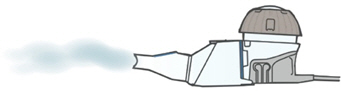
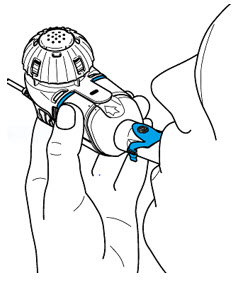
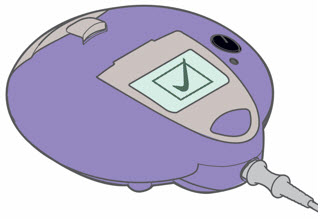
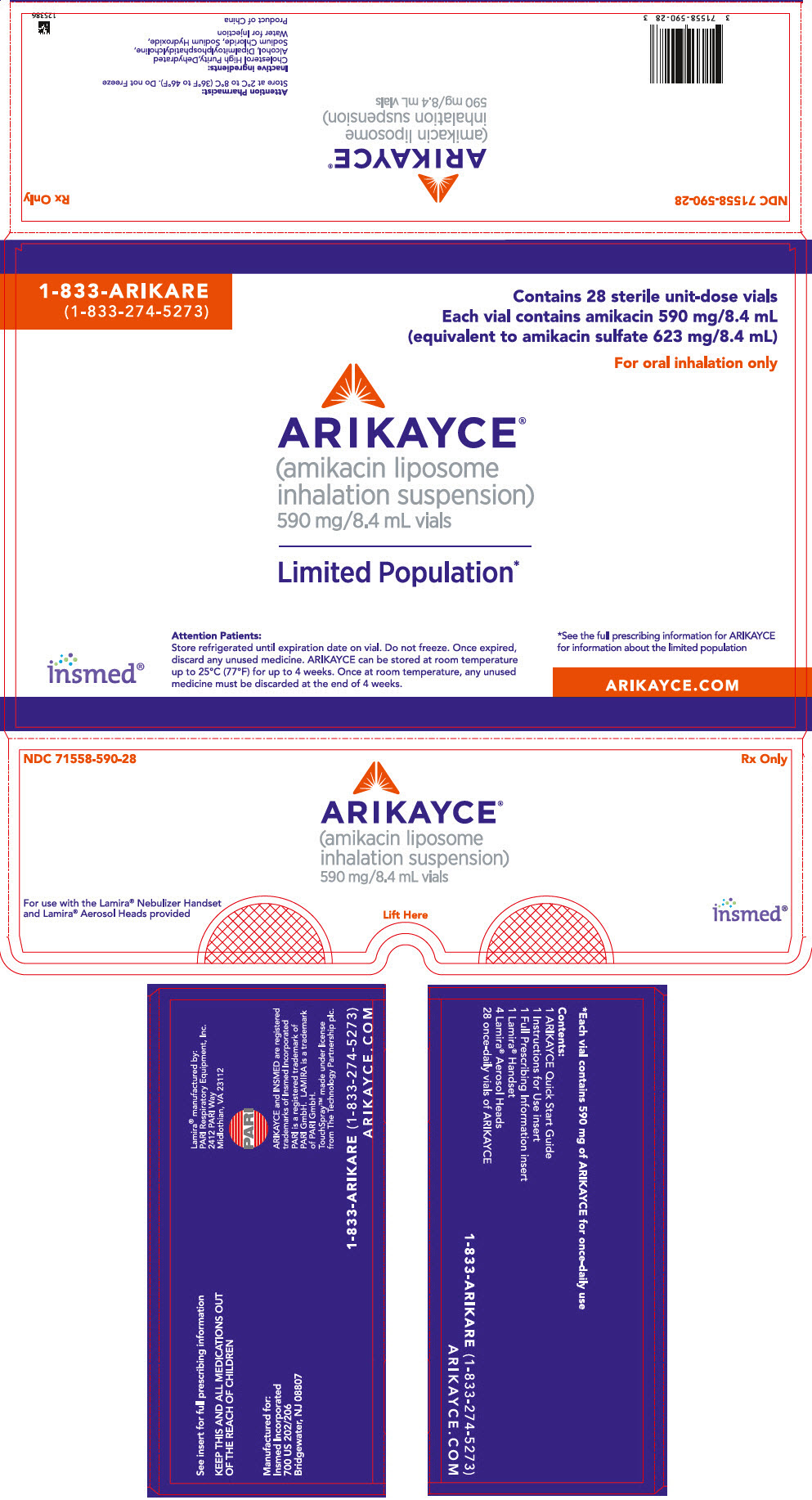
Instruct patients to read the Instructions for Use before starting ARIKAYCE. Instruct patients to only use the Lamira™ Nebulizer System to administer ARIKAYCE. Advise the patient or caregiver not use the Lamira Nebulizer System with any other medicine.
Hypersensitivity Pneumonitis and Bronchospasm (Difficulty Breathing)
Advise patients to inform their healthcare provider if they experience shortness of breath or wheezing after administration of ARIKAYCE. Advise patients with a history of reactive airway disease, asthma, or bronchospasm, to administer ARIKAYCE after using a short-acting bronchodilator [see Warnings and Precautions (5.1, 5.3)].
Hemoptysis or Cough
Advise patients to inform their healthcare provider if they cough up blood or experience episodic cough either during or after ARIKAYCE administration particularly in the first month after starting ARIKAYCE [see Warnings and Precautions (5.2) and Adverse Reactions (6.1)].
Exacerbations of Underlying Pulmonary Disease
Advise patients to inform their healthcare provider if they experience worsening of their lung disease after starting ARIKAYCE [see Warnings and Precautions (5.4)].
Dysphonia or Difficulty Speaking
Advise patients to inform their healthcare provider if they have difficulty speaking. Difficulty speaking or loss of ability to speak has been reported with ARIKAYCE [see Adverse Reactions (6.1)].
Ototoxicity (Ringing in the Ears)
Advise patients to inform their healthcare provider if they experience ringing in the ears, dizziness, or any changes in hearing because ARIKAYCE has been associated with hearing loss [see Warnings and Precautions (5.5)].
Advise the patient not to operate heavy machinery or do dangerous activities while inhaling ARIKAYCE through the Lamira Nebulizer System because ARIKAYCE can cause symptoms such as dizziness or respiratory symptoms.
Nephrotoxicity or Kidney Damage
Advise patients to inform their health care provider if they have kidney problems because kidney damage has been reported with aminoglycosides [see Warnings and Precautions (5.6)].
Neuromuscular Blockade
Advise patients to inform their healthcare provider of known neuromuscular disease (e.g., myasthenia gravis) [see Warnings and Precautions (5.7)].
Embryo-fetal Toxicity
Advise pregnant women that aminoglycosides, including ARIKAYCE, may cause irreversible congenital deafness when administered during pregnancy [see Warnings and Precautions (5.8) and Use in Special Populations (8.1)].
Manufactured for:
Insmed®, Bridgewater, NJ 08807
Insmed® and, ARIKAYCE® are trademarks of Insmed Incorporated. Lamira™ is a trademark of PARI Pharma GmbH.
© Insmed Incorporated. All rights reserved. 2010 7,718,189; 2012 8,226,975; 2014 8,632,804, 8,642,075, 8,679,532 and 8,802,137; 2017 9,566,234 and 9,827,317 and 2018 9,895,385