Zovia 1/35 Kit
Product Images NDC 75907-087
View Photos of Packaging, Regulatory Labels, and Product Appearance
Product Visual Gallery
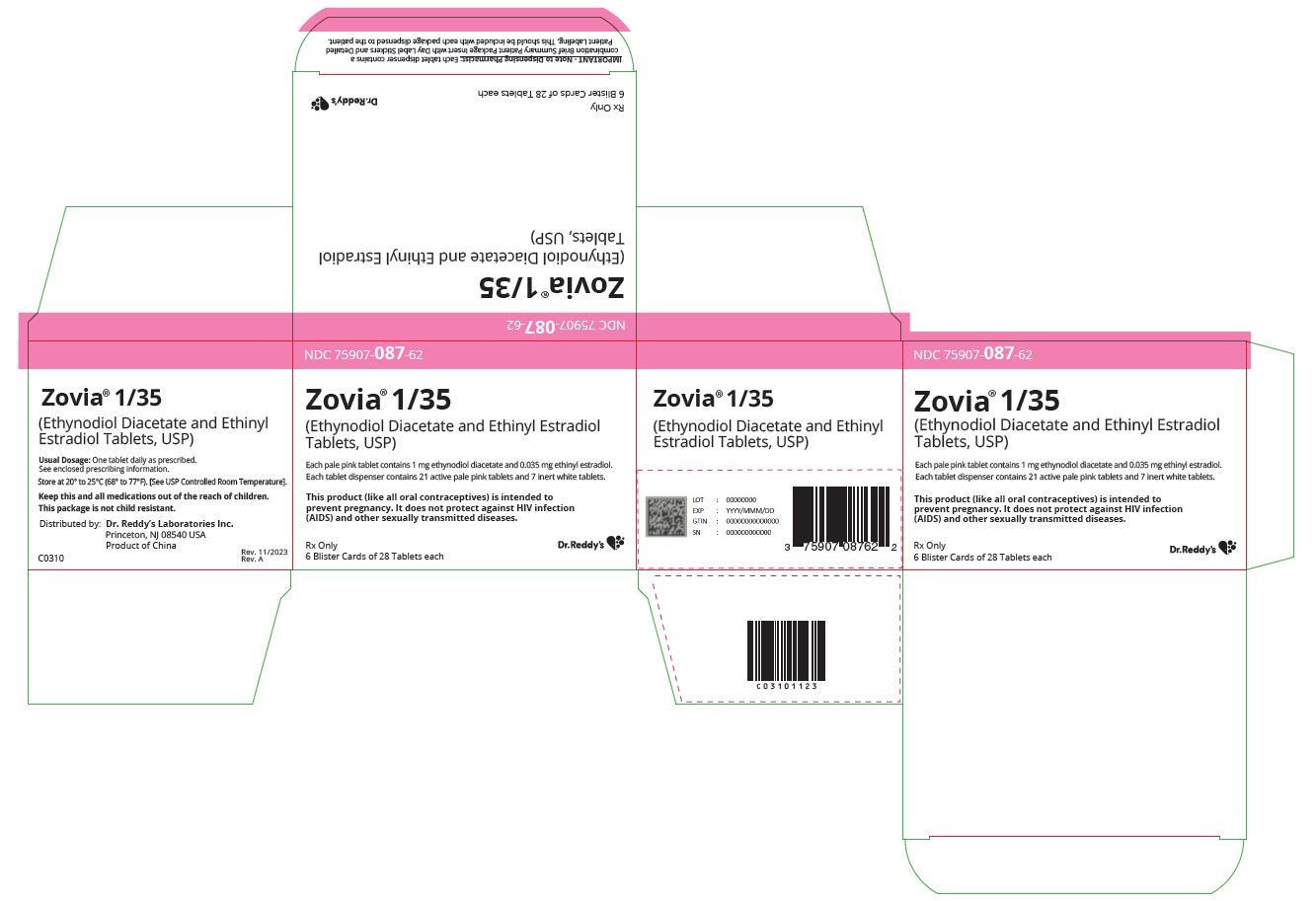
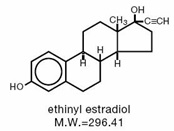
This gallery contains 14 technical images submitted to the FDA as part of the official labeling for Zovia 1/35 (NDC 75907-087). Unlike standard consumer photos, these assets often include clinical data figures, molecular chemical structures, and official manufacturer packaging layouts.
As provided by Dr. Reddy�s Laboratories Inc., these visuals offer a comprehensive scientific overview of the product's physical and chemical identity, aiding pharmacists and researchers in product verification and study.
2 (Image 02)
14 (Image 03)
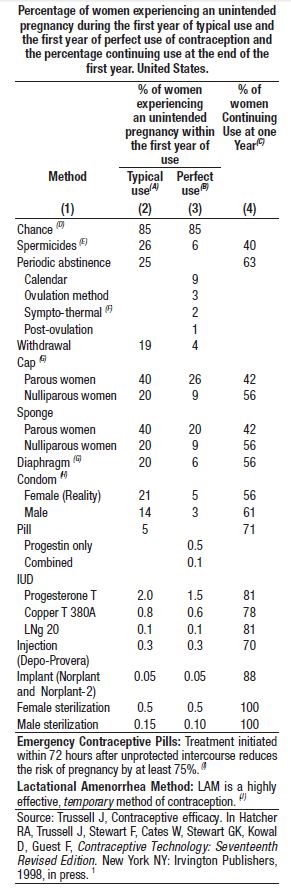
The provided text is a table showing the percentage of women experiencing unintended pregnancies during the first year of typical use and perfect use of various contraceptive methods. It also includes the percentage of women continuing to use the contraceptive method at the end of the first year. The table provides information specific to the United States. Some of the mentioned contraceptive methods include chance, spermicides, periodic abstinence, calendar method, ovulation method, sympto-thermal method, post-ovulation method, withdrawal, cap, diaphragm, condom (both female and male), progestin-only methods, combined methods, progesterone method, CopperT 380, injection (Depo-Provera), implant (Norplant and Norplant-2), female sterilization, male sterilization, emergency contraceptive pills, and lactational amenorrhea method. The data in the table is sourced from a book titled "Contraceptive Technology: Seventeenth Revised Edition" by Trussell J.*
3 (Image 04)
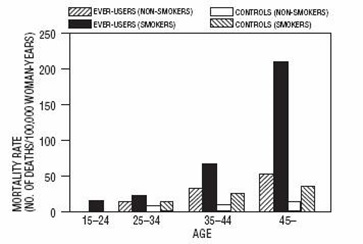
Cigarette smoking can have detrimental effects on cardiovascular health, especially when combined with the use of oral contraceptives. The risk of experiencing serious cardiovascular side effects is significantly higher in women who are older, smoke heavily (15 or more cigarettes per day), and are over the age of 35. It is crucial for women who use oral contraceptives to be strongly advised against smoking to mitigate these risks.*
4 (Image 05)
5 (Image 06)
7 (Image 07)
Cigarette smoking and the use of oral contraceptives can have serious adverse effects on the heart and blood vessels. The risk of these effects is higher in older women and those who smoke heavily (15 or more cigarettes per day). Women over 35 years of age are particularly susceptible to these risks. Therefore, it is strongly advised that women who take oral contraceptives should not smoke.*
15 (Image 08)
Percentage of women experiencing an unintended pregnancy during the first year of typical use and the first year of perfect use of contraception and the percentage continuing use at the end of the first year. This data is specific to the United States. The table provides percentages for different contraceptive methods, including spermicides, periodic abstinence, calendar method, ovulation method, sympto-thermal method, post-ovulation method, withdrawal, cap, sponge, diaphragm, male and female condoms, progestin-only and combined oral contraceptive pills, progesterone-only injectable, copper IUD, infection, Depo-Provera, implant (Norplant and Norplant 2), female sterilization, male sterilization, and emergency contraceptive pills. Treatment initiated within 72 hours after unprotected intercourse is reported to reduce the risk of pregnancy by at least 75%.*
8 (Image 09)
Cigarette smoking can have serious negative impacts on the heart and blood vessels when combined with oral contraceptive use. The risk of these adverse effects becomes even greater with age and heavy smoking (15 or more cigarettes per day), especially for women over 35 years old. It is strongly recommended that women who use oral contraceptives refrain from smoking.*
9 (Image 10)
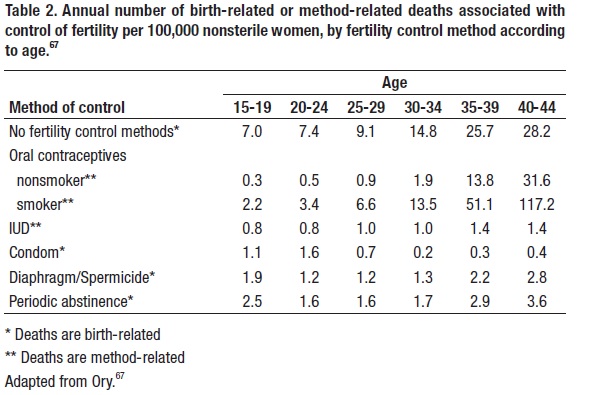
Annual number of birth-related or method-related deaths associated with control of fertility per 100,000 nonsterile women, by fertility control method according to age. This data provides information on the number of deaths associated with different methods of fertility control for women of different age groups. The methods include no fertility control methods, oral contraceptives for nonsmokers and smokers, IUD, condom, diaphragm/spermicide, and periodic abstinence. The deaths mentioned in the data can be either birth-related or method-related.*
10 (Image 11)
11 (Image 12)
12 (Image 13)
13 (Image 14)
* These product label images have been analyzed using experimental machine learning. Please verify findings with the primary label text.