Worldtec Disinfecting 70% Alcohol Wet Wipes
Product Images NDC 76725-015

View Photos of Packaging, Regulatory Labels, and Product Appearance

Product Visual Gallery

This gallery contains 2 technical images submitted to the FDA as part of the official labeling for Worldtec Disinfecting 70% Alcohol Wet Wipes (NDC 76725-015). Unlike standard consumer photos, these assets often include clinical data figures, molecular chemical structures, and official manufacturer packaging layouts.

As provided by Makyaj Kozmetik Insaat Sanayi Ve Ticaret Limited Sirketi, these visuals offer a comprehensive scientific overview of the product's physical and chemical identity, aiding pharmacists and researchers in product verification and study.

FDA Label Image

Image (7672501501 1)
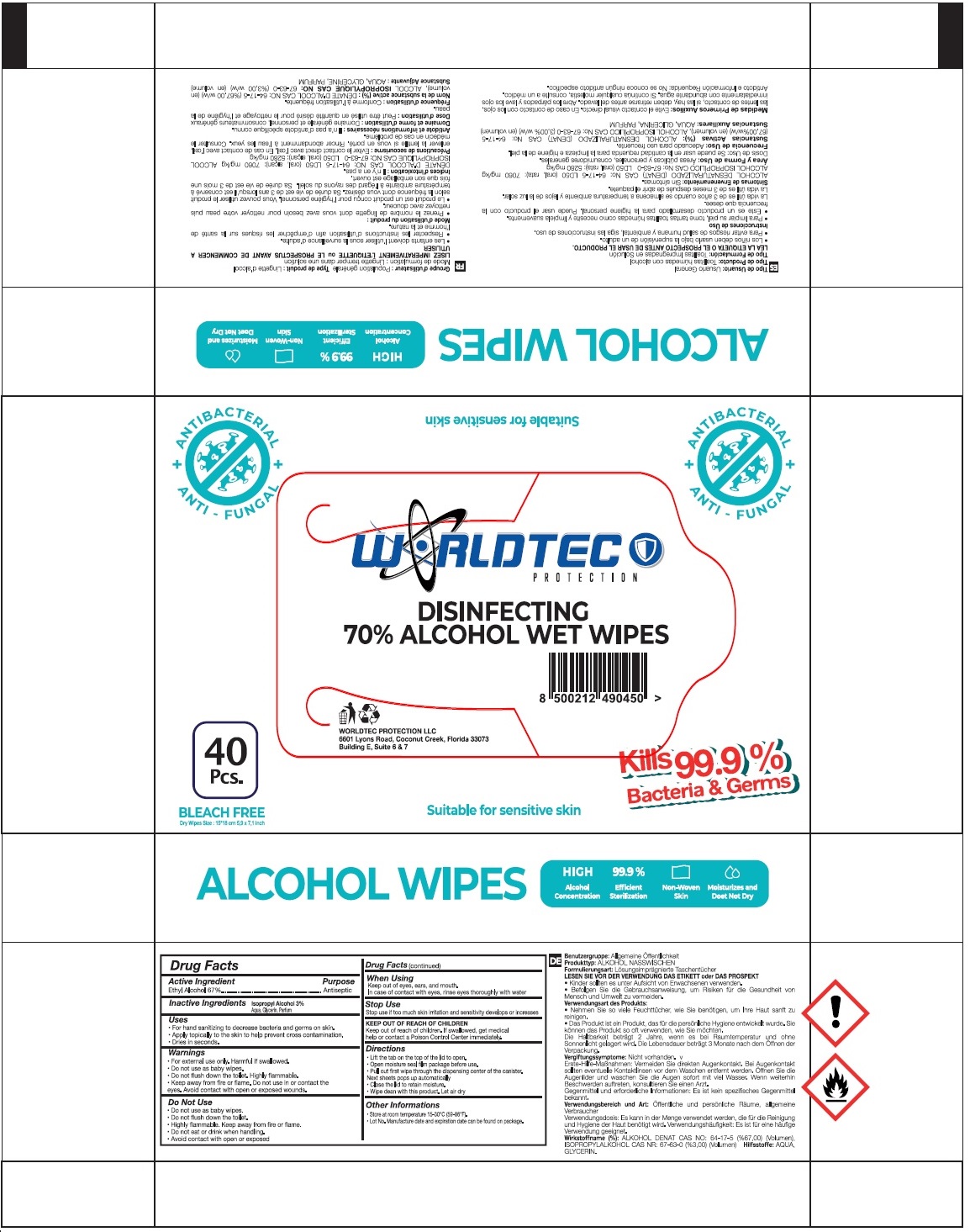
Image (7672501501 1)
This appears to be a product label for "PROTECTION DISINFECTING 70% ALCOHOL WET WIPES" used to eliminate bacteria and germs from skin. It is suitable for sensitive skin as it is bleach-free. The label also includes the drug facts, purpose, and usage instructions for the wet wipes. However, some parts are not legible due to the distorted text.*
FDA Label Image

Image (7672501501 2)

Image (7672501501 2)
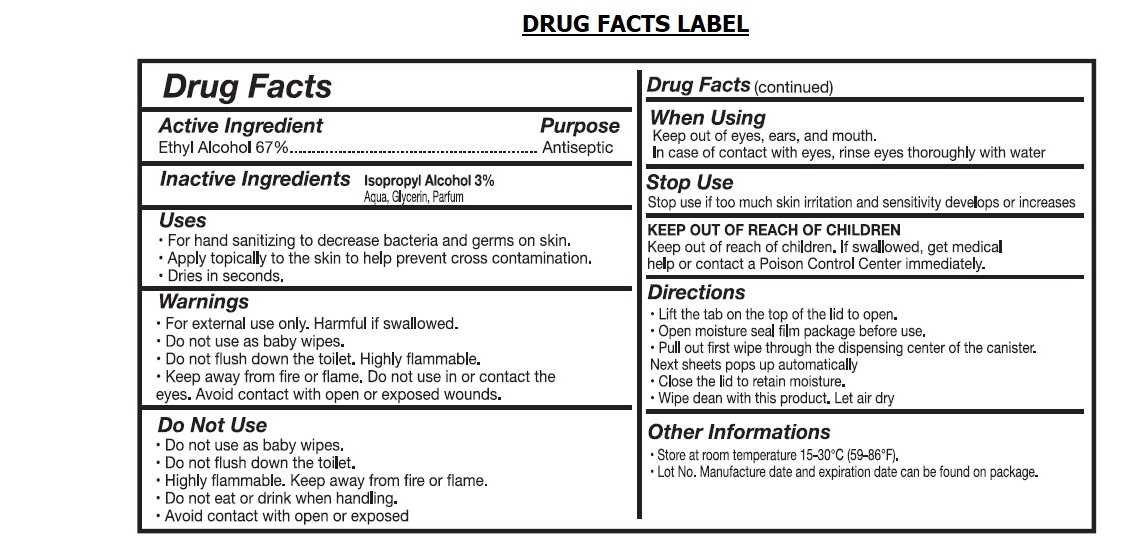
This is a drug facts label for a hand sanitizer containing 67% Ethyl Alcohol and 3% Isopropyl Alcohol. The product is used for hand sanitizing to decrease bacteria and germs on the skin and is applied topically to the skin to help prevent cross contamination. It dries in seconds. Warnings include that it is harmful if swallowed, not to be used as baby wipes, and should be kept away from fire or flame. Keep away from eyes, ears, and mouth. If too much skin irritation or sensitivity develops or increases, stop use. It should be kept out of reach of children. It comes in a canister and should be used by pulling out a wipe, closing the lid to retain moisture, and letting air dry. It should be stored at room temperature. Lot number, manufacturing date, and expiration date can be found on the package.*

* These product label images have been analyzed using experimental machine learning. Please verify findings with the primary label text.