Placebo-Controlled Trials
Trial 1: Trial 1 was a randomized, placebo-controlled clinical trial in patients with FVC ≥ 40% of predicted. In this trial, over 600 patients received PULMOZYME once or twice daily for six months. The most common adverse reaction (risk difference ≥5%) was voice alteration. The proportion of most adverse events was similar for patients on PULMOZYME and on placebo, probably reflecting the sequelae of the underlying lung disease. In most cases reactions that were increased were mild, transient in nature, and did not require alterations in dosing. Few patients experienced adverse reactions resulting in permanent discontinuation from PULMOZYME, and the proportion of discontinuations were similar for placebo (2%) and PULMOZYME (3%). Adverse reactions occurring in a higher proportion (greater than 3%) of PULMOZYME treated patients than in placebo-treated patients are listed in Table 2.
Trial 2: Trial 2 was a randomized, placebo-controlled trial in patients with more advanced pulmonary disease (FVC < 40% of predicted) who were treated for 12 weeks. In this trial, the safety profile of PULMOZYME was similar to that reported in patients with less advanced pulmonary disease (FVC ≥ 40% of predicted). Adverse reactions that were reported in this trial with a higher proportion (greater than 3%) in the PULMOZYME treated patients are listed in Table 2.
Table 2. Adverse Reactions Increased 3% or More in PULMOZYME Treated Patients Over Placebo in CF Clinical TrialsAdverse Reactions
(of any severity or seriousness) | Trial 1
CF Patients with FVC ≥ 40% of predicted treated for 24 weeks | Trial 2
CF Patients with FVC <40% of predicted treated for 12 weeks |
|---|
Placebo
n=325 | Pulmozyme QD
n=322 | Pulmozyme BID
n=321 | Placebo
n=159 | Pulmozyme QD
n=161 |
|---|
| Voice alteration | 7% | 12% | 16% | 6% | 18% |
| Pharyngitis | 33% | 36% | 40% | 28% | 32% |
| Rash | 7% | 10% | 12% | 1% | 3% |
| Laryngitis | 1% | 3% | 4% | 1% | 3% |
| Chest Pain | 16% | 18% | 21% | 23% | 25% |
| Conjunctivitis | 2% | 4% | 5% | 0% | 1% |
| Rhinitis | Differences were less than 3% | 24% | 30% |
| FVC decrease of ≥ 10% of predicted Single measurement only, does not reflect overall FVC changes. | 17% | 22% |
| Fever | 28% | 32% |
| Dyspepsia | 0% | 3% |
| Dyspnea (when reported as serious) | Differences were less than 3% | 12% Total reports of dyspnea (regardless of severity or seriousness) had a difference of less than 3% in Trial 2. | 17% |
Mortality rates observed in controlled trials were similar for the placebo and PULMOZYME treated patients. Causes of death were consistent with progression of cystic fibrosis and included apnea, cardiac arrest, cardiopulmonary arrest, cor pulmonale, heart failure, massive hemoptysis, pneumonia, pneumothorax, and respiratory failure.
Uncontrolled Trial
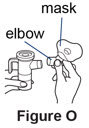
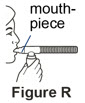
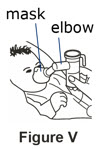
Trial 3: The safety of PULMOZYME, 2.5 mg by inhalation, was studied with 2 weeks of daily administration in 98 pediatric patients with cystic fibrosis 3 months to 10 years of age (65 aged 3 months to < 5 years, 33 aged 5 to ≤ 10 years). The PARI BABY™ reusable nebulizer (which uses a facemask instead of a mouthpiece) was utilized in patients unable to demonstrate the ability to inhale or exhale orally throughout the entire treatment period (54/65, 83% of the younger and 2/33, 6% of the older patients). Overall, the nature of adverse reactions was similar to that seen in the placebo-controlled trials. The number of patients reporting cough was higher in the younger age group as compared to the older age group (29/65, 45% compared to 10/33, 30%) as was the number reporting moderate to severe cough (24/65, 37% as compared to 6/33, 18%). The number of patients reporting rhinitis was higher in the younger age group as compared to the older age group (23/65, 35% compared to 9/33, 27%) as was the number reporting rash (4/65, 6% as compared to 0/33).
Allergic Reactions
There have been no reports of anaphylaxis attributed to the administration of PULMOZYME. Urticaria, mild to moderate, and mild skin rash have been observed and have been transient. Within all of the studies, a small percentage (average of 2-4%) of patients treated with PULMOZYME developed serum antibodies to PULMOZYME. None of these patients developed anaphylaxis, and the clinical significance of serum antibodies to PULMOZYME is unknown.
Data
Animal Data
Reproductive studies have been performed in rats and rabbits at intravenous doses of dornase alfa up to 10 mg/kg/day (approximately 600 times the MRHD in adults). In a combined embryo-fetal development and pre- and post-natal development study, no evidence of maternal toxicity, embryotoxicity, or teratogenicity was observed when dornase alfa was administered to dams throughout organogenesis (Gestation days 6 to 17). Dornase alfa did not elicit adverse effects on fetal or neonatal growth when administered to dams throughout most of gestation and delivery (Gestation days 6 to 25) and nursing (Post-partum days 6 to 21).
A pharmacokinetic study in Cynomolgus monkeys found no detectable levels of dornase alfa in fetal blood or amniotic fluid on gestation day 150 (end of gestation) from mothers that were administered an intravenous bolus dose (0.1 mg/kg) followed by an intravenous infusion dose (0.080 mg/kg) over a 6-hour period during pregnancy.
Risk Summary
It is not known whether PULMOZYME is present in human milk. In a pharmacokinetic study in Cynomolgus monkeys, levels of dornase alfa detected in milk were less than 0.1% of the maternal serum concentration at 24 hours after dosing [intravenous bolus dose (0.1 mg/kg) of dornase alfa followed by an intravenous infusion (0.080 mg/kg/hr) over a 6-hour period] on post-partum day 14. The developmental and health benefits of breastfeeding should be considered along with the mother's clinical need for PULMOZYME and any potential adverse effects on the breastfed child from PULMOZYME or from the underlying maternal condition.
Trial in CF Patients with FVC ≥40% of Predicted
PULMOZYME has been evaluated in a randomized, placebo-controlled trial of clinically stable cystic fibrosis patients, 5 years of age and older, with baseline forced vital capacity (FVC) greater than or equal to 40% of predicted and receiving standard therapies for cystic fibrosis. Patients were treated with placebo (325 patients), 2.5 mg of PULMOZYME once a day (322 patients), or 2.5 mg of PULMOZYME twice a day (321 patients) for six months administered via a Hudson T Up-draft II® nebulizer with a Pulmo-Aide® compressor.
Both doses of PULMOZYME resulted in significant reductions in the number of patients experiencing respiratory tract infections requiring use of parenteral antibiotics compared with the placebo group. Administration of PULMOZYME reduced the relative risk of developing a respiratory tract infection by 27% and 29% for the 2.5 mg daily dose and the 2.5 mg twice daily dose, respectively (see Table 3). The data suggest that the effects of PULMOZYME on respiratory tract infections in older patients ( > 21 years) may be smaller than in younger patients, and that twice daily dosing may be required in the older patients. Patients with baseline FVC > 85% may also benefit from twice a day dosing (see Table 3). The reduced risk of respiratory infection observed in PULMOZYME treated patients did not directly correlate with improvement in FEV1 during the initial two weeks of therapy.
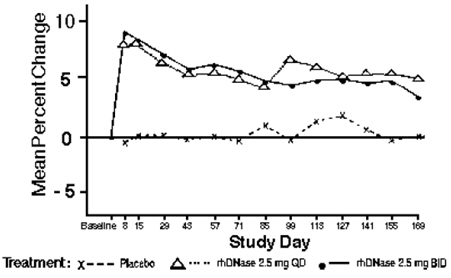
Within 8 days of the start of treatment with PULMOZYME, mean FEV1 increased 7.9% in those treated once a day and 9.0% in those treated twice a day compared to the baseline values. The overall mean FEV1 during long-term therapy increased 5.8% from baseline at the 2.5 mg daily dose level and 5.6% from baseline at the 2.5 mg twice daily dose level. Placebo recipients did not show significant mean changes in pulmonary function testing (see Figure 1).
For patients 5 years of age or older with baseline FVC greater than or equal to 40%, administration of PULMOZYME decreased the incidence of occurrence of first respiratory tract infection requiring parenteral antibiotics, and improved mean FEV1, regardless of age or baseline FVC.
Table 3. Incidence of First Respiratory Tract Infection Requiring Parenteral Antibiotics in Patients with FVC ≥40% of Predicted | Placebo
N=325 | 2.5 mg QD
N=322 | 2.5 mg BID
N=321 |
| Percent of Patients Infected | 43% | 34% | 33% |
| Relative Risk (vs placebo) | | 0.73 | 0.71 |
| p-value (vs placebo) | | 0.015 | 0.007 |
| Subgroup by Age and Baseline FVC | Placebo
% (N) | 2.5 mg QD
% (N) | 2.5 mg BID
% (N) |
| Age | | | |
| 5-20 years | 42% (201) | 25% (199) | 28% (184) |
| 21 years and older | 44% (124) | 48% (123) | 39% (137) |
| Baseline FVC | | | |
| 40-85% Predicted | 54% (194) | 41% (201) | 44% (203) |
| > 85% Predicted | 27% (131) | 21% (121) | 14% (118) |
Figure 1. Mean Percent Change from Baseline FEV1 in Patients with FVC ≥40% of Predicted |
Trial in CF Patients with FVC <40% of Predicted
PULMOZYME has also been evaluated in a second randomized, placebo-controlled trial in clinically stable patients with baseline FVC < 40% of predicted. Patients were enrolled and treated with placebo (162 patients) or PULMOZYME 2.5 mg QD (158 patients) for twelve weeks. In patients who received PULMOZYME, there was an increase in mean change (as percent of baseline) compared to placebo in FEV1 (9.4% vs. 2.1%, p < 0.001) and in FVC (12.4% vs. 7.3%, p < 0.01). PULMOZYME did not significantly reduce the risk of developing a respiratory tract infection requiring parenteral antibiotics (54% of PULMOZYME patients vs. 55% of placebo patients had experienced a respiratory tract infection by 12 weeks, relative risk = .93, p = 0.62).
The effect of PULMOZYME on exercise tolerance has not been established in adult and pediatric patients.
Other Studies
Clinical trials have indicated that PULMOZYME therapy can be continued or initiated during an acute respiratory exacerbation.
Short-term dose ranging studies demonstrated that doses in excess of 2.5 mg BID did not provide further improvement in FEV1. Patients who have received drug on a cyclical regimen (i.e., administration of PULMOZYME 10 mg BID for 14 days, followed by a 14 day wash out period) showed rapid improvement in FEV1 with the initiation of each cycle and a return to baseline with each PULMOZYME withdrawal.
Storage and Handling Information
Instruct patients on the proper techniques to store and handle PULMOZYME. PULMOZYME must be stored in the refrigerator at 2 to 8°C (36 to 46°F) and protected from light. It should be kept refrigerated during transport and should not be exposed to room temperatures for a total time of 24 hours.
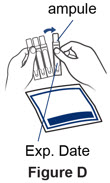
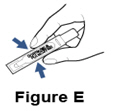
Advise patients to squeeze each ampule prior to use in order to check for leaks. The solution should be discarded if it is cloudy or discolored. Once opened, the entire contents of the ampule must be used or discarded.
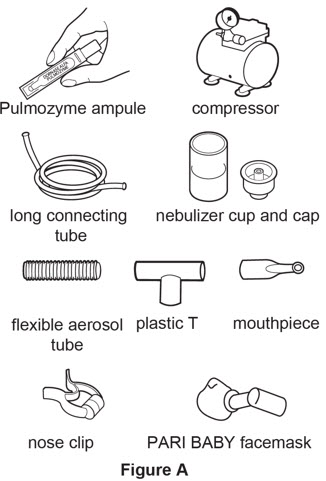
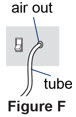
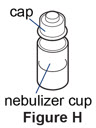
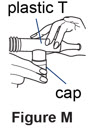
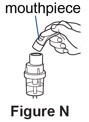
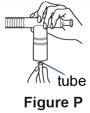
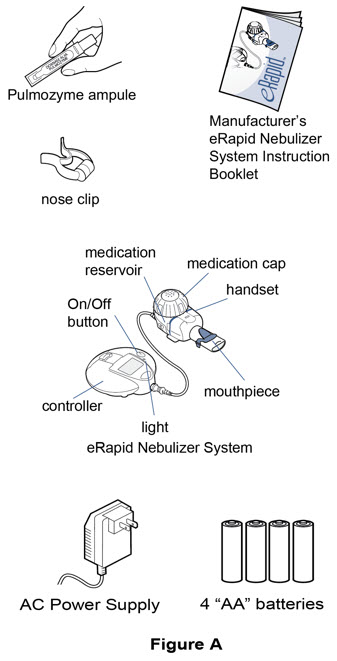
Instruct patients in the proper use and maintenance of the jet nebulizer/compressor system or eRapid Nebulizer System used in PULMOZYME delivery.
Instruct patients not to dilute or mix PULMOZYME with other drugs in the nebulizer. Mixing of PULMOZYME with other drugs could lead to adverse physicochemical and/or functional changes in PULMOZYME or the admixed compound.
Use with the eRapid Nebulizer System
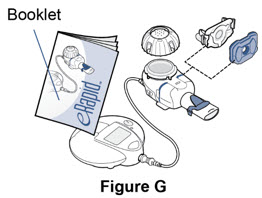
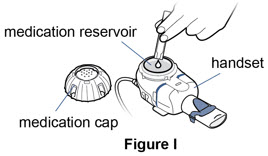
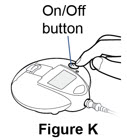
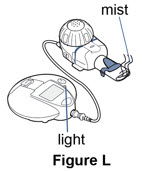
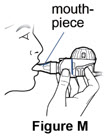
Instruct patients and caregivers to read and follow the directions in both the PULMOZYME Instructions for Use and in the Manufacturer's eRapid Nebulizer System Instruction Booklet.
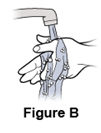
Instruct patients and caregivers to clean the handset, including the medication reservoir, medicine cap, aerosol head, and mouthpiece, after each use. Instruct patients and caregivers to disinfect the handset, including the medication reservoir, medicine cap, aerosol head, and mouthpiece, after each day of use.
Instruct patients to replace the handset after 90 uses, regardless of whether the EasyCare cleaning aid is used. Since delivery data are not available for PULMOZYME administered with the eRapid handset beyond 90 administrations, delivery of the appropriate therapeutic dose of PULMOZYME cannot be assured beyond 90 administrations.
Pulmozyme® (dornase alfa)
Inhalation Solution
Manufactured by:
Genentech, Inc.
A Member of the Roche Group
1 DNA Way
South San Francisco, CA 94080-4990
US License No. 1048
©2018 Genentech, Inc. All rights reserved.
©2018 Genentech, Inc.
Pulmozyme® is a registered trademark of Genentech, Inc.